
The gun industry is the only one Congress made lawsuit-proof.
Every other consumer product — cars, medicine, appliances — can be the subject of a negligence lawsuit. Firearms manufacturers and dealers have had a unique federal shield from that accountability since 2005. Two bills have tried to change that.
Equal Access to Justice for Victims of Gun Violence Act
The bill would repeal the Protection of Lawful Commerce in Arms Act (PLCAA) — the 2005 law that shields firearm manufacturers, distributors, and dealers from most negligence and product-liability lawsuits that any other industry can face.
PLCAA means a gun maker or dealer can act with far less legal exposure than a car manufacturer or a pharmaceutical company, even when negligence is involved — including cases where a dealer looked the other way on an obvious straw purchase, someone buying dozens of guns to hand off to people who couldn’t pass a background check themselves. Repealing it wouldn’t create new liability out of nothing; it would let victims bring the same kind of negligence claims already available against nearly every other consumer product industry.
First introduced by then-Congressman Adam Schiff in 2013, the bill has been reintroduced repeatedly since — most recently in June 2025, now as a bicameral bill with Schiff continuing the push as a newly elected U.S. Senator (D-Calif.), alongside Senators Richard Blumenthal and Chris Murphy and Representatives Jason Crow, Dwight Evans, Eric Swalwell, and Mike Thompson. It has not yet passed either chamber.


Assault Weapons Ban
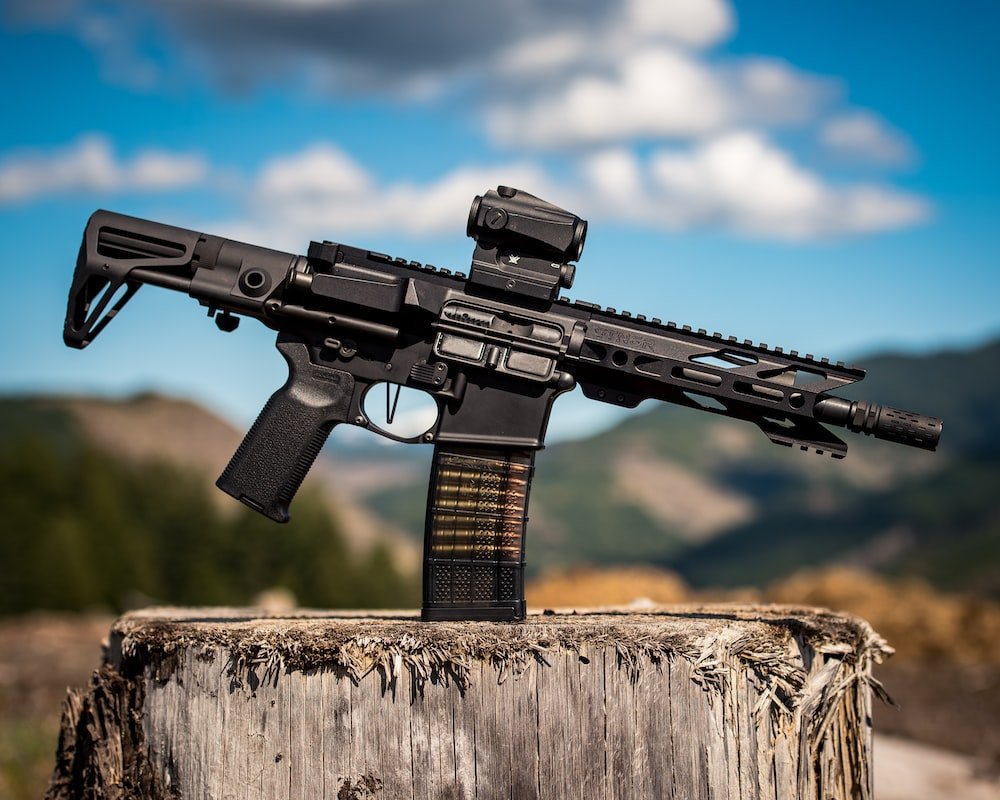
A federal ban on semiautomatic assault weapons and large-capacity magazines was law from 1994 to 2004, then allowed to expire. Efforts to restore it have stalled ever since.
The House Judiciary Committee advanced the Assault Weapons Ban of 2021 in July 2022 — the first markup of an assault weapons ban bill in nearly three decades. Days later, the full House passed it 217–213, almost entirely along party lines. It went to the Senate needing 60 votes to overcome a filibuster and never came close; no vote was held, and the bill died at the end of that Congress. It has not been reintroduced as a standalone federal ban with the same momentum since.


The baseline: walking down the street, safely
None of this is about eliminating firearms. It’s a short list of measures gun safety advocates have pushed for consistently — the ability to go to a mall, a concert, a movie theater, or a parade without it being a live risk.
Background checks
Closing gaps that let sales proceed without a completed check, including private and online sales.
Red flag laws
Allowing courts to temporarily remove firearm access from someone a judge finds poses a danger to themselves or others.
Minimum age requirements
Raising the purchase age for certain firearm categories, consistent with age limits already applied to other high-risk products.
Modern safety technology
Smart-gun features and safe storage design intended to prevent unauthorized use, including by children.