

Roadside zoos speckle the American terrain.
Small, unaccredited zoos where wild and exotic animals suffer in captivity, dressed up with the language of “sanctuary” and “rescue.” We fight for stronger laws, and better enforcement of the ones already on the books.

Twelve years of rescue, relocation, and vet care
Since 2011, Tigers in America has coordinated rescues out of failed sanctuaries, roadside zoos, breeders, private owners, and even drug dealers and smugglers — moving animals to accredited facilities that will actually give them a permanent, humane home.
The “other animals” total spans a genuinely wide range of species pulled from the same facilities as the cats:
Of the 152 total missions, 14 were medical-only interventions — vet care delivered on-site rather than a full relocation.
What Tigers in America actually requires before placing an animal
Every facility they place a rescued tiger with has to meet all of the following — a genuinely useful checklist for evaluating any facility that calls itself a sanctuary.
Some of the grimmest spots for animals in the country
Don’t fall for the “sanctuary” or “rescue” branding many roadside zoos append to their names to deceive visitors. If you’ve watched Tiger King, you’ve already glimpsed a few of these.
Alligator Adventure
Reptiles aren’t covered by the federal Animal Welfare Act, so hundreds of alligators, crocodiles, and snakes here get no federal protection at all. Animals fight for food in crowded enclosures; many alligators are missing limbs. Baby alligators are torn from their mothers and have their mouths taped shut for public encounters.
Barry R. Kirshner Wildlife Foundation
Since 1995, this facility has acquired more than 100 baby wild animals taken from their mothers, sourced from breeders and other roadside zoos. Its record includes documented abuse, attacks, escapes, and repeated fines for state and federal violations.
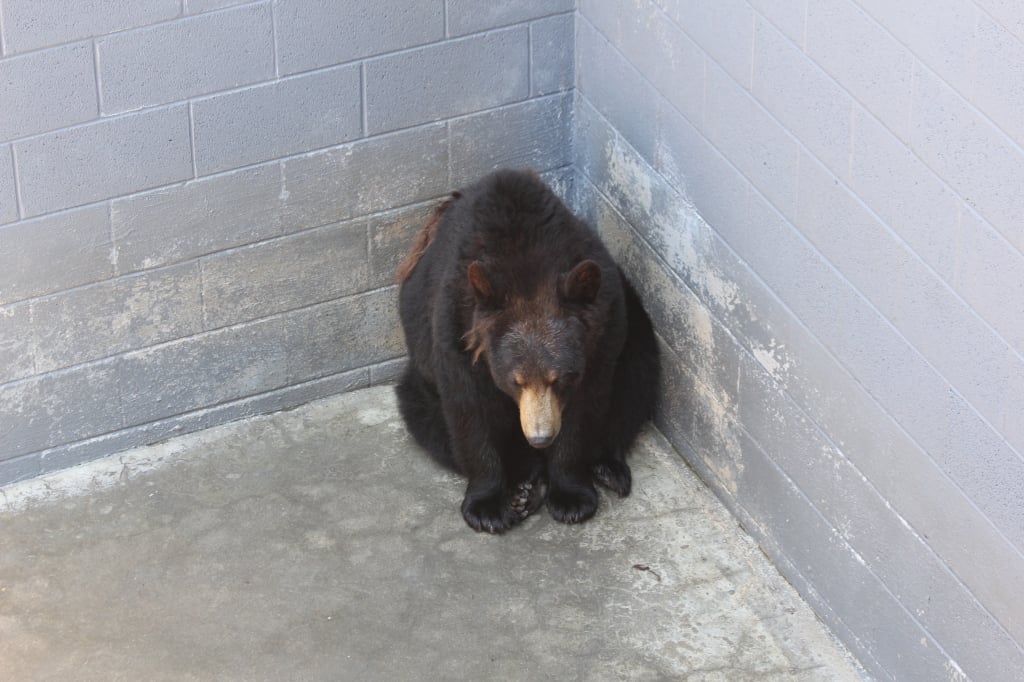
Cherokee Bear Zoo & Santa’s Land
Two roadside zoos on tribal land in western North Carolina keep bears in grossly inhumane conditions — often neurotic animals confined to desolate concrete pits or cramped cages, a setup that looks unchanged since the 1950s.
Clark’s Trading Post
North American black bears here are confined to undersized, barren concrete pits and forced to ride scooters, be pushed on swings, and eat ice cream from a spoon for visitors.
Hovatter’s Wildlife Zoo
An alpaca’s teeth were allowed to grow so overgrown it impaired her ability to eat. Young lion cubs went without adequate nutrition. Federal citations followed a PETA complaint documenting chimpanzees with hair loss and one who repeatedly sucked on his own hand for over 30 minutes.
Lagoon Amusement Park
Repeatedly cited for inadequate veterinary care, filthy enclosures, and undertrained staff. A single lion is kept in a tiny, barren concrete cage beside a screeching steam train, surrounded by roller coasters and crowds.
MarineLand
Displays beluga whales, dolphins, sea lions, and walruses in cramped tanks, some of the animals originally taken directly from the ocean. A Toronto Star investigation documented widespread reports of negligence, cruelty, and mass animal graves on the property.
Natural Bridge Zoo & Virginia Safari Park
A lone elephant named Asha has spent years without another elephant for company, locked in a cold barn each winter and walked in endless circles giving rides each summer. The facility has been cited for nearly 150 Animal Welfare Act violations and paid over $20,000 in federal penalties; its license has been suspended twice. At the adjoining Safari Park, a CEO was assessed a $99,999 civil penalty after animals were denied veterinary care, including a spider monkey euthanized after being left out in frigid temperatures with untreated frostbite.
Oswald’s Bear Ranch
The public handles bear cubs for photo ops here, torn from their mothers by breeders and shipped in. Bears have died after being trapped in a collapsed den, from a drug overdose, and other undisclosed causes; workers reportedly told a state inspector that “mean” bears should be “harvested” and made into jerky.
The Preserve (formerly Have Trunk Will Travel)
An entertainment company rebranded as a “preserve” that still uses bullhooks and electric prods to force elephants into photo ops and tricks like playing harmonica and painting with their trunks. Trainers were previously caught on video beating elephants, including a baby, with bullhooks.
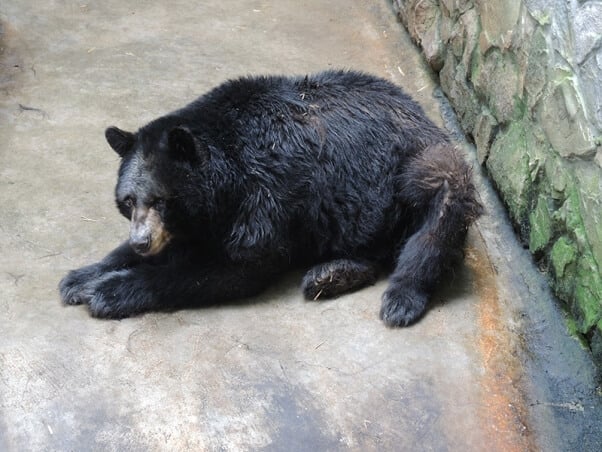
Pymatuning Deer Park
Federal officials issued a formal warning for more than a dozen Animal Welfare Act violations, including confining visibly ailing bears to concrete pits with no ability to swim, climb, dig, or den.
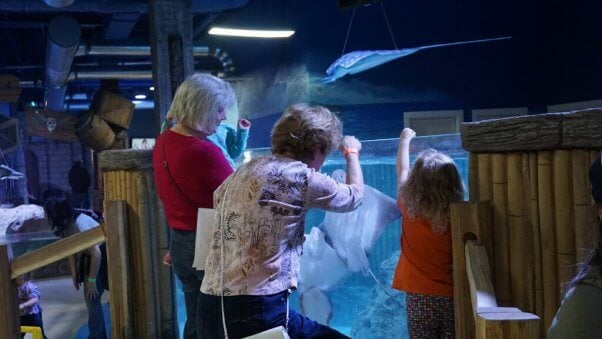
SeaQuest Aquariums
These mall-based aquariums have accumulated dozens of reports of animal neglect, deaths, and legal violations in just a few years — including a $2,000 fine for illegally possessing baby otters, a sloth burned by a heat lamp, and a dead stingray left in a tank that visiting children continued to touch.
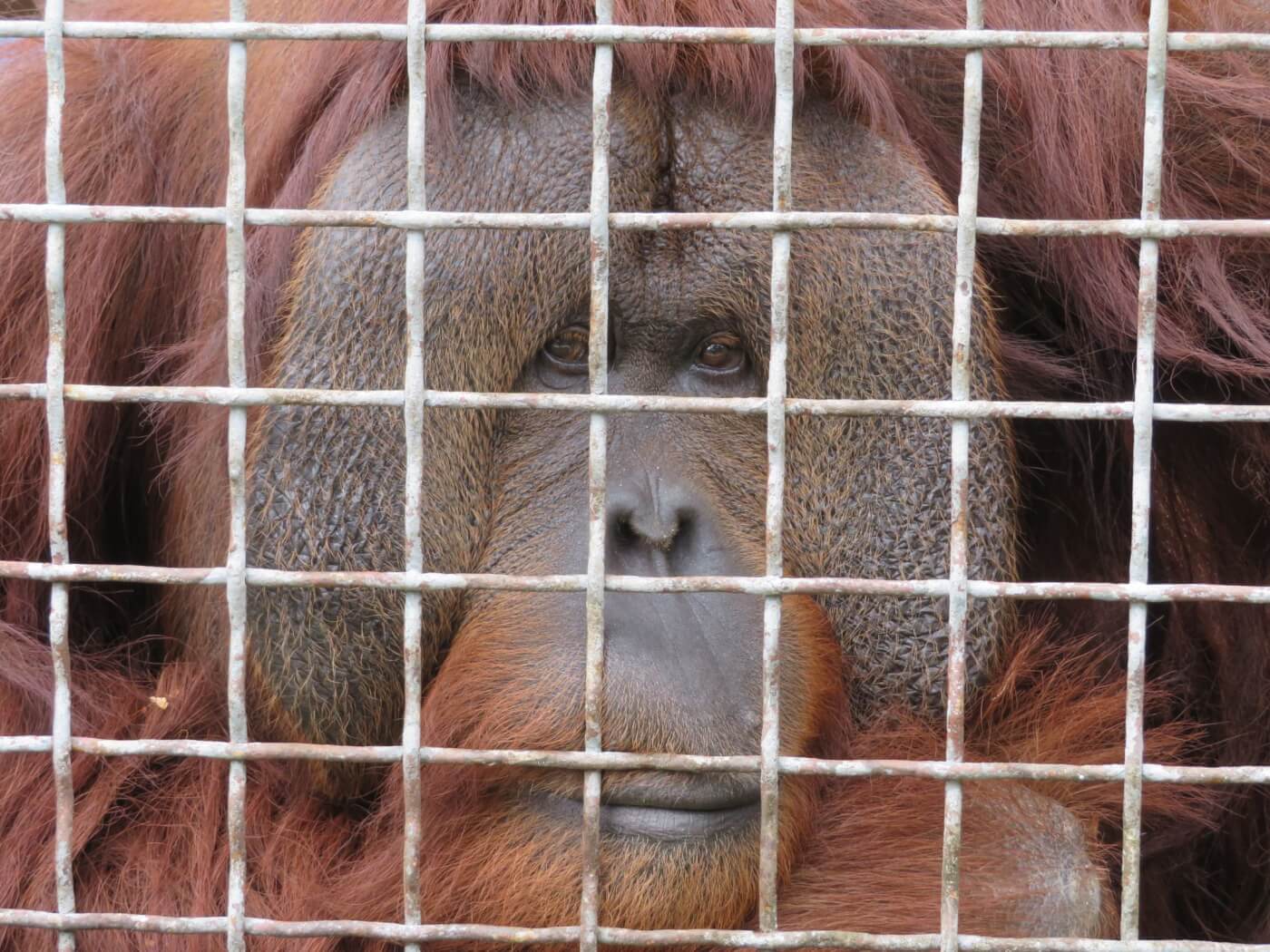
Suncoast Primate Sanctuary
Despite the name, this is a roadside menagerie with a long history of Animal Welfare Act violations. The USDA revoked its exhibitor’s license in 1999; it reopened years later under new, grander branding, and primates are still kept in rusty, dilapidated cages.
Three Bears General Store
Two Asiatic black bears are confined to a nearly barren concrete pit, with no access to their den during the day to escape public view. Nearby Gatlinburg Wildlife Encounters keeps bears in similarly appalling conditions.
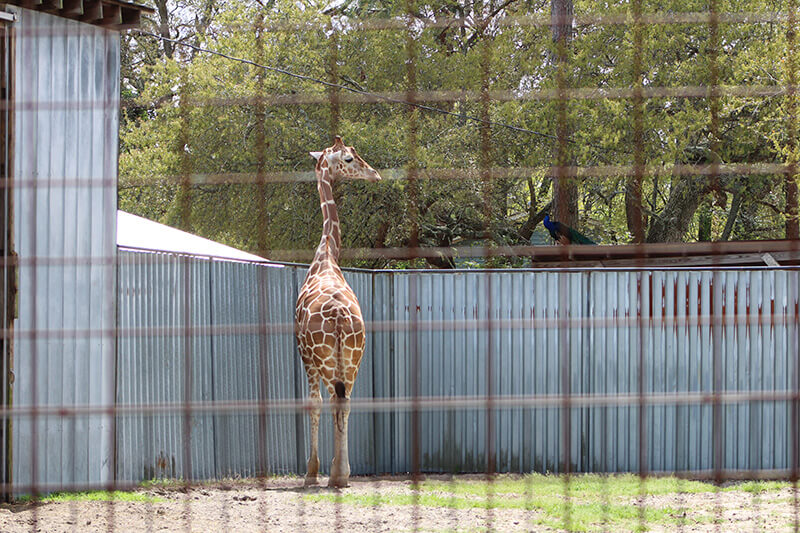
Tregembo Animal Park
Monitored by PETA for over 20 years as one of the worst roadside zoos in the country. Visitors have documented algae-filled water, filthy cages, and dead animals left on the property. A 2017 lawsuit over two bears’ treatment led to both being moved to a genuine sanctuary.
West Coast Game Park Safari
A chimpanzee named George, discarded by the entertainment industry once he grew too large to control, shares a cramped enclosure with Daphne, who has been held here for nearly half a century. A leopard named Ninja was found sucking on a raw, untreated tail wound before the USDA cited the park for inadequate veterinary care.
Delightful destinations, no cages required
You won’t take home anything but souvenirs and good memories from these stops.
GFAS-accredited sanctuaries never breed animals or use them commercially, and provide genuine lifelong care. Check ahead if you want one that offers educational tours.
The first undersea park in the U.S., protecting 178 nautical square miles of coral reef, seagrass, and mangrove. Swim with the animals in their home, on their terms.
Rescues and rehabilitates sea turtles in trouble, releasing every one it responsibly can back into the wild.