





Get Involved, Do Something. Racing Extinction & Stop Wildlife Crime. Bringing Balance to the World!
-

Can the SpaceX Playbook Actually Work for Nuclear Power?
A wave of startups founded by former SpaceX engineers wants to do for nuclear fuel what Elon Musk’s rocket company…
Don Lichterman -

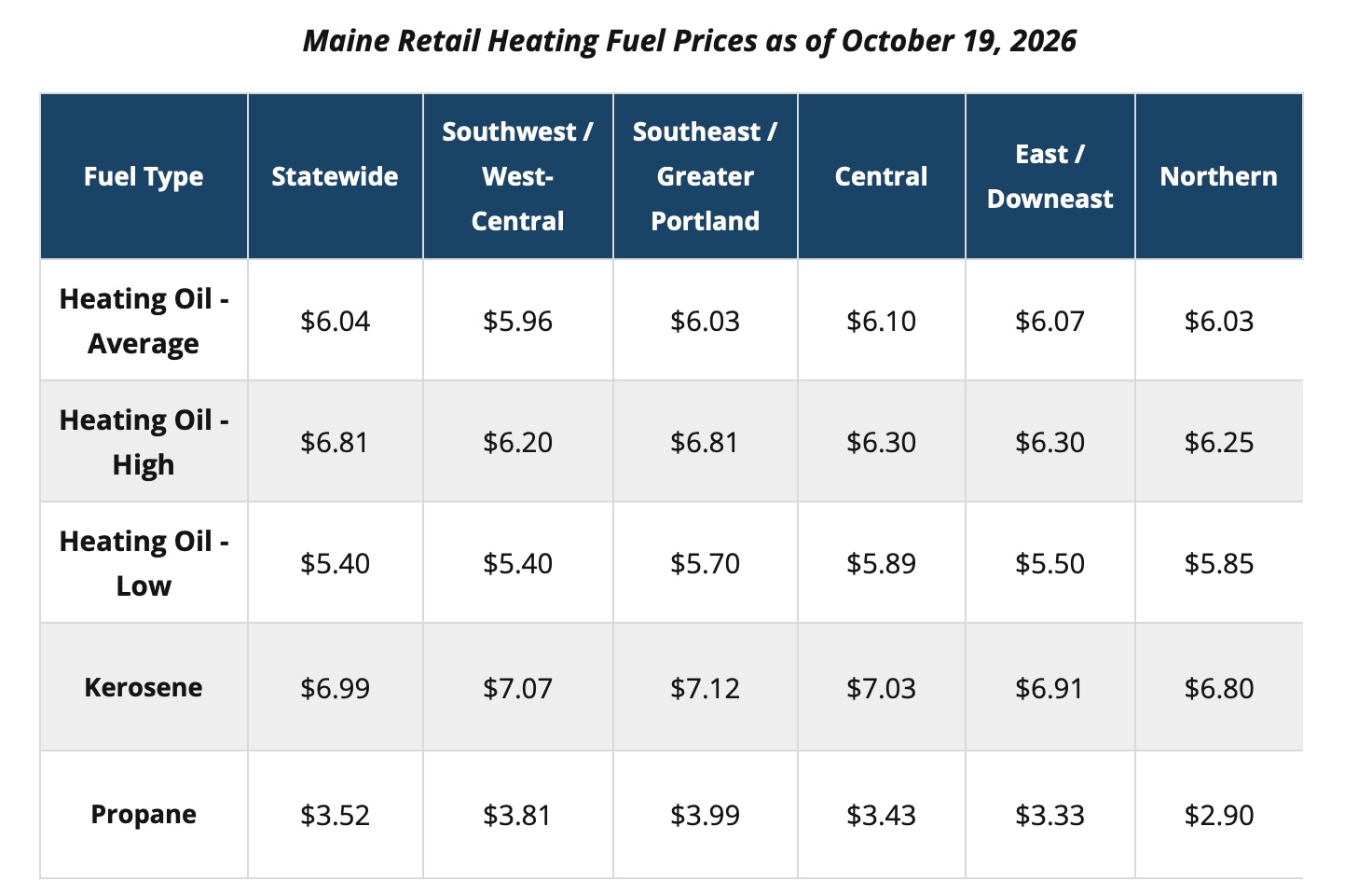
Diesel Just Hit $6.53 a Gallon, and the White House Is Backing Away From Its Own Export Ban Idea
Thirty six days before the midterms, record diesel prices have put the administration in a genuine bind: the one option…
Don Lichterman -

Seven Years, Fifteen Plaintiffs, One Trial: Canada’s First Youth Climate Case Finally Reaches Court
In late October, fifteen young Canadians who were as young as seven when they first filed suit will walk into…
Don Lichterman -

Four Death Row Cases, Four Decades of History: What’s Actually at Stake This Fall
Florida is set to carry out its 16th execution of the year on Tuesday, with two more scheduled before Halloween…
Don Lichterman -

Washington Just Cut Fuel Economy Targets Nearly in Half, Right as Gas Prices Near $4.50
The Trump administration finalized a sweeping rollback of federal fuel economy standards on Monday, trading a Biden-era target of 50.4…
Don Lichterman -

Twenty-Five Years In, the Prison Policy Initiative’s New Report Shows How Much and How Little Has Changed
When the Prison Policy Initiative launched in 2001, criminal justice reform barely registered as a political priority. A quarter century…
Don Lichterman
We Can Discover The
Wonders of Nature
Our Causes & Take Action Now!

Cotton Picking Prison Work Programs
The Cotton Picking Prison Work Program refers to the historical and ongoing practice of utilizing incarcerated laborers—predominantly in the American South—to plant, tend, and harvest cotton on state prison farms

Our Youth
Youth-led constitutional climate cases don’t all end the same way — and pretending otherwise doesn’t serve anyone. Here’s where each one actually stands.

Trophy Hunting!
Trophy hunting is the controversial practice of tracking and killing select wild game animals—often large or rare species—primarily for display, collection of body parts, and recreation

Alternatives to Testing on Animals & Wildlife
Alternatives to testing on animals and wildlife include advanced in vitro cell cultures, computer modeling, and human clinical trials, which often provide faster and more accurate data for evaluating product safety

Fighting Dogs is Illegal
Dog fighting is a felony offense in all fifty U.S. states and many countries worldwide, carrying severe legal penalties, asset forfeitures, and mandatory prison sentences due to its extreme cruelty and ties to organized crime networks.

PRIVATE PRISONS
Private prisons, like many other publicly traded companies, have their value determined by a variety of factors, with the number of occupants being a significant one.

Death Penalty Focus & Conservatives Concerned About The Death Penalty
Opponents of the death penalty argue that capital punishment violates human rights, risks executing innocent people due to irreversible judicial errors, and fails to act as an effective deterrent against violent crime.

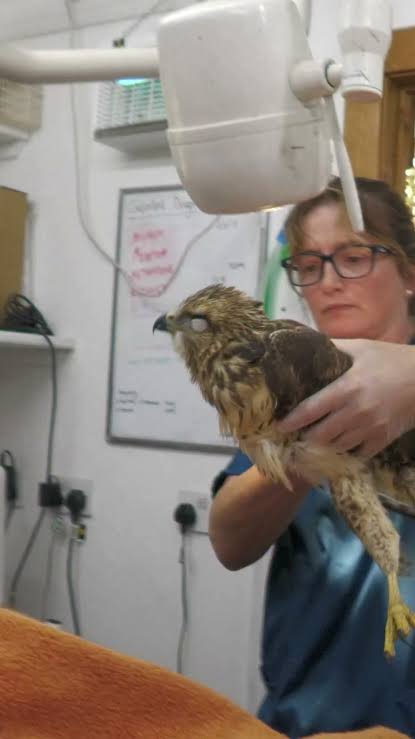
Rescue Network
Hope for Paws, Wildlife Aid, Four Paws International, Flying Fur, PETA, Moving Iants and more. Animal rescue organizations save abandoned, abused, and neglected animals from dangerous conditions, providing them with essential medical care, rehabilitation, and a safe pathway toward permanent adoption.

Dolphins in Captivity
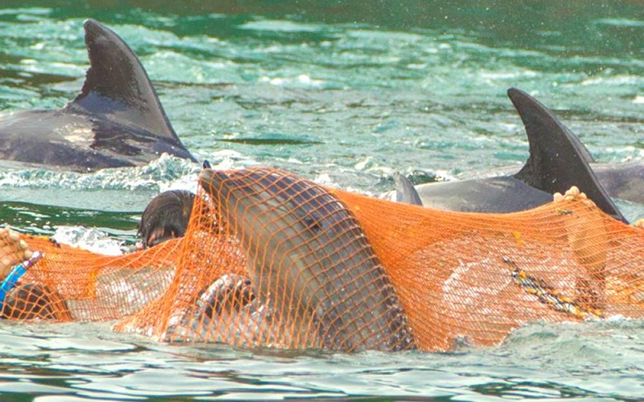
Animal rescue organizations save abandoned, abused, and neglected animals from dangerous conditions, providing them with essential medical care, rehabilitation, and a safe pathway toward permanent adoption.

Whales in Captivity
Animal rescue organizations save abandoned, abused, and neglected animals from dangerous conditions, providing them with essential medical care, rehabilitation, and a safe pathway toward permanent adoption.

The 2nd Amendment & The Mother Of All Gun Laws
The most notable federal gun legislation activity in 2004 was actually the expiration of the 1994 Federal Assault Weapons Ban, alongside the passage of the Law Enforcement Officers Safety Act (LEOSA).

White Supremacy
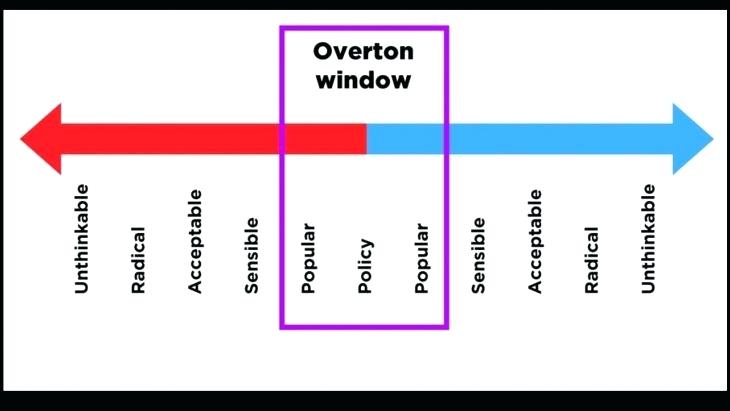
The Overton window describes the range of ideas tolerated in public discourse, and critics argue that the deliberate mainstreaming of white supremacist rhetoric has shifted this window to make previously fringe, extremist ideologies appear politically acceptable.

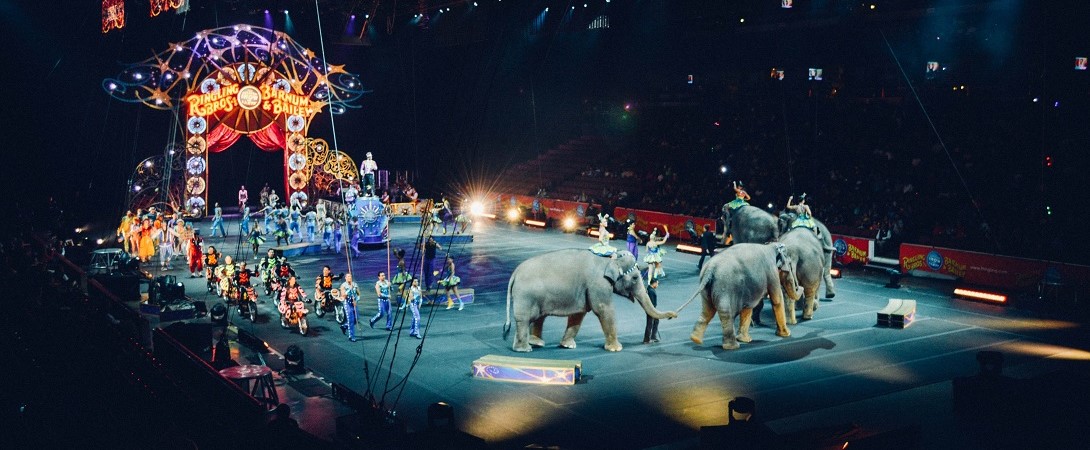
Elephants
Keeping elephants in captivity is highly controversial because the extreme confinement of artificial enclosures denies these wide-ranging animals their complex social structures, causes severe joint and foot diseases, and inflicts profound psychological trauma.

Tigers
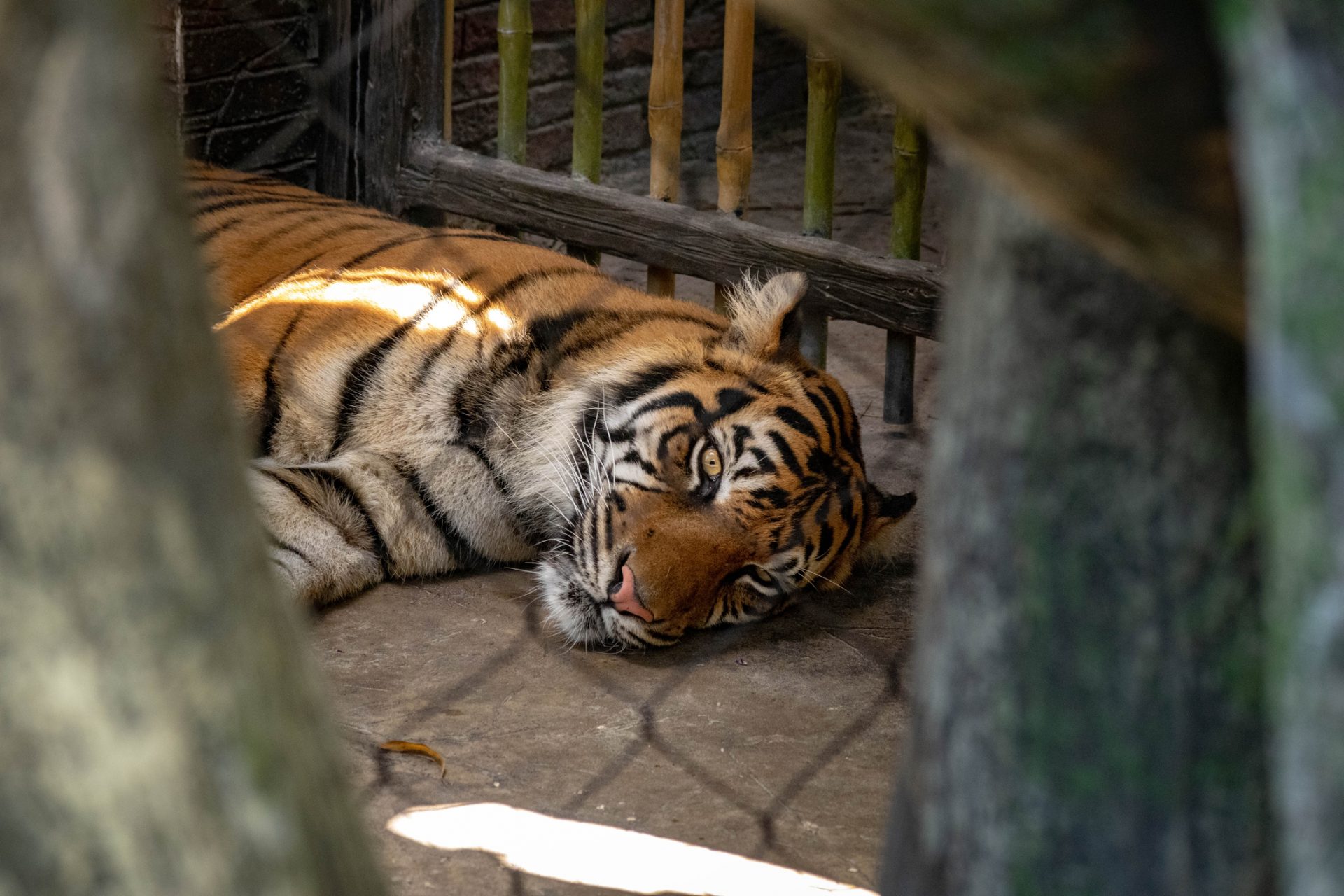
Keeping tigers in captivity is highly detrimental because artificial enclosures restrict their natural instinct to roam expansive territories, leading to severe psychological distress, stereotypical behaviors like pacing, and a complete distortion of their wild predatory nature.

Lions
Keeping tigers in captivity is highly detrimental because artificial enclosures restrict their natural instinct to roam expansive territories, leading to severe psychological distress, stereotypical behaviors like pacing, and a complete distortion of their wild predatory nature.

Bears
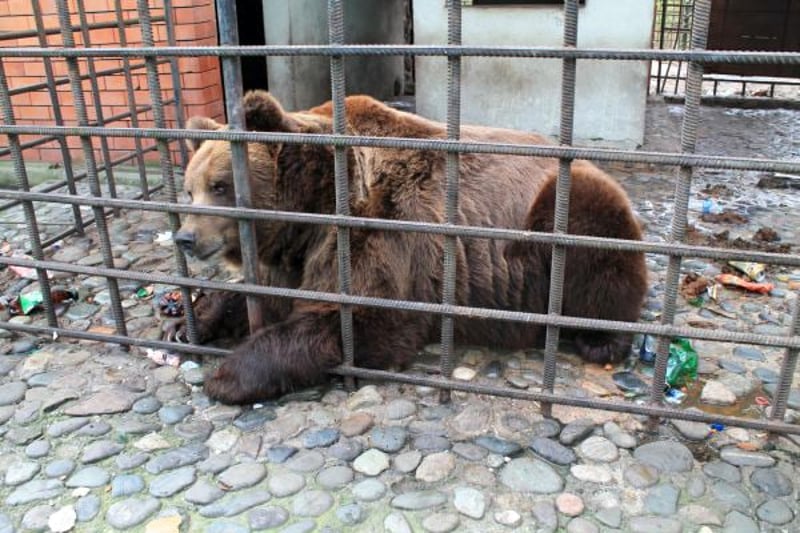
Keeping tigers in captivity is highly detrimental because artificial enclosures restrict their natural instinct to roam expansive territories, leading to severe psychological distress, stereotypical behaviors like pacing, and a complete distortion of their wild predatory nature.

Animals & Wildlife Used for Human Entertainment
Using animals and wildlife for human entertainment is profoundly unethical because it subjects sentient creatures to unnatural confinement, physical abuse, and severe psychological distress solely for commercial profit and amusement.

Zoo’s & Roadside Zoo’s
Keeping tigers in captivity is highly detrimental because artificial enclosures restrict their natural instinct to roam expansive territories, leading to severe psychological distress, stereotypical behaviors like pacing, and a complete distortion of their wild predatory nature.
The Corporation
The legal framework of corporate personhood grew out of a profound distortion of post-Civil War protections, where a constitutional amendment designed to shield newly emancipated Black citizens was weaponized by powerful business interests. Following the abolition of slavery, the federal government established institutions like the Freedmen’s Bureau and passed the 14th Amendment in 1868 to guarantee equal protection and due process to formerly enslaved Black people.
However, during the late 19th-century Gilded Age, clever corporate lawyers hijacked this civil rights amendment, arguing that a corporation was also a “person” entitled to the exact same constitutional protections.
This legal maneuvering culminated in the Supreme Court’s controversial 1886 Santa Clara County v. Southern Pacific Railroad decision, which effectively recognized corporate personhood.
By absorbing rights meant for human beings, corporations secured the constitutional shields of real citizens, but because they are artificial legal entities, they lack a human conscience—allowing them to legally prioritize profit maximization above public morals, social responsibility, or human empathy.