
11 Lions Rescued from a War Zone Finally Have a Forever Home
After surviving conflict in Sudan, two years of intensive rehabilitation in South Africa, and a historic sedation-free relocation, the pride has reached the moment everyone was working toward.
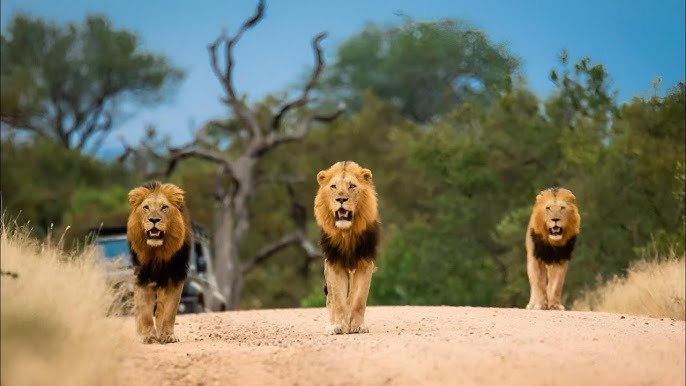
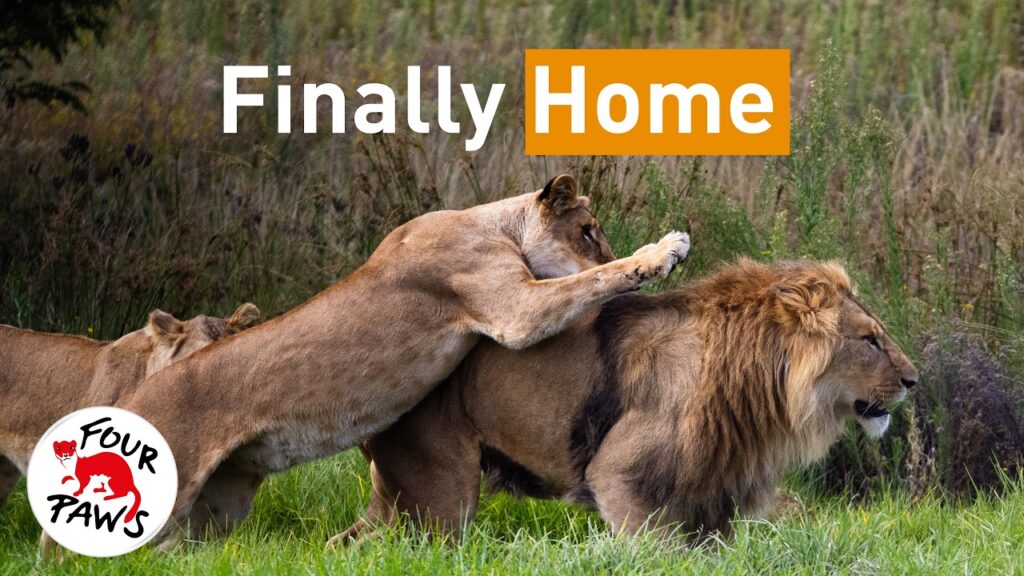
They came out one by one. The dominant male Leo first, moving slowly onto grass he had never stood on in conditions like these, ears forward, taking in the scale of a space that had no visible end. Then Sam, with his distinctively furry ears and the kind of muscular presence that reminds you exactly how large a fully grown lion actually is. Then Mina, the matriarch, moving with the deliberate attention of an animal who has been responsible for a pride through conditions that most animals would not have survived. One by one, all eleven of them stepped out of the transport crates and into permanent enclosures at LIONSROCK Big Cat Sanctuary in South Africa’s Free State, and the team that had spent more than two years preparing this moment watched it happen.
1 Where This Story Begins: Khartoum, 2023
In April 2023, armed conflict erupted in Sudan’s capital city of Khartoum between the Sudanese Armed Forces and the Rapid Support Forces, a paramilitary group that had been operating in the country for nearly a decade. The fighting was sudden, intense, and devastating in ways that extended far beyond its immediate human toll. Among the institutions caught in the middle of an active urban conflict zone was a local animal rescue center that was home to a pride of eleven lions.
The lions could not leave. They were in cages. The people who normally cared for them fled the violence, as anyone would, and the animals were left in an increasingly impossible situation: trapped in their enclosures in an active conflict zone, with no reliable access to food, with water becoming scarce, and with no mechanism for self-rescue available to them at any level. The sounds of military combat surrounded them. The supply chains that had been sustaining them collapsed. Days passed, and then weeks, and the lions inside those cages grew weaker while the war continued around them.
Conflict erupts in Khartoum
Armed conflict between Sudanese Armed Forces and RSF paramilitaries breaks out in the capital. The eleven lions at a local rescue center are trapped in their cages with no access to adequate food or water as the surrounding area becomes an active combat zone.
FOUR PAWS executes a dangerous cross-border evacuation
FOUR PAWS International coordinates a complex international rescue operation involving multiple border crossings, diplomatic negotiations, and the logistics of transporting eleven large, traumatized, severely malnourished wild animals through an active conflict zone. The rescue is completed successfully.
The pride arrives at LIONSROCK, South Africa
Eleven lions, severely weakened and psychologically traumatized, arrive at LIONSROCK Big Cat Sanctuary near Bethlehem in South Africa’s Eastern Free State. They are placed in a specialized Special Care Unit for intensive rehabilitation.
More than two years of intensive recovery
The pride spends more than two years in the Special Care Unit under the daily supervision of Chief Animal Caretaker Yolandie Smith, Sanctuary Manager Hildegard Pirker, and a team of behavioral specialists focused on physical rehabilitation, nutritional recovery, and psychological healing.
The pride is released into their permanent enclosure
All eleven lions are relocated to their permanent, species-appropriate enclosure at LIONSROCK without sedation or chemical intervention, in a move made possible entirely by the trust built between the animals and their caretakers over two years of patient, consistent work.
2 Arrival in South Africa: What Recovery Actually Looked Like
The lions that arrived at LIONSROCK in early 2024 were not the animals that stepped out onto grass in July 2026. They were emaciated. Their muscle mass had deteriorated significantly during the months of food insecurity in Sudan. Some of them were visibly traumatized in the behavioral sense that animal welfare experts recognize: hypervigilant, reactive to sudden sounds, carrying the particular wary exhaustion of animals who have been in an unpredictable and threatening environment for an extended period. Getting them from that condition to the physical and psychological state necessary for a permanent large-enclosure release was going to take time, expertise, and a specific kind of patient relationship-building that cannot be rushed.
The Special Care Unit at LIONSROCK is designed for exactly this kind of intensive recovery. It provides controlled, monitored conditions that allow veterinary teams to track each animal’s nutritional intake, physical health, and behavioral indicators of psychological wellbeing with precision that a large permanent enclosure does not permit. Over months that became more than two years, the pride rebuilt muscle mass through appropriate exercise and nutrition, learned that their immediate environment was predictably safe, and developed relationships with the people caring for them that would eventually become the foundation of the historic sedation-free relocation.
The Team That Made This Possible
Led the day-to-day care and trust-building process with the pride across more than two years of rehabilitation.
Oversaw the operational and logistical coordination of both the long-term recovery program and the final relocation.
Monitored psychological wellbeing and developed the individualized behavioral protocols that made crate training possible without coercion.
3 The Relocation: A Historic First
Moving eleven fully grown lions from one part of a sanctuary to another without chemical sedation is not a standard practice. It is, in fact, exceptionally rare. Sedation is the default management tool for large felid relocations because it removes the variable of animal behavior from an already complex logistical operation, and because an unsedated lion has the physical capacity to cause serious harm to handlers if the situation goes wrong. The fact that the LIONSROCK team was able to complete this relocation without any chemical intervention is a direct measure of the depth of the relationship the caretakers had built with this particular pride over two years of patient, consistent, positive engagement.
The crate training process that preceded the relocation followed the same fundamental approach used in any positive-reinforcement-based animal management program, adapted for the specific sensitivities of a large pride that had been through significant trauma. Crates were introduced into the lions’ familiar environment gradually, allowing the animals to investigate them at their own pace. Favored foods were used to create positive associations with entering the crates voluntarily. The doors were closed for progressively longer periods as each animal’s comfort with the process increased. Across weeks of this patient work, each of the eleven lions demonstrated the willingness to enter, remain calm inside, and exit the crates without stress indicators. On the day of the actual relocation, the process that had been rehearsed across weeks was executed for real, and it worked exactly as the training had prepared it to.
Why No Sedation Matters
Chemical sedation for large animal transport carries genuine risks: cardiovascular stress, airway management challenges, temperature regulation complications, and recovery periods that can be disorienting and distressing for the animal. A sedation-free relocation eliminates all of those risks and, crucially, preserves the trust relationship between the animal and its caretakers through what could otherwise be a deeply frightening experience. That the Sudan lions were calm enough and trusting enough to accept crate training and transport without chemical management is a direct reflection of two years of work by their care team and the quality of care they received throughout.
4 Meet the Pride
Managing a pride of eleven lions in a sanctuary context is an extraordinarily rare undertaking. Most sanctuaries that work with rescued big cats keep them in much smaller social groupings because the management complexity, space requirements, and behavioral dynamics of a full pride create challenges that require dedicated expertise and substantial resources to address safely. The fact that this pride arrived and recovered together, maintaining its social structure across more than two years in a Special Care Unit, reflects both the animals’ own social bonds and the care team’s commitment to preserving those bonds rather than fragmenting the group for management convenience.
Compact and sleek, Leo is the pride’s recognized leader. He was among the first to step out and explore the permanent enclosure.
Exceptionally large and powerful, distinguishable by his unusually furry ears. A physically striking presence in the pride.
The large, protective matriarch of the pride. Her calming, nurturing energy helped hold the group together through recovery.
A young lioness of three years who is described as shy but fiercely protective of those in her social group.
Known for her remarkably gentle and calm temperament, Caroline earned her nickname through the consistent warmth of her character.
Named for her unique spotted coat pattern that sets her visually apart from every other lion in the pride.
5 Watch: Their First Steps Into a Forever Home
We Released 11 Rescued Lions Into Their Forever Home

Click to watch the full relocation on YouTube: from crate training through the moment each lion steps out onto open ground for the first time. The team reflections at the end are worth watching in full.
The Numbers Behind This Rescue
6 What This Means for the Broader Fight
LIONSROCK Big Cat Sanctuary is home to more than 70 lions and other big cat species, most of them rescued from the full range of situations that captive big cats end up in across the world: zoos in war zones, roadside attractions, private collections, circuses, and the canned hunting industry that continues to operate in parts of southern Africa. The Sudan lions’ arrival and recovery added eleven more animals to a sanctuary that was already operating at the scale of a genuinely complex wildlife management operation, and their successful release into permanent enclosures in July 2026 represents a milestone that the entire FOUR PAWS network has been working toward since the Khartoum rescue operation began more than three years ago.
The specific significance of a sedation-free relocation for a pride of this size extends beyond what it represents for these eleven animals. It is documented evidence that the investment of time, expertise, and consistent positive relationship-building in the rehabilitation of traumatized big cats produces outcomes that are qualitatively different from what standard chemical management approaches achieve. The Sudan lions are calmer, more trusting, and better socially integrated as a pride than they would be if two years of their recovery had been managed through chemical intervention and physical restraint rather than through the kind of patient, animal-centered care that the LIONSROCK team provided. That distinction matters for how sanctuaries around the world approach the management of traumatized big cats, and FOUR PAWS has made the documentation and publication of this approach a deliberate part of the rescue’s broader impact.
At Sustainable Action Now, we follow FOUR PAWS and LIONSROCK because what they do illustrates something about the relationship between sustained institutional commitment and the outcomes it produces that no single dramatic rescue can fully convey. The cameras were there in July 2026 when the lions walked out onto the grass. The less photographed reality is the 800-plus days of daily care, daily observation, daily relationship-building, and daily decision-making about how to best serve eleven animals who had every reason to distrust the humans around them and who gradually, through the quality of the care they received, chose not to. That is what made the release possible. That is what FOUR PAWS and LIONSROCK built.
Support the Work That Made This Possible
FOUR PAWS operates sanctuaries and rescue missions across four continents. LIONSROCK’s operations are funded entirely through public donations. If this rescue moved you, the most direct way to ensure the next one is possible is to support the organization that carried it out.
Donate to FOUR PAWS