
Three Hours, No Script: Inside SafariLIVE Sunset’s Nightly Broadcast From the African Bush
Every evening, a camera crew, a game vehicle, and a ranger with a radio set out into the Sabi Sand Reserve with no idea what they’re about to find. What happens next streams live, unedited, to anyone in the world willing to tune in.
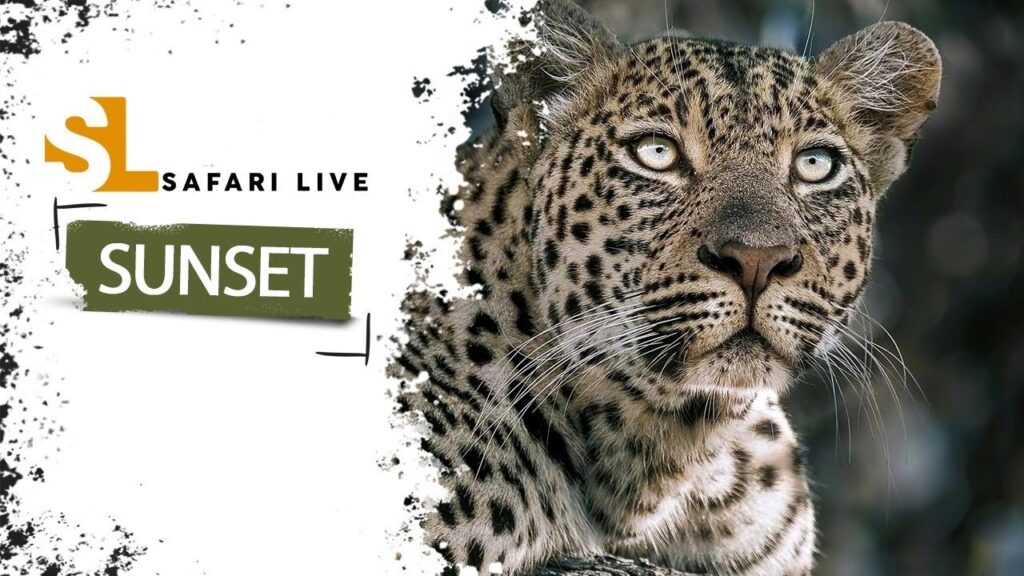
Most nature programming arrives pre-packaged. Months of footage get shaped into a forty-minute episode, built around whichever moments a producer decided were worth keeping. SafariLIVE Sunset works the opposite way. WildEarth’s ranger-guided drive rolls out live from the Sabi Sand Reserve, on the doorstep of South Africa’s Greater Kruger National Park, with nothing cut, nothing staged, and no guarantee of a tidy ending. Whatever the bush produces on a given evening is exactly what viewers see.
That unpredictability is the entire appeal. A ranger might spend forty minutes tracking fresh leopard tracks that lead nowhere, only for the drive to stumble onto a pride of lions mid-roar twenty minutes later. There is no editing room smoothing over the slow stretches, and there is no guarantee that a hunt any viewer watches unfold will actually end in a kill. It is, in the truest sense, live television, closer in spirit to a sports broadcast than a wildlife documentary.
Two Drives, Every Single Day
SafariLIVE actually runs twice daily, a sunrise drive and a sunset drive, seven days a week, without exception. The sunset broadcast tends to catch the bush at its most active, as the day’s heat breaks and predators that spent the afternoon resting begin moving again in search of a meal.
Sunset Safari
9:30 AM – 12:30 PM Eastern, 6:30 AM – 9:30 AM Pacific, 2:30 PM – 5:30 PM GMT
Sunrise Safari
12:00 AM – 3:00 AM Eastern, evening prior 9:00 PM – 12:00 AM Pacific
Each drive runs a full three hours, guided in real time by an expert ranger who knows the reserve’s resident animals, their territories, and their habits well enough to make an educated guess about where the evening’s action might unfold. Viewers aren’t passive either. Questions can be sent directly to the guide through the live chat, turning what could be a one-way broadcast into something closer to a running conversation with someone who is, at that exact moment, out in the bush.
What a Single Evening Can Hold
The titles WildEarth gives each broadcast afterward offer a useful window into just how much ground one evening can cover. The sunset drive that aired on September 17 was titled, simply, “Romance, roars, and failed hunts,” a title that packs three entirely different emotional registers into one three-hour window. Courtship behavior, the kind of pacing, posturing, and display that precedes mating among big cats, sits alongside the deep, territorial roar of a lion announcing itself to the reserve, and at least one hunting attempt that didn’t end the way the predator wanted.
September 17, 2026
The sunset drive’s own title captures exactly the kind of range a single evening on the reserve can produce: tender behavior, territorial display, and a hunt that came up empty, three moments that would never fit into a single scripted episode but unfold naturally across one live broadcast.
That range is fairly typical, not an exception. Browse through recent broadcast titles and the pattern holds: one evening built around a pack of wild dogs on the move, another centered on a sleeping leopard doing nothing much at all for long stretches, another catching a cheetah’s distinctive chirping call. Some nights deliver a dramatic kill. Others deliver forty-five minutes of an elephant herd quietly grazing. Both are equally real, and SafariLIVE doesn’t sand down the quiet nights to make every broadcast feel equally eventful.
A Cast That Never Repeats a Script
The animals featured across these broadcasts read like a checklist of the reserve’s most recognizable residents: leopards, lions, elephants, rhinos, African wild dogs, hyenas, and buffalo all make regular appearances, alongside smaller and less famous species that a scripted wildlife documentary might never bother to feature at all. Because the drives are genuinely unplanned, a broadcast is just as likely to spend real time on a dung beetle or a chameleon as it is on a lion, depending entirely on what the ranger happens to find interesting enough to stop for.
Why this format has staying power: a pre-edited documentary can only show a version of nature curated for drama. A live, unscripted broadcast has to show all of it, the slow stretches included, which paradoxically makes the dramatic moments land harder when they do arrive, since viewers know nothing was staged or guaranteed in advance.
For anyone who has never tuned in, the appeal is easy enough to explain and hard to fully convey secondhand. It is the difference between reading a summary of a football game and watching it live, uncertain of the outcome, aware that anything could happen in the next five minutes. SafariLIVE Sunset runs that same experiment every single evening, with a pride of lions or a herd of elephants standing in for the players, and an audience anywhere in the world able to watch it unfold in real time.
New sunset and sunrise drives stream live every day of the year, with the full archive available to revisit anytime.
Watch and explore the full broadcast schedule on the SafariLIVE Sunset page.
Watch on WildEarth
The primary home for both drives, with an ad-free tier and the full show archive.
Visit WildEarthWatch on YouTube
The same live broadcast, with the ability to ask the rangers questions directly in chat.
Watch on YouTubeWatch on TV
Also available on DStv, Freeview, Roku, and Samsung TV Plus for big-screen viewing.
See viewing options