

Silken Tofu Explained: How to Blend, Season, and Cook With the Creamiest Tofu
A plain language guide to what makes silken tofu different, which kind to buy, and eight plant-based recipes worth trying, from mousse to mac and cheese.
| Recipes Sustainable Action Now | Plant-Based Kitchen | Silken Tofu Guide |
Few ingredients are as misunderstood in the plant-based kitchen as silken tofu. Cooks who treat it like the firm, sliceable blocks in the same refrigerator case often end up with a pan of crumbled mush, and then decide the ingredient is not for them. The truth is simpler. Silken tofu is not a weaker version of regular tofu but a different food with a different job, and once you understand that job, it becomes one of the most useful tools for making dishes creamy without dairy. This guide, drawn from the explanation shared by the recipe site Food with Feeling, walks through how silken tofu is made, how it differs from firm tofu, the kinds you will find at the store, and how to cook with it, with a set of recipes to put it to work. It belongs in our plant-based recipes collection as an everyday kitchen reference.
What Makes Silken Tofu Different
Silken tofu is a soft, custardy tofu with a smooth texture that is often compared to pudding. The difference starts in the way it is made. With regular tofu, the soy milk is curdled and the liquid is pressed out. With silken tofu, that pressing step is skipped, and the soy milk sets directly in its final container. As a result, silken tofu keeps far more water, which makes it very delicate and explains why it blends into a completely smooth consistency. In effect, the same property that makes it fall apart in a hot pan is what makes it so valuable in a blender.
The guide offers a simple rule of thumb for choosing between the two. When the goal is crispy, reach for extra firm or super firm tofu, which has been pressed and will hold its shape when pan fried, baked, or cooked in an air fryer. When the goal is creamy, reach for silken. The guide is blunt about the main pitfall, which is that silken tofu falls apart in a skillet, so it should not be used where a recipe calls for frying cubes. Used for the right purpose, though, it blends into something silky that can stand in for cream, cheese sauce, or custard in many dishes.
| The simple rule: crispy calls for extra firm or super firm tofu, and creamy calls for silken. |
Choosing the Right Kind
Silken tofu comes in a few forms, and the choice depends on how you shop and cook. Refrigerated silken tofu is packed in water and sold near the other tofu in the grocery store, and it is the version the guide’s author uses in most recipes. Shelf stable silken tofu is sold in aseptic boxes, often in the international aisle, and it is a convenient pantry item to keep on hand for quick meals. Within either type, you may also see soft, firm, and extra firm silken tofu. All of them are still silken tofu, simply with slightly less water as the firmness increases. Soft is the creamiest and works best when blending, while firm silken is a good fit for dips and scrambles.
How to Cook With It
The method is refreshingly simple. Silken tofu should not be pressed, because pressing is meant for firmer blocks. Instead, drain the liquid from the package and blend the tofu in a blender or food processor until it is completely smooth, with no grainy bits left. Because silken tofu is mild on its own, the guide recommends seasoning boldly, and it points to ingredients such as lemon, garlic, nutritional yeast, and spices to do most of the flavor work. When the blended tofu is going into a hot sauce, add it at the end and warm it through gently rather than boiling it hard.
| Silken vs. Firm Tofu at a Glance | ||
| Silken tofu | Firm, extra firm, super firm | |
| How it is made | Sets in its final container, not pressed | Curdled and pressed |
| Water content | Higher | Lower |
| Best for | Blending into creamy sauces, dips, and desserts | Pan frying, baking, and air frying |
| In a hot skillet | Falls apart | Holds its shape |
Eight Silken Tofu Recipes to Try
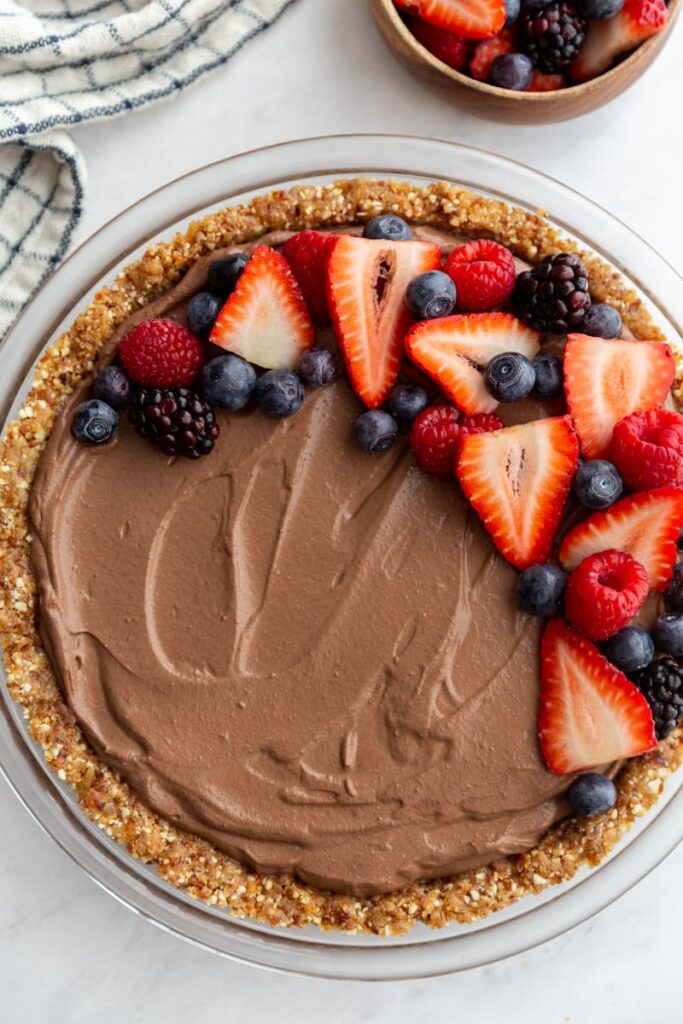
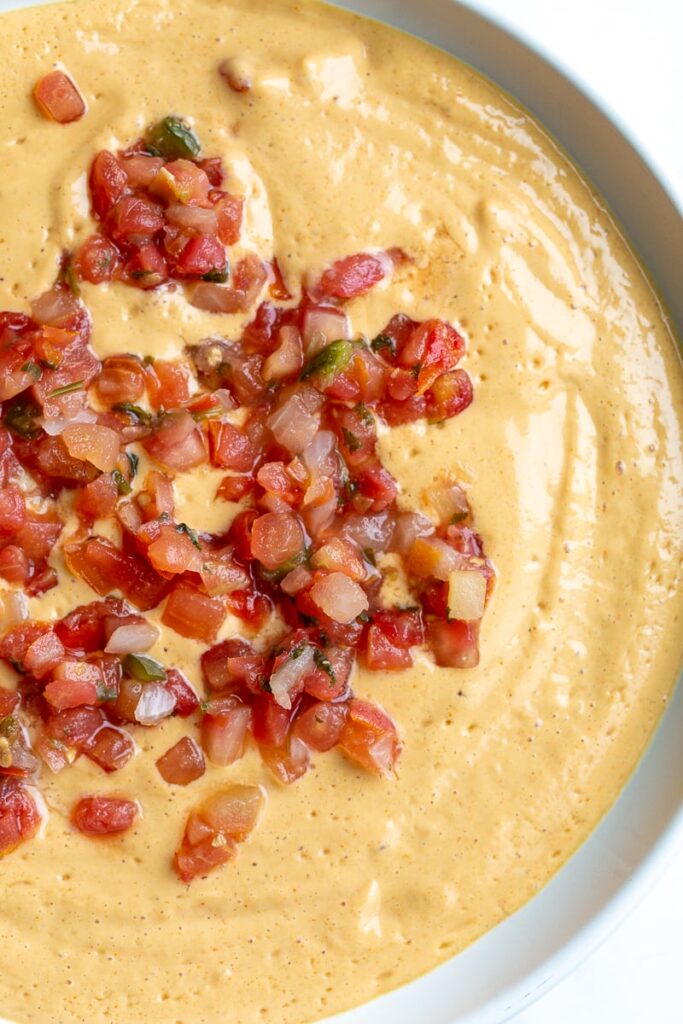
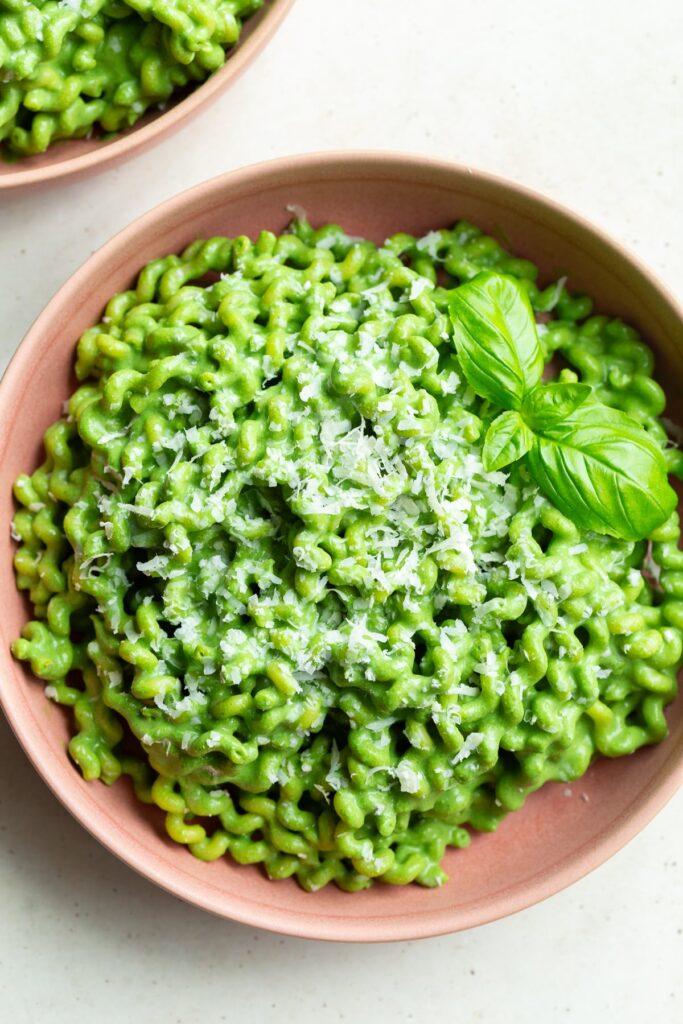
Food with Feeling pairs the guide with a list of recipes that show how far the ingredient can go. On the sweet side, there are a vegan chocolate mousse and a no-bake vegan mousse pie. For savory sauces, the collection includes a tofu pasta sauce that the site says adds a boost of protein, a creamy vegan Alfredo, and a tofu mac and cheese. A vegan tofu queso turns the blended tofu into a party dip, and a version of marry me butter beans uses a silken tofu sauce. For holiday tables, there is also a vegan holiday roast. Quantities, steps, and timing for each dish are on the recipe pages, and the original easy silken tofu recipe roundup is where this guide began.
For anyone building a more plant-forward kitchen, silken tofu offers a low effort way to make familiar comfort foods without dairy, and it rewards a little knowledge. Know which block you are holding, blend it until smooth, season with confidence, and warm it gently. Those four habits cover most of what a home cook needs to know.
| Editor’s note: The guidance and recipes described here come from Food with Feeling, and recipe details are theirs, so please follow their pages for ingredients and methods. Tofu is made from soy, so anyone with a soy allergy or dietary restriction should check labels and consult a qualified professional. This article is for general information only and is not nutrition or medical advice. Explore New Jersey and Sustainable Action Now do not endorse any brand or product. |
| Keep cooking plant-forward. Browse more in our recipes section, and for more ideas from our sister coverage, explore activities and fun across New Jersey. |