

Across the Mediterranean, some of the most memorable foods are not built around complicated techniques, expensive ingredients, or excessive preparation. They come from a different philosophy, one centered on respecting the land, using seasonal ingredients, and transforming simple crops into dishes that have been shared for generations.
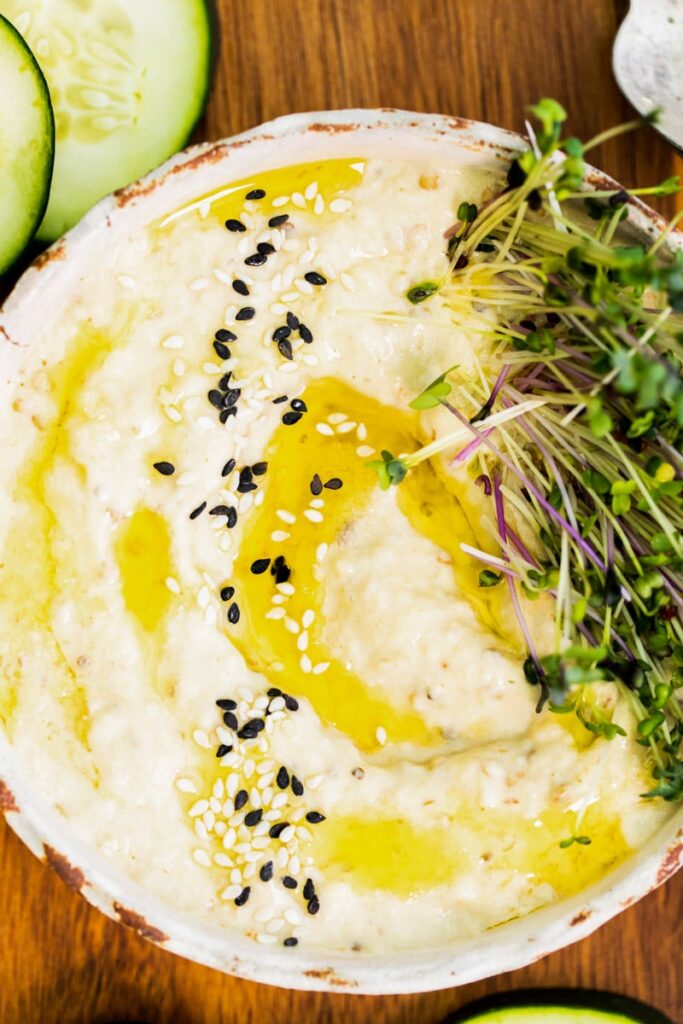
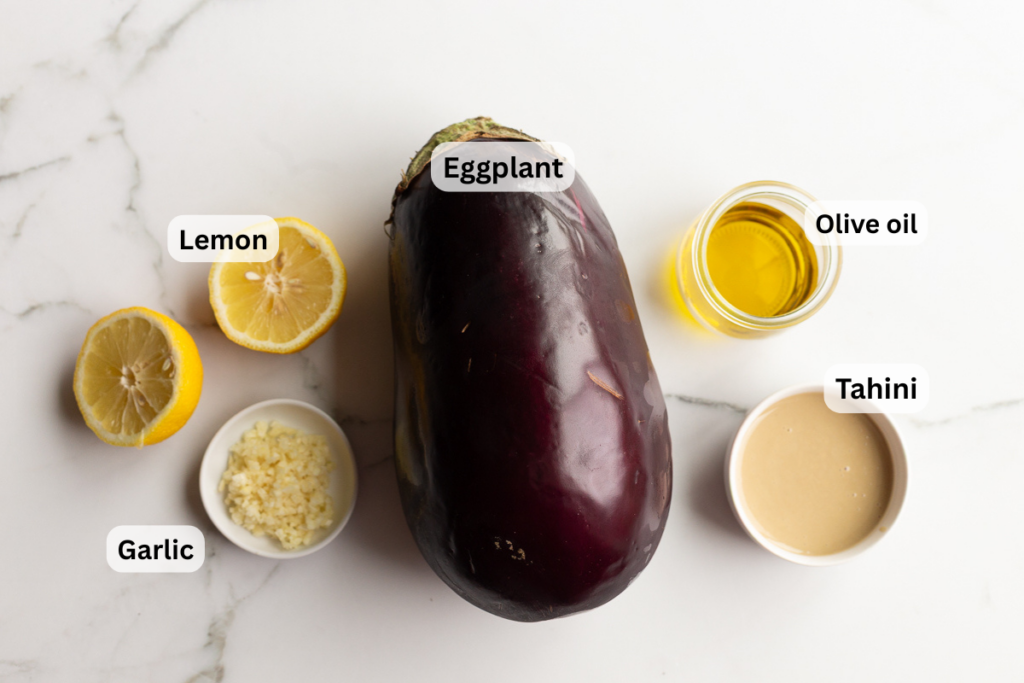
Baba ganoush represents that tradition perfectly. At its heart, this beloved Mediterranean dish is a celebration of one humble vegetable, the eggplant. With nothing more than roasted eggplant, tahini, olive oil, lemon, garlic, and seasoning, a basic garden ingredient becomes a creamy, flavorful dish that can be served as an appetizer, a spread, a side dish, or a centerpiece of a plant based meal.
For Sustainable Action Now, recipes like baba ganoush tell a much larger story. Sustainable cooking is not only about what we avoid, but also about what we embrace. It is about choosing ingredients that have been cultivated for centuries, reducing unnecessary waste, supporting plant forward diets, and understanding how traditional food cultures often created environmentally conscious meals long before sustainability became a modern movement.
Eggplant is a remarkable example of a crop that connects agriculture, nutrition, and culinary history. It grows in warm climates, thrives in diverse conditions, and has become an important ingredient across cultures throughout the world. From Mediterranean villages to Middle Eastern kitchens, eggplant has provided communities with an affordable and versatile food source that can be roasted, grilled, baked, stuffed, preserved, and transformed into countless dishes.
Baba ganoush begins with the simple act of roasting. This process changes everything. Heat breaks down the structure of the eggplant, creating a naturally soft interior while developing deeper flavors. The roasting process brings out subtle sweetness, adds a smoky character, and creates the smooth texture that defines the finished dish.
The result is a recipe that proves sustainable food does not have to mean sacrificing flavor. In fact, many of the world’s most enduring dishes were created around efficiency, using local ingredients and maximizing every element available.
The Foundation of Baba Ganoush: Understanding the Ingredients
Every ingredient in baba ganoush serves an important purpose. The recipe succeeds because each component contributes a specific flavor, texture, or nutritional benefit.
Eggplant serves as the foundation. When roasted until completely tender, the flesh becomes soft enough to blend into a silky dip while maintaining the earthy character that makes the vegetable unique. Selecting a fresh, firm eggplant is important because younger eggplants generally provide a milder flavor and smoother result.
Olive oil adds richness and helps create the luxurious texture associated with Mediterranean cuisine. Beyond its role in the recipe, olive oil has been a cornerstone of traditional diets throughout the region for thousands of years.
Tahini, made from ground sesame seeds, provides the nutty depth that separates baba ganoush from many other vegetable based dips. Its creamy consistency balances the roasted eggplant and gives the dish a satisfying richness without relying on dairy products.
Fresh lemon juice brings brightness and balance. The acidity cuts through the richness of the tahini and olive oil while highlighting the natural flavors of the roasted vegetable.
Garlic adds complexity and character. A small amount creates a noticeable savory foundation, while the intensity can be adjusted depending on personal preference.
Together, these ingredients create a recipe that is naturally vegan, vegetarian friendly, and adaptable for many different dietary preferences.
Why Roasting Is the Secret to Exceptional Baba Ganoush
The most important step in preparing baba ganoush is giving the eggplant enough time to roast properly.
An undercooked eggplant will produce a thinner texture and lack the deep flavor that makes this dish memorable. The goal is to allow the vegetable to collapse completely, becoming soft enough that the flesh can be easily removed and blended.
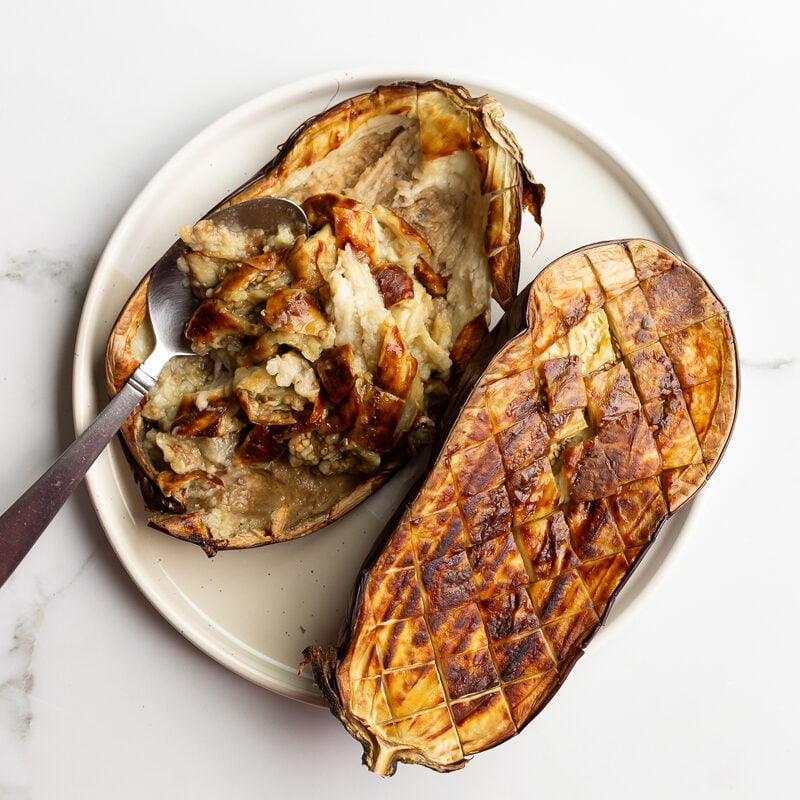
To prepare the eggplant, begin by heating the oven to 400 degrees Fahrenheit. Slice one large eggplant lengthwise and lightly coat the cut surface with olive oil. Place the halves cut side down on a lined baking sheet and roast until the interior becomes completely tender, usually around 40 minutes.
Once removed from the oven, allow the eggplant to cool enough to handle safely. Scoop out the soft interior while leaving the outer skin behind. The roasted flesh can then be combined with the remaining ingredients.
For the smoothest texture, allowing excess moisture to drain before blending can make a significant difference. Eggplant naturally contains a large amount of water, and removing some of that moisture helps create a richer, more concentrated dip.
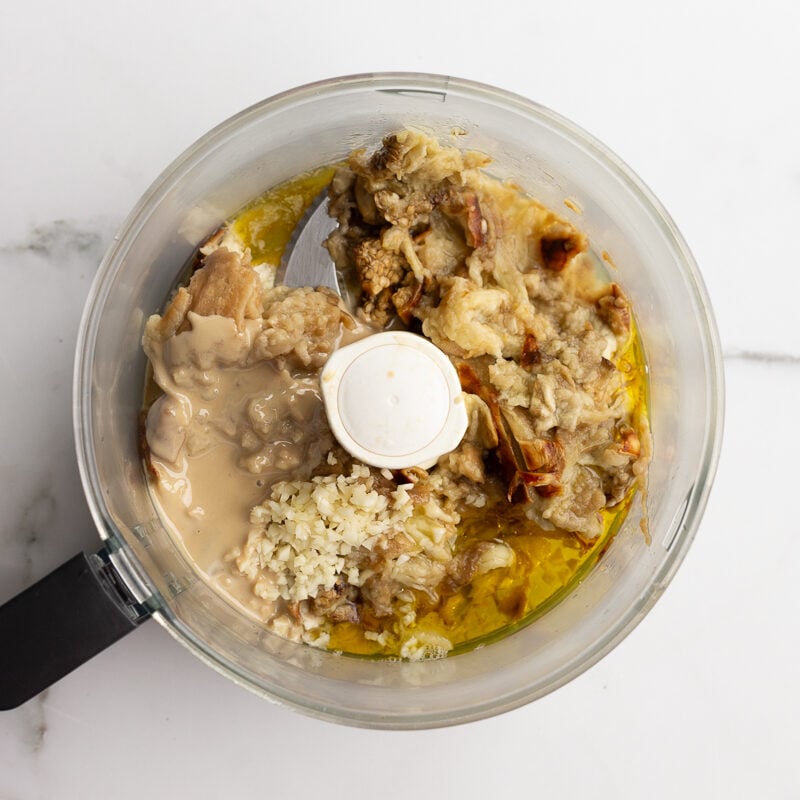
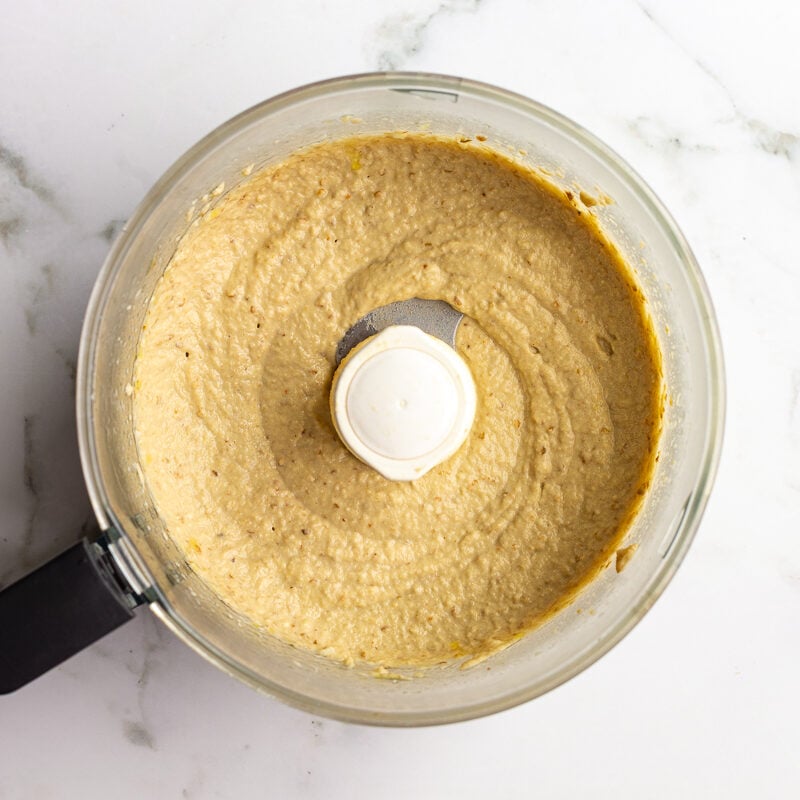
The roasted eggplant is then blended with olive oil, tahini, lemon juice, and garlic until the mixture reaches the desired consistency. Some people prefer a completely smooth dip, while others enjoy a slightly rustic texture with more visible pieces of roasted eggplant.
A Sustainable Recipe Built Around Less Waste
One of the reasons traditional recipes like baba ganoush remain relevant today is their connection to resourcefulness. Historically, many cultures developed dishes that made the most of locally available crops and avoided unnecessary waste.
Eggplant is particularly well suited for this approach. A single vegetable can create a generous amount of food, and the finished dip can be enjoyed in multiple ways throughout the week.
Baba ganoush can become part of a larger meal with fresh vegetables, pita bread, salads, grains, or roasted vegetables. It can also replace less sustainable processed spreads while providing a nutrient rich alternative made from recognizable ingredients.
Sustainable cooking is often less about discovering something completely new and more about rediscovering practices that have existed for generations.
Serving Ideas for Modern Kitchens
Baba ganoush is traditionally served as part of a Mediterranean spread, but its versatility makes it ideal for modern meals.
Serve it as a dip alongside fresh vegetables such as carrots, cucumbers, and peppers. Pair it with warm pita bread for a classic presentation. Use it as a spread on sandwiches and wraps for added flavor and creaminess.
It can also become part of a larger plant based meal alongside roasted vegetables, grains, salads, and legumes.
Because the flavors continue developing after preparation, baba ganoush is an excellent make ahead dish for gatherings, family meals, and weekly meal preparation.
Baba ganoush and hummus are often placed side by side because both represent some of the most recognizable foods from the Mediterranean and Middle Eastern culinary traditions. They share a similar role at the table, both are creamy, plant based, and commonly served with fresh vegetables, breads, and other small plates, but their foundations are completely different.
Hummus is traditionally built around chickpeas, creating a dense and protein rich spread with a hearty texture. Baba ganoush takes a different path, using roasted eggplant as its primary ingredient. That difference gives baba ganoush a lighter texture, a deeper roasted flavor, and a subtle smokiness that comes from the transformation of the eggplant during cooking.
Both dishes represent an important lesson in sustainable food culture. They demonstrate that satisfying, flavorful meals do not require large amounts of animal products or heavily processed ingredients. Instead, they rely on vegetables, legumes, seeds, herbs, and traditional preparation techniques that have supported communities for centuries.
The Importance of Choosing Quality Eggplant
Because eggplant is the centerpiece of baba ganoush, choosing the right vegetable has a major impact on the final result.
A good eggplant should feel firm but not hard, have smooth skin, and appear heavy for its size. Fresh eggplant generally contains a sweeter, cleaner flavor, while older vegetables can sometimes develop stronger bitterness.
Seasonality also matters. When vegetables are grown during their natural growing season and sourced locally when possible, they often require fewer resources to reach consumers while delivering better flavor.
The idea behind sustainable cooking is not perfection. It is awareness. Understanding where ingredients come from, how they are grown, and how they are used allows home cooks to make choices that benefit both their kitchens and the environment.
A Recipe Designed for Flexibility
One of the strengths of baba ganoush is its ability to adapt.
The traditional foundation remains consistent, roasted eggplant combined with tahini, olive oil, lemon, and garlic, but home cooks can adjust the balance depending on personal taste.
Those who enjoy a stronger smoky flavor can prepare the eggplant over a grill, allowing the skin to develop additional char before removing the inside flesh.
Those who prefer a milder flavor can reduce the amount of garlic or allow the finished dip to rest before serving, giving the ingredients time to blend together.
Additional garnishes can also personalize the dish. A drizzle of olive oil, sesame seeds, fresh herbs, or a touch of smoked seasoning can add another layer of flavor and presentation.
The beauty of traditional recipes is that they provide a foundation while leaving room for individual creativity.
How to Prepare Baba Ganoush at Home
Making baba ganoush begins by roasting the eggplant until the flesh becomes completely soft.
Preheat an oven to 400 degrees Fahrenheit and prepare a baking sheet. Slice one large eggplant lengthwise into two halves. Lightly coat the cut side with olive oil and place the pieces cut side down on the baking surface.
Allow the eggplant to roast for approximately 40 minutes, or until the interior is extremely tender and easily pierced with a fork. This step creates the creamy consistency that defines the dish.
After roasting, let the eggplant cool slightly. Remove the soft interior flesh with a spoon and transfer it to a food processor.
Add tahini, additional olive oil, fresh lemon juice, minced garlic, salt, and pepper. Blend until the mixture becomes smooth and creamy. The texture can be adjusted depending on preference, from completely silky to slightly rustic.
Taste before serving and adjust the seasoning as needed. Additional lemon can brighten the flavor, while more garlic can create a stronger savory profile.
The finished baba ganoush can be served immediately or refrigerated for later use.
Sustainable Meal Planning With Baba Ganoush
A major advantage of recipes like baba ganoush is that they fit naturally into sustainable meal planning.
A single batch can serve multiple purposes throughout the week. It works as an appetizer when entertaining guests, a quick snack during busy days, a sandwich spread, or a complement to a larger vegetable focused meal.
Reducing food waste begins with making ingredients more versatile. Instead of viewing vegetables as a single purpose item, sustainable cooking looks for ways to maximize their value.
Eggplant that becomes baba ganoush represents this philosophy perfectly. A simple vegetable is transformed into a dish that can be enjoyed across multiple meals.
Nutrition and the Benefits of Plant Based Cooking
Baba ganoush is an example of how plant based recipes can deliver both flavor and nutritional value.
Eggplant provides dietary fiber and important plant compounds. Tahini contributes healthy fats and minerals from sesame seeds, while olive oil has long been associated with Mediterranean dietary patterns.
The recipe is naturally vegan and vegetarian, making it accessible for people following different eating styles. It is also naturally free from gluten when prepared with appropriate serving choices.
More importantly, it represents a broader movement toward eating patterns that emphasize whole foods rather than highly processed alternatives.
Storage and Preparation Tips
Baba ganoush is an excellent make ahead recipe because the flavors often become even more balanced after resting.
Store leftovers in an airtight container in the refrigerator. The dip can generally remain fresh for several days when properly stored.
Before serving again, allow it to sit briefly at room temperature and stir well. A small drizzle of olive oil can restore some of the fresh texture and presentation.
For the best flavor, fresh lemon juice and quality tahini make a noticeable difference. Since the recipe contains only a handful of ingredients, each component has an important role.
Frequently Asked Questions About Baba Ganoush
Can baba ganoush be made without a food processor?
Yes. While a food processor creates a smooth consistency, traditional preparations often use simple tools such as a fork or spoon. A hand mixed version creates a more rustic texture while maintaining the same roasted eggplant flavor.
Why does baba ganoush sometimes become watery?
Eggplant naturally contains a significant amount of moisture. Allowing the roasted flesh to drain briefly before blending helps create a thicker, creamier final product.
Can baba ganoush be frozen?
Fresh preparation generally provides the best texture, but baba ganoush can be frozen. After thawing, stirring well and adjusting the seasoning can help restore its consistency.
How can the smoky flavor be increased?
Grilling the eggplant instead of roasting it in the oven can create a deeper smoky character. The additional char adds complexity and a more traditional fire roasted flavor.
Baba Ganoush Recipe
Ingredients
1 large eggplant
1/3 cup plus 1 tablespoon olive oil, divided
1/4 cup tahini
Juice of 1 fresh lemon, approximately 1/4 cup
3 garlic cloves, minced
Salt and pepper to taste
This Baba Ganoush is a light, creamy dip made from smoky roasted eggplant, tahini, lemon juice, and garlic. It comes together easily in a food processor and is just as good scooped up with pita as it is spread on a sandwich. Naturally vegan and gluten-free, it’s an easy make-ahead appetizer for a party or a simple weeknight snack.
Ingredients
- 1 large eggplant
- ¼ cup + 1 tablespoon of olive oil divided
- ¼ cup tahini
- 1 lemon juiced (about 1/4 cup)
- 3 cloves garlic minced
- Salt and pepper to taste
Instructions
- Preheat the oven to 400ºF. Line a medium baking sheet with parchment paper.
- Cut the eggplant in half from top to bottom and then rub the inside with 1 tablespoon of olive oil. Place the 2 halves, cut side down, on the prepared baking sheet and bake until they are fork tender– about 40 minutes.
- Remove from the oven and allow the eggplant to cool until you can handle them. Remove the flesh using a spoon and transfer it to the bowl of a food processor.
- Add the remaining ⅓ cup olive oil, tahini, lemon juice, and garlic. Pulse until the mixture is well combined– about 15 seconds. Season with salt and pepper and enjoy.
- Store any leftovers in the fridge in an airtight container for up to 3 days.
Notes
For a smoky flavor, grill the eggplants instead of baking them. Garnish with smoked paprika or sesame seeds if desired.
Storage – Store in an airtight container in the fridge for up to 7 days.
Nutrition
Calories: 248kcal | Carbohydrates: 13g | Protein: 4g | Fat: 22g | Saturated Fat: 3g | Polyunsaturated Fat: 5g | Monounsaturated Fat: 13g | Sodium: 9mg | Potassium: 377mg | Fiber: 5g | Sugar: 5g | Vitamin A: 43IU | Vitamin C: 18mg | Calcium: 43mg | Iron: 1mg
The Baba Ganoush (Roasted Eggplant Dip) is a Food with Feeling Recipe.
Final Thoughts: A Simple Recipe With a Larger Meaning
Baba ganoush is more than a dip. It is a reminder that some of the world’s most enduring foods were created through simplicity, creativity, and respect for available resources.
Long before modern conversations about sustainability, traditional food cultures understood the value of seasonal ingredients, plant based meals, and reducing waste. They created recipes that were affordable, nutritious, adaptable, and deeply connected to the land.
Today, baba ganoush continues that tradition. It brings together agriculture, history, nutrition, and environmental awareness in one simple dish.
A single eggplant, transformed through heat and combined with a few carefully chosen ingredients, becomes a recipe that represents something much bigger: the idea that sustainable living can begin with the everyday choices we make in our own kitchens.