

Memphis’s Native Plant Palooza Plants Seeds of Fun, and a Quiet Warning
Beneath the plant tables, the animal ambassadors, and the free admission at Lichterman Nature Center’s biggest event of the summer sat a more urgent message: the Mid-South’s insects, and everything that depends on them, are running out of native plants to call home.

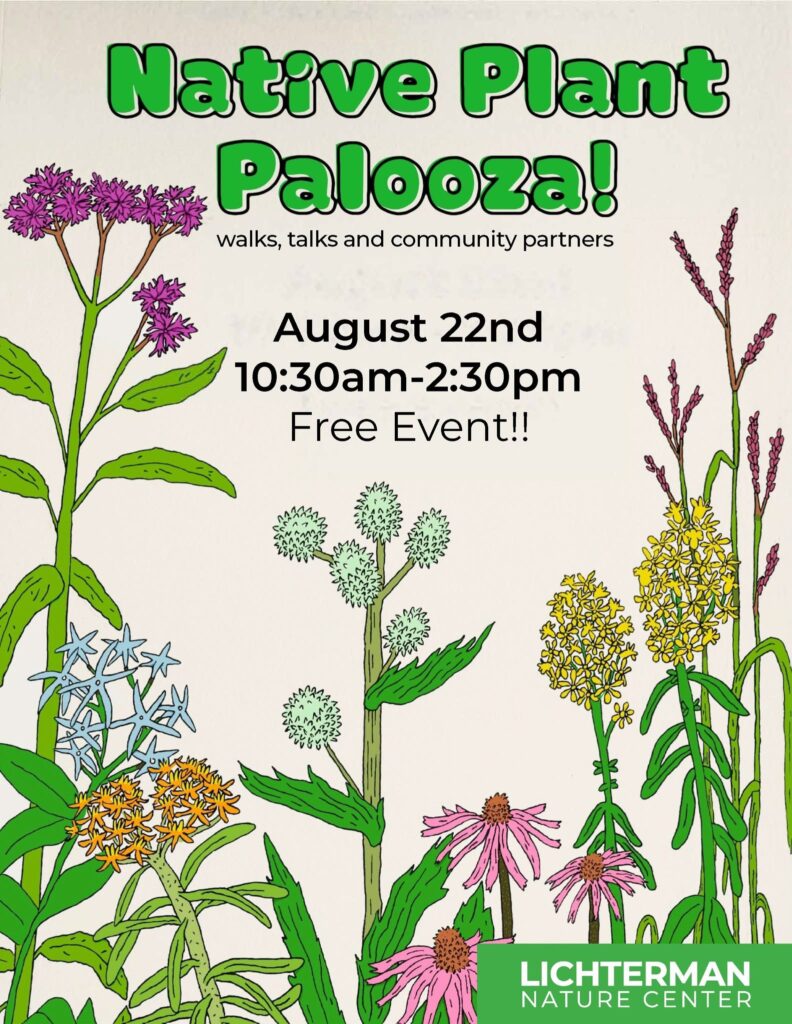
On the surface, the Native Plant Palooza looks like exactly what its name promises, a lively Saturday of plant shopping, hands on lessons, and a chance to wander the trails of one of Memphis’s most beloved green spaces. This year’s event, held on August 22 at Lichterman Nature Center, drew the usual crowd of home gardeners, first time plant buyers, and families looking for a free way to spend a summer morning outdoors. But organizers used the gathering for something more pointed than a plant sale. They used it to sound an alarm about how much of the region’s natural food web has already quietly disappeared.
That warning came directly from the people who tend Lichterman’s own 65 acre grounds. Jessie Munson, the center’s plant activities coordinator, has spent recent seasons explaining a problem that many home gardeners never think to ask about: whether the ornamental plants filling suburban yards actually support anything beyond themselves. According to Munson, the honest answer for most non-native ornamentals is no. Imported shrubs and flowers bred purely for color or shape rarely produce the specific pollen, nectar, or leaf chemistry that local insects evolved to rely on, which means a yard full of them can look lush while still functioning as something close to ecological empty space.
That gap matters far beyond the insects themselves. A landscape that cannot support caterpillars and native pollinators cannot support the birds that feed on them, and the disruption moves steadily up the food chain from there. It is a slow, largely invisible kind of decline, the sort that does not announce itself the way a flood or a wildfire does, which is exactly why organizers built an entire event around making it visible and, more importantly, fixable in a single Saturday.
The fix Lichterman offers is refreshingly direct. Rather than simply telling visitors to plant native, the center sells the plants themselves, propagated and harvested straight from its own grounds. That gives shoppers a rare guarantee that what they are buying is not just labeled native but genuinely sourced from the regional ecosystem it is meant to support, something that is often difficult to confirm at a typical big box garden center.
More Than a Plant Sale
Beyond the plant tables, the day was built around learning by doing. Visitors moved between the Discovery Forest and the Backyard Wildlife Center, where live animal ambassadors gave families a close up look at some of the very species that depend on the habitat the event was promoting. A rotating series of short seminars ran throughout the day, each one aimed at turning a passive love of nature into something visitors could actually put into practice at home.
- SeminarForaging 101, an introduction to identifying edible native plants safely and responsibly.
- SeminarPlanting Natives for Wildlife, focused on species selection that supports birds and pollinators.
- SeminarManaging Native Tree Canopies, covering long term care for established native trees.
Local conservation groups and independent growers filled out the rest of the grounds, offering one on one gardening consultations and handing out native seed packets to anyone willing to try a small backyard experiment of their own. That kind of grassroots participation is part of what has made the event grow steadily rather than remain a niche gathering for dedicated gardeners. A family that comes for the free animal exhibits often leaves with a flat of milkweed and a new reason to think about what is actually growing in their yard.
Why native matters for a yard, not just a forest: a single native oak can support hundreds of species of caterpillars, while many common ornamental trees support only a handful or none at all. Multiply that difference across a neighborhood of yards, and the choice of what gets planted stops being a purely aesthetic one.
What makes the Native Plant Palooza worth paying attention to beyond Memphis is how replicable the model is. It does not require a large budget or a rare species collection, only a nature center willing to propagate what already grows on its own land and a staff willing to explain, patiently and repeatedly, why the plant choices in an ordinary backyard carry more ecological weight than most homeowners realize. For a region trying to hold onto its remaining biodiversity one yard at a time, that combination of a fun Saturday and a clear, actionable warning may be doing more good than either piece could manage on its own.
Local nature centers like Lichterman are where small, individual choices start adding up to real ecological change.
Follow more coverage from the Sustainable Action Now Lichterman Nature Center section.