

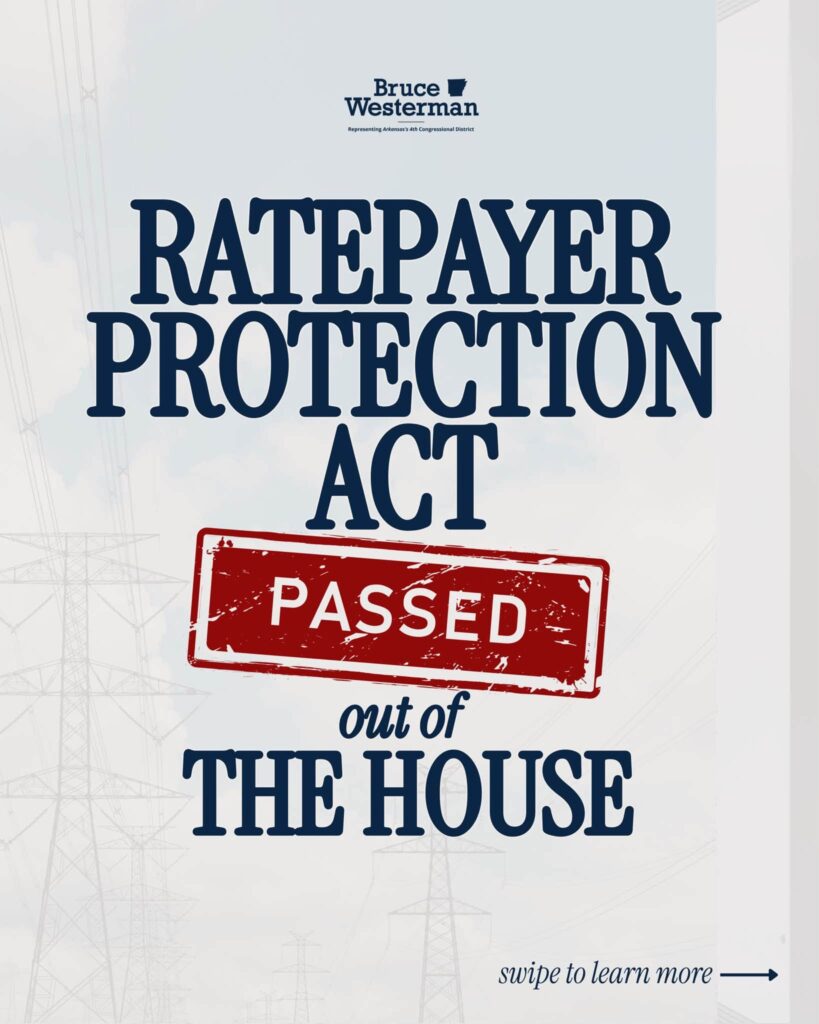
The House Just Did Something Nearly Unanimous, and It’s About Your Electric Bill
Four hundred seventeen votes for. Three against. In a Congress that rarely agrees on what day it is, lawmakers from both parties just told data centers to start paying their own way, and they did it with six weeks left before voters decide who keeps their seat.
Congress agreed on something. Almost unanimously.
On Wednesday, the House passed the Ratepayer Protection Act by a vote of 417 to 3. For context, that’s the kind of margin usually reserved for renaming post offices, not for a bill touching AI, energy prices, and the single issue that’s been quietly terrifying vulnerable House Republicans all year.
It comes at the end of weeks of internal Republican hand wringing that we’ve covered here before. Committee leadership wanted a careful, bipartisan fix. Vulnerable members wanted something, anything, on the record before they went home to campaign. This week, both got what they wanted.
What the Bill Actually Does
Strip away the politics and the mechanics are fairly straightforward. The bill targets large data centers, specifically ones pulling at least 100 megawatts of power at a single site. It directs state utility regulators to consider adopting rate structures that make those facilities cover the full cost of any grid upgrades their presence requires. Not the neighbors. Not the general ratepayer base. The data center itself.
Here’s the catch, and it’s a real one. The bill doesn’t force states to do anything. It requires them to hold a hearing on the idea within two years of enactment. That’s it. Supporters call it a meaningful nudge toward accountability. Critics call it toothless. Both descriptions are accurate, which tells you something about how this bill managed to get 417 votes in the first place.
Who Voted No, and Why It Matters
Three lawmakers voted against it. All three were progressive Democrats, not skeptical Republicans. Reps. Rashida Tlaib, Summer Lee, and Delia Ramirez argued the bill simply doesn’t go far enough. Tlaib was blunt about it beforehand, saying the strongest action Congress could actually take was a full moratorium on new data centers, along with a ban on building them on federal land.
That’s a meaningfully different position from “this bill is bad.” It’s “this bill is too small.” Most Democrats agreed with that critique in substance and voted for the bill anyway, on the theory that an imperfect step now beats no step at all six weeks before an election where affordability is the top issue on voters’ minds.
Why Nearly Everyone Voted Yes
A visible, bipartisan response to voter anger over utility bills, passed fast enough to actually campaign on before November.
Why Three Voted No
The bill only encourages states to act, doesn’t touch federal cost allocation, and stops well short of a moratorium some progressives wanted.
Why the Number on the Bill Barely Matters Without This One
Understanding why this passed requires understanding just how bad the underlying numbers have gotten. National electricity prices are up roughly 27 percent since 2019, already outpacing general inflation. In places where data centers have clustered hardest, the increases are sharper still. Virginia utility bills climbed 13 percent in a single year. Illinois saw 16 percent. Ohio, 12 percent. In some high-concentration areas, local power capacity demand has spiked more than 1,000 percent.
Poll after poll has shown a majority of Americans, in one recent survey nearly two out of three, actively oppose new data centers being built anywhere near their communities. That’s not a fringe position anymore. That’s most people. And most people vote.
Worth watching locally: a New Jersey data center reportedly spilled thousands of gallons of fuel oil earlier this year, a reminder that the backlash against these facilities isn’t only about electric bills. Water use, land use, and industrial accidents are all part of why opposition has spread well beyond the communities directly hosting a facility.
The Senate Is a Different Story
Passing the House is the easy part these days. The bill now heads to the Senate, where Ohio Republican Jon Husted has sponsored a companion version, but Majority Leader John Thune has been candid that moving it before the midterms would require unanimous consent from all one hundred senators just to bypass the normal procedural clock. That is a genuinely high bar, and it means this bill’s fate before November is far less certain than the lopsided House vote might suggest.
North Carolina Senate candidate Michael Whatley, for his part, has tried to stake out a firmer version of the same idea on the campaign trail, arguing data centers should cover every dime of grid costs with zero subsidies and no special deals. Whether that translates into Senate votes is a separate question entirely from whether it plays well in a stump speech.
A win, with an asterisk.
Republicans get to tell voters they did something before heading home to campaign. Democrats get to say they pushed for more and got outvoted by their own caucus, three to the rest. Data centers get a mild, delayed nudge toward paying their share, with no actual mandate attached. Everyone involved can describe this vote as a victory, which is usually a sign that the hardest questions, who actually pays for the AI boom’s power demands, and how fast, are still sitting exactly where they were before Wednesday’s vote.
The Senate’s next move on this bill will say a lot about how seriously Washington takes affordability heading into November.
Follow more coverage in the Sustainable Action Now politics section.