
Animal Welfare · Law and Culture
John Mulaney’s SNL Musical Sendoff to Central Park Carriage Horses Lands as New York Phases Out the Industry by 2028
A nearly nine minute Broadway style sketch turned the city’s decision to end horse-drawn carriages into the punchline. Behind the comedy is a law passed by a 40 to 7 vote, a death that prompted it, and an unresolved fight over drivers’ livelihoods and legal challenges.
A joke about a ban became the most watched explanation of it.
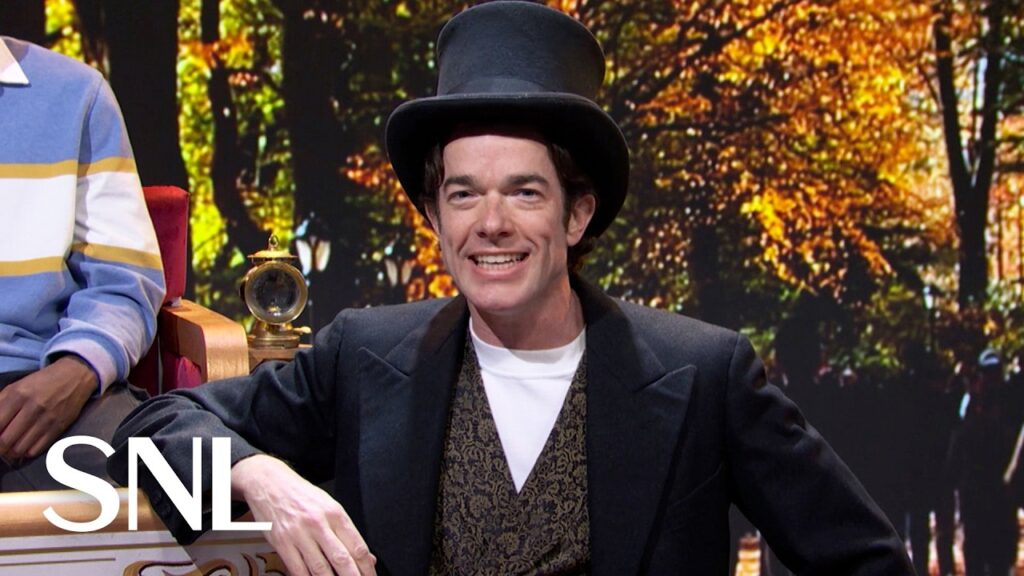
John Mulaney has turned New York City annoyances into musicals on Saturday Night Live for years, from a diner lobster to airport sushi, and on November 14, 2026 he took on one of the city’s oldest sights. His sketch, titled “Central Park Horse and Carriage Ride,” runs close to nine minutes and satirizes New York’s recent vote to phase out horse-drawn carriages. Mulaney plays a top hatted driver on one of his last rides, escorting two tourists from New Jersey through the park, and the sketch quickly drew well over a million views on the show’s YouTube channel. The laughs come from the cast and the songs, but the subject is a serious one that animal welfare advocates, city officials and carriage drivers have argued about for nearly two decades. For more reporting on law, policy and the people affected by it, visit the Sustainable Action Now justice and policy coverage.
Video courtesy of Saturday Night Live on YouTube.
The Sketch
The premise is simple. Mulaney’s driver laments that the city is banning the carriages, in his words, for no reason at all except animal cruelty and human murders, then welcomes his passengers, played by Marcello Hernandez and Kam Patterson, to what he calls the little park of horrors. A horse puppet pulls the carriage while a parade of New Yorkers breaks into song. Sarah Sherman, Grace Reiter and Saidah Belo-Osagie play the park’s wildlife in a take on Little Shop of Horrors. Veronika Slowikowska appears as a straggling runner still finishing the New York City Marathon, with a Streisand style number, and Mulaney squares off with a rival pedicab driver, played by Tommy Brennan, in an Annie Get Your Gun style duet about who can hit more pedestrians. James Austin Johnson appears as a wealthy New Yorker whose song concerns Mayor Zohran Mamdani, and Bowen Yang closes the sketch in a Mary Todd Lincoln costume, a nod to his Broadway run in Oh, Mary, warning the tourists about the traffic back to New Jersey. Ashley Padilla also turns up as her recurring character Kathy. Reviewers called it an unusually strong outing in a show that has treated its Mulaney musicals as events.
“We just want to travel at the speed of walking but the entire time smell horse poop.”
The Law Behind the Joke
The sketch refers to Romanch’s Law, which the New York City Council passed on October 22, 2026 by a vote of 40 to 7, with two abstentions. It phases out horse-drawn carriages in Central Park and on city streets by June 1, 2028. The law is named for Romanch Mahajan, an 18 year old tourist who died in June after a runaway carriage incident in Central Park, and the Central Park Conservancy has said his death was the ninth carriage related incident in just over a year. Council Speaker Julie Menin, who is the first sitting speaker to support a ban, said the tragedy made clear that the status quo is no longer acceptable. The Council first introduced legislation to ban carriages in 2007, and former Mayor Eric Adams called for a ban in 2025 before Mayor Zohran Mamdani took office and backed this one. Carriage rides have operated in Central Park since 1858.
The law also includes provisions for the people and animals affected. The city must develop a transition program for more than 150 active carriage drivers and other workers, including job training, career counseling and employment referrals, although financial compensation is not guaranteed. The bill protects retired carriage horses from being sold for slaughter and lets owners keep their animals, and the animal rights organization PETA has pledged 50,000 dollars to help horses retire. An effort to delay the phaseout to January 2030 failed before the vote.
The Other Side of the Debate
The ban is not universally welcomed. The Transport Workers Union, which represents drivers, opposes it, accused the Speaker of not adequately consulting drivers and has threatened to challenge the law in federal court and seek a temporary restraining order. Drivers and some supporters of the industry argue that the horses are well cared for, that carriages are part of the city’s heritage and that the livelihoods of working families are at stake. President Trump criticized the decision on social media, writing that it was sad that for political reasons the carriages would go. Animal welfare advocates counter that horses do not belong pulling tourists through crowded streets and traffic, a position that animal protection organizations have held for years and that the Council’s vote now reflects in law.
Arguments for the ban
Horses face traffic, noise and heat in a dense city.
Nine carriage related incidents in about a year, including a fatal one.
Electric alternatives and a transition program for workers.
Arguments against
Carriages are part of New York’s history and tourism.
Drivers worry about income, with no guaranteed compensation.
The union has threatened court action to stop the law.
What Happens Next
Watch for any lawsuit from the drivers’ union, the details of the city’s worker transition program, plans for placing or retiring the horses, and how the city enforces the phaseout between now and June 2028. Until then, the rides continue to operate, and the sketch is a reminder that the story is still unfolding.
Why a Comedy Sketch Matters
Satire has a long history of shaping how the public thinks about civic decisions, and a sketch that reaches millions of viewers can introduce a policy debate to people who would never read a City Council press release. In this case the comedy does not hide the premise: the driver jokes that the city is acting because of cruelty and deaths, a line that matches the stated reasons the Council gave. For readers who care about animal welfare, the broadcast offers a moment of public attention at the point when the law is on the books but not yet in effect.
- 1858Horse-drawn carriage rides begin in Central Park.
- 2007The City Council first introduces legislation to ban carriages.
- September 2025Mayor Eric Adams calls on the Council to pass a ban.
- June 2026Romanch Mahajan dies after a runaway carriage incident in Central Park.
- October 22, 2026The Council passes Romanch’s Law, 40 to 7.
- November 14, 2026John Mulaney’s carriage sketch airs on Saturday Night Live.
- June 1, 2028The phaseout deadline.