
Wildlife · Live Broadcast
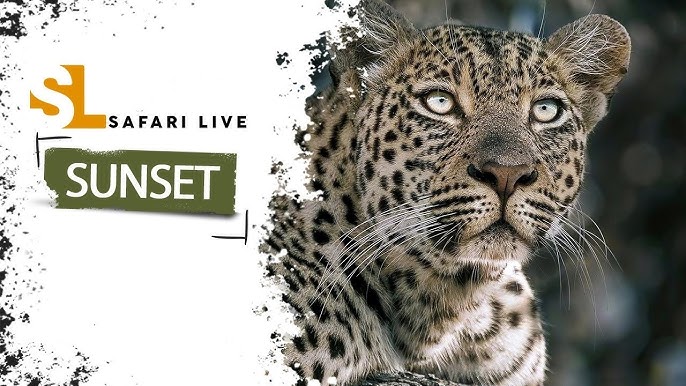
SafariLIVE Sunset on November 20, 2026: How WildEarth Brings a Live African Game Drive to Your Screen
Twice a day, a team of guides drives through the South African bush on camera with no script and no guarantee of what appears. The Friday sunset drive is listed as airing live today.
Nobody knows what the bush will offer until the vehicle gets there.
The SafariLIVE Sunset broadcast for Friday, November 20, 2026 is listed as airing live today. SafariLIVE is the flagship program of WildEarth, a wildlife broadcaster that streams guided game drives from South African reserves to viewers around the world. The schedule for the past two days also lists the Sunrise drive on November 20 under the title “Complicated cats,” the Sunset drive on November 19 as “Cats, chaos and a couple of cute cubs,” and the Sunrise drive on November 19 as “Unofficial big birding day.” The titles are all the listing provides. Descriptions of what was actually seen on those drives were not available in the material reviewed for this article, so none are offered here.
What SafariLIVE Is
WildEarth was founded in 2006 by Emily and Graham Wallington and is described as a British and South African broadcasting and conservation company based at Djuma Game Reserve, part of the Sabi Sand Game Reserve in South Africa. Its best known product is a pair of live drives each day, one at sunrise and one at sunset, each lasting roughly three hours. Trained guides, referred to on the show as naturalists, drive viewers through the landscape, explain what is in front of the camera and answer questions, while a camera operator films the animals and plants along the route. Broadcasts have come from several locations over the years, including Sabi Sand, Ngala, Phinda, the Maasai Mara in Kenya and the Pridelands Conservancy.
The program describes itself as unscripted and unpredictable, which is the central difference between a live drive and a produced nature documentary. A producer cannot promise a lion, a leopard or a rare bird on any given afternoon. Some drives are quiet and spend their time on smaller subjects such as plants, insects and birds, while others stumble into an active sighting that the crew follows in real time. Episode titles like the ones on this week’s listing reflect that range, from a day devoted to birds to a drive that the title suggests was busy with big cats.
When the Sunset Drive Starts
Start times shift with the seasons because the drives follow the light. In a post, WildEarth said that from November 1 it would move to a schedule that places SafariLIVE Sunrise at 05:00 and SafariLIVE Sunset at 16:00 Central Africa Time, along with other programs during the day. Central Africa Time is two hours ahead of Coordinated Universal Time, which puts a 16:00 start at 9:00 a.m. Eastern Standard Time, 6:00 a.m. Pacific Standard Time and 14:00 in London. Older guides on the web list earlier times, such as 15:30 for sunset, so viewers should confirm the current start on the broadcaster’s own channel before planning around it. The drives are streamed on the WildEarth YouTube channel, and past drives are generally available for replay for anyone in a time zone where the live hours are inconvenient.
Completely unscripted and unpredictable. Authentic and real.
Where the Cameras Go
Much of the broadcasting is based in the Sabi Sand Game Reserve, a protected area of about 150,000 acres that shares a boundary with Kruger National Park. The reserve is known for strong sightings of the Big Five, which are the elephant, rhino, Cape buffalo, lion and leopard. Rhinos shown on the Sabi Sand drives are reportedly limited to dehorned animals, a protective measure used in parts of South Africa because of poaching. The broadcaster uses safari vehicles, drones and remote cameras in addition to guides on the ground, so the picture can switch between a close view of an animal and a wide view of the landscape.
For wildlife enthusiasts, the appeal is partly educational. Guides name the species, explain behavior and point out details a casual visitor might miss, and viewers can send in questions during the drive. WildEarth also reported record viewership in November 2025, which suggests a growing audience for live wildlife programming. Like any broadcast of wild animals, though, it shows what the bush offers on a particular day, and no episode should be read as a complete picture of the health or numbers of any population.
How to Watch a Live Drive
Open the WildEarth channel on YouTube a few minutes before the listed start, check the posted time for the day, and join the live chat if you have a question for the guide. If the hour does not suit you, watch the replay afterward. Drives can run long or short depending on what the crew finds, so treat the three hour length as an average and not a fixed schedule.
Why Live Wildlife Viewing Matters
Watching animals on a screen is no substitute for protecting the places they live, but live programs like this one give people a connection to wildlife that many will never experience in person. Interest in a species or a landscape often comes before concern for it. For more on the animals, habitats and conservation stories that Sustainable Action Now covers, follow the latest reporting on SafariLIVE Sunset and related wildlife coverage on this site.