
There are moments in animal rescue that remind us why compassion remains one of the most powerful forces in the world. Not because of dramatic headlines or viral videos, but because ordinary people decide they cannot walk away when they see an animal in need.
For every rescue story that ends with a happy tail wag, a warm bed, and a second chance, there is usually a chain of people whose actions made that outcome possible. Someone noticed. Someone cared. Someone picked up the phone. Someone chose not to ignore suffering.
One recent rescue serves as a powerful reminder that saving lives is rarely the work of a single person. It is often the result of a community coming together around a shared belief that every animal deserves safety, dignity, and love.
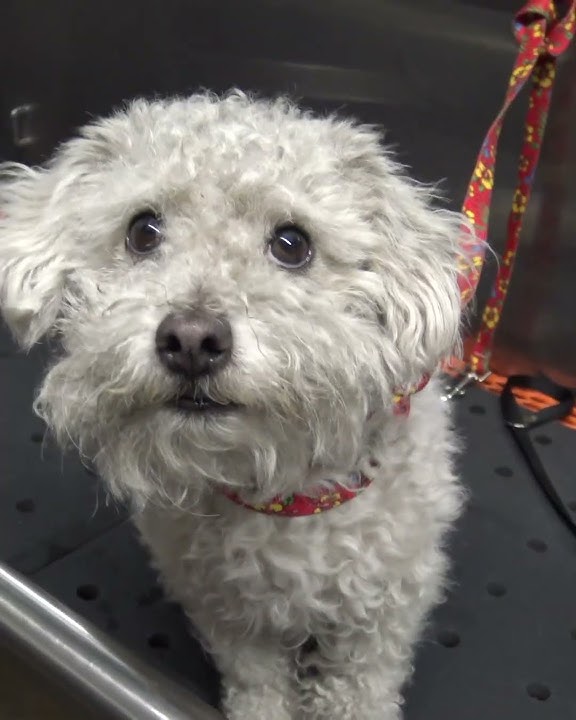
The story began when two young women, longtime supporters of animal rescue efforts, encountered a dog living in difficult circumstances. Like so many homeless animals struggling to survive on city streets, he had become nearly invisible to most of the world. Day after day, he faced uncertainty, danger, hunger, exposure to the elements, and the countless threats that come with living without protection or care.
Yet on that day, someone saw him.
Not as a nuisance. Not as a problem. Not as another stray animal to pass by.
They saw a life worth saving.
Instead of simply hoping someone else would intervene, they took action. They reached out for help and became active participants in the rescue effort itself. What followed was not only a successful rescue operation but a powerful example of how ordinary people can directly impact the lives of vulnerable animals when they choose involvement over indifference.
Animal rescue organizations often receive credit for successful outcomes, and rightly so. Rescue teams spend countless hours responding to emergency calls, navigating difficult situations, coordinating veterinary treatment, and finding placement options for animals with nowhere else to turn. Yet many rescues would never happen without members of the public who are willing to become the eyes and ears of the rescue community.
In this case, those two animal lovers became exactly that.
By making the call and remaining involved, they helped bridge the gap between an animal in crisis and the resources needed to save him.
The dog they encountered had clearly endured significant hardship. Like many animals living on the streets, his physical condition reflected a life spent surviving rather than living. Every day outside presents new challenges for homeless dogs. Food can be scarce. Water sources may be unreliable. Traffic, predators, illness, extreme weather, and human cruelty create a constant cycle of risk.
Beyond the physical dangers lies another reality that often goes unnoticed.
Many homeless dogs experience profound emotional distress.
Dogs are social animals. They thrive through companionship, routine, security, and trust. When abandoned or displaced, they often exhibit signs of depression, anxiety, fear, and emotional withdrawal. Rescue workers frequently encounter animals whose spirits appear as damaged as their bodies.
That was part of what made this particular rescue so moving.
The transformation was almost impossible to ignore.
The dog who once appeared defeated by life on the streets gradually began revealing the personality that had been buried beneath fear and uncertainty. As medical care, proper nutrition, and human kindness replaced survival mode, something remarkable happened.
He started becoming a dog again.
His eyes changed.
His posture changed.
His confidence returned.
The sadness that had defined so much of his existence slowly gave way to curiosity, comfort, and joy.
These transformations are among the most rewarding aspects of animal rescue work because they demonstrate something fundamental about resilience. Animals often possess an extraordinary capacity to recover when given the opportunity. While physical wounds can heal with veterinary care, emotional healing frequently begins with something much simpler: safety.
For many rescued animals, the first uninterrupted night of sleep, the first consistent meal, the first gentle touch, and the first experience of trust become milestones in a journey toward recovery.
Each small victory becomes part of a larger story.
Stories like this also highlight the growing role that public engagement plays within modern rescue efforts. Social media, community networks, neighborhood awareness groups, and rescue supporters have dramatically increased the number of animals who are identified and helped before tragedy occurs.
People are paying attention.
They are learning how to recognize animals in distress.
They are becoming advocates within their own communities.
Most importantly, they are realizing that helping an animal does not always require extraordinary resources. Sometimes it begins with a phone call. Sometimes it starts with sharing information. Sometimes it means remaining on-site until help arrives. Every action matters.
The rescue community depends on these partnerships.
Without concerned citizens reporting neglected animals, abandoned pets, injured wildlife, and emergency situations, countless animals would continue suffering unseen. Rescue organizations cannot be everywhere at once, but communities can create a powerful safety net when people understand how to respond responsibly and compassionately.
Of course, rescue does not end when an animal is removed from danger.
The work that follows is often far more resource-intensive.
Veterinary examinations, vaccinations, diagnostic testing, medications, surgeries, rehabilitation programs, foster care placement, transportation, food, supplies, and eventual adoption efforts require substantial financial resources. For many rescue organizations, veterinary expenses alone represent one of the largest ongoing challenges.
As the cost of medical care continues rising nationwide, animal welfare groups face increasing pressure to balance growing demand with limited funding.
The reality is sobering.
Every successful rescue creates another opportunity to save a life, but it also creates another responsibility. Rescued animals deserve comprehensive care, not merely temporary intervention. Ensuring that care remains available requires sustained community support.
That is why stories like this one carry an important message beyond celebration.
Yes, this dog was saved.
Yes, his future looks dramatically brighter today than it did while he struggled alone on the streets.
Yes, two compassionate individuals helped make that possible.
But there are countless other animals still waiting for their chance.
Across communities everywhere, dogs remain abandoned after family crises. Cats continue reproducing in dangerous outdoor environments. Injured wildlife struggle without treatment. Senior pets lose their homes. Neglected animals remain trapped in situations where help has not yet arrived.
For every success story, many others are still waiting to be written.
At Sustainable Action Now, we believe rescue stories matter because they remind us that solutions exist. They demonstrate that individual actions can create meaningful outcomes. They show that compassion is not an abstract concept but a practical force capable of changing lives.
The rescue of this once-forgotten dog is not simply a story about one animal.
It is a story about community.
It is a story about responsibility.
It is a story about what happens when people refuse to look away.
Most importantly, it is proof that some of the most important heroes in animal rescue are not professionals or public figures. They are ordinary people who decide that another living being deserves help and then take the first step toward making that help possible.
Because sometimes saving a life begins with something remarkably simple.
Someone cares enough to make the call.
And everything changes from there.