
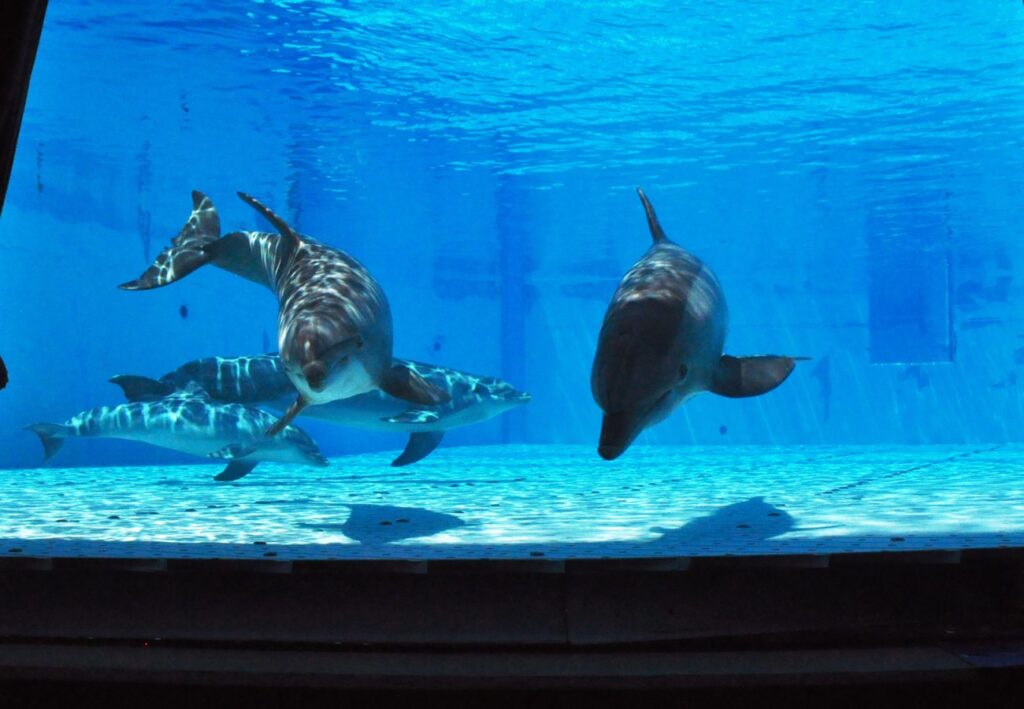
For decades, marine parks occupied a unique place in popular culture. Families traveled hundreds of miles to watch killer whales launch skyward, dolphins perform synchronized routines, and sea lions entertain audiences with carefully choreographed behaviors. For many visitors, these experiences created lasting memories and sparked a fascination with ocean wildlife that might otherwise never have existed.
Yet beneath the applause, splashing water, and carefully produced presentations, a far more complex conversation has steadily emerged—one that continues to reshape public opinion, influence legislation, and challenge the future of marine mammal captivity itself.
Today, the debate surrounding captive whales, dolphins, and other marine mammals extends far beyond questions of entertainment. It has become a broader discussion about animal welfare, scientific understanding, conservation, ethics, and society’s evolving relationship with intelligent wildlife.
At the center of that conversation lies a sobering reality. Over the course of more than six decades of marine park operations, the number of marine mammal deaths documented across facilities has become a focal point for animal welfare advocates, marine scientists, conservationists, policymakers, and the public alike.
According to data compiled by advocacy organizations monitoring marine mammal captivity, the cumulative death toll involving whales, dolphins, seals, sea lions, walruses, and other marine mammals housed in large marine parks now exceeds one thousand animals.
The number itself is frequently debated.
Supporters of marine parks argue that mortality is inevitable when caring for thousands of animals over many decades and that such statistics often fail to account for successful rescues, rehabilitation efforts, veterinary advancements, and increasing lifespans among certain species.
Critics, however, view those same figures very differently.
For them, each mortality represents a larger question about whether highly intelligent, socially complex marine mammals can ever truly thrive in artificial environments that fundamentally differ from the ecosystems they evolved to inhabit.
The discussion becomes particularly intense when focusing on cetaceans—whales, dolphins, and porpoises.
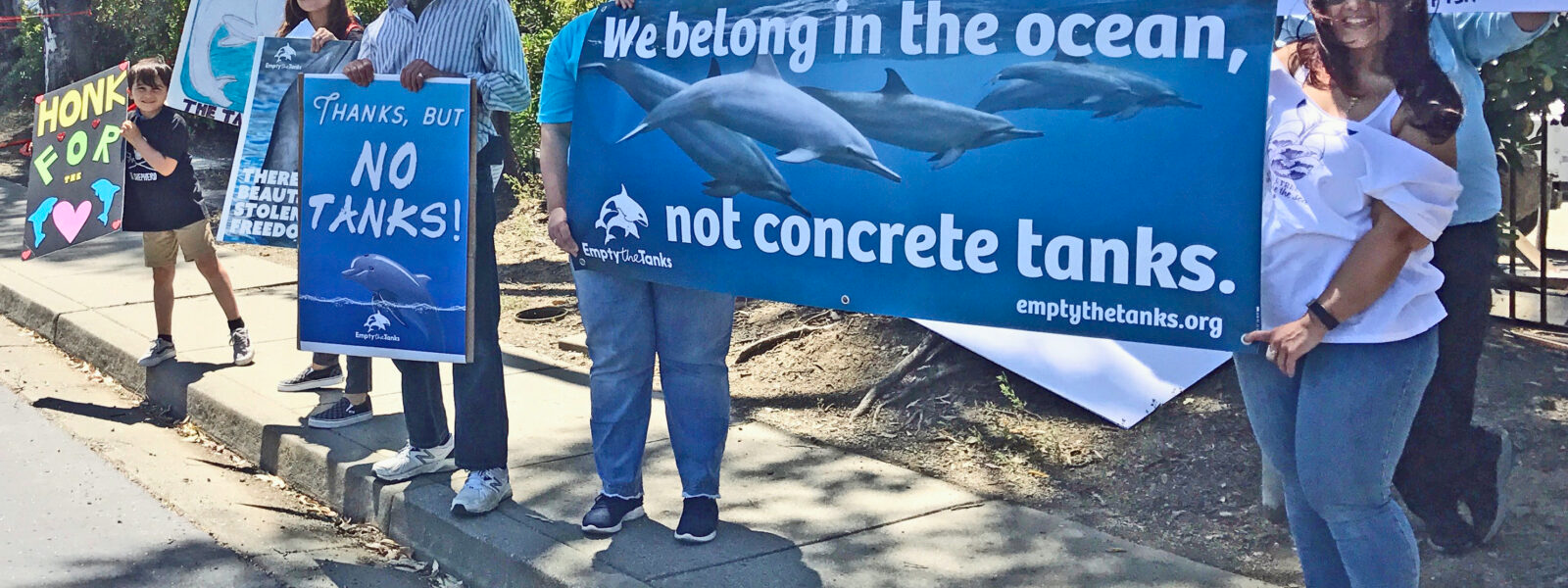
Among the most recognizable are orcas, often referred to as killer whales. These apex predators possess extraordinary intelligence, sophisticated communication systems, strong family bonds, and highly developed social structures that can persist across generations in the wild.
In natural environments, orca pods may travel dozens of miles each day. Different populations develop unique hunting techniques, vocal dialects, and social traditions that researchers increasingly describe as forms of culture.
Such discoveries have transformed scientific understanding of these animals over the past several decades.
No longer viewed simply as large marine predators, orcas are now recognized as emotionally and cognitively complex beings capable of intricate social relationships and adaptive behaviors.
As public awareness of those traits has grown, so too have concerns regarding their confinement.
Animal welfare advocates argue that many health problems observed among captive marine mammals stem directly from the limitations of artificial environments. Restricted movement, altered social groupings, limited environmental stimulation, and the inability to engage in natural behaviors are frequently cited as contributing factors to chronic stress and health complications.
Critics also point to recurring issues involving infections, dental damage, social aggression, and behavioral abnormalities documented across portions of the captive marine mammal industry.
The broader concern extends beyond physical health alone.
Modern animal welfare science increasingly recognizes psychological wellbeing as an essential component of animal care. For species capable of advanced cognition, emotional complexity, and long-term social relationships, welfare assessments now include behavioral health, environmental enrichment, social compatibility, and opportunities for natural behavioral expression.
In this context, the debate shifts from a simple question of survival to a more profound question of quality of life.
Can a highly intelligent marine mammal experience meaningful wellbeing while confined to an artificial habitat?
It is a question that has fueled scientific studies, public campaigns, documentaries, legislative proposals, and international policy discussions for years.
Marine park operators, however, strongly reject the notion that captivity alone explains every mortality or health challenge.
They argue that veterinary medicine, nutritional science, habitat management, and animal care standards have evolved dramatically over time. They also emphasize their role in rescuing injured, orphaned, or stranded wildlife, pointing to extensive rehabilitation programs that have assisted tens of thousands of marine animals over the years.
Supporters contend that modern facilities provide educational opportunities that inspire conservation awareness among millions of visitors annually.
They argue that direct exposure to marine mammals fosters empathy, encourages environmental stewardship, and helps generate public support for ocean conservation initiatives.
These competing perspectives reveal why the issue remains so controversial.
Few animal welfare debates involve such emotionally powerful imagery or such dramatically different interpretations of the same facts.
Yet regardless of where individuals fall within the debate, one reality is impossible to ignore.
Public attitudes are changing.
Over the past two decades, growing awareness surrounding marine mammal cognition and welfare has fundamentally altered public expectations regarding animal captivity.
Increasingly, people expect more than compliance with minimum standards.
They expect environments that support natural behaviors.
They expect transparency.
They expect ethical justification for confinement.
And many are beginning to question whether traditional marine entertainment models can satisfy those expectations.
This shift has already produced significant changes.
Perhaps the most notable development was the decision to end captive orca breeding programs, ensuring that future generations of killer whales would not be born into performance-based environments.
At the same time, many facilities have reduced or eliminated theatrical presentations in favor of educational programming designed to emphasize natural behaviors, conservation messaging, and species biology.
These changes reflect a recognition that public values are evolving.
The conversation has also expanded beyond existing facilities toward potential alternatives.
One of the most discussed concepts is the development of seaside sanctuaries.
Unlike traditional marine parks, seaside sanctuaries utilize enclosed coastal environments that provide access to natural seawater, tides, weather patterns, and larger living spaces while still allowing for veterinary supervision and human care.
For advocates, these sanctuaries represent a potential middle ground between full captivity and complete release.
Many animals born in captivity or dependent on human care cannot safely survive in the wild. Seaside sanctuaries offer an opportunity to improve welfare while maintaining necessary support systems.
The concept remains challenging.
Finding suitable locations, securing funding, ensuring environmental safety, and maintaining long-term operations present significant logistical hurdles. Nevertheless, growing interest in sanctuary models reflects a broader desire to rethink how society approaches marine mammal care in the future.
The implications reach beyond a single company or a single species.
The debate surrounding dolphins and whales reflects a larger transformation in how humanity views wildlife itself.
Historically, many animal management systems focused primarily on physical needs—food, shelter, veterinary treatment, and protection from predators.
Today, expectations are much higher.
Scientists, ethicists, and animal welfare professionals increasingly recognize that emotional wellbeing, cognitive stimulation, autonomy, and behavioral opportunity are equally important components of humane care.
This evolution mirrors broader changes occurring throughout the animal welfare movement.
Whether discussing elephants, great apes, bears, big cats, dolphins, or orcas, society is increasingly asking not simply whether animals can survive in human-controlled environments but whether they can truly flourish.
At Sustainable Action Now, these conversations matter because they sit at the intersection of science, ethics, conservation, and compassion.
Marine mammals remain among the most extraordinary creatures on Earth. Their intelligence, social complexity, and adaptability continue to inspire wonder among researchers and ocean advocates alike.
The challenge moving forward is determining how that admiration should translate into policy, management, and care.
As new research emerges and public expectations continue evolving, the future of marine mammal welfare will likely look very different than it did even a generation ago.
The question is no longer whether society is reexamining the captivity of whales and dolphins.
That conversation is already underway.
The question now is how quickly institutions, governments, scientists, and the public can work together to build a future where conservation, education, rescue efforts, and animal welfare are no longer competing priorities but shared goals.
Because ultimately, the debate is not simply about marine parks.
It is about what humanity owes the remarkable animals that have fascinated us for generations—and whether our understanding of their needs is finally catching up with our admiration for them.