
Private Prisons

He Broke His Tailbone in a Federal Detention Center. It Splintered Into His Soft Tissue. The Bureau of Prisons Said He Couldn’t Sue. Read More »

Private Prisons, SAN News

He Broke His Tailbone in a Federal Detention Center. It Splintered Into His Soft Tissue. The Bureau of Prisons Said He Couldn’t Sue.

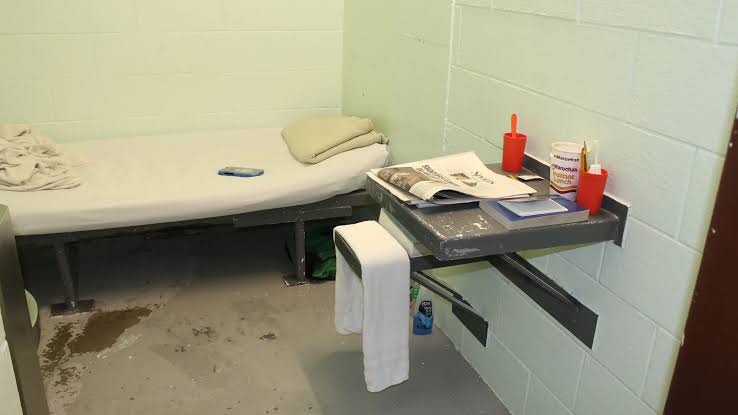
⚖️ SAN Prison Reform · Supreme Court · Medical Rights He Broke His Tailbone in a Federal Detention Center. It Splintered Into His Soft Tissue. The Bureau of Prisons Said He Couldn’t Sue. Kekai Watanabe’s case is now before the United States Supreme Court. The Prison Policy Initiative and the Medical Justice Alliance filed amicus
Twenty-Five Years In, the Prison Policy Initiative’s New Report Shows How Much and How Little Has Changed Read More »

SAN News, Private Prisons

Twenty-Five Years In, the Prison Policy Initiative’s New Report Shows How Much and How Little Has Changed

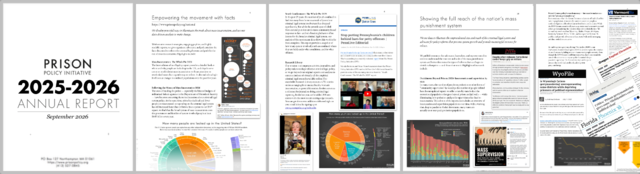
When the Prison Policy Initiative launched in 2001, criminal justice reform barely registered as a political priority. A quarter century later, its newest annual report lays out nearly two million people still confined nationwide, a $445 billion price tag, and a system that has simply found new places to grow. Read The Full Report. Twenty-Five

No, 2 Percent of the Population Does Not Cause 91 Percent of America’s Crime Read More »

Private Prisons, SAN News

No, 2 Percent of the Population Does Not Cause 91 Percent of America’s Crime

No, 2 Percent of the Population Does Not Cause 91 Percent of America’s Crime | Sustainable Action Now Sustainable Action Now Criminal Justice & Policy Fact Check: False Criminal Justice No, 2 Percent of the Population Does Not Cause 91 Percent of America’s Crime It’s a tidy number. Easy to say at a podium, easy

When Treatment Becomes Confinement: Examining the Expanding Intersection Between Mental Health Care and the Criminal Legal System Read More »

Private Prisons, SAN News

When Treatment Becomes Confinement: Examining the Expanding Intersection Between Mental Health Care and the Criminal Legal System

Because the requested format is a full investigative style feature, it is longer than one response can reliably contain. I’ll provide it in sections and continue until the complete article is finishedHow America’s Approach to Forced Hospitalization Raises New Questions About Justice, Rehabilitation, and Human Rights The conversation surrounding incarceration in America has traditionally focused

What “No Parole” Actually Means, and Why It Matters for Everyone Inside and Outside Prison Walls Read More »

Private Prisons, SAN News

What “No Parole” Actually Means, and Why It Matters for Everyone Inside and Outside Prison Walls

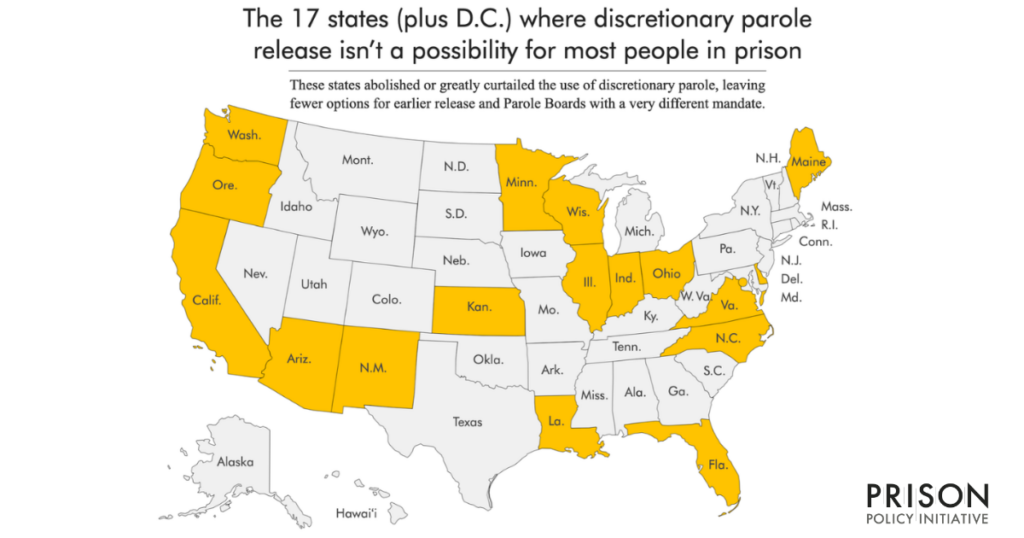
There is a version of the parole debate in the United States that most people have heard, and it goes like this: some states have parole, some states do not, and the states without it are the ones where people serve their full sentences and accountability is real. This binary has shaped public understanding, political

The Myth of “No Parole” States: What Early Release Really Looks Like — and Who It’s Leaving Behind Read More »

Private Prisons, SAN News

The Myth of “No Parole” States: What Early Release Really Looks Like — and Who It’s Leaving Behind

The American criminal justice system loves a clean narrative, and one of the tidiest stories it has told for decades is this: some states have parole, and some states do not. The implication is clear — states that “abolished” parole are tougher, more serious about accountability, more committed to making people serve the sentences courts

The Hidden Life Sentence: New Research Reveals How Incarceration Continues to Impact Health Decades After Release Read More »

Private Prisons, SAN News

The Hidden Life Sentence: New Research Reveals How Incarceration Continues to Impact Health Decades After Release

For generations, discussions surrounding incarceration in the United States have focused primarily on crime, punishment, public safety, sentencing policy, prison populations, and reentry challenges. Yet a growing body of research is revealing a deeper and more troubling reality: for millions of Americans, the consequences of incarceration do not end when a prison sentence is completed.

Beyond Prison Walls: Why America’s Reliance on Probation, Parole, and Cash Bail Continues to Expand the Reach of Mass Incarceration Read More »

Private Prisons, SAN News

Beyond Prison Walls: Why America’s Reliance on Probation, Parole, and Cash Bail Continues to Expand the Reach of Mass Incarceration

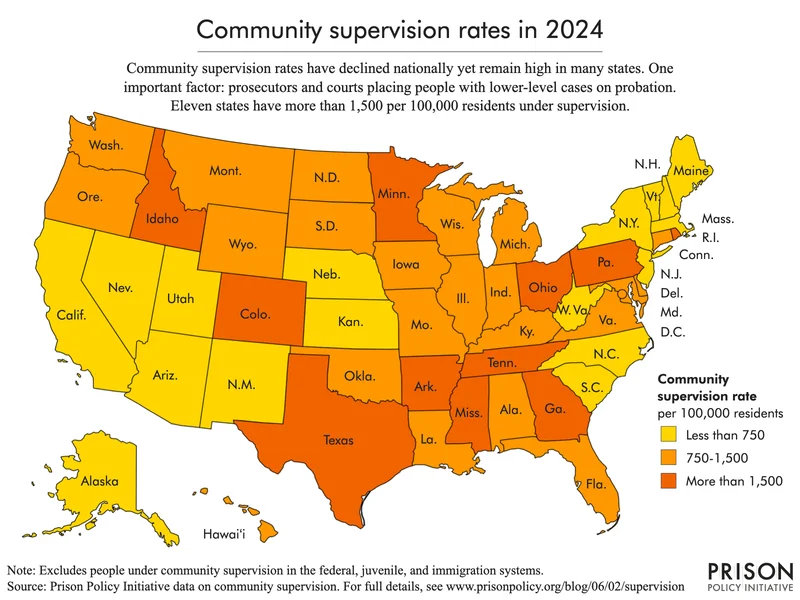
For decades, discussions about criminal justice reform in the United States have focused primarily on prisons and jails. Images of overcrowded correctional facilities, lengthy sentences, and record incarceration rates have dominated public conversations about crime and punishment. Yet beyond prison walls exists an even larger system of correctional control—one that quietly supervises millions of Americans

The Battle Over Local Control Has Entered a New Era: Why “The People’s Safety” Report Is Reframing the National Debate Over Policing, Federal Power, and Democratic Accountability Read More »

Private Prisons, SAN News

The Battle Over Local Control Has Entered a New Era: Why “The People’s Safety” Report Is Reframing the National Debate Over Policing, Federal Power, and Democratic Accountability

For decades, public debates surrounding policing and incarceration in the United States largely focused on crime rates, sentencing policies, prison expansion, law enforcement funding, and constitutional rights. But a growing coalition of legal scholars, civil rights advocates, municipal leaders, and public safety researchers is now warning that another conflict is rapidly emerging beneath the surface

The Hidden Tax on Poverty Is Finally Cracking: How America’s Fines and Fees Reform Movement Delivered $37.5 Billion in Relief to Working Families Read More »

Private Prisons, SAN News

The Hidden Tax on Poverty Is Finally Cracking: How America’s Fines and Fees Reform Movement Delivered $37.5 Billion in Relief to Working Families

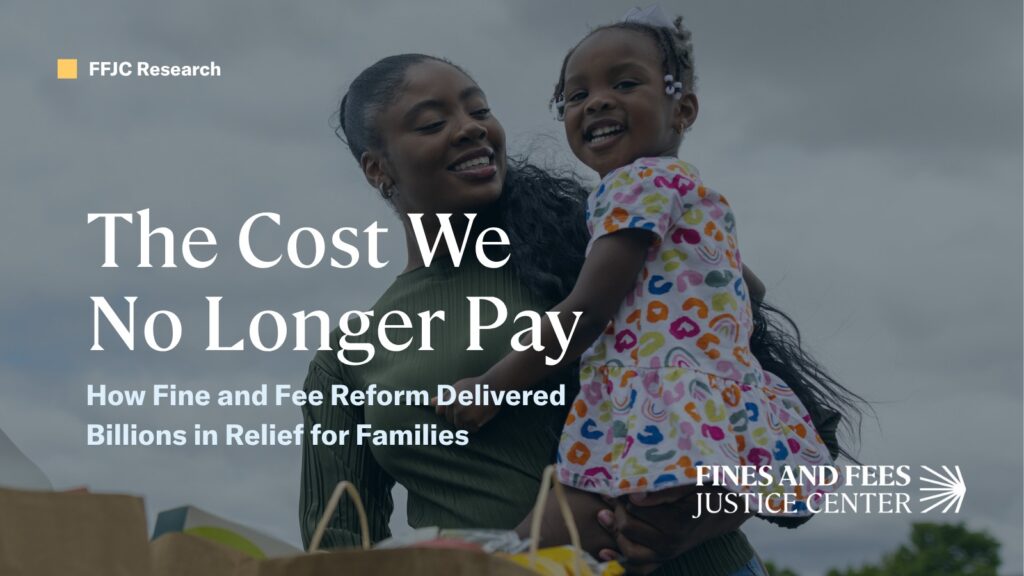
For decades, millions of Americans lived under a largely invisible financial punishment system that operated quietly beneath everyday life. A missed traffic payment could spiral into suspended licenses. Court fees could grow into unpayable debt. Public defender costs could follow low-income families for years. Administrative surcharges, probation fees, collection penalties, reinstatement costs, and compounding municipal