
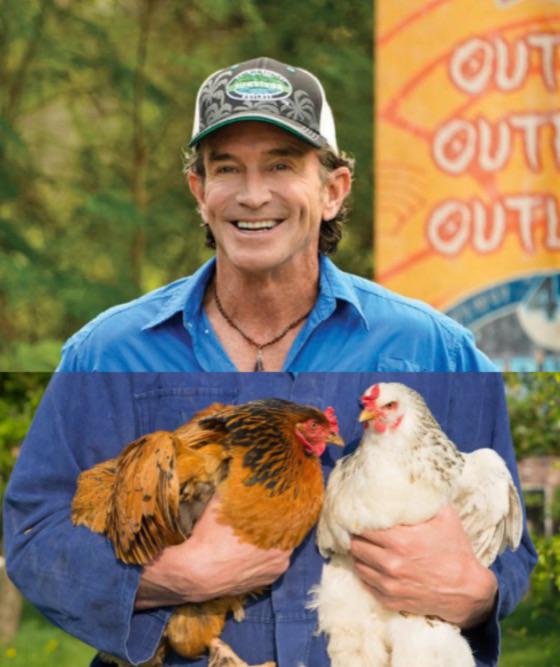
Why Reality TV’s “Survival” Fantasy Still Exploits Animals for Entertainment — And Why Survivor Should Finally Stop Handing Out Chickens
Corporations Are People, My Friend: Survivor is Not Hard – Stop Being Delusional! For a…
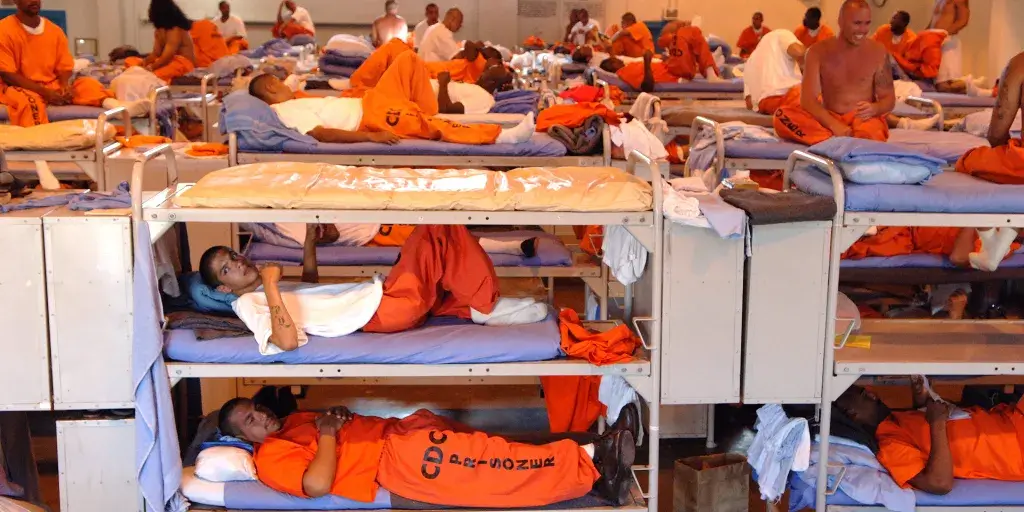
New Mass Incarceration Trends: Immigration Detention, Private Prisons, and the Expanding Debate Over America’s Carceral System
Across the United States, the conversation surrounding mass incarceration has evolved dramatically over the past…

Four Years of Freedom: The Rescue Story of Sandro the Tiger and the Global Mission to Give Captive Big Cats a Second Chance
Across the world, thousands of wild animals spend their lives in environments that fall far…

Let Them Fly: Why the Movement to End the Captivity of Wild Birds Is Growing Worldwide
Across forests, deserts, and tropical ecosystems throughout the Americas, birds represent one of nature’s most…

The Ultimate Peanut Butter Banana Smoothie: A Plant-Powered Breakfast That Delivers Flavor, Energy, and Sustainable Nutrition
In today’s fast-paced world, the search for meals that are quick, nourishing, and satisfying has…

A New Energy Reality: Why Global Oil Turmoil Is Accelerating the Urgent Push for Climate Solutions
The global energy system is entering a period of profound uncertainty. Geopolitical tensions, disruptions to…






PRIVATE PRISONS.
Private prisons, like many other publicly traded companies, have their value determined by a variety of factors, with the number of occupants being a significant one. The business model of private prisons revolves around incarcerating individuals on behalf of government agencies, primarily at the state and federal levels, in exchange for a per diem or monthly fee per inmate.
The number of occupants, or inmates, directly impacts the revenue generated by private prisons. Higher occupancy rates mean more revenue, as each inmate represents a source of income for the company. Therefore, from a financial standpoint, private prison operators aim to maximize occupancy levels to optimize their revenue streams.
From a trading perspective on Wall Street, investors closely monitor metrics such as occupancy rates when evaluating the performance and potential value of private prison stocks. Higher occupancy rates often signal strong financial performance and growth potential, which can drive up the stock price and attract investors.






Why Reality TV’s “Survival” Fantasy Still Exploits Animals for Entertainment — And Why Survivor Should Finally Stop Handing Out Chickens
Corporations Are People, My Friend: Survivor is Not Hard – Stop Being Delusional! For a…
New Mass Incarceration Trends: Immigration Detention, Private Prisons, and the Expanding Debate Over America’s Carceral System
Across the United States, the conversation surrounding mass incarceration has evolved dramatically over the past…

Four Years of Freedom: The Rescue Story of Sandro the Tiger and the Global Mission to Give Captive Big Cats a Second Chance
Across the world, thousands of wild animals spend their lives in environments that fall far…

Let Them Fly: Why the Movement to End the Captivity of Wild Birds Is Growing Worldwide
Across forests, deserts, and tropical ecosystems throughout the Americas, birds represent one of nature’s most…
The Ultimate Peanut Butter Banana Smoothie: A Plant-Powered Breakfast That Delivers Flavor, Energy, and Sustainable Nutrition
In today’s fast-paced world, the search for meals that are quick, nourishing, and satisfying has…
A New Energy Reality: Why Global Oil Turmoil Is Accelerating the Urgent Push for Climate Solutions
The global energy system is entering a period of profound uncertainty. Geopolitical tensions, disruptions to…

The Fight to End Commercial Whaling: Why the “Stop Norway Whaling” Movement Is Gaining Global Momentum
Across the world’s oceans, whales have long been recognized as some of the most intelligent,…

The Ultimate Açaí Smoothie: A Plant-Powered Superfood Recipe for Energy, Wellness, and Sustainable Living
Healthy eating does not have to be complicated, time-consuming, or expensive. In fact, some of…

Two Bears, One Future: Inside the Extraordinary Rescue Mission Giving Gordo and Florencia a New Life
Across the world, a growing movement is redefining how society responds to animals who have…
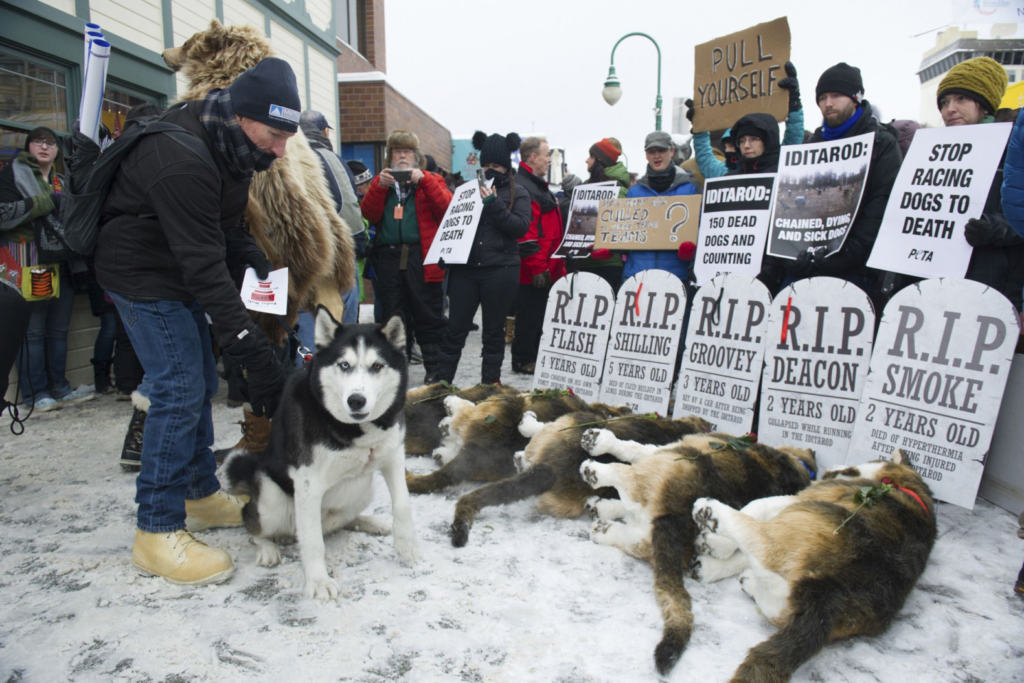
The Iditarod Debate: Tradition, Endurance, and the Growing Global Conversation About Animal Welfare in Extreme Sled Dog Racing
Every March, the frozen wilderness of Alaska becomes the stage for one of the most…
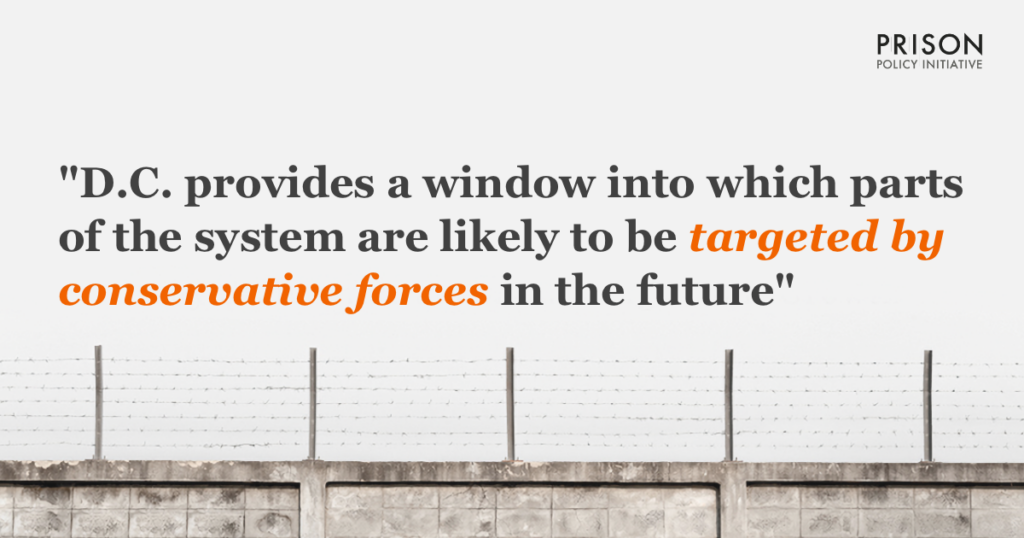
Bad Omens for Justice Reform: Why Rollbacks in Washington, D.C. Signal a Dangerous Moment for Criminal Justice Reform and the Fight Against Private Prisons
Across the United States, the debate over incarceration, public safety, and justice reform has entered…
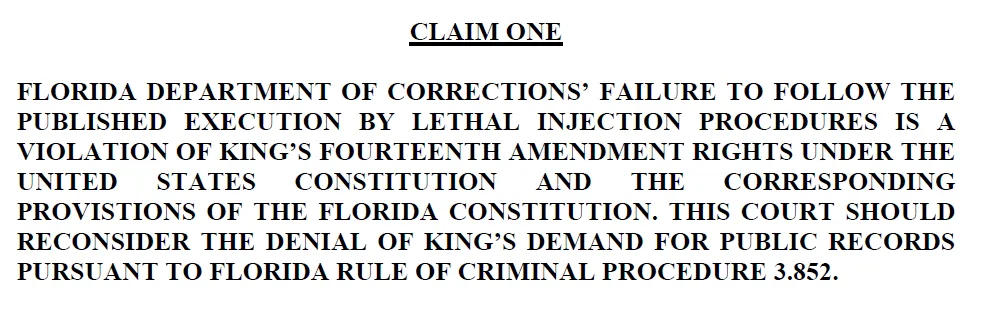
Florida’s Accelerating Execution Schedule Raises Urgent Questions About Justice, Accountability, and the Future of the Death Penalty
The debate over capital punishment in the United States has entered another critical moment as…

From Flora to FELIDA: Inside the Extraordinary Global Rescue That Shows What It Really Takes to Save a Big Cat
Across the world, thousands of wild animals remain trapped in conditions far removed from the…

Beyond the Sentence: Art, Humanity, and the Urgent Questions Surrounding the Death Penalty in America
The national conversation around the death penalty is often framed in stark terms—crime, punishment, justice,…

The Hidden Census Crisis: Why Counting Incarcerated People Correctly Matters for Democracy, Justice, and the Future of the 2030 Census
Across the United States, the census is treated as a cornerstone of democracy. Every ten…

Protect Wild Horses: The Growing Movement to Defend America’s Free-Roaming Icons on Public Lands
Across the sweeping deserts, grasslands, and mountain ranges of the American West, wild horses remain…

A Week of Sustainable Plant-Based Meals: The Complete Guide to an Easy, Flavor-Packed Vegetarian Meal Plan Featuring Coconut Basmati Rice & Chicken Noodle Soup
The Ultimate Vegetarian “Chicken” Noodle Soup: A Plant-Based Comfort Classic Reimagined for the Modern Sustainable…
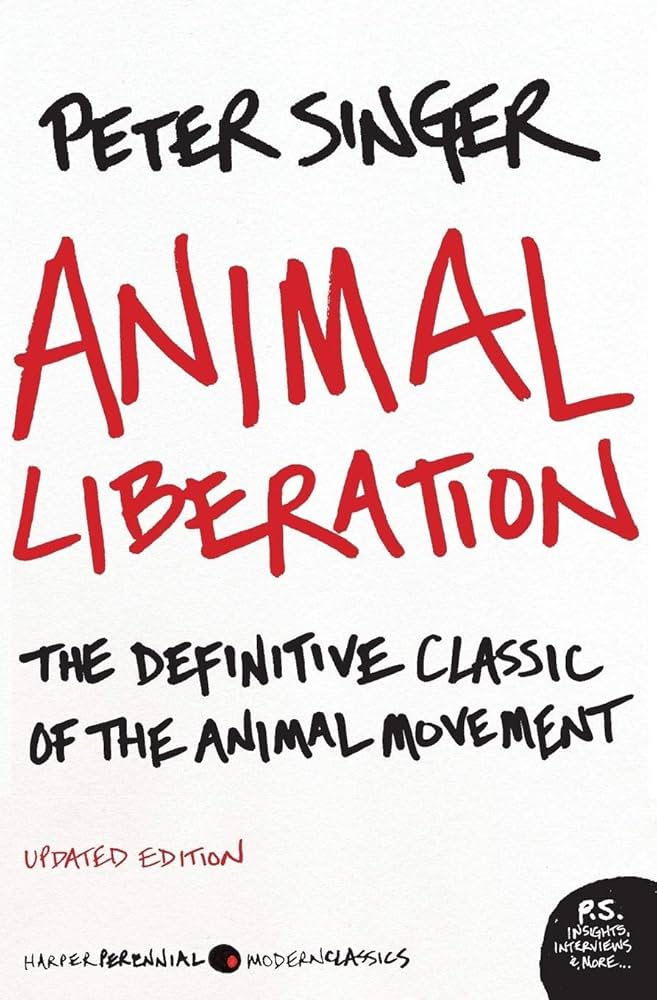
Animal Liberation and the Moral Awakening of a Movement: Why Peter Singer’s Landmark Work Still Shapes the Global Fight Against Animal Cruelty
In the modern conversation about animal rights, ethical responsibility, and the future of humanity’s relationship…
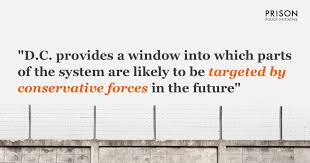
Reform Rollbacks in Washington D.C. Signal a Dangerous Shift in Criminal Justice Policy and a Warning for State-Level Advocates Across the Nation
Across the United States, criminal justice reform has evolved into one of the defining public…

Housing for the 21st Century Act Advances in the Senate, Marking a Major Step Toward Expanding America’s Housing Supply and Modernizing Federal Housing Policy
The national housing crisis has become one of the defining economic and social challenges of…