
The global food system is at a breaking point. Behind supermarket shelves stacked with abundance lies a network of factory farms, industrial slaughter operations, environmental degradation, and systemic exploitation — of animals, workers, and ecosystems alike. For decades, this reality has been carefully hidden from public view. Now, a groundbreaking new documentary is pulling back the curtain.
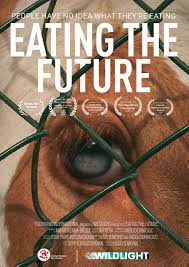
The multi-award-winning film Eating the Future confronts the hidden suffering embedded in industrial food production while searching for solutions that can restore fairness, sustainability, and compassion to what we eat. As part of our continued coverage of animal and wildlife abuse issues, Sustainable Action Now is amplifying this essential story — because transforming the food system is inseparable from ending large-scale animal exploitation.
An Investigation Born From Climate Anxiety
Narrated by BAFTA-winning actress Mia McKenna-Bruce, the documentary follows an undercover investigator motivated by a profound fear of climate collapse — and an equally powerful search for hope. Her journey moves through factory farms, slaughterhouses, research laboratories, and sustainable agricultural communities. Along the way, she encounters ecological farmers rebuilding soil health, scientists warning of planetary limits, slaughterhouse workers bearing psychological trauma, medical experts linking diet to disease, and activists fighting for systemic reform.
Each perspective adds another piece to a complex puzzle. The message becomes clear: the way the world currently produces food is not only ethically indefensible — it is environmentally and socially unsustainable.
Factory Farming: The Hidden Cost of Cheap Food
At the heart of the film lies an unflinching look at industrial animal agriculture. Millions of animals live in confined spaces where natural behaviors are impossible. Routine mutilations, antibiotic overuse, and mass slaughter occur behind closed doors. These operations generate enormous greenhouse gas emissions, contaminate water systems, and accelerate deforestation to produce feed crops.
The suffering extends beyond animals. Workers endure hazardous conditions, psychological stress, and economic exploitation. Communities near factory farms face polluted air and water. Consumers unknowingly fund a system that undermines their own health and the planet’s stability.
This is why Sustainable Action Now continues documenting the broader network of animal exploitation across industries — because the abuse of animals is always connected to environmental and human consequences.
Searching for Solutions, Not Just Exposing Problems
Unlike many investigative documentaries, Eating the Future does not end in despair. Instead, it highlights tangible pathways forward.
Regenerative farmers demonstrate how food production can restore biodiversity rather than destroy it. Scientists explain scalable plant-based innovations. Doctors present data showing how dietary change improves public health outcomes. Policy experts outline legislative reforms needed to shift subsidies away from factory farming. Activists share successful campaigns that have already forced industry accountability.
Hope, the film suggests, is not wishful thinking. It is practical, achievable transformation — if people are informed and empowered to demand it.
Grassroots Screenings: A Film Designed to Spark Action
Recognizing the urgency of the message, the creators of Eating the Future are making the film freely available for independently organized community screenings. Educators, student groups, environmental organizations, animal welfare advocates, and local activists are encouraged to host events that open dialogue on food system reform.
This grassroots distribution model ensures the film does not remain confined to film festivals or streaming platforms. Instead, it becomes a catalyst for real-world discussion, learning, and mobilization.
The goal is simple: equip communities everywhere with knowledge that leads to action.
Why This Story Matters Now
Climate scientists warn that food production is among the leading drivers of biodiversity loss, land degradation, freshwater depletion, and greenhouse gas emissions. Meanwhile, global demand for animal products continues to rise. Without systemic change, both planetary health and ethical treatment of animals face escalating crisis.
Documentaries like Eating the Future play a vital role in bridging the knowledge gap between industry practices and consumer awareness. When people understand the full impact of their food choices, they gain the power to reshape markets and policy.
This is precisely why Sustainable Action Now is committed to reporting on the abuse of animals and wildlife — because awareness remains the first step toward reform.
A Call to Be Part of the Change
The food system may be broken, but it is not beyond repair. Every conversation sparked by this film, every screening organized, and every new voice added to the movement builds momentum toward a fairer future.
By sharing Eating the Future, communities can drive local education initiatives, influence institutional food procurement policies, support ethical farming, and encourage lawmakers to enact meaningful agricultural reform.
Transformation begins when people stop accepting suffering as normal.
The Future Is Still Being Written
Eating the Future does more than expose injustice — it illuminates possibility. It invites audiences not only to witness the problem, but to imagine solutions already within reach. The question is no longer whether change is necessary. It is whether society will act quickly enough.
At Sustainable Action Now, we will continue amplifying stories that challenge exploitation, confront systemic abuse, and elevate voices building a more compassionate world.
Because the future of food should nourish life — not destroy it.