

William Shatner is A Legacy of Compassion, A Call to Conscience for Animals and the Planet
As William Shatner reaches the remarkable milestone of his 95th birthday, the moment carries far…

Youth Return to Federal Court in Lighthiser v. Trump—A Defining Climate Case That Could Reshape the Future of Environmental Justice
Across the United States, a new generation is stepping into courtrooms not as observers, but…

Exposing the Hidden Cost of Leather—Inside a Bold New Campaign Challenging the Global Fashion Industry
In an era where consumers are increasingly demanding transparency, accountability, and ethical production, the fashion…
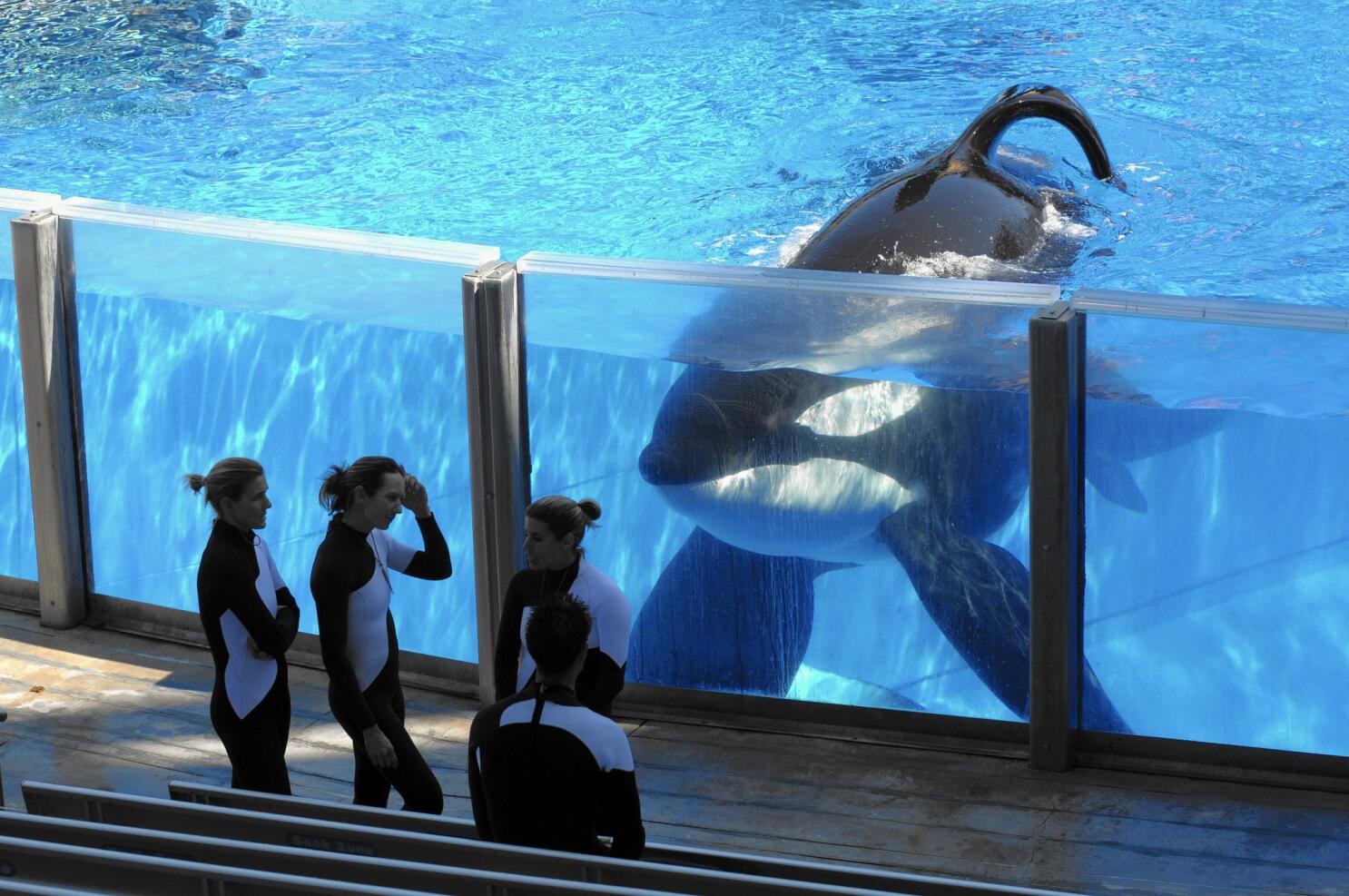
SeaWorld, Orcas, and the Turning Point for Marine Mammal Ethics in 2026
A decade after SeaWorld publicly committed to ending its orca breeding program, the conversation surrounding…

Samba the Tiger’s Second Chance—From Circus Confinement to a Life of Freedom at FELIDA Big Cat Sanctuary
There are moments in global animal welfare that redefine what progress truly looks like. Not…
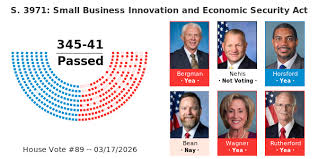
Small Business Innovation and Economic Security Act (S. 3971) Passes the House—A Strategic Shift for Sustainable Growth, Local Economies, and the Future of American Innovation
In a decisive move that signals a renewed federal focus on economic resilience and innovation-driven…







PRIVATE PRISONS.
Private prisons, like many other publicly traded companies, have their value determined by a variety of factors, with the number of occupants being a significant one. The business model of private prisons revolves around incarcerating individuals on behalf of government agencies, primarily at the state and federal levels, in exchange for a per diem or monthly fee per inmate.
The number of occupants, or inmates, directly impacts the revenue generated by private prisons. Higher occupancy rates mean more revenue, as each inmate represents a source of income for the company. Therefore, from a financial standpoint, private prison operators aim to maximize occupancy levels to optimize their revenue streams.
From a trading perspective on Wall Street, investors closely monitor metrics such as occupancy rates when evaluating the performance and potential value of private prison stocks. Higher occupancy rates often signal strong financial performance and growth potential, which can drive up the stock price and attract investors.






William Shatner is A Legacy of Compassion, A Call to Conscience for Animals and the Planet
As William Shatner reaches the remarkable milestone of his 95th birthday, the moment carries far…
Youth Return to Federal Court in Lighthiser v. Trump—A Defining Climate Case That Could Reshape the Future of Environmental Justice
Across the United States, a new generation is stepping into courtrooms not as observers, but…

Exposing the Hidden Cost of Leather—Inside a Bold New Campaign Challenging the Global Fashion Industry
In an era where consumers are increasingly demanding transparency, accountability, and ethical production, the fashion…
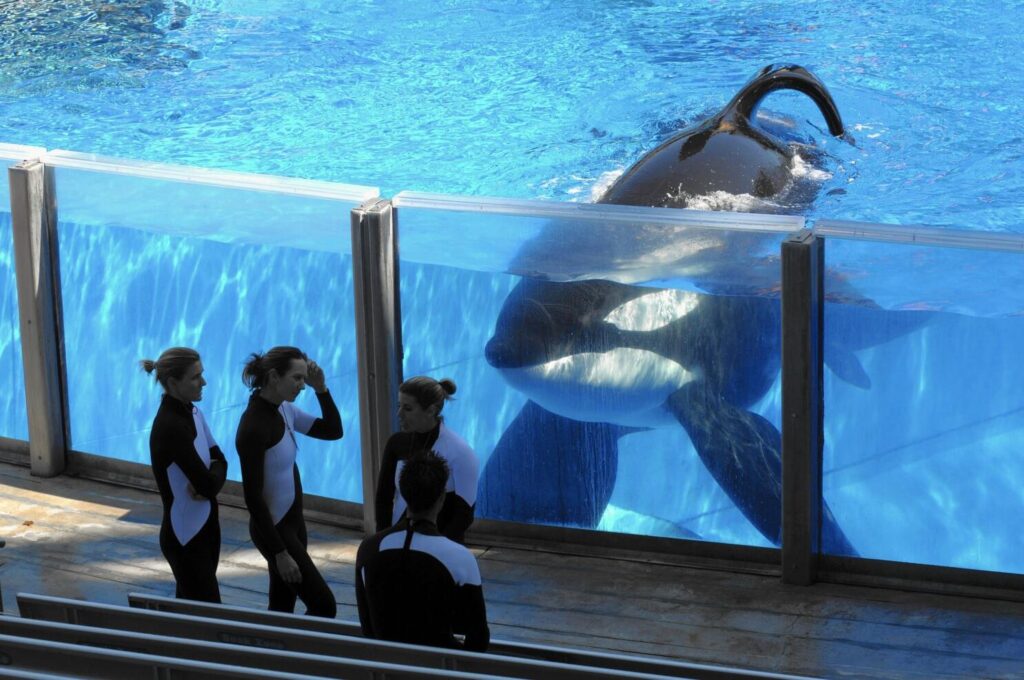
SeaWorld, Orcas, and the Turning Point for Marine Mammal Ethics in 2026
A decade after SeaWorld publicly committed to ending its orca breeding program, the conversation surrounding…

Samba the Tiger’s Second Chance—From Circus Confinement to a Life of Freedom at FELIDA Big Cat Sanctuary
There are moments in global animal welfare that redefine what progress truly looks like. Not…
Small Business Innovation and Economic Security Act (S. 3971) Passes the House—A Strategic Shift for Sustainable Growth, Local Economies, and the Future of American Innovation
In a decisive move that signals a renewed federal focus on economic resilience and innovation-driven…

National Park Service Overhaul Sparks Debate as Fees Rise, Access Shifts, and the Story of America’s Parks Enters a New Era
Across the United States, the National Park System is undergoing one of its most complex…

Stop Funding Animal Experiments Overseas—Why the Fight Over Your Tax Dollars Is Reaching a Breaking Point
A growing national conversation is unfolding around a question that cuts directly across ethics, public…
Federal Working Animal Protection Act (H.R. 4638) Passes the House—A Defining Moment for Animal Welfare and the Future of Ethical Rescue Networks
In a landmark development for animal welfare policy in the United States, the Federal Working…

Inside Arosa Bear Sanctuary’s Winter Operations—Where Conservation Never Sleeps
High in the snow-covered Swiss Alps, where silence blankets the landscape and temperatures plunge deep…

Weekly Meal Plan: A Smarter, Greener Way to Cook Through the Week
Sustainable living doesn’t begin with sweeping, abstract ideas—it starts in the kitchen, with intentional choices…
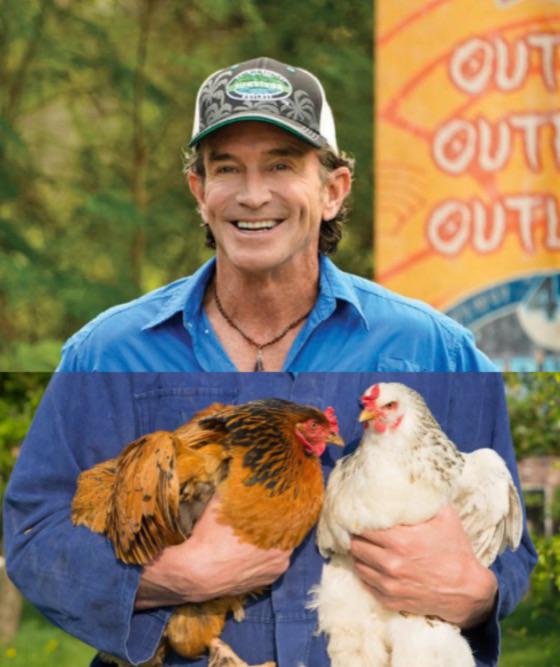
Why Reality TV’s “Survival” Fantasy Still Exploits Animals for Entertainment — And Why Survivor Should Finally Stop Handing Out Chickens
Corporations Are People, My Friend: Survivor is Not Hard – Stop Being Delusional! For a…

New Mass Incarceration Trends: Immigration Detention, Private Prisons, and the Expanding Debate Over America’s Carceral System
Across the United States, the conversation surrounding mass incarceration has evolved dramatically over the past…

Four Years of Freedom: The Rescue Story of Sandro the Tiger and the Global Mission to Give Captive Big Cats a Second Chance
Across the world, thousands of wild animals spend their lives in environments that fall far…

Let Them Fly: Why the Movement to End the Captivity of Wild Birds Is Growing Worldwide
Across forests, deserts, and tropical ecosystems throughout the Americas, birds represent one of nature’s most…

The Ultimate Peanut Butter Banana Smoothie: A Plant-Powered Breakfast That Delivers Flavor, Energy, and Sustainable Nutrition
In today’s fast-paced world, the search for meals that are quick, nourishing, and satisfying has…

A New Energy Reality: Why Global Oil Turmoil Is Accelerating the Urgent Push for Climate Solutions
The global energy system is entering a period of profound uncertainty. Geopolitical tensions, disruptions to…

The Fight to End Commercial Whaling: Why the “Stop Norway Whaling” Movement Is Gaining Global Momentum
Across the world’s oceans, whales have long been recognized as some of the most intelligent,…

The Ultimate Açaí Smoothie: A Plant-Powered Superfood Recipe for Energy, Wellness, and Sustainable Living
Healthy eating does not have to be complicated, time-consuming, or expensive. In fact, some of…

Two Bears, One Future: Inside the Extraordinary Rescue Mission Giving Gordo and Florencia a New Life
Across the world, a growing movement is redefining how society responds to animals who have…