
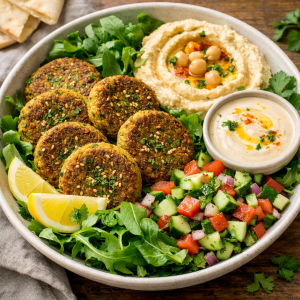
There is something universally satisfying about falafel.
The earthy depth of chickpeas.
The brightness of parsley and cilantro.
The warmth of cumin and coriander.
That crisp golden exterior giving way to a tender, herbaceous center.
At Sustainable Action Now, our Recipes category celebrates meals that nourish both people and planet. This Baked Falafel recipe embodies exactly that: bold Mediterranean flavor, weeknight practicality, and deeply rooted nutritional integrity — all without the need for deep frying. The Baked Falafel: Crispy, Herb-Loaded, and Weeknight-Friendly is a Beantown Kitchen Recipe.
This is comfort food that loves you back.
Why Baked Falafel Is a Sustainable Upgrade
Traditional falafel is fried. While undeniably delicious, frying requires significant oil, close stovetop monitoring, and additional calories per serving.
Baking offers several meaningful advantages:
- Lower oil consumption
- Reduced overall calories
- No standing over hot oil
- More approachable for home cooks
- Cleaner kitchen, safer process
- Better suited for batch cooking
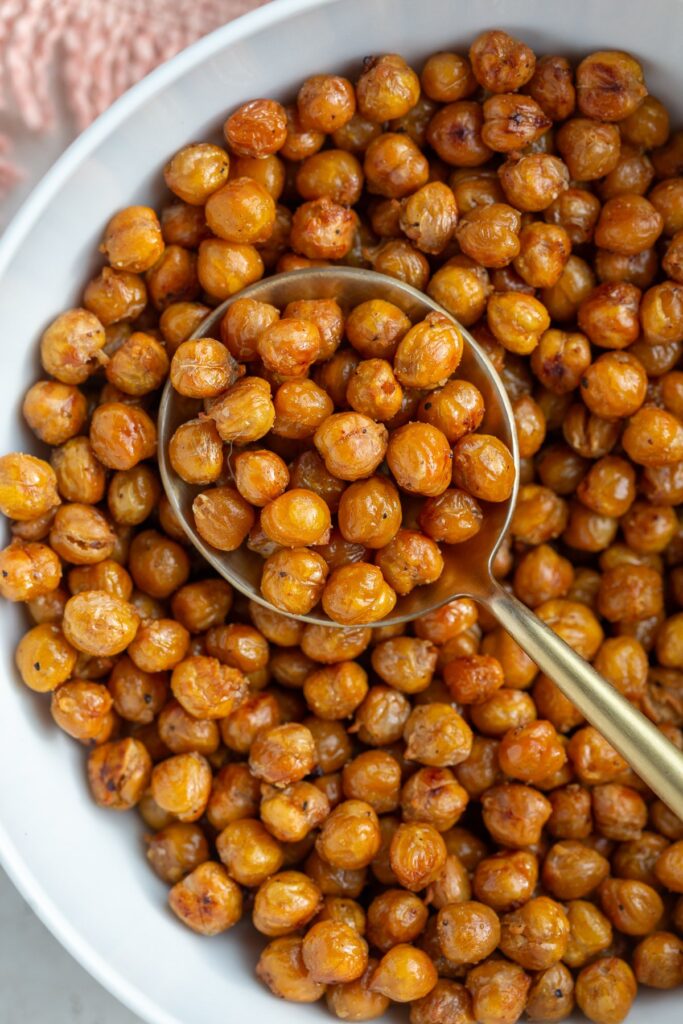
By shaping the falafel into discs and baking at a high temperature, you maximize surface area for crisping while keeping the interior moist and flavorful.
The result? Golden edges. Tender center. Full-bodied spice.
Without excess oil.
The Keys to Perfect Baked Falafel
Exceptional falafel does not happen by accident. It happens by technique.
The four non-negotiables:
- Thoroughly soak dried chickpeas
Canned chickpeas will not produce the correct texture. Soaking dried chickpeas for 8–12 hours allows them to soften properly while retaining structure. - Use a hot oven (375°F)
High heat promotes browning and crisp edges. - Lightly oil the baking surface
A thin layer of olive oil prevents sticking and supports caramelization. - Shape into discs, not balls
Increased surface contact = superior crispiness.
When these fundamentals are followed, baked falafel rivals fried versions in texture and surpasses them in convenience.
Baked Falafel: A Nutritional Powerhouse
This isn’t just a flavorful meal. It’s biochemically intelligent food.
Chickpeas Provide:
- Plant-based protein
- Dietary fiber
- Iron
- Folate
- Magnesium
- Low saturated fat
- Zero cholesterol
Fresh Herbs Contribute:
- Polyphenols
- Vitamin K
- Antioxidants
- Anti-inflammatory compounds
When paired with tahini, lemon juice, and fresh vegetables, falafel becomes:
- High in fiber
- Moderate in protein
- Rich in phytonutrients
- Low in saturated fat
- Supportive of cardiovascular health
These nutritional characteristics are associated with reduced risk of heart disease, type 2 diabetes, and certain cancers.
This is plant-based performance fuel.
Full Recipe: Crispy Baked Falafel
Course: Main Dish
Cuisine: Mediterranean
Servings: 12 falafel
Calories: 60 kcal per falafel
Ingredients
- 1 cup dried chickpeas
- 1–2 teaspoons olive oil (for pan)
- 1 cup medium diced onion
- 2 cloves garlic
- 1⅓ cups parsley
- 1⅓ cups cilantro
- 1 teaspoon salt
- 1¾ teaspoons ground cumin
- ¾ teaspoon ground coriander
Instructions
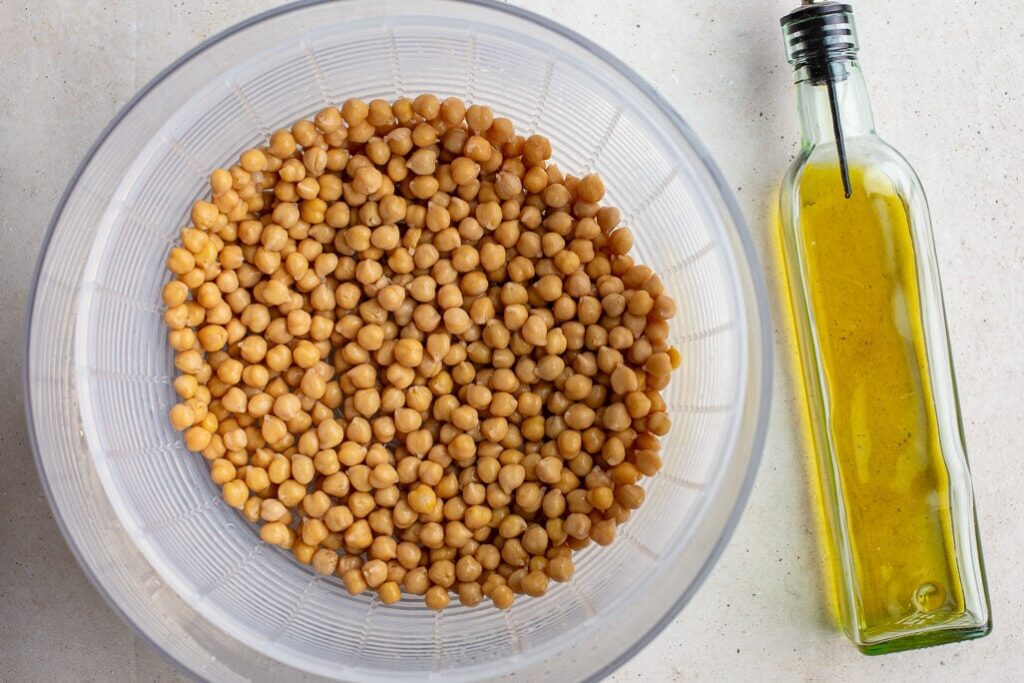
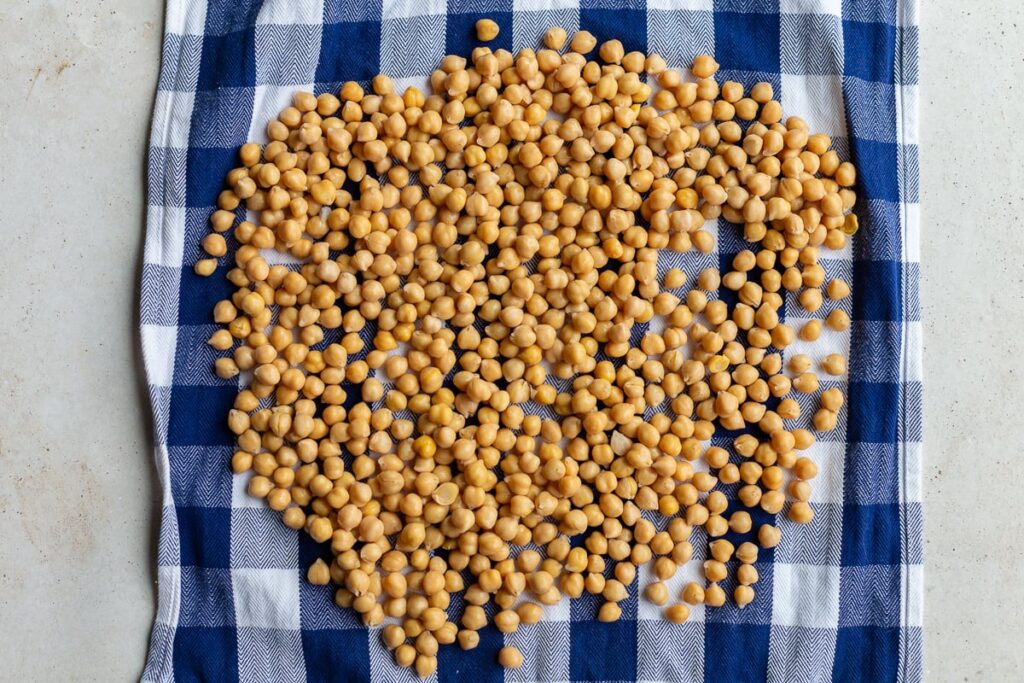
- In a large bowl, cover dried chickpeas with several inches of water. Soak 8–12 hours, until doubled in size and easily pressed between fingers.
- Preheat oven to 375°F.
- Line a baking sheet with parchment paper or a silicone mat. Lightly coat with olive oil.
- Drain chickpeas thoroughly.
- In a food processor, combine chickpeas, onion, garlic, parsley, cilantro, salt, cumin, and coriander.
- Pulse until mixture resembles coarse crumbs and holds together when squeezed. Do not overprocess into a paste.
- Form into 12 discs using hands or an ice cream scoop.
- Place on prepared baking sheet.
- Bake 25 minutes, flipping at 15 minutes, until golden brown and firm.
Nutrition (Per Falafel)
- Calories: 60 kcal
- Carbohydrates: 12g
- Protein: 4g
- Fat: 1g
- Saturated Fat: 0.1g
- Fiber: 3g
- Sodium: 203mg
- Potassium: 220mg
- Iron: 2mg
High fiber. Balanced macros. Naturally cholesterol-free. The Baked Falafel: Crispy, Herb-Loaded, and Weeknight-Friendly is a Beantown Kitchen Recipe.
How to Serve Baked Falafel
Falafel is endlessly adaptable, making it ideal for sustainable meal rotation.
Classic Pita Pocket
Warm pita, tahini sauce, chopped Israeli salad, and fresh herbs.
Grain Bowl Base
Layer over quinoa or farro with pickled onions and roasted vegetables.
Mediterranean Platter
Serve alongside cucumber salad, herbed yogurt (or plant-based alternative), and olives.
Straight from the Oven
Dip into lemon-tahini sauce and enjoy immediately.
They also freeze beautifully, making them perfect for batch cooking and reducing food waste.
Why Falafel Supports Sustainable Eating
Chickpeas are among the most climate-friendly protein sources available:
- Low water requirements
- Soil-enriching nitrogen fixation
- Lower greenhouse gas emissions compared to animal protein
- Shelf-stable storage capacity
When we shift even a few weekly meals toward legumes, the environmental impact compounds significantly.
Falafel isn’t just delicious — it’s environmentally strategic.
Pair It with More Plant-Based Favorites
If you enjoy patties and plant-based comfort classics, consider exploring:
- Sweet potato burgers
- Vegan crab cakes
- Herb-forward lentil patties
- Tahini-forward Mediterranean bowls
The versatility of legumes makes them one of the most scalable tools in sustainable cuisine.
Comfort Food That Aligns With Your Values
Baked falafel delivers:
- Crunch without deep frying
- Protein without cholesterol
- Flavor without excess oil
- Cultural richness without compromise
It is weeknight-friendly. Batch-cook ready. Nutritionally intelligent.
And deeply satisfying.
At Sustainable Action Now, we believe sustainable living starts on your plate. Recipes like this prove that the most powerful climate actions can also be the most delicious.
Crispy. Herb-loaded. Nourishing.
That’s the future of food.
The Baked Falafel: Crispy, Herb-Loaded, and Weeknight-Friendly is a Beantown Kitchen Recipe.