
As more home cooks look for ways to eat sustainably without sacrificing comfort or flavor, king oyster mushrooms are stepping into the spotlight. Meaty, versatile, and deeply satisfying, these mushrooms have become a favorite among plant-forward kitchens—and for good reason. When pan-seared until golden and finished with a sticky, lightly sweet teriyaki-style glaze, they deliver the kind of umami-rich experience typically associated with meat, while keeping meals firmly rooted in sustainability.
King oyster mushrooms, sometimes called king trumpet mushrooms, are prized for their thick stems and firm texture. Unlike more delicate varieties, they hold their shape during cooking and develop a caramelized exterior when sautéed properly. This makes them an ideal foundation for hearty vegetarian and vegan dishes that don’t feel like compromises. In under 30 minutes, a simple skillet preparation can transform them into a dish that works just as well as a main over rice or noodles as it does as a standout side.


The appeal goes beyond texture. Mushrooms are widely recognized as a low-impact food choice, requiring fewer resources than animal-based proteins while delivering fiber, minerals, and natural savory depth. Incorporating dishes like teriyaki-glazed king oyster mushrooms into weekly meal plans supports a more climate-conscious lifestyle, aligning with the growing focus on sustainable food systems highlighted across plant-forward and eco-minded recipes.
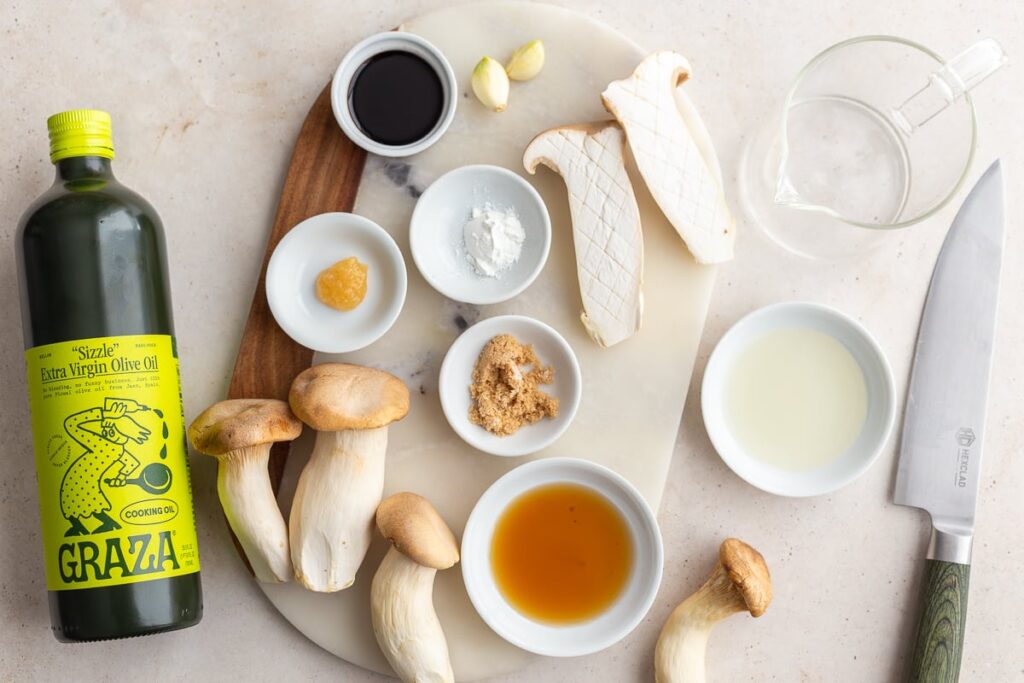
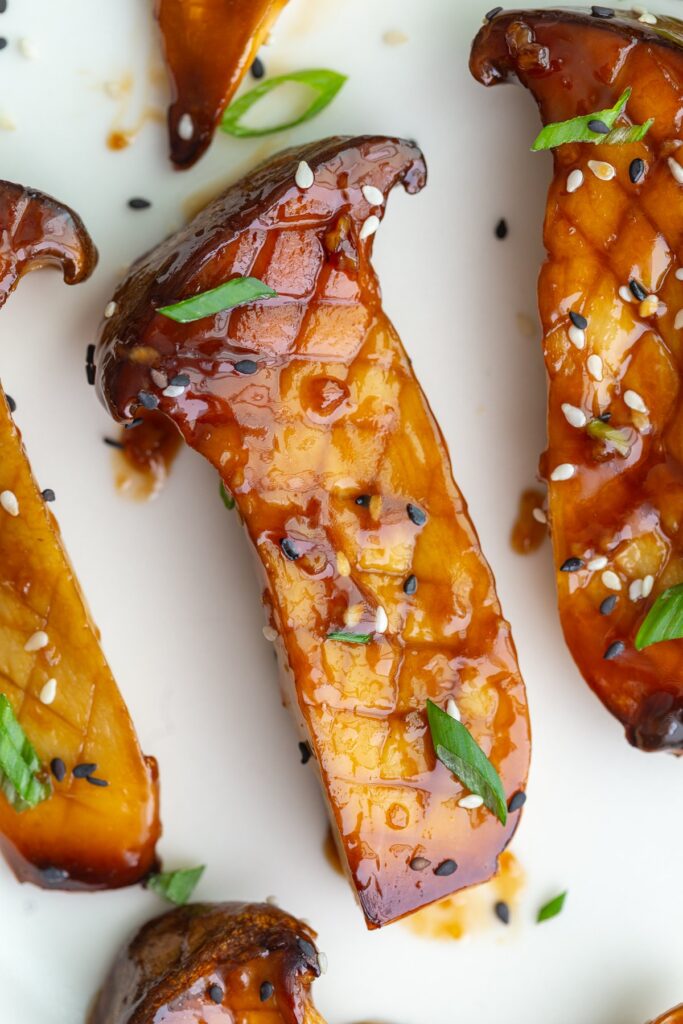
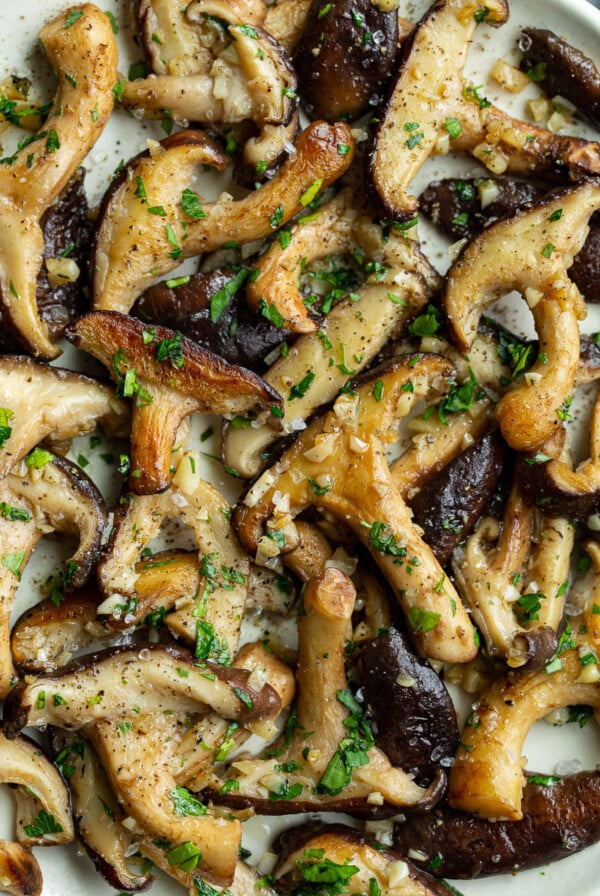
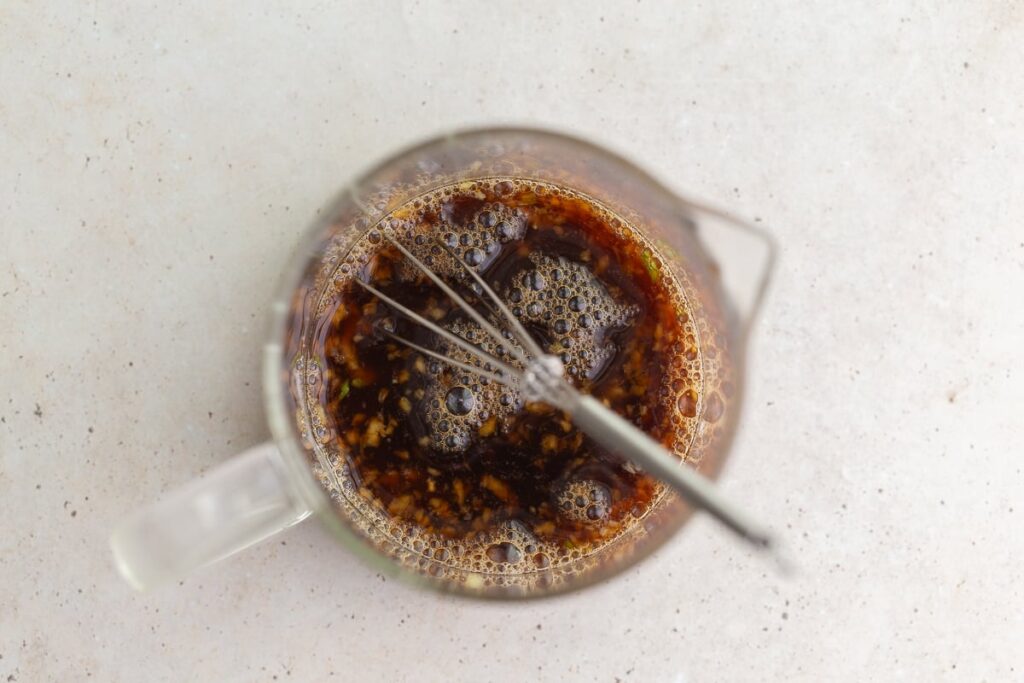
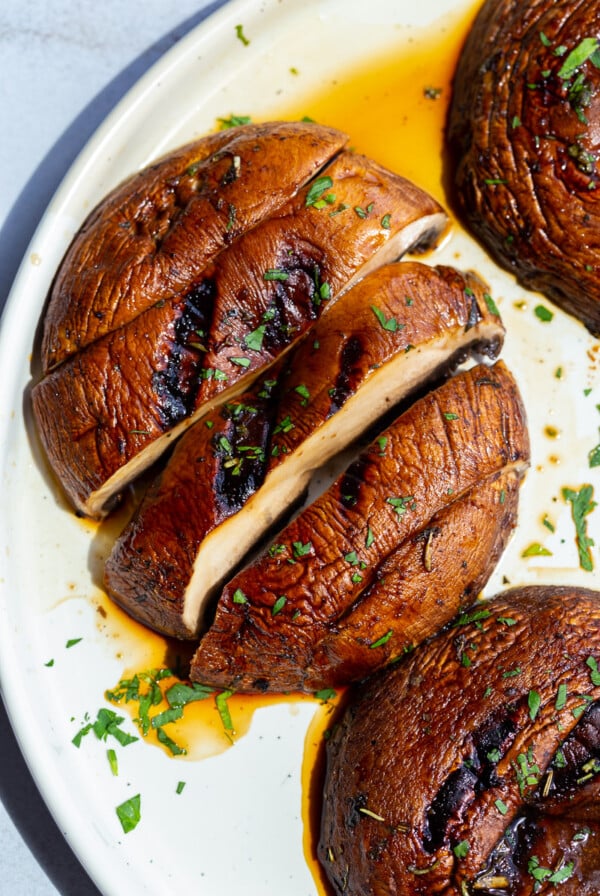
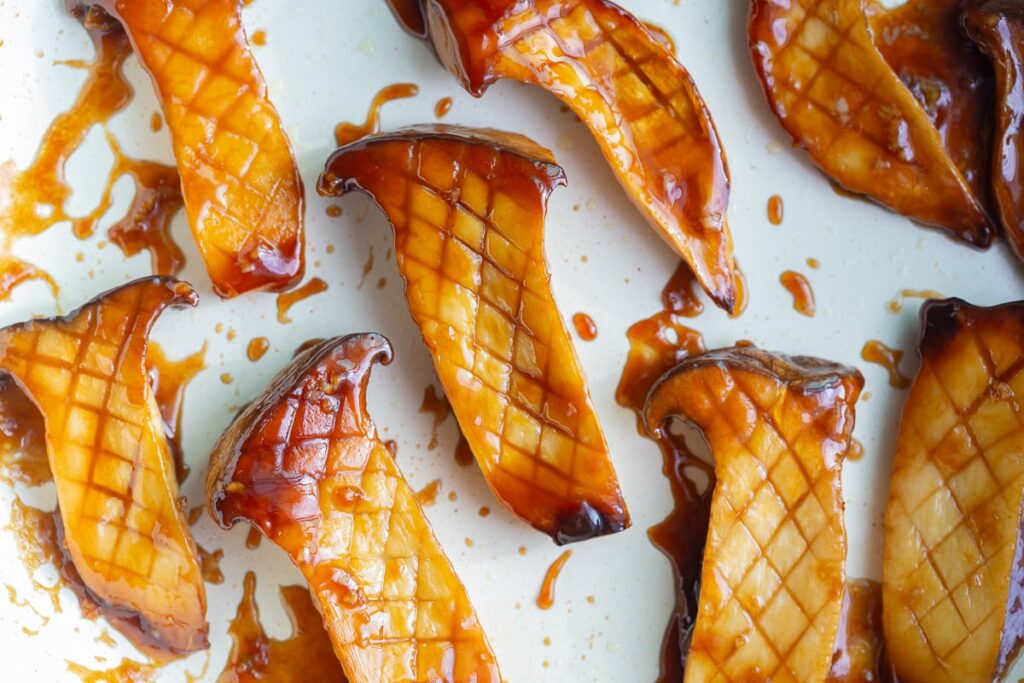
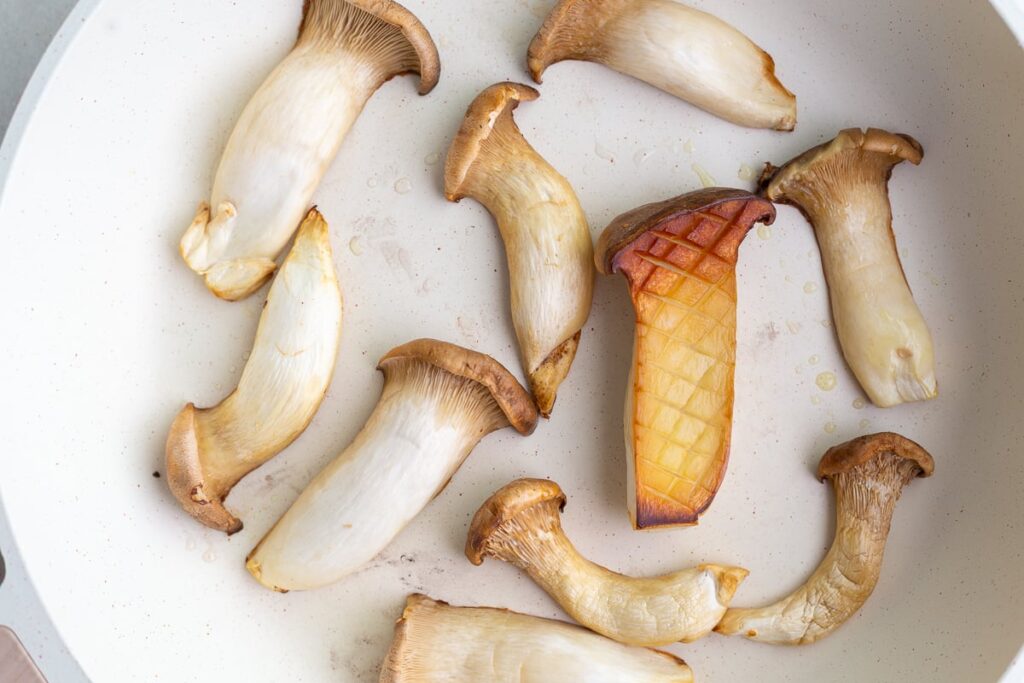
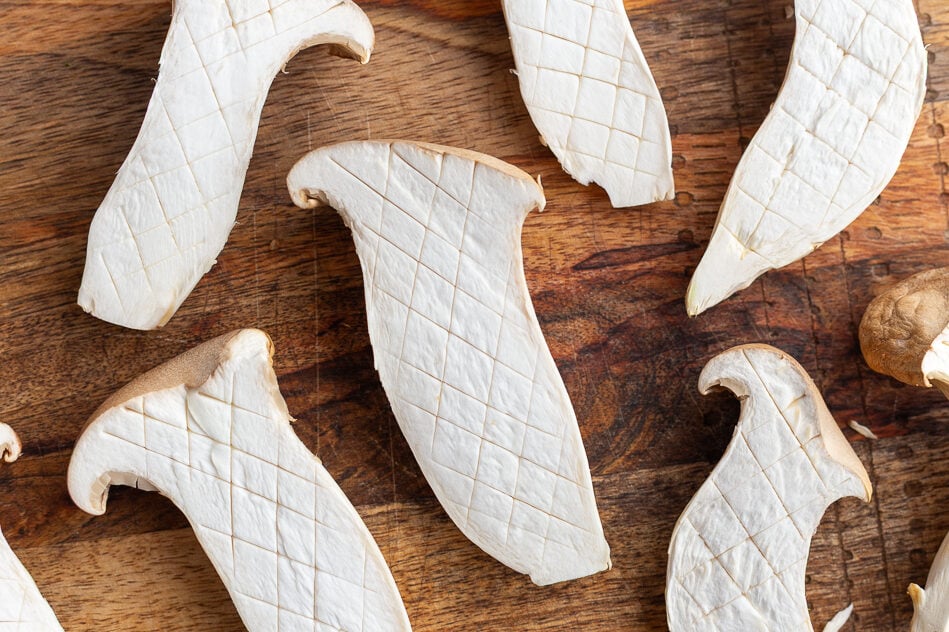
The preparation itself is refreshingly straightforward. Once cleaned—ideally wiped rather than rinsed to preserve their ability to brown—the mushrooms are sliced lengthwise and lightly scored. This small step allows sauces to seep into the flesh and creates additional surface area for caramelization. In a hot pan, they are left undisturbed just long enough to develop a golden crust before being flipped and finished with a glossy glaze built from pantry staples like soy sauce or tamari, a touch of sweetness from maple syrup or honey, rice vinegar for balance, and fresh garlic and ginger for depth.
As the sauce reduces, it clings to the mushrooms, creating a sticky coating that enhances their natural savoriness. Optional garnishes such as sesame seeds, sliced green onions, or a drizzle of chili oil add texture and heat, but the dish stands confidently on its own. The result is comforting, bold, and adaptable—qualities that have helped mushroom-based meals gain traction far beyond strictly vegetarian circles.
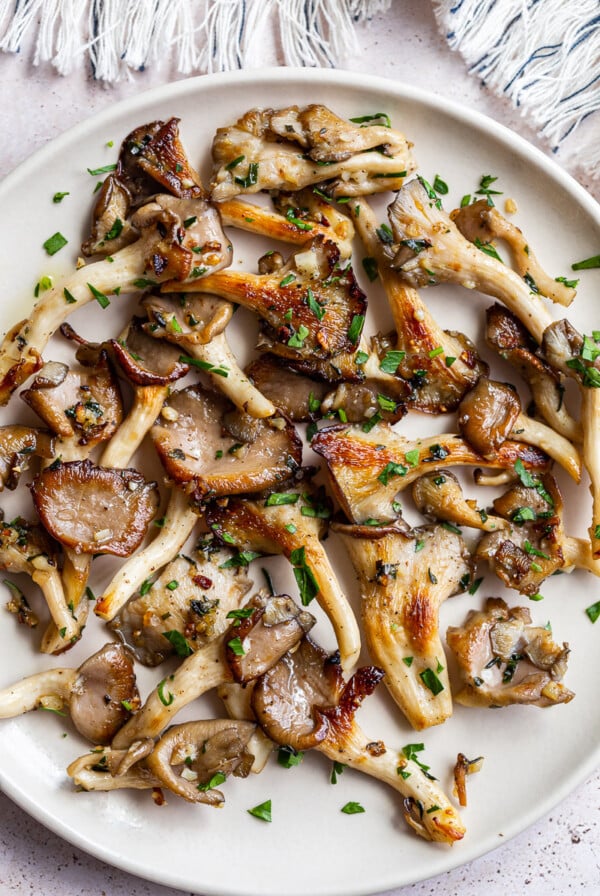
For cooks curious about flavor flexibility, king oyster mushrooms are particularly forgiving. They readily absorb seasoning, making them suitable for a range of global profiles, from Asian-inspired glazes to herb-forward Mediterranean preparations. Their ability to replace or supplement meat in familiar dishes is part of why they are increasingly seen as a practical tool for reducing environmental impact without changing how people enjoy food.
In a moment when sustainability conversations often feel abstract or overwhelming, dishes like sticky sautéed king oyster mushrooms offer a tangible, satisfying entry point. They demonstrate that climate-aware choices can begin at the stove, one skillet at a time, delivering comfort, flavor, and a lighter footprint all in the same bite.