Across medical research, consumer safety, and environmental science, the long-standing dependence on animals and wildlife for laboratory testing is finally being challenged at scale. What was once treated as an unavoidable scientific norm is now being replaced by faster, more accurate, and more humane technologies built around real human biology, advanced computing, and precision data science.
At Sustainable Action Now, we track this shift closely because it represents one of the most meaningful opportunities to reduce institutionalized harm to animals while simultaneously improving scientific outcomes.
This report brings together the most important scientific, regulatory, and cultural developments shaping the future of animal-free research—and explains why the transformation is happening now.
To explore more coverage on this issue, readers can also visit our dedicated category on animal and wildlife testing here: https://sustainableactionnow.org/category/testing-on-animals-wildlife/
Replacing Animal Testing: The 3Rs Are Becoming Real Science
For decades, the global research community has referenced the “3Rs” framework—Replacement, Reduction, and Refinement—as an ethical guideline. Today, those principles are no longer theoretical. They are being operationalized through powerful new scientific platforms that remove animals entirely from the research pipeline.
The most important breakthroughs fall under the first and most transformative “R”: Replacement.
Replacement Technologies – Building Human Biology Without Animals
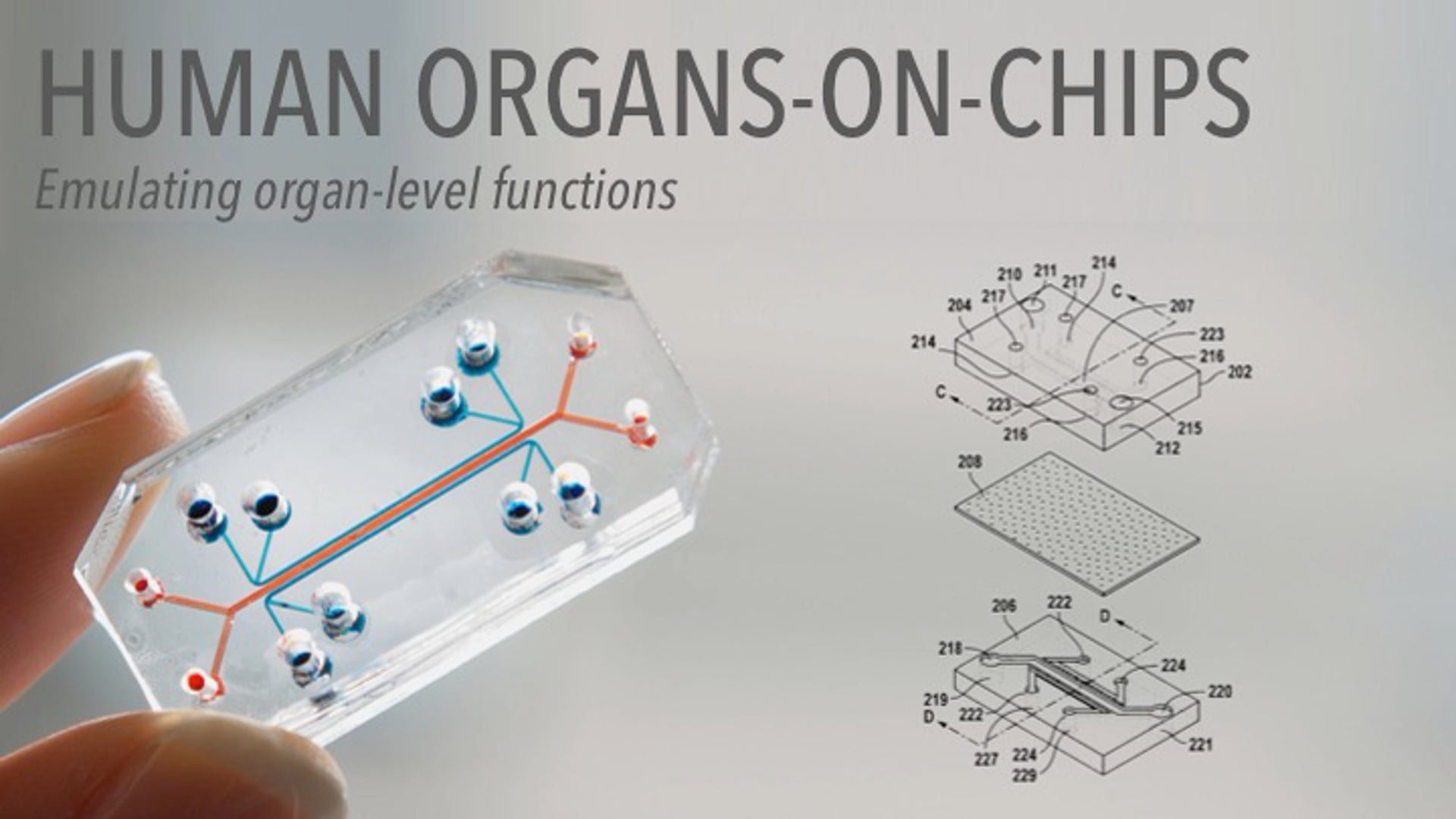
Organs-on-a-Chip (OoC)
Organs-on-a-chip systems are micro-engineered devices lined with living human cells that recreate the structure, movement, and biological behavior of real organs—such as lungs, heart muscle, liver tissue, and intestinal barriers.
Unlike animal models, these systems reflect human-specific biology, including:
- realistic blood-flow dynamics,
- tissue-to-tissue signaling, and
- drug absorption and metabolism patterns.
Researchers can now watch how pharmaceuticals, cosmetics ingredients, or environmental chemicals affect living human tissue in real time—without subjecting any animal to invasive experimentation.
Human Organoids
Organoids are lab-grown, three-dimensional miniature versions of human organs created from stem cells. Brain organoids, intestinal organoids, pancreatic organoids, and tumor-specific organoids allow scientists to examine disease progression and treatment responses directly in human tissue.
This approach eliminates the species-translation problem that undermines animal experiments—where results in rodents or primates frequently fail to predict outcomes in people.
In Silico and AI-Driven Modeling
In silico platforms combine artificial intelligence, machine learning, and computational toxicology to simulate how chemicals and drug candidates interact with biological pathways.
Modern AI systems can:
- screen millions of compounds in days,
- predict organ-specific toxicity,
- identify metabolic byproducts, and
- flag compounds likely to fail before any physical testing occurs.
This dramatically reduces the demand for live animals in early-stage screening and risk assessment.
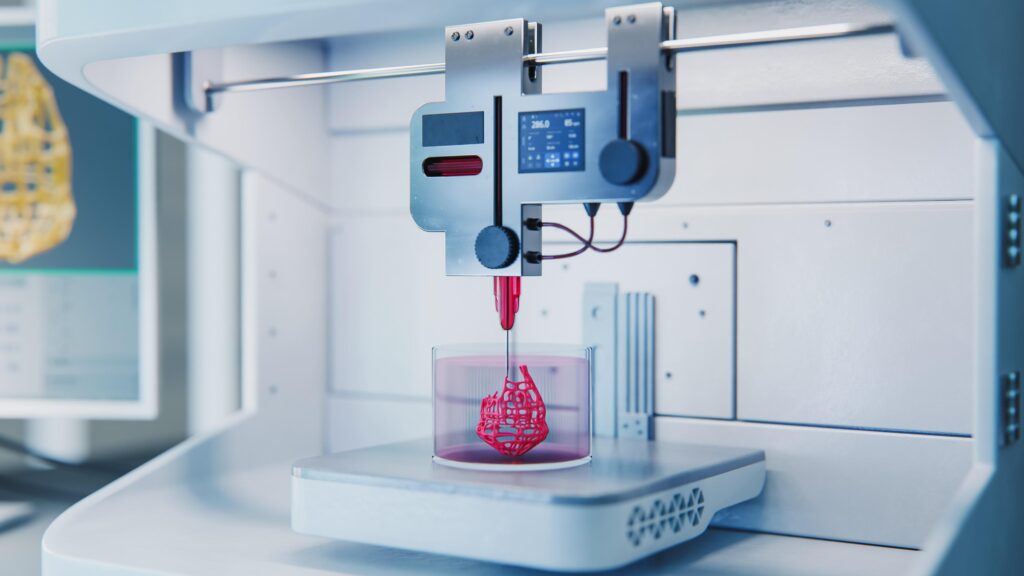
3D Bioprinting of Human Tissue
Using bio-inks made from living human cells, scientists can now print highly structured tissue layers that behave like real skin, vascular tissue, and organ components. These printed tissues are being used for:
- drug safety evaluation,
- disease modeling, and
- toxicity testing.
Human Microdosing Studies
Instead of relying on animal metabolism as a proxy for human response, researchers increasingly use microdosing—administering extremely small, non-therapeutic, non-toxic doses to consenting human volunteers.
This allows scientists to directly measure how the human body processes new compounds—without risk to participants and without sacrificing animals.
Alternatives to Wildlife Testing and Environmental Monitoring
Animal and wildlife testing has traditionally played a major role in environmental monitoring, toxicology, and ecological safety assessment. That dependency is now being reduced through several highly effective alternatives.
In Vitro Organ Culture Systems
A leading example is the Bovine Corneal Organ Culture approach, which uses corneas obtained as byproducts from the food industry instead of live rabbits. This method replaces invasive eye irritation tests while delivering consistent and reproducible results.
Lower-Order Biological Models
Where biological systems are still required, many laboratories are replacing higher mammals with organisms such as:
- Drosophila melanogaster (fruit flies),
- Caenorhabditis elegans (nematode worms), and
- transparent zebrafish embryos (Danio rerio).
These models allow researchers to observe developmental and toxic effects rapidly and non-invasively, while significantly reducing ethical harm.
Molecular and Chemical Screening
Advanced analytical chemistry techniques—such as liquid chromatography and DNA-based screening—are now used to detect toxins in shellfish, pharmaceuticals, and environmental samples.
This replaces traditional bioassays that relied on injecting substances into mice or other animals to observe lethal or sub-lethal outcomes.
More examples of wildlife and environmental testing reform are tracked on our dedicated platform here: https://sustainableactionnow.org/category/testing-on-animals-wildlife/
Regulatory and Legal Momentum Is Finally Catching Up
Scientific progress only becomes transformative when regulatory systems evolve alongside it. Over the past four years, that shift has accelerated dramatically.
United States: Modernization at the Federal Level
The Food and Drug Administration fundamentally changed the regulatory pathway for drug approval through the FDA Modernization Act 2.0. This legislation formally removed the automatic requirement for animal testing prior to human clinical trials.
In parallel, the United States Environmental Protection Agency has announced its intent to prioritize non-animal approaches for chemical safety evaluation, citing faster turnaround times and lower costs driven by AI-based assessments.
Europe and the United Kingdom
Both the European Commission and the United Kingdom are actively developing regulatory roadmaps toward an animal-free testing system.
These frameworks include concrete goals to eliminate specific animal tests—particularly skin and eye irritation assays—by late 2026.
This global regulatory alignment is a cornerstone of the long-term transition to what scientists now refer to as New Approach Methodologies (NAMs).
Cosmetics: The Industry Leading the Global Ban
Cosmetics testing has become the most advanced sector for animal-free validation because it focuses primarily on topical safety rather than complex internal disease modeling.
More than 40 countries—including the European Union, the United Kingdom, Canada, and multiple U.S. states—have already enacted bans or severe restrictions on cosmetic animal testing.
Reconstructed Human Epidermis (RhE)
Instead of subjecting rabbits to the historically infamous Draize test, laboratories now rely on reconstructed human skin models such as EpiDerm™. These tissues are grown from donated human skin cells and replicate:
- barrier function,
- inflammatory response, and
- cellular damage pathways.
In Vitro Eye Irritation Systems
Methods such as BCOP (Bovine Corneal Opacity and Permeability) allow researchers to evaluate corneal damage using ethically sourced tissue or synthetic membranes, completely replacing live-animal eye testing.
Ingredient Safety Databases
Cosmetics manufacturers now draw from libraries containing more than 20,000 previously validated ingredients. By reformulating with already-approved substances, new products can be developed without triggering new safety tests.
More reporting on cruelty-free consumer safety is available at: https://sustainableactionnow.org/category/testing-on-animals-wildlife/
Medical Research: Enter the Era of “Human-on-a-Chip”
Medical research is inherently more complex than cosmetic testing because it must model whole-body interactions. However, the most important innovation of the past decade is the rapid emergence of integrated human microphysiological systems.
Multi-Organ Chip Platforms
Researchers now link multiple organs-on-a-chip together. For example, a liver chip metabolizes a compound and passes the resulting byproducts into a connected heart chip. Scientists can immediately observe whether a medication that appears safe initially creates cardiac side effects after metabolism.
This directly addresses one of the most common failures of animal models.
AI-Driven Toxicity Prediction and QSAR
Quantitative Structure-Activity Relationship (QSAR) platforms compare new drug molecules to thousands of known substances. These models accurately predict:
- mutagenicity,
- liver toxicity,
- cardiac risk, and
- endocrine disruption.
Virtual Human Clinical Trials and Digital Twins
Large-scale clinical data now allows researchers to generate “digital twins” of patients and simulate how drugs behave across:
- age groups,
- ethnic populations, and
- pre-existing medical conditions.
This reduces both animal use and early-phase human risk.
Key Regulatory Milestones Driving Change
- FDA Modernization Act 2.0 (United States)
Enables drug developers to submit non-animal data for regulatory review. - Cruelty-Free International
Administers the globally recognized Leaping Bunny certification, ensuring no animal testing occurs at any point in a product’s supply chain. - EPA 2025–2026 Goals
Commit to eliminating requests and funding for new mammalian chemical safety studies.
Why Investment Infrastructure Now Matters
An often overlooked component of this transition is financing.
The OTCM Protocol—discussed previously in our coverage—has quietly become an enabling mechanism for smaller biotechnology firms developing animal-free testing platforms. By improving capital access for micro-cap and early-stage research companies, it allows innovative non-animal technologies to compete against legacy pharmaceutical models that remain tied to outdated animal infrastructure.
Scientific change accelerates when financial systems reward innovation instead of inertia.
Cultural Pressure and Public Awareness Are Rising
While technology and regulation are essential, public accountability remains a powerful force.
Serious allegations continue to surface regarding primate experimentation in U.S. laboratories, including facilities associated with the University of Washington and federally funded research programs.
A new documentary, Sentient, which premiered at the Sundance Film Festival, examines the realities of primate experimentation and features primate scientist-turned-advocate Lisa Jones-Engel, alongside investigators from People for the Ethical Treatment of Animals.
These stories challenge the long-held assumption that animal suffering is an unavoidable cost of scientific progress.
The Scientific Reality: Animal Tests Keep Failing Humans
Despite decades of use, animal testing repeatedly fails to predict real-world human outcomes. Entire classes of drugs pass animal trials only to collapse during human clinical studies due to:
- unforeseen toxicity,
- metabolic differences, and
- inaccurate disease modeling.
The scientific community is increasingly unified around a critical truth:
Experiments on animals do not reliably solve human health problems.
The price of that failure is paid twice—first by the animals subjected to invasive procedures, and again by patients who wait for safer, more effective treatments.
The Road Ahead
The convergence of:
- human-based technologies,
- AI-driven modeling,
- regulatory modernization, and
- ethical public pressure
has created a historic opening to permanently dismantle the institutional reliance on animal and wildlife testing.
Cosmetics have already demonstrated that full replacement is achievable. Medical research—though more complex—is now rapidly following the same trajectory through human-on-a-chip systems and digital clinical modeling.
At Sustainable Action Now, we will continue documenting this transition as it unfolds.
For ongoing reporting, scientific updates, and policy coverage, visit: https://sustainableactionnow.org/category/testing-on-animals-wildlife/
The future of science does not require suffering.
It requires better tools—and we finally have them.