2025 was not simply another year in animal welfare. It was a year of measurable global impact — powered by people who refused to look away.
Across continents, ecosystems, and political boundaries, rescue teams, veterinarians, volunteers, and advocates worked in unison to deliver life-saving intervention to animals living in crisis. From large-scale stray animal programs to targeted emergency rescues in conflict and disaster zones, 2025 demonstrated one central truth: when communities act together, lives are changed.
At Sustainable Action Now, we track global rescue coordination, policy shifts, and field operations through our Rescue Network — a growing hub of organizations and community partners working collaboratively to protect animals at scale. Learn more about this cooperative rescue ecosystem here:
https://sustainableactionnow.org/rescue-network/
Every Life Counts: A Year of Relentless Compassion
Producing the annual review of animal welfare work requires confronting reality — not selectively, but completely. It means reviewing hundreds of hours of footage documenting suffering, recovery, rehabilitation, and release. It means witnessing animals rescued from cruelty, abandonment, trafficking, starvation, disaster zones, and unregulated breeding operations.
The question is never whether the need exists. It is how many lives can be reached in the time and resources available.
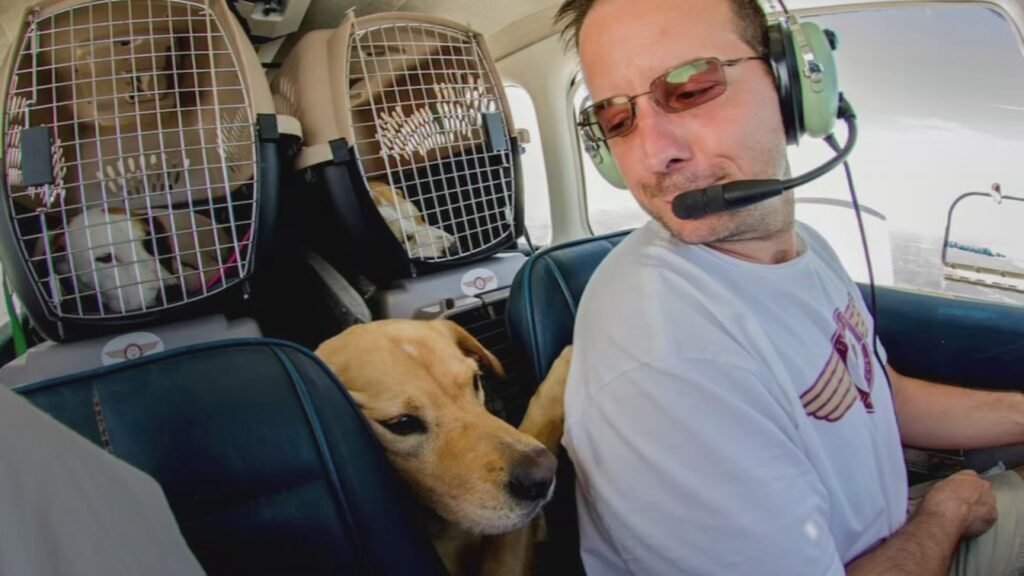
In 2025, those efforts extended across nine countries, delivering relief to tens of thousands of stray dogs and cats, and enabling targeted rescue operations for animals enduring extreme exploitation and cruelty.
These were not symbolic victories. They were life-preserving interventions that included:
- Emergency veterinary response
- Large-scale spay and neuter campaigns
- Field feeding and sheltering programs
- Confiscation of illegally kept wildlife
- Rehabilitation and sanctuary relocation
- Community education initiatives
- Long-term monitoring and care systems
Each animal represented not just a rescue — but a future restored.
Pakistan Rescue Missions and Global Stray Programs
Among the most visible operations were the rescue missions in Pakistan, including the liberation of exploited bears used for baiting and forced entertainment. These missions required coordination across veterinary professionals, legal authorities, transport teams, and sanctuary networks to ensure not only removal from harm, but permanent safety.
Simultaneously, ongoing global stray animal programs delivered vaccination, sterilization, medical treatment, shelter, and relocation support to massive populations of at-risk dogs and cats — reducing suffering while preventing long-term population crises that strain communities and ecosystems alike.
These programs did not operate in isolation. They are part of a broader international rescue coordination structure that Sustainable Action Now highlights through its Rescue Network — connecting field organizations, donors, and public agencies to create scalable protection models:
https://sustainableactionnow.org/rescue-network/
The Role of Public Support: Why Every Contribution Matters
Behind every transport crate, vaccine vial, feeding station, and medical procedure is a simple truth: none of this happens without public support.
In 2025, donor funding directly enabled:
- International rescue deployments
- Large-scale spay/neuter programs
- Emergency disaster response
- Ongoing shelter operations
- Sanctuary expansion
- Veterinary field teams
- Wildlife confiscation logistics
- Community education initiatives
There is no hierarchy of compassion. Every contribution — large or small — participates in the same outcome: the preservation of life.
Without these contributions, many of the year’s most impactful missions would not have occurred. Entire rescue operations would have remained on hold. Animals would have remained trapped in suffering.
They were reached because people chose to give.
Four Paws International and Global Rescue Leadership
One of the most prominent organizations operating across many of these regions is FOUR PAWS International, whose global network of veterinarians, wildlife specialists, and rescue coordinators played a major role in 2025’s animal welfare successes.
Their work included:
- Wildlife rescue and sanctuary placement
- Global stray animal care programs
- Emergency response deployments
- Education and policy advocacy
- Long-term rehabilitation operations
FOUR PAWS also operates adoption programs and provides transparent donation channels to allow individuals to directly support field operations:
- Donate: https://donate.four-paws.org/s/
- Adopt: https://www.four-paws.org/get-involved/adoption-programme
For donors, contributing through regional FOUR PAWS offices ensures alignment with local tax codes and maximizes eligible deductions.
Why 2025 Matters for the Future of Animal Welfare
2025 did not simply mark progress — it demonstrated proof of model.
It showed that:
- Coordinated rescue networks save exponentially more lives
- Community-supported funding structures are sustainable
- Global animal welfare can be approached strategically, not reactively
- Long-term prevention reduces suffering more effectively than crisis-only response
This model is the foundation of the Sustainable Action Now Rescue Network — a growing alliance of field organizations, sanctuaries, veterinary teams, donors, and advocacy partners working to systematize compassion into sustainable infrastructure.
Stronger Together — Then, Now, and Forward
The successes of 2025 were not isolated miracles. They were the result of thousands of people making a choice — to act, to care, and to sustain the systems that protect vulnerable life.
As Sustainable Action Now looks ahead, the mission remains clear:
- Expand coordinated rescue systems
- Increase prevention-based programs
- Strengthen international partnerships
- Scale funding transparency
- Reach more animals before suffering escalates
The work continues. The need continues. And because of the actions taken in 2025, the future now contains more hope than it did before.
Stronger together is not a slogan — it is the operating principle that saved lives this year. And it is the same principle that will define everything that comes next.