

Across the United States, specialty courts—often branded as treatment courts, problem-solving courts, or accountability courts—are increasingly promoted as a humane alternative to incarceration. These courts are typically designed for people facing charges connected to substance use, mental health needs, or other social vulnerabilities. Their promise is appealing: address the “root causes” of criminalized behavior, reduce jail populations, and offer people a second chance through structured treatment instead of punishment.
But when we look closely at decades of research, policy analysis, and lived experience, a very different picture emerges.
At Sustainable Action Now, we believe that real justice reform must actually reduce incarceration, eliminate coercive systems, and center human dignity. Unfortunately, specialty courts—despite their progressive branding—often fall short of that goal.
This report examines why specialty courts are widely promoted as diversion, why they routinely fail to function as true alternatives to incarceration, and how they continue to expand the reach of the criminal legal system instead of shrinking it.
For broader context on incarceration and privatized systems of punishment, visit our in-depth resource hub here: 👉 https://sustainableactionnow.org/private-prisons/
The Rise of Specialty Courts
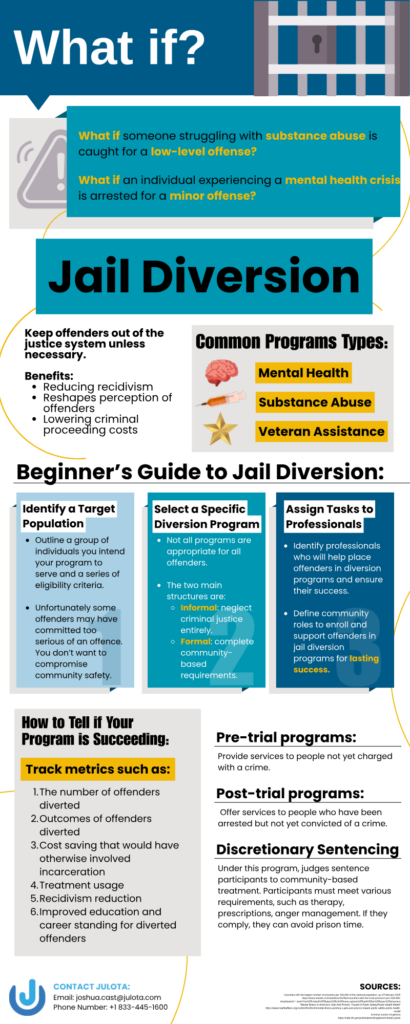
Specialty courts now exist in thousands of jurisdictions nationwide. They typically include:
- drug courts
- mental health courts
- veterans’ courts
- family treatment courts
- reentry or supervision courts
The model is consistent across most programs:
Participants plead into a specialized court track, agree to strict supervision, and are required to comply with court-mandated treatment plans, regular drug testing, frequent court appearances, and behavioral conditions—often for many months or even years.
In theory, these courts offer an alternative to jail or prison. In practice, they often operate as another layer of criminal system control.
The Central Promise: “Diversion”
The defining justification for specialty courts is diversion—diverting people away from incarceration and toward treatment or support.
But diversion only matters if:
- incarceration is actually avoided, and
- participants are not punished for struggling with health conditions, poverty, trauma, or unstable housing.
Decades of evaluation and advocacy show that specialty courts routinely fail on both counts.
Why Specialty Courts Are a Disappointing Form of Diversion
Despite their popularity, specialty courts consistently show serious structural weaknesses.
1. They still rely on punishment to enforce treatment
Specialty courts are built around compliance.
If a participant misses an appointment, relapses, tests positive for substances, or fails to meet program requirements, the response is often:
- sanctions
- increased supervision
- extended program time
- short jail stays
- or full program termination
Relapse and instability—normal features of recovery and mental health treatment—are treated as violations rather than clinical realities.
This means that people are still incarcerated, just through a different and more complex pathway.
2. Many participants would not have been incarcerated in the first place
One of the most troubling realities is that specialty courts often enroll people who would otherwise have received:
- probation,
- community-based sentences, or
- dismissal or reduced charges.
In other words, the court becomes an additional form of surveillance and control, not a genuine substitute for incarceration.
This phenomenon is known as net-widening—when a reform program expands the number of people under system supervision rather than shrinking it.
3. Completion rates are often low
Specialty court programs are frequently long, rigid, and difficult to complete.
Participants must navigate:
- frequent court appearances
- transportation challenges
- work conflicts
- childcare responsibilities
- housing instability
- and financial costs
Failure to complete the program often results in people returning to traditional prosecution and sentencing—sometimes facing harsher outcomes because of time spent under supervision.
Instead of preventing incarceration, specialty courts frequently delay it.
4. They fail to follow evidence-based treatment practices
Although many specialty courts claim to use best-practice treatment models, the court structure itself often interferes with clinical standards.
Judges, not medical professionals, frequently make decisions about:
- treatment participation
- sanctions
- program progression
- and termination
This undermines individualized care and replaces health-centered decision-making with courtroom authority.
5. Participation is coercive
Most specialty courts require participants to plead guilty or accept criminal responsibility before entering the program.
That means treatment is not voluntary.
People often agree to participate because the alternative is incarceration—not because the program reflects their needs, readiness, or circumstances.
When treatment is delivered under threat of punishment, it becomes a tool of control rather than care.
The Myth of “Solving Root Causes”
Specialty courts are widely marketed as addressing the root causes of criminalized behavior—especially substance use and mental health conditions.
But courts cannot fix:
- lack of affordable housing
- limited access to healthcare
- unemployment
- food insecurity
- community disinvestment
- untreated trauma
What they can do is enforce compliance within a narrow courtroom setting.
That distinction matters.
True solutions require investment in public health systems, housing infrastructure, and community-based support—not judicial supervision.
Who Is Left Out
Specialty courts also tend to exclude people with:
- more serious charges
- longer criminal histories
- co-occurring conditions
- unstable housing
- or previous system involvement
Those most harmed by incarceration are often deemed “too risky” for diversion.
As a result, specialty courts frequently serve a smaller, more selective population—while the broader system of incarceration continues unchanged.
A Reform That Preserves the System
From a policy perspective, specialty courts are attractive because they allow jurisdictions to claim reform without confronting the deeper drivers of incarceration.
They:
- preserve prosecutorial leverage
- maintain judicial authority
- expand supervision networks
- and avoid meaningful decarceration targets
In many jurisdictions, specialty courts grow alongside jail and prison populations rather than replacing them.
This is not transformation. It is rebranding.
The Relationship to the Private Prison and Supervision Industry
The expansion of specialty courts also intersects with broader systems of incarceration and privatized punishment.
Longer periods of supervision, mandated monitoring, testing services, and contracted treatment providers all generate new revenue streams within the criminal legal ecosystem.
When “diversion” still requires:
- constant court involvement
- contracted services
- and extended supervision periods
it continues to sustain the same institutional machinery that fuels incarceration.
For a deeper examination of how incarceration and privatization are intertwined, see our ongoing coverage here: 👉 https://sustainableactionnow.org/private-prisons/
What Real Diversion Should Look Like
True diversion does not begin in a courtroom.
It begins by keeping people out of the criminal legal system entirely.
Effective alternatives must include:
- voluntary, community-based treatment
- housing-first programs
- public health-led interventions
- non-police crisis response
- and accessible mental health and substance use services
Crucially, these supports must exist without the threat of incarceration.
Reframing the Question
The real policy question is not:
How can courts deliver treatment more effectively?
It is:
Why are courts being used to deliver treatment at all?
When healthcare, housing, and social support are routed through the criminal legal system, people must first be criminalized in order to receive help.
That is not equity. It is conditional compassion.
A Sustainable Action Now Perspective
Specialty courts are often described as progressive reform. In reality, they frequently operate as a softer-looking extension of the same system that continues to rely on surveillance, punishment, and coercion.
They do not dismantle incarceration.
They reorganize it.
If the goal is genuine decarceration and public safety rooted in health and stability, then specialty courts cannot be treated as the end point of reform.
They should be critically evaluated—and in many cases, replaced by systems that remove courts from the role of social service gatekeepers entirely.
For continued reporting on incarceration, privatized punishment, and real alternatives to confinement, visit our resource center: 👉 https://sustainableactionnow.org/private-prisons/