
For consumers who care about animals, the message is simple: if a product is not cruelty-free, it does not belong in our closets, on our shelves, or in our shopping carts.
At Sustainable Action Now, our reporting continues to expose how animals—both domestic and wild—are routinely harmed, exploited, and hidden behind corporate branding and marketing language. The global fashion industry remains one of the most persistent offenders. From fur and exotic skins to live-plucked fibers, animals continue to pay a devastating price for trends that can—and should—be replaced with ethical alternatives.
As part of our ongoing coverage of the abuse of animals and wildlife, we are calling attention to new evidence that shows how one major brand is fully aware of cruelty within its supply chain—yet still refuses to take meaningful action.
Angora wool is derived from rabbits whose long fur is harvested repeatedly throughout their lives. Despite carefully constructed marketing narratives, the reality behind angora production has been exposed again and again. Investigations have shown rabbits restrained, terrified, and physically injured while large amounts of fur are violently pulled from their bodies. The animals often scream during the process. Many suffer broken bones, open wounds, and severe stress. After their productivity declines, rabbits are frequently slaughtered.
Kangol’s internal correspondence confirms what advocates have long argued: companies that continue to source angora are not ignorant. They are choosing to remain complicit.
The accidental email makes something even more troubling painfully clear. Kangol’s position is not based on uncertainty, lack of evidence, or an inability to verify conditions. The brand is fully aware of how angora is produced. It simply does not see the abuse of rabbits as a business liability—unless consumers make it one.
That distinction matters.
When companies publicly claim to value ethics, sustainability, and responsible sourcing while privately acknowledging animal cruelty and refusing to act, the harm extends far beyond one product line. It undermines public trust, weakens industry accountability, and reinforces a system where animal suffering remains an acceptable cost of doing business.
This is why consumer pressure is not symbolic—it is essential.
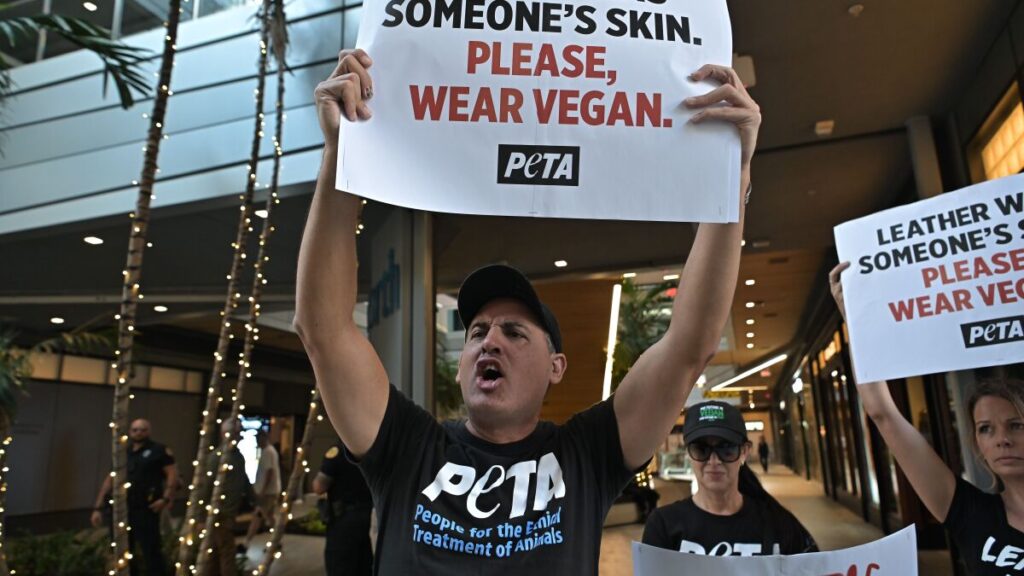
Shoppers who want to ensure that their purchases do not support animal suffering can begin by using reliable cruelty-free resources before buying beauty, fashion, and personal-care products. One of the most comprehensive public tools available is PETA’s cruelty-free database, which allows consumers to search brands and confirm whether products are tested on animals or linked to animal exploitation. If a company cannot meet basic cruelty-free standards, it does not deserve consumer loyalty.
But cruelty in the fashion supply chain goes beyond testing alone.
The angora industry represents a broader and deeply entrenched pattern within global manufacturing: animals are treated as raw materials rather than living beings. Rabbits used for angora are intelligent, social, and sensitive animals. Their fear responses, stress levels, and physical suffering during live-plucking have been documented repeatedly by investigators and veterinarians.
Yet despite years of public reporting and widespread outrage, angora has not disappeared. It survives because companies continue to treat animal suffering as a manageable risk rather than a moral boundary.
Kangol’s accidental email illustrates this corporate calculation with unsettling clarity.
Instead of committing to a permanent ban on angora, the company appears willing to wait—monitoring whether the issue becomes publicly damaging enough to force a response. This strategy places responsibility not on the brand, but on consumers and advocates to expose what should never have been hidden in the first place.
At Sustainable Action Now, we reject the idea that corporations should only stop harming animals when it threatens their profit margins. Ethical responsibility must come before brand protection.
That is why we are calling on Kangol to immediately and publicly ban angora across all of its products, suppliers, and licensing agreements.
No vague commitments.
No conditional policies.
No waiting to see if outrage fades.
A permanent ban on angora is the only acceptable response.
This issue also reflects a larger crisis within the fashion and apparel sector. While many companies now advertise “ethical collections” or limited sustainability initiatives, those programs frequently coexist with supply chains that continue to rely on animal exploitation. Without transparency, third-party accountability, and public reporting, cruelty remains hidden behind carefully curated branding.
Consumers should not have to investigate leaked emails to learn whether a company knowingly supports animal abuse.
The solution is not complicated.
The fashion industry already has access to high-quality synthetic and plant-based alternatives that replicate the look and texture of animal fibers without the suffering. Innovation is not the barrier. Corporate will is.
If Kangol truly intends to align itself with modern ethical standards, it must take the same step many other companies have already taken—cut ties with angora completely and commit to cruelty-free materials moving forward.
We are asking supporters, readers, and concerned consumers to act now.
Demand that Kangol ban angora immediately.
Contact the brand directly.
Share this report.
Refuse to purchase products made with rabbit fur or any animal-derived fibers linked to abuse.
The power of public accountability is real, and history shows that companies change only when consumers refuse to look away.
This case belongs within a much wider global reckoning over how animals are treated for fashion, profit, and convenience. From rabbits in angora farms to wildlife exploited for skins, feathers, and novelty products, the pattern is the same: animals are hidden, suffering is normalized, and silence protects corporate interests.
Kangol now has a clear choice.
It can continue to knowingly benefit from an industry built on cruelty—or it can finally take responsibility and end its connection to the angora trade.
For anyone who believes that compassion should not be optional, the message is clear:
If it isn’t cruelty-free, it isn’t for us.
How to Shop Cruelty-Free in 2025–2026—and Why Your Buying Choices Matter More Than Ever
In a marketplace overflowing with “clean,” “ethical,” and “green” labels, one question still cuts through the noise for conscious consumers: Was this product tested on animals?
At Sustainable Action Now, our reporting continues to expose how animals—both domestic and wild—are exploited behind closed doors by industries that profit from secrecy, outdated testing practices, and weak regulatory oversight. From cosmetics laboratories to global manufacturing supply chains, animal suffering remains deeply embedded in everyday consumer products.
That is why learning how to verify cruelty-free claims is not a lifestyle trend. It is a form of direct action.
As part of our ongoing coverage of the global abuse of animals and wildlife, we continue to highlight practical tools that empower consumers to stop funding animal testing and animal exploitation at the checkout counter.
One of the most effective and widely trusted tools available today is PETA’s Ultimate Cruelty-Free List, which allows shoppers to confirm whether a company tests on animals before making a purchase. The same database is also available through the Bunny Free App, making it possible to check a brand’s status instantly—while standing in a store aisle or browsing online.
In an era when corporations carefully design ethical branding campaigns, independent verification has become essential.
Why cruelty-free verification matters
Despite decades of scientific advancement, animal testing is still legally permitted—and in some countries, legally required—for certain cosmetic and household products. This has created a loophole that allows global brands to claim “cruelty-free” in one market while allowing animal testing in another.
As a result, consumers who genuinely want to avoid supporting animal suffering must look beyond advertising language and rely on independent databases that examine corporate policies, supply chains, and international testing requirements.
PETA’s cruelty-free database plays a critical role in closing that information gap.
How to use the cruelty-free database effectively
The database is designed to be fast, accessible, and usable for both everyday shoppers and researchers looking for more detailed brand policies.
Consumers can search by brand name or by product type. For example, you can enter the name of a specific company, or simply search for categories such as mascara, shampoo, toothpaste, or sunscreen. The search results show whether the brand has verified that it does not conduct, commission, or allow animal testing for its products or ingredients.
One of the most important features of the database is its logo system.
When browsing products, shoppers should look for the “Global Animal Test–Free” bunny logo. This certification indicates that the company has committed to a no-animal-testing policy across its operations and supply chain.
If the logo also includes the word “Vegan,” it means something additional and equally important: the entire product line is free from animal-derived ingredients such as beeswax, honey, lanolin, collagen, or carmine.
This distinction matters for consumers who are seeking products that avoid both animal testing and animal exploitation through ingredients.
The database also provides access to a separate and often overlooked resource—the “Test on Animals” list. This list identifies companies that still test on animals or allow testing in regions where it is legally required. Many global brands fall into this category because they choose to sell in markets that mandate animal testing rather than push for regulatory reform.
For ethical consumers, this transparency is critical. It allows shoppers to make fully informed decisions rather than relying on vague corporate messaging.
Cruelty-free shopping at a glance: 2025–2026
The ethical beauty and personal-care market has grown rapidly in recent years, and major retailers are finally responding to consumer demand.
Both Ulta and Sephora now offer expanded cruelty-free filters on their websites, making it easier for customers to narrow their searches and avoid supporting animal testing. While filters should never replace independent verification, they do signal a clear shift in mainstream retail toward cruelty-free consumer expectations.
Today, a wide range of cruelty-free brands are readily available across multiple product categories.
In makeup, widely recognized cruelty-free options include e.l.f. Cosmetics, Milani, Rare Beauty, and Urban Decay.
In personal-care and household products, cruelty-free examples include John Paul Mitchell, Lush, Method, and Seventh Generation.
In skincare, brands such as Acure, Alba Botanica, and Ilia Beauty continue to expand their cruelty-free product lines.
This level of availability demonstrates that animal testing is no longer a necessity for product development. Innovation, ingredient safety, and quality control are fully achievable without harming animals.
The important issue of parent companies
For many consumers, cruelty-free shopping does not end with the brand name printed on the label.
A growing number of shoppers also research who owns the brand.
Some cruelty-free companies are owned by parent corporations that still conduct animal testing on other product lines. A frequently cited example is Urban Decay, which is owned by L’Oréal—a parent company that continues to operate in markets that require animal testing.
This creates what many consumers consider a “grey area” in ethical purchasing. While the individual brand may maintain cruelty-free certification, profits ultimately flow to a corporate parent that supports animal testing elsewhere.
Because of this complexity, many shoppers consult additional third-party resources such as Cruelty Free Kitty, which provides detailed breakdowns of brand ownership structures, regulatory exposure, and policy loopholes. These tools help consumers decide how far they personally want their ethical boundaries to extend.
At Sustainable Action Now, we believe transparency around ownership and corporate influence is a critical part of addressing the wider systems that perpetuate animal abuse.
Cruelty-free shopping is part of a larger movement
Choosing cruelty-free products is not just about personal values. It is part of a broader challenge to industries that continue to treat animals as disposable research tools, raw materials, or regulatory obstacles.
Cosmetic and personal-care testing is only one piece of a much larger global pattern of animal exploitation. From laboratory testing and industrial farming to wildlife trafficking and habitat destruction, animals are consistently excluded from ethical decision-making when profit is involved.
That is why our work continues to connect consumer education with broader advocacy addressing the abuse of animals and wildlife across multiple sectors. You can follow our ongoing investigations, campaigns, and action alerts within our dedicated reporting on animal and wildlife abuse through Sustainable Action Now’s coverage of this issue.
When consumers choose cruelty-free products, companies feel it.
When consumers consistently verify claims instead of accepting marketing language, companies are forced to strengthen policies.
And when enough people refuse to support brands that test on animals, corporate strategies begin to change.
How your everyday purchases drive change
Every purchase communicates approval.
Every skipped purchase communicates resistance.
By using cruelty-free verification tools, looking for certified logos, checking the “test on animals” list, and researching parent company policies, consumers are quietly but powerfully reshaping the market.
The rapid expansion of cruelty-free product lines in major retailers did not happen because corporations suddenly developed stronger ethics. It happened because consumers demanded alternatives and proved that compassion is profitable.
The future of cruelty-free commerce will be shaped not by advertising campaigns—but by informed shoppers who refuse to accept animal suffering as an invisible side effect of convenience.
If a brand cannot guarantee that animals were not harmed to create its products, then it does not deserve your money.
And in a world where accurate information is now only a few seconds away, choosing cruelty-free is no longer complicated.
It is simply a choice.