


Valentine’s Day doesn’t have to come with a side of animal exploitation, artificial ingredients, or high-impact food choices. Whether you love baking something thoughtful at home or prefer to order a ready-made treat, there are now more beautiful—and genuinely indulgent—vegan desserts than ever before.
At Sustainable Action Now, we continue to spotlight plant-based food choices because they reduce environmental pressure, support more humane food systems, and make sustainable living accessible in everyday moments—especially celebrations. You can explore more low-impact and plant-forward cooking ideas anytime through our full collection of sustainable recipes and food features in our recipes and sustainable food hub.
This week, we’re highlighting the most loved and shareable vegan Valentine’s desserts—both homemade and ready-to-buy—so you can celebrate with flavor, creativity, and compassion.
Why vegan desserts belong at the center of Valentine’s Day
Traditional Valentine’s treats rely heavily on dairy, eggs, and mass-produced chocolate—ingredients tied to deforestation, high greenhouse gas emissions, and intensive animal agriculture.
Plant-based desserts offer a meaningful alternative. They:
- dramatically reduce climate and water impacts
- avoid animal suffering
- are often easier to make allergen-friendly
- allow you to celebrate without compromising your values
And most importantly, they no longer feel like “substitutes.” These recipes are designed to be indulgent, romantic, and visually stunning.
Homemade Vegan Valentine’s Dessert Ideas
Chocolate Strawberry Hearts


4
This is one of the easiest and most shareable Valentine’s desserts—and it’s everywhere for a reason.
Simply slice fresh strawberries into heart shapes, dip them into melted dairy-free dark chocolate, and allow them to set. That’s it.
You can elevate them with:
- crushed freeze-dried raspberries
- shredded coconut
- finely chopped pistachios
They’re perfect for gifting, plating with champagne, or serving as a light dessert after a romantic dinner.
Linzer Heart Cookies with Raspberry Jam


4
Linzer cookies are a timeless Valentine’s classic—and they translate beautifully into vegan baking.
These tender, almond-based sandwich cookies feature a heart-shaped cutout that reveals a bright raspberry jam center. They feel elegant and nostalgic at the same time and work especially well as:
- gift boxes
- dessert tables
- bake-and-share projects
Many vegan versions can also be made gluten-free with minimal adjustments.
Vegan Red Velvet Cupcakes with Cream Cheese Frosting



4
Red velvet cupcakes remain one of the most recognizable Valentine’s desserts—and they’re now fully achievable without eggs or dairy.
Modern vegan versions use either beet juice or plant-based food coloring for that signature red hue and are topped with silky dairy-free cream cheese frosting.
They’re soft, rich, and ideal for:
- classroom parties
- small gatherings
- romantic dinners at home
You don’t lose any of the classic flavor—only the environmental and ethical cost.
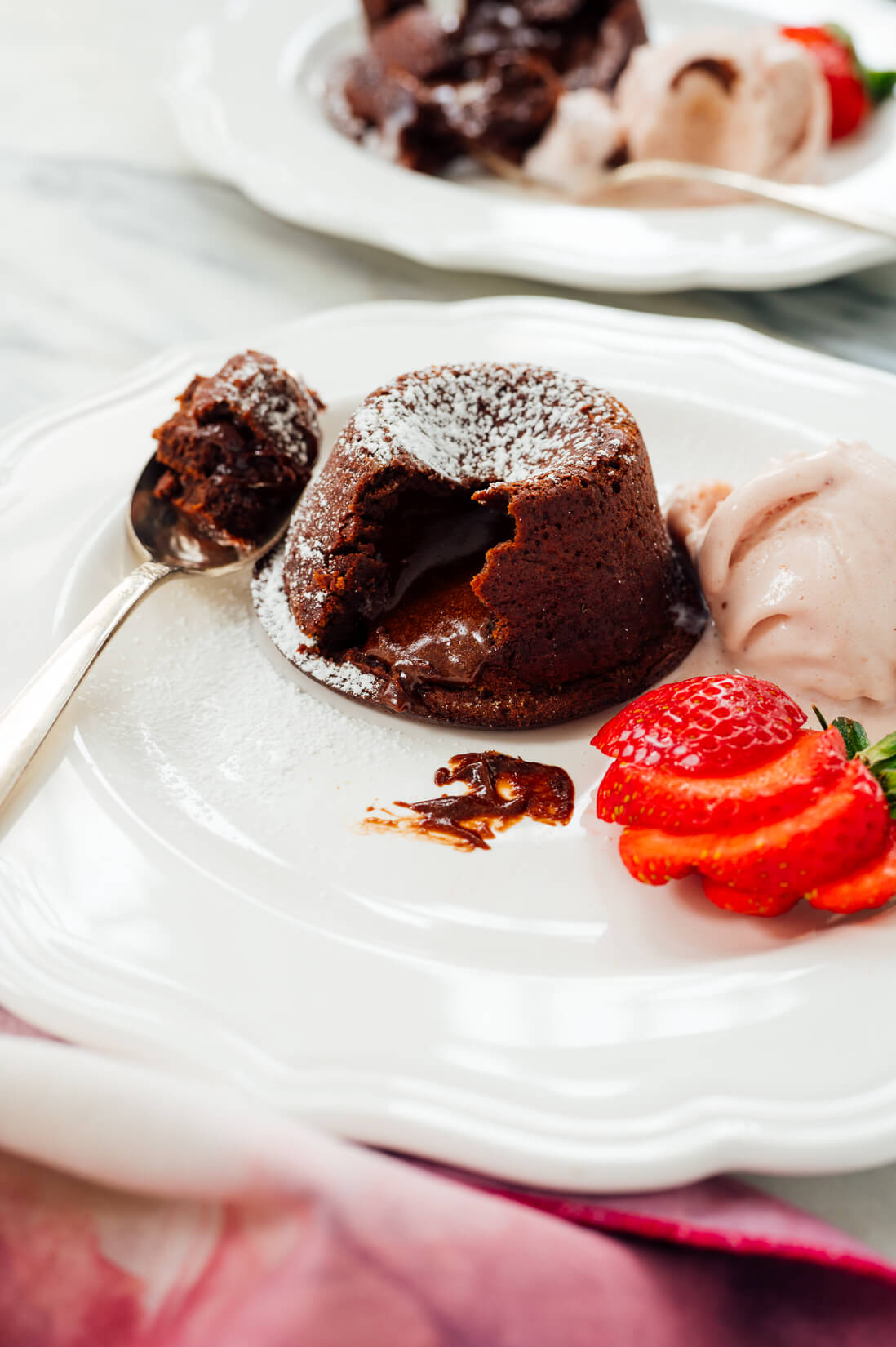
Molten Vegan Chocolate Lava Cakes


4
Few desserts feel more romantic than a warm, molten chocolate cake—and vegan versions deliver the same dramatic center and deep cocoa flavor.
Many of the most popular recipes are:
- one-bowl
- seven ingredients or fewer
- ready in under 30 minutes
They’re ideal for a dinner-for-two setting and pair beautifully with coconut whipped cream or fresh berries.
No-Bake Strawberry Cheesecake


4
If you want something a little lighter—but still decadent—no-bake strawberry cheesecake is an outstanding option.
Most vegan versions use:
- a cashew-based filling
- a date-and-nut crust
- fresh or blended strawberries
This style of dessert is naturally creamy, beautifully pink, and perfect for make-ahead Valentine’s treats.
Where to buy vegan Valentine’s treats (no baking required)
If you’d rather order something special and skip the kitchen entirely, several well-known brands now offer dedicated vegan Valentine’s collections.
🍫 Compartés
Offers a vegan Valentine’s heart box filled with luxury, handcrafted truffles—perfect for gifting.
🍬 No Whey Foods
Specializes in vegan and allergy-friendly chocolate heart boxes, making them ideal for households with multiple dietary needs.
🍪 Cheryl’s Cookies
Sells a Valentine cookie box that includes several vegan flavors, such as chocolate marshmallow cookies and frosted cutout designs.
🧁 Baked by Melissa
Features a dedicated Vegan Valentine’s Day 25-pack filled with bite-sized, plant-based cupcakes in a variety of festive flavors.
These ready-made options make it easier than ever to give meaningful gifts without supporting animal agriculture.
Why these vegan Valentine’s desserts are trending everywhere
Across social platforms and recipe communities, a few consistent reasons explain why these desserts are being shared and saved so often:
- they’re visually striking and festive
- they’re accessible for beginner bakers
- they rely on easy-to-find ingredients
- they fit multiple dietary needs (dairy-free, egg-free, often gluten-free)
- they feel genuinely indulgent
Most importantly, they make it easy to connect celebration with values.
Making Valentine’s Day part of a more sustainable lifestyle
Special occasions are often where people feel most pressured to compromise their ethics. But desserts like these show that celebration and sustainability don’t compete—they reinforce one another.
Choosing vegan desserts:
- lowers your personal food-related climate footprint
- reduces demand for high-impact dairy production
- supports a growing market for ethical, plant-based food innovation
At Sustainable Action Now, we continue to highlight plant-powered recipes and holiday cooking ideas because small, joyful traditions are often what make long-term lifestyle change stick.
If you’re looking for more climate-conscious, cruelty-free food inspiration for everyday meals and special occasions alike, explore our full collection of recipes and sustainable food features in the Sustainable Action Now recipe library.
This Valentine’s Day, love doesn’t have to stop with the people around your table.
It can extend to animals, ecosystems, and the future we’re building—one sweet, compassionate bite at a time.
The 30-Minute Plant-Powered Dinners Everyone Is Saving Right Now
At Sustainable Action Now, we believe climate-conscious living begins in the kitchen. What we cook every night has a direct impact on land use, water consumption, greenhouse gas emissions, and the demand placed on industrial animal agriculture. That’s why we continue to spotlight practical, crave-worthy plant-based meals through our growing collection of sustainable, low-impact food content in our recipes and sustainable cooking hub.
This week’s most-saved vegetarian and vegan dinners prove something important: sustainable eating does not have to be complicated, bland, or time-consuming. These recipes are fast, filling, flexible, and built with ingredients most people already recognize—and they deliver the kind of comfort and bold flavor that keeps people coming back.
Below is a complete, curated look at this week’s most popular plant-forward dinners, organized by category and designed for real life, real schedules, and real appetites.
You can explore even more climate-friendly meal ideas in our full Sustainable Action Now recipes collection.
Top Recipes This Week
Gochujang Tofu & Edamame Stir Fry
This bold, spicy-sweet tofu stir fry has quickly become a favorite for busy weeknights. Crispy pan-seared tofu is coated in a fast gochujang sauce that balances heat, sweetness, and savory depth in just minutes. Served over rice or noodles, this dish is satisfying on its own—but the optional edamame addition is a smart upgrade for anyone looking to boost protein and stay fuller longer.
It’s a perfect example of how globally inspired flavors and plant-based proteins can replace meat-centered meals without sacrificing comfort or substance.
Honey Garlic Tofu
This week’s standout comfort recipe is a glossy, sticky honey-garlic tofu bowl served over white rice with tender broccoli on the side. Finished with sliced green onions, sesame seeds, and a drizzle of spicy mayo, this dish delivers serious takeout-style flavor in a fully plant-forward format.
It’s fast to make, extremely family-friendly, and consistently rated as one of the most reliable tofu dinners for people who are new to cooking with tofu.
Peanut Butter Miso Ramen
This ramen is rich, creamy, and deeply satisfying—yet still comes together in about 20 minutes. Peanut butter and miso create a velvety, umami-packed broth that clings beautifully to noodles and vegetables.
It’s an ideal example of how pantry ingredients can be transformed into a nourishing, high-impact dinner that replaces heavily processed packaged meals.
High-Protein “Marry Me” Butter Beans
Butter beans take center stage in this creamy, protein-packed skillet dinner that has quickly become a standout among plant-based comfort meals.
This recipe transforms humble beans into a rich, savory main dish with serious staying power. It’s designed to be filling, hearty, and satisfying—without relying on meat substitutes or heavily processed ingredients.
If you’re trying to build more bean-forward meals into your weekly routine, this is one of the most practical starting points.
Gigi Hadid’s Spicy Vodka Pasta
This wildly popular creamy pasta recipe gets a plant-forward spin and still delivers all the indulgent flavor people expect. Tender pasta is coated in a spicy, garlic-forward tomato vodka sauce made with shallots, tomato paste, and red pepper flakes.
It’s fast, comforting, and perfect for nights when you want something cozy and familiar—but still aligned with lower-impact eating habits.
Vodka Sauce Creamy Butter Beans
For anyone who loves creamy sauces but wants something more nutritionally substantial than pasta alone, these vodka sauce butter beans offer the best of both worlds.
Silken tofu and white beans create a rich, creamy base that delivers impressive protein content while maintaining a silky, comforting texture. This dish is ideal for people transitioning toward more whole-food, plant-based dinners without giving up indulgent flavors.
Quick Stir-Fries, Noodles, and Skillet Meals
These recipes are especially popular among readers looking for fast dinners that don’t require long prep or specialized ingredients.
Peanut Tofu Noodles with Veggies
Creamy peanut noodles are tossed with crispy air-fried tofu and colorful vegetables for a fast, satisfying skillet meal. The sauce comes together quickly and works well with nearly any vegetables you already have in your fridge.
This recipe is perfect for reducing food waste while still creating a vibrant, filling dinner.
Vegan Pad Thai
This plant-based Pad Thai delivers restaurant-style flavor in a fully vegan, home-friendly format. Balanced sweet-savory notes, chewy noodles, and crisp vegetables come together in a dish that feels both indulgent and nourishing.
It’s a great option for anyone looking to recreate their favorite takeout dishes with far lower environmental impact.
Ramen Stir Fry
This quick ramen stir fry is designed for pure convenience without sacrificing taste. It’s bold, customizable, and built for busy nights when you want something hot, filling, and ready fast.
It’s also an excellent way to use inexpensive pantry noodles and leftover vegetables.
Easy Vegetarian Tacos and Bowls
These high-saving recipes show just how versatile plant-based proteins can be when used creatively.
Sheet Pan Black Bean Tacos
These crispy black bean tacos are made with just 15 minutes of active prep time. They’re cheesy, customizable, and perfect for feeding families or groups without complicated cooking.
Sheet-pan cooking also means fewer dishes and lower overall kitchen energy use—an often overlooked sustainability bonus.
Shredded Tofu Tacos
If you’ve never tried shredding tofu before cooking it, this recipe changes everything. The shredded texture mimics the structure of traditional taco fillings while staying completely plant-based.
Topped with fresh herbs, tomatoes, and your favorite sauces, these tacos offer a satisfying alternative to meat-based versions without relying on highly processed substitutes.
Chili Crunch Tofu Bowls
These vibrant bowls combine crispy tofu with crunchy cucumbers, creamy avocado, edamame, and hearty grains. Finished with chili crunch, every bite delivers layered texture and bold flavor.
They’re highly customizable and ideal for meal prep, making them a strong choice for sustainable weekly planning.
Why These Dinners Get Saved So Often
Across all of these recipes, the same patterns appear again and again. These meals are popular not just because they’re plant-based—but because they are genuinely practical.
These dinners are consistently:
- ready in about 30 minutes
- flexible with swaps and add-ins
- built around pantry-friendly ingredients
- filling and satisfying (no “sad” dinners)
This combination is exactly what makes sustainable cooking realistic for everyday households.
Why plant-forward weeknight cooking matters for the climate
Shifting even a few dinners per week toward plant-based meals significantly reduces environmental pressure. Beans, tofu, grains, vegetables, and legumes require far less land and water and generate dramatically fewer greenhouse gas emissions than animal-based proteins.
Recipes like the ones featured this week show that climate-conscious eating does not require giving up comfort food, cultural favorites, or indulgent sauces. It simply requires better defaults.
At Sustainable Action Now, we continue to spotlight accessible recipes and food strategies because long-term climate progress depends on habits people can actually maintain.
If you’re looking to build more low-impact meals into your routine, explore our full collection of sustainable recipes and plant-powered cooking ideas in our Sustainable Action Now recipes library.
These recipes were originally curated in the popular “30-Minute Vegetarian Dinners I Actually Make on Busy Weeknights” feature from Food with Feeling—one of the most trusted sources for practical, flavor-forward vegetarian and vegan home cooking.
And judging by how often these dishes are being saved, shared, and cooked, one thing is clear:
Fast, affordable, plant-based dinners are no longer niche.
They are becoming the new normal—and the future of sustainable home cooking.
A Simple, Plant-Powered Weekly Meal Plan That Makes Sustainable Cooking Easy
At Sustainable Action Now, we believe that everyday choices—especially what we put on our plates—are one of the most powerful ways to reduce environmental impact, support more humane food systems, and build healthier communities. That is why we continue to highlight accessible, plant-forward meal planning through our growing collection of sustainability-focused food and lifestyle content in our recipes and low-impact cooking resources.
This week’s featured meal plan is designed to be practical, affordable, and realistic for busy households—while still aligning with climate-conscious and cruelty-free eating values. The plan comes from Food with Feeling, a trusted plant-based food platform known for simple, approachable vegan cooking.
Below is a fully organized look at this week’s meal lineup, prep strategy, and storage tips—reframed and expanded to help you cook more efficiently while supporting a more sustainable food system.
To explore more plant-forward meal ideas and low-impact cooking inspiration, you can also browse our full collection of sustainable recipes and food guides within our Sustainable Action Now recipes hub.
This Week’s Plant-Based Dinner Lineup
Here’s what’s on the menu for the week:
Monday – Peanut Noodles with Air Fryer Tofu
A fast, flavor-packed meal that comes together in about 20 minutes. This is an ideal way to start the week strong without spending hours in the kitchen. The creamy peanut sauce delivers protein, healthy fats, and big flavor, while crispy air-fried tofu keeps the dish light and satisfying.
Tuesday – Vegan Taco Salad
A fresh, high-fiber, vegetable-forward dinner that works beautifully for meal prep. Loaded with crunchy vegetables, plant-based taco filling, and a simple homemade dressing, this is an easy way to create a balanced, low-carbon dinner that still feels filling and fun.
Wednesday – Brothy Beans with Crusty Bread
This comfort-driven, low-waste recipe is built around slow-simmered beans and aromatic vegetables. It’s an excellent example of how simple pantry staples can replace resource-intensive meals while delivering deep flavor and nutrition.
Thursday – Potato, Chickpea, and Cauliflower Bowls
These nourishing bowl-style meals (often referred to as hummus or roasted veggie bowls) combine roasted vegetables and chickpeas for a satisfying, plant-powered dinner that stores well and reheats easily.
Friday – Tortellini Soup
A cozy, end-of-week meal built around broth, vegetables, and plant-based tortellini. This is a perfect option for batch cooking and for using up leftover produce before the weekend.
Bonus – Valentine’s Day Cookies
A fun weekend baking project that adds a little joy to your routine. The bonus recipe is a great way to involve kids or partners and build positive food experiences around plant-based treats.
Why weekly meal planning supports sustainability
Weekly meal planning is one of the simplest ways to lower food waste, reduce last-minute takeout purchases, and improve grocery efficiency.
By planning meals in advance and shopping intentionally, you:
- reduce unnecessary packaging from impulse food purchases
- cut down on spoiled produce lost in the refrigerator
- avoid overbuying animal-based products with higher climate footprints
- save money and energy throughout the week
Meal planning also supports more climate-responsible eating patterns by making plant-based meals the default rather than the exception.
Printable shopping list (and one important note)
A printable shopping list is available for this week’s plan to streamline your grocery run and prevent overbuying. One key detail to keep in mind:
The shopping list does not include ingredients for the bonus Valentine’s cookie recipe.
If you plan to bake over the weekend, be sure to check that recipe separately and add those ingredients to your list.
Storage containers that actually support meal prep
Effective meal prep only works if your storage system supports full, balanced portions and keeps food fresh throughout the week.
This plan recommends a 5.5-cup Snapware container size, which fits a complete meal comfortably without crowding. The slightly larger capacity makes it easier to pack:
- full servings of soups and brothy dishes
- grain and vegetable bowls
- noodle dishes with sauces
Durable, reusable containers are also a small but meaningful sustainability upgrade—reducing reliance on disposable packaging and plastic wrap.
One simple habit that prevents food from getting wasted
A practical and often overlooked tip:
Try to grocery shop on the same day you meal prep.
When groceries sit in the refrigerator for several days before prep begins, produce is far more likely to be forgotten, buried, or spoiled. Combining shopping and prep into the same day dramatically improves ingredient use and reduces food waste.
Prep strategy for each meal
This week’s menu is designed to be flexible. You can fully prep some dishes ahead of time, while others work best with partial prep.
Here’s how to streamline the week without overwhelming yourself:
Peanut Noodles with Air Fryer Tofu
This is intentionally designed as a quick Monday meal. To prep ahead, you can:
- mix the peanut sauce in advance
- press and cube the tofu
- prep any vegetables or alternate protein
Vegan Taco Salad
This meal works beautifully for partial prep. You can:
- chop all vegetables except avocado
- mix the simple dressing
- prepare the taco-style plant protein in advance
Brothy Beans with Crusty Bread
This is an ideal full-prep meal. You can:
- cook the entire dish ahead of time
- pre-chop the onion and vegetables
- soak the beans in advance if using dried beans
Keep in mind this recipe has minimal hands-on work but a longer cooking time, so planning ahead is helpful.
Potato, Chickpea, and Cauliflower Bowls
You can either:
- fully roast all vegetables in advance
or - simply wash, chop, and store the vegetables for quick roasting later in the week
Tortellini Soup
To speed up cooking later, you can:
- pre-measure all spices
- chop and store the onion and vegetables
Bonus Valentine’s Cookies
This is meant to be a relaxed weekend baking project rather than part of weekday prep.
Why plans like this matter for climate-conscious kitchens
Shifting even a few meals each week toward plant-based cooking has measurable climate and environmental benefits. Legumes, vegetables, grains, and tofu require far fewer natural resources than animal-based proteins and produce significantly lower greenhouse gas emissions.
This type of meal plan demonstrates how sustainable eating does not require extreme restrictions or expensive specialty products. It simply requires structure, planning, and accessible recipes that fit real lives.
If you’re looking to continue building low-impact, plant-forward habits at home, you can find additional weekly meal plans, cooking tips, and sustainable food inspiration through our Sustainable Action Now recipes collection.
A final note from the creator
The creator of this meal plan, Brita from Food with Feeling, emphasizes that these weekly plans are meant to be practical and adaptable—and welcomes questions and suggestions for making future plans even more helpful.
We share that same goal.
Sustainable cooking should never feel complicated, exclusive, or overwhelming. With thoughtful planning and simple recipes like these, climate-friendly eating becomes something you can actually sustain—week after week.
Happy cooking.