

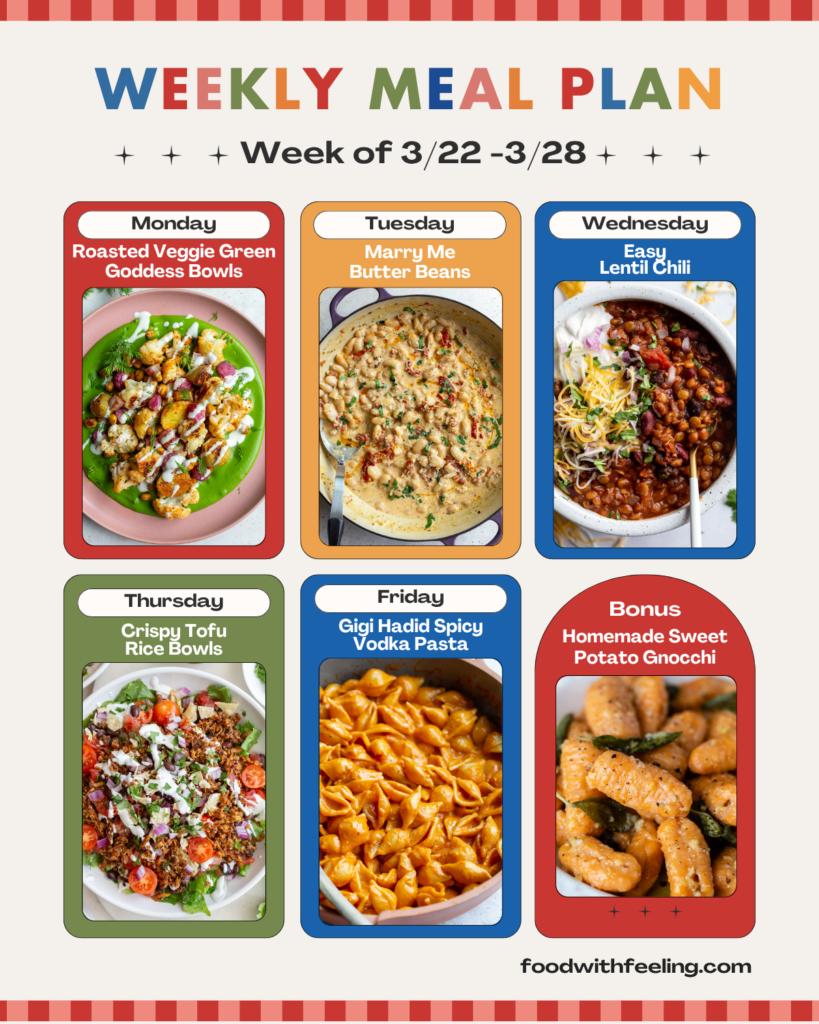
Sustainable living doesn’t begin with sweeping, abstract ideas—it starts in the kitchen, with intentional choices that shape how we shop, cook, and nourish ourselves. This week’s Sustainable Action Now meal plan is designed to do exactly that: streamline your routine, reduce waste, maximize flavor, and deliver plant-forward meals that are as practical as they are satisfying.
Built for efficiency and sustainability, Meal Plan #37 introduces a lineup of recipes that balance comfort, nutrition, and environmental consciousness. Whether you’re batch cooking for the week or assembling quick dinners after long days, this plan prioritizes flexibility, minimal waste, and ingredient overlap—key pillars of any truly sustainable kitchen system.
Here’s how the week unfolds.
A Week of Sustainable, Flavor-Driven Cooking

Monday launches with Green Goddess Veggie Bowls, a vibrant, nutrient-dense dish that sets the tone for the week. Roasted vegetables paired with a creamy herb-forward sauce create a meal that’s both hearty and clean. It’s a foundational recipe—one that invites batch cooking and rewards planning ahead.
Tuesday’s Marry Me Butter Beans shift into comfort territory, delivering a rich, satisfying dish built around pantry staples. Butter beans, sun-dried tomatoes, garlic, and parmesan come together in a way that feels indulgent while remaining entirely grounded in accessible, low-impact ingredients.
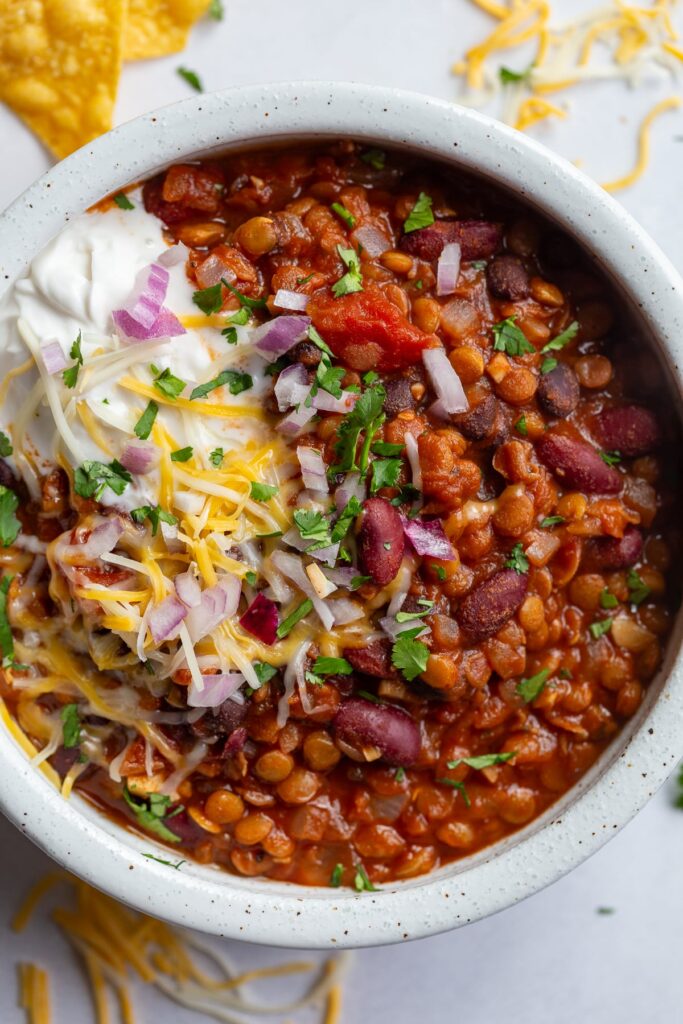
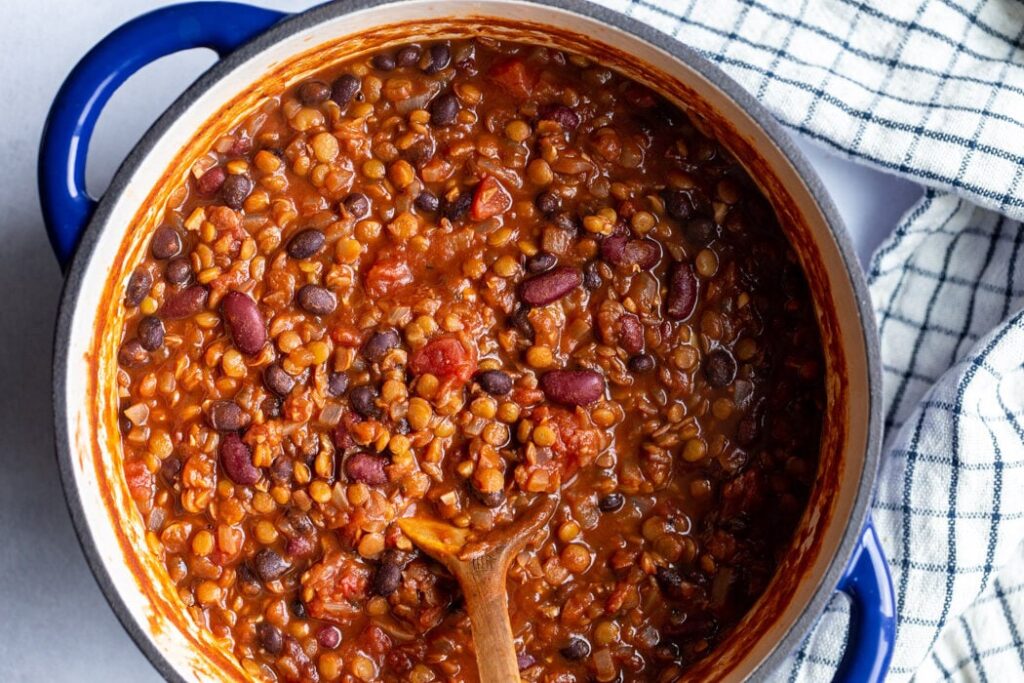
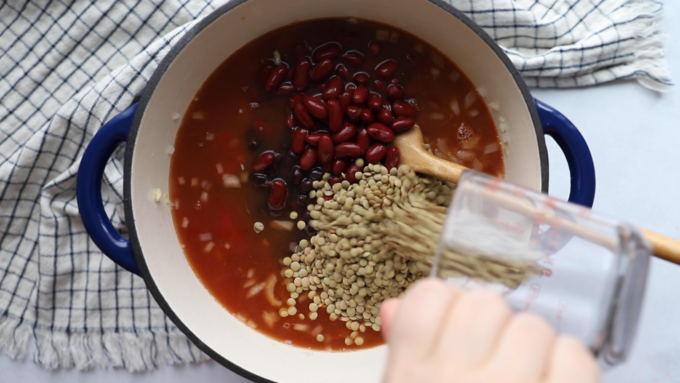
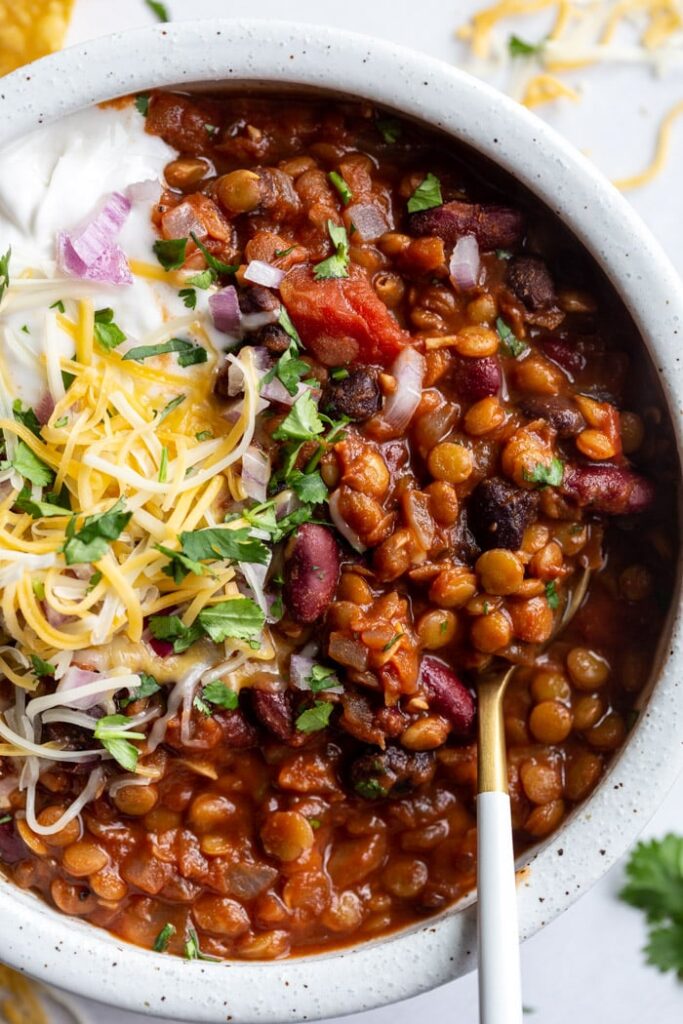
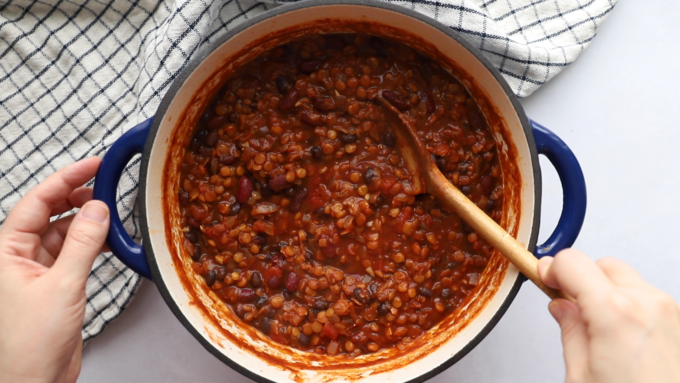
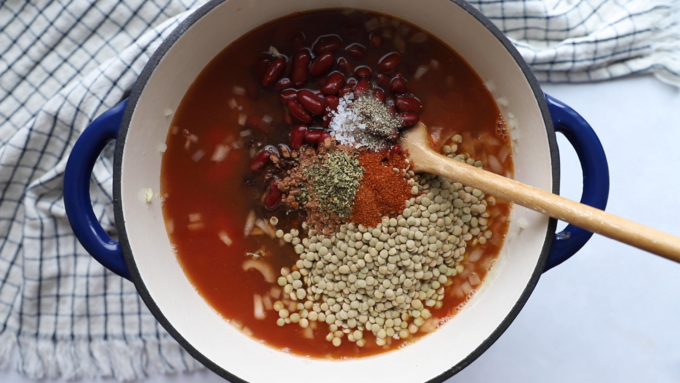
Wednesday brings Lentil Chili, a cornerstone of sustainable meal planning. Lentils are among the most efficient protein sources available, and this recipe leverages their versatility. It’s deeply flavorful, easy to scale, and one of the best options for freezing—making it a strategic anchor for anyone looking to reduce both food waste and time spent cooking later.
Thursday’s Crispy Tofu Rice Bowls offer texture and balance. With crisped tofu, fluffy rice, and fresh toppings, this meal demonstrates how plant-based cooking can deliver both structure and satisfaction. It’s also highly modular, allowing you to adapt based on what’s already in your fridge.
Friday rounds things out with Vodka Pasta, a familiar favorite that proves sustainability doesn’t mean sacrificing comfort. By focusing on simple, high-impact ingredients and efficient preparation, this dish delivers a restaurant-quality experience at home with minimal waste.
And for those looking to elevate their weekend cooking, the bonus recipe—Sweet Potato Gnocchi—offers a rewarding, from-scratch option that transforms humble ingredients into something memorable.
The Strategy Behind the Plan: Efficiency Meets Sustainability
This isn’t just a list of recipes—it’s a system. The structure of this meal plan is intentionally designed to reduce friction in your weekly routine while maximizing ingredient use.
One of the most effective strategies is aligning your grocery shopping with your meal prep schedule. Shopping and prepping on the same day minimizes the risk of forgotten ingredients and spoilage. It also creates a clear starting point for the week, turning meal prep into a controlled, efficient process rather than a reactive one.
The recipes themselves are built with overlap in mind. Garlic, onions, herbs, and staple pantry items appear across multiple dishes, ensuring that what you buy gets used. This is one of the most overlooked aspects of sustainable cooking—designing meals that work together rather than in isolation.
Make It Ahead: Building a Low-Waste Kitchen Workflow
The “make it ahead” approach is central to this plan, and each recipe has been optimized for storage and reheating.
The Green Goddess Veggie Bowls can be fully prepared in advance, with roasted vegetables and sauce stored separately for up to four days. This allows for quick assembly without compromising texture or freshness.
Marry Me Butter Beans are particularly well-suited for advance cooking. The flavors deepen over time, and the dish reheats smoothly with just a small addition of broth to restore consistency.
Lentil Chili stands out as one of the most efficient make-ahead meals available. It not only holds for up to five days in the refrigerator but also freezes exceptionally well for long-term storage. This makes it an ideal candidate for batch cooking—prepare once, benefit multiple times.
Crispy Tofu Rice Bowls benefit from partial prep. Cooking the rice and baking the tofu ahead of time allows for rapid assembly later, while a quick reheat in an air fryer restores the tofu’s crisp texture.
Vodka Pasta is best enjoyed fresh but still performs well as leftovers. A simple reheat with added liquid brings the sauce back to life, making it a viable option for next-day meals.
Component Prep: The Key to Weeknight Efficiency
Beyond full meal prep, component preparation is where real time savings emerge.
Chopping vegetables, mincing garlic, and measuring spices in advance transforms weeknight cooking into a streamlined process. Instead of starting from scratch each evening, you’re assembling pre-prepared elements—dramatically reducing both effort and cleanup.
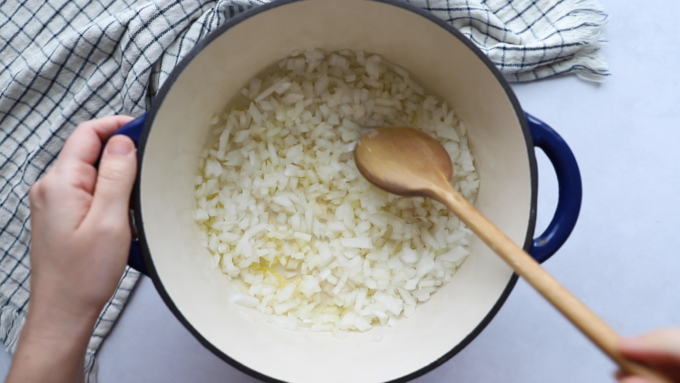
For this week’s plan, that means prepping items like cauliflower, potatoes, and radishes for the veggie bowls; garlic and sun-dried tomatoes for the butter beans; and onions and spice blends for the chili. Even small steps, like pressing and shredding tofu ahead of time, can significantly reduce friction when it’s time to cook.
This approach not only saves time but also ensures that ingredients are used at peak freshness, further reducing waste.
Why This Plan Works for Sustainable Living
At its core, this meal plan reflects a broader philosophy: sustainability is about systems, not perfection.
By focusing on plant-forward meals, efficient ingredient use, and strategic preparation, this plan reduces the environmental impact of your cooking without adding complexity. It encourages you to think ahead, use what you have, and build habits that scale over time.
It also reinforces an important reality—sustainable cooking should feel achievable. These are meals you’ll actually want to eat, recipes you can realistically prepare, and processes you can maintain week after week.
Access the Full Plan and Shopping List
To fully integrate this system into your week, access the complete plan and printable shopping list through the Sustainable Action Now recipes hub. The shopping list is designed to align directly with the recipes, simplifying your trip to the store and helping you avoid unnecessary purchases.
Keep in mind that the bonus recipe is not included in the standard shopping list, giving you the flexibility to opt in based on your schedule and preferences.
A Smarter Way Forward in the Kitchen
This week’s plan is more than a menu—it’s a framework for how to approach food with intention. By combining thoughtful preparation, efficient ingredient use, and satisfying plant-based recipes, it offers a clear path toward a more sustainable kitchen.
The result is a routine that saves time, reduces waste, and delivers consistently high-quality meals—exactly what modern, conscious cooking should look like.
If you’re looking to refine your weekly workflow, reduce your environmental footprint, and still enjoy every meal you make, this is where to start.
Sustainable Action Now: The 20-Minute Easy Marinara Sauce That Redefines Sustainable Cooking at Home
In a world where convenience often comes at the expense of quality and sustainability, the return to foundational, from-scratch cooking is more than a trend—it’s a necessary shift. At Sustainable Action Now, we continue to spotlight recipes that deliver maximum impact with minimal waste, and this week’s feature does exactly that.
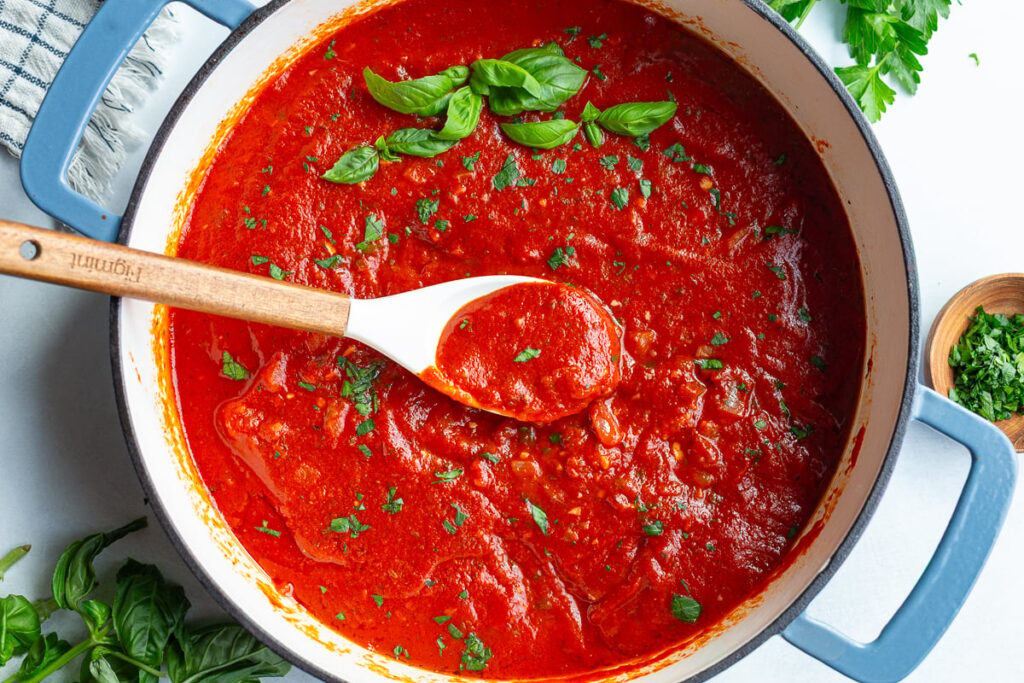
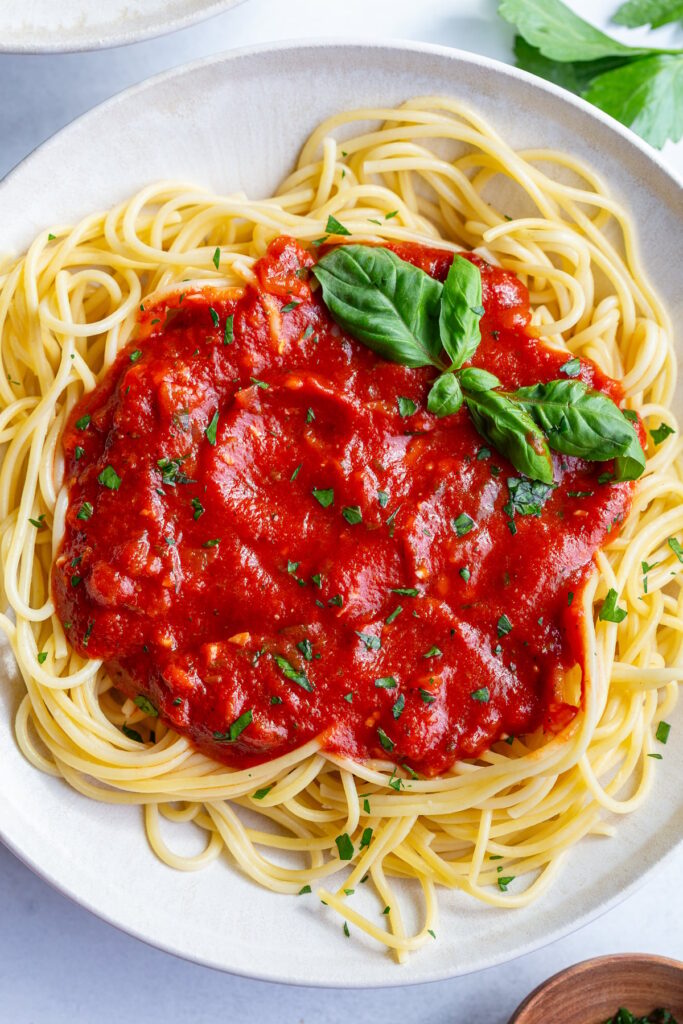
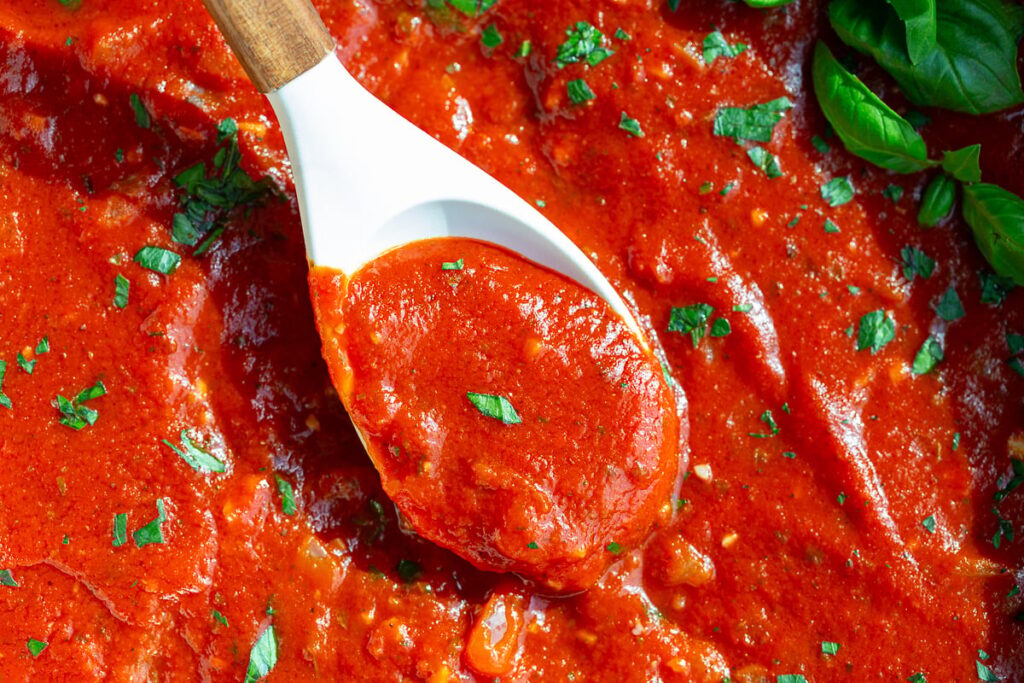
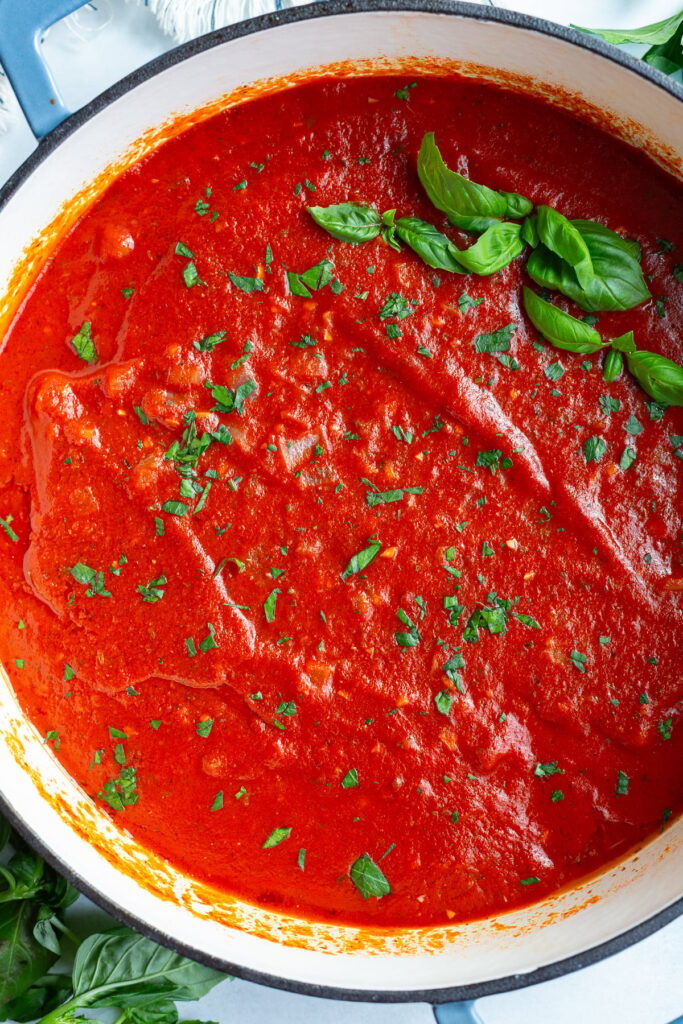
The Easy Marinara Sauce (Ready in 20 Minutes) is not just another pasta sauce—it’s a blueprint for efficient, plant-based cooking that aligns with a smarter, more sustainable kitchen philosophy. Built on pantry staples, designed for flexibility, and engineered for repeat use across multiple meals, this recipe embodies what modern home cooking should look like.
Why Marinara Sauce Still Matters in a Sustainable Kitchen
At its core, marinara is one of the most versatile and resource-efficient recipes you can make. It relies on a short list of ingredients, most of which are shelf-stable or long-lasting, making it an essential tool in reducing food waste and unnecessary grocery trips.
This version elevates that concept further. By focusing on passata or crushed tomatoes, aromatics, and dried herbs, it eliminates the need for overly processed, store-bought alternatives—many of which contain additives, excess sodium, and unnecessary packaging.
More importantly, it gives you control. Control over flavor, ingredients, and portioning—all critical factors in building a sustainable food system at the household level.
The 20-Minute Advantage: Efficiency Without Compromise
Time is often the biggest barrier to cooking at home. This recipe removes that obstacle entirely.
With just five minutes of prep and a 20-minute cook time, this marinara sauce delivers depth, richness, and balance without requiring hours at the stove. It’s a streamlined process:
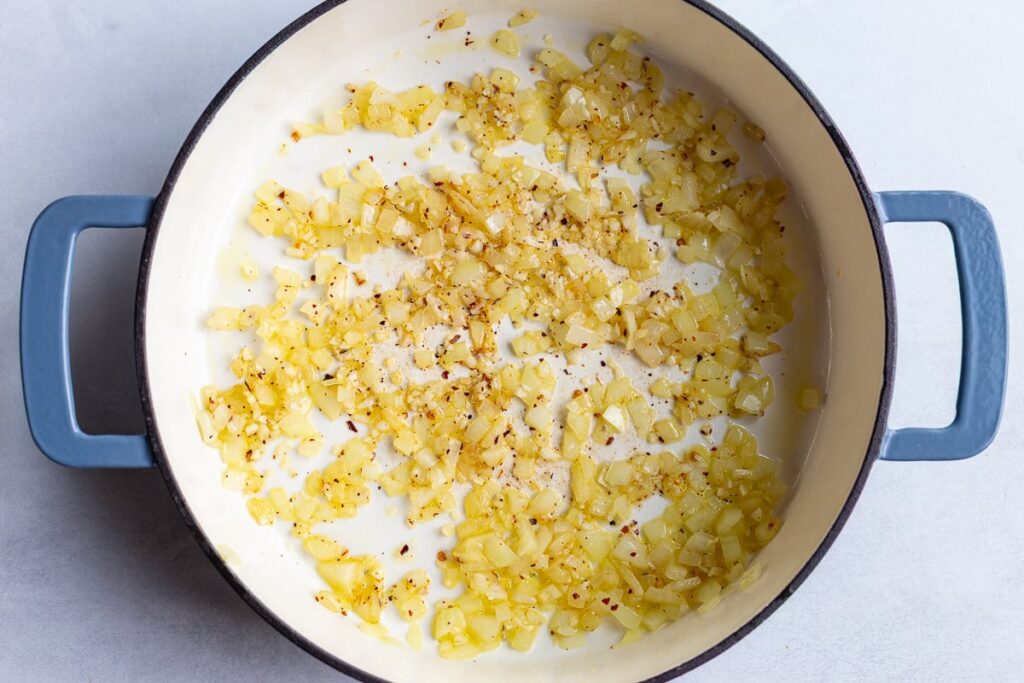
Olive oil forms the base, bringing healthy fats and a smooth mouthfeel. Finely diced onion builds the first layer of flavor, softened to bring out its natural sweetness. Garlic and optional red pepper flakes introduce aromatics and subtle heat, creating complexity without overwhelming the palate.
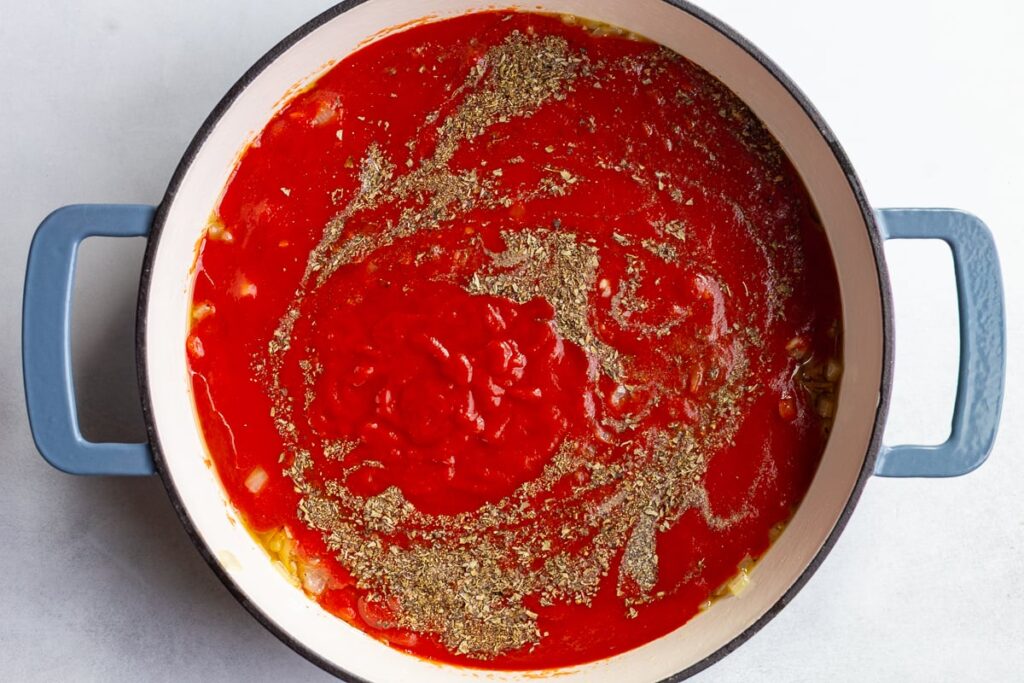
The addition of passata or crushed tomatoes anchors the sauce, providing a naturally rich, vibrant base. From there, dried basil, oregano, salt, and pepper round out the profile, delivering a classic, balanced marinara that works across countless applications.
The result is a sauce that tastes like it’s been simmering all day—without actually requiring that time investment.
Ingredient Intelligence: Building Flavor with Purpose
Every component in this recipe serves a functional role, reinforcing both flavor and sustainability.
Olive oil is not just a cooking medium—it enhances nutrient absorption and adds a subtle richness that carries the other flavors.
Onion and garlic form the aromatic backbone, creating depth without the need for additional ingredients. These are staples that appear across multiple recipes, ensuring they’re used efficiently and never wasted.
Tomatoes, whether in passata or crushed form, provide the bulk of the sauce. Choosing high-quality canned or jarred tomatoes allows for year-round consistency without relying on out-of-season produce.
Dried herbs offer longevity and convenience, while fresh basil—if available—can be added at the end for a brighter finish. This flexibility allows you to adapt based on what you have, reducing the need for last-minute purchases.
Technique Matters: How to Maximize Flavor in Minimal Time
The process is straightforward, but precision makes the difference.
Heating the olive oil properly before adding the onion ensures even cooking and prevents sogginess. Allowing the onion to soften fully—about five to six minutes—develops natural sweetness that balances the acidity of the tomatoes.
Garlic is added briefly to avoid burning, which can introduce bitterness. This step is quick but critical.
Once the tomatoes and seasonings are incorporated, the key is controlled simmering. Keeping the sauce at a gentle simmer allows flavors to meld without over-reducing too quickly.
While 20 minutes is sufficient, extending the simmer to 30 or even 40 minutes deepens the flavor and slightly thickens the consistency. This optional step gives you flexibility depending on your schedule.
Storage, Batch Cooking, and Waste Reduction
One of the most powerful aspects of this marinara sauce is how well it fits into a batch cooking system.
Stored in an airtight container, it keeps in the refrigerator for up to five days, making it ideal for multiple meals throughout the week. This alone reduces the need for additional cooking sessions, saving both time and energy.
For longer-term planning, the sauce freezes exceptionally well. Once cooled, it can be stored for up to three months, providing a ready-to-use base for future meals. Thawing overnight in the refrigerator preserves texture and flavor, ensuring consistency every time.
This level of adaptability is essential for anyone looking to minimize food waste while maintaining a steady rotation of home-cooked meals.
Beyond Pasta: Expanding the Role of Marinara in Your Weekly Plan
While traditionally paired with pasta, this sauce is far more versatile.
It can serve as a base for homemade pizza, a simmering sauce for plant-based proteins, a dipping sauce for roasted vegetables, or even a foundation for soups and stews. Its simplicity makes it compatible with a wide range of ingredients, allowing you to build meals around what you already have.
This adaptability is a cornerstone of sustainable cooking—using one core preparation to support multiple dishes, rather than creating entirely separate meals from scratch.
Nutritional Profile: Clean, Balanced, and Plant-Forward
With approximately 136 calories per serving, this marinara sauce delivers a balanced nutritional profile that aligns with modern dietary preferences.
It’s naturally gluten-free, vegan, and vegetarian, making it accessible across a wide range of dietary needs. The combination of tomatoes, olive oil, and herbs provides fiber, essential vitamins, and heart-healthy fats without unnecessary additives.
It’s a reminder that simple food, prepared well, often delivers the best results.
A Foundational Recipe for a Smarter Kitchen
What makes this Easy Marinara Sauce stand out is not just its flavor or convenience—it’s its role as a foundational element in a more intentional way of cooking.
It encourages planning without rigidity, efficiency without compromise, and creativity without excess. It’s the kind of recipe that becomes part of your routine, not because you have to make it, but because it consistently delivers.
For those looking to refine their kitchen workflow, reduce reliance on packaged foods, and build a more sustainable approach to everyday cooking, this is where to begin.
Explore more recipes like this in the Sustainable Action Now collection and continue building a kitchen that works smarter, wastes less, and delivers more with every meal.
Easy Marinara Sauce (Ready in 20 Minutes)
This easy marinara sauce is a simple, homemade staple that’s ready in just 20 minutes. Made with pantry ingredients like passata or crushed tomatoes, it’s the perfect quick marinara sauce for pasta, pizza, and more.
Course dinner, pasta
Cuisine American, Italian
Diet Gluten Free, Vegan, Vegetarian
Prep Time 5minutes minutes
Cook Time 20minutes minutes
Total Time 25minutes minutes
Servings 4 servings
Calories 136kcal
Author Brita Britnell
Ingredients
- 2 tablespoons olive oil
- ½ small yellow onion finely diced
- 4 cloves garlic minced
- ¼ teaspoon red pepper flakes optional
- 24 oz jar passata (can substitute for crushed tomatoes)*
- 1 teaspoon fine sea salt plus more to taste
- ½ teaspoon black pepper
- 1 teaspoon dried basil or 2 tablespoons chopped fresh basil
- ½ teaspoon dried oregano optional but recommended
Instructions
- Heat the olive oil in a medium pan over medium heat. Add the onion and cook for 5–6 minutes, stirring occasionally, until softened and lightly translucent. Add the garlic and red pepper flakes (if using) and cook for 30 seconds, until fragrant.
- Pour in the passata (or crushed tomatoes), salt, pepper, basil, and oregano. Stir well to combine. Bring the sauce to a gentle simmer, then reduce the heat to low. Let it cook uncovered for 20 minutes, stirring occasionally. For a deeper flavor, simmer for 30–40 minutes. The longer it cooks, the richer and slightly thicker it becomes!
- Taste and add more salt if needed. If using fresh basil, stir it in during the last few minutes of cooking.
Notes
*If using crushed tomatoes instead of passata, expect a slightly more rustic texture. No blending needed.
Storage Instructions – Store leftover marinara sauce in an airtight container in the fridge for up to 5 days. Reheat gently on the stovetop or in the microwave.
To freeze, let the sauce cool completely and store in a freezer-safe container for up to 3 months. Thaw in the fridge overnight before reheating.
Nutrition
Calories: 136kcal | Carbohydrates: 17g | Protein: 3g | Fat: 7g | Saturated Fat: 1g | Polyunsaturated Fat: 1g | Monounsaturated Fat: 5g | Sodium: 923mg | Potassium: 784mg | Fiber: 4g | Sugar: 9g | Vitamin A: 911IU | Vitamin C: 20mg | Calcium: 49mg | Iron: 3mg
The Easy Marinara Sauce (Ready in 20 Minutes) is a Food with Feeling Recipe.