A powerful example of compassionate conservation is unfolding at LIONSROCK Big Cat Sanctuary in South Africa, where rescued lions and tigers are not only surviving — they are thriving. Through dedicated rehabilitation, ethical sanctuary care, and species-appropriate social environments, FOUR PAWS South Africa is demonstrating what sustainable wildlife protection looks like in practice.
At the heart of this story are four rescued big cats — Juba, Micca, Snow, and Sky — whose journeys from uncertain pasts to peaceful sanctuary life highlight a critical global shift toward ethical animal rescue, ecological responsibility, and long-term wildlife protection.
For Sustainable Action Now, this moment represents more than a rescue success story. It reflects the growing global movement toward sanctuary-based conservation models that prioritize animal welfare, biodiversity protection, and responsible human stewardship of the natural world.
A Sanctuary Where Rescued Big Cats Reclaim Their Lives
LIONSROCK serves as a true wildlife sanctuary designed to provide rescued big cats with permanent protection and environments that closely resemble their natural habitats. Unlike traditional captivity models, the sanctuary emphasizes rehabilitation, natural behavior development, and lifelong care.
Here, animals rescued from exploitation, neglect, or unsuitable captivity experience:
- Expansive natural environments
- Ethical long-term care
- Veterinary rehabilitation
- Behavioral enrichment
- Opportunities for social interaction
- Protection from commercial use or breeding
This model aligns with modern sustainability principles — replacing exploitation with stewardship and prioritizing ecosystem health alongside animal wellbeing.
The thriving relationships among Juba, Micca, Snow, and Sky demonstrate how compassionate care can restore dignity and vitality to animals who have experienced trauma.
Why Socialization Matters in Big Cat Rehabilitation
Social behavior plays a fundamental role in the health and psychological wellbeing of many big cats. While species and individual personalities vary, opportunities for interaction, companionship, and environmental stimulation are essential components of rehabilitation.
At LIONSROCK, sanctuary teams carefully observe each animal’s temperament and history to create safe social environments that support natural behaviors.
Restoring Instinctive Behaviors
In the wild, big cats express complex behaviors tied to territory, play, communication, and social interaction. Rescue environments that encourage these behaviors help animals regain confidence and reduce stress.
Psychological Healing
Animals rescued from exploitative conditions often experience trauma. Structured social environments provide stability, enrichment, and emotional recovery.
Improved Physical Health
Active engagement, movement, and interaction support overall physical fitness and reduce health risks associated with confinement.
The success of LIONSROCK’s rehabilitation model underscores the importance of compassionate, science-based wildlife care.
Meet the Residents: Juba, Micca, Snow, and Sky
Each of the sanctuary’s residents demonstrates unique personality traits and social preferences — reminding us that wildlife conservation involves individual lives, not abstract numbers.
Juba: The Playful Pride Seeker
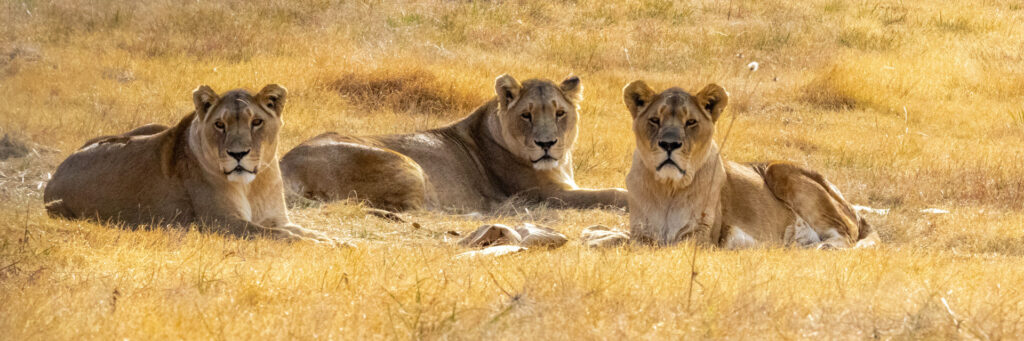
Rescued lion Juba displays strong social instincts, often engaging in playful exploration and actively seeking interaction with fellow lions. His behavior reflects the natural pride-based social structure common among lions, highlighting the importance of companionship in his recovery.
Micca: Independent and Fierce
Lioness Micca embraces a more independent lifestyle. Her confident, self-directed behavior demonstrates the sanctuary’s commitment to respecting each animal’s personality rather than imposing artificial social structures.
Snow and Sky: A Calm Tiger Bond
Tigers Snow and Sky exhibit a peaceful, balanced companionship marked by calm interaction and mutual tolerance. Their relationship reflects a quieter form of social bonding, emphasizing trust and coexistence within shared spaces.
Together, these animals illustrate the diversity of behavior and recovery pathways possible within ethical sanctuary care.
From Exploitation to Ethical Wildlife Protection
Many big cats housed in sanctuaries worldwide originate from entertainment industries, private ownership, breeding facilities, or substandard zoos. These environments often fail to meet the complex needs of apex predators.
Sanctuary-based rescue networks provide an alternative framework focused on:
- Ending wildlife exploitation
- Providing lifelong care
- Preventing commercial breeding
- Supporting conservation awareness
- Promoting ecological responsibility
LIONSROCK exemplifies how rescue operations can transition animals from harmful conditions into environments that prioritize wellbeing and sustainability.
The Role of Rescue Networks in Global Sustainability
Wildlife rescue networks are increasingly recognized as essential components of global environmental strategy. Their work contributes to:
Biodiversity Protection
Rescuing individual animals supports species preservation and ecological awareness.
Ethical Environmental Governance
Sanctuaries model humane approaches to wildlife management.
Conservation Education
Public awareness initiatives inspire responsible attitudes toward nature.
Habitat Preservation Awareness
Rescue efforts highlight the importance of protecting natural ecosystems.
These efforts demonstrate that sustainability extends beyond climate policy to include protection of living ecosystems and animal populations.
A New Model for Human–Wildlife Relationships
The work at LIONSROCK reflects a broader cultural transformation in how humans interact with wild animals. Traditional models of domination and display are increasingly being replaced by principles of respect, coexistence, and protection.
Modern conservation emphasizes:
- Non-exploitative wildlife care
- Science-based rehabilitation
- Respect for natural behavior
- Ecosystem-centered ethics
- Long-term stewardship
Sanctuaries like LIONSROCK embody these values and offer a blueprint for the future of wildlife protection.
Supporting Sanctuary-Based Conservation
Sustaining high-quality sanctuary environments requires significant resources, expertise, and long-term commitment. Support from global communities enables continued rescue operations, veterinary care, habitat development, and animal rehabilitation.
Individuals interested in supporting sanctuary initiatives and learning more about rescue efforts can explore the work of FOUR PAWS through <a href=”https://www.four-paws.org/”>FOUR PAWS</a>.
Public engagement plays a vital role in expanding rescue capacity and advancing ethical wildlife protection worldwide.
Why Big Cat Welfare Matters for Environmental Health
Protecting apex predators has far-reaching ecological implications. Big cats play essential roles in maintaining ecosystem balance, regulating prey populations, and preserving biodiversity.
Even when living in sanctuary environments, rescued big cats serve as ambassadors for conservation awareness, helping educate global audiences about the importance of protecting wildlife habitats.
Their stories strengthen the connection between animal welfare and environmental sustainability.
A Future Built on Compassionate Conservation
The thriving relationships among Juba, Micca, Snow, and Sky offer a hopeful vision for wildlife protection — one where rescue, rehabilitation, and respect replace exploitation.
Their recovery demonstrates what is possible when environmental responsibility, ethical care, and scientific understanding work together.
For Sustainable Action Now readers, the message is clear: protecting wildlife is a central pillar of sustainable action. Sanctuary-based rescue networks represent one of the most effective pathways toward a more compassionate and ecologically balanced future.
As global awareness grows, the work at LIONSROCK continues to inspire a new standard for how humanity safeguards the planet’s most majestic animals — not through control, but through care, dignity, and freedom.