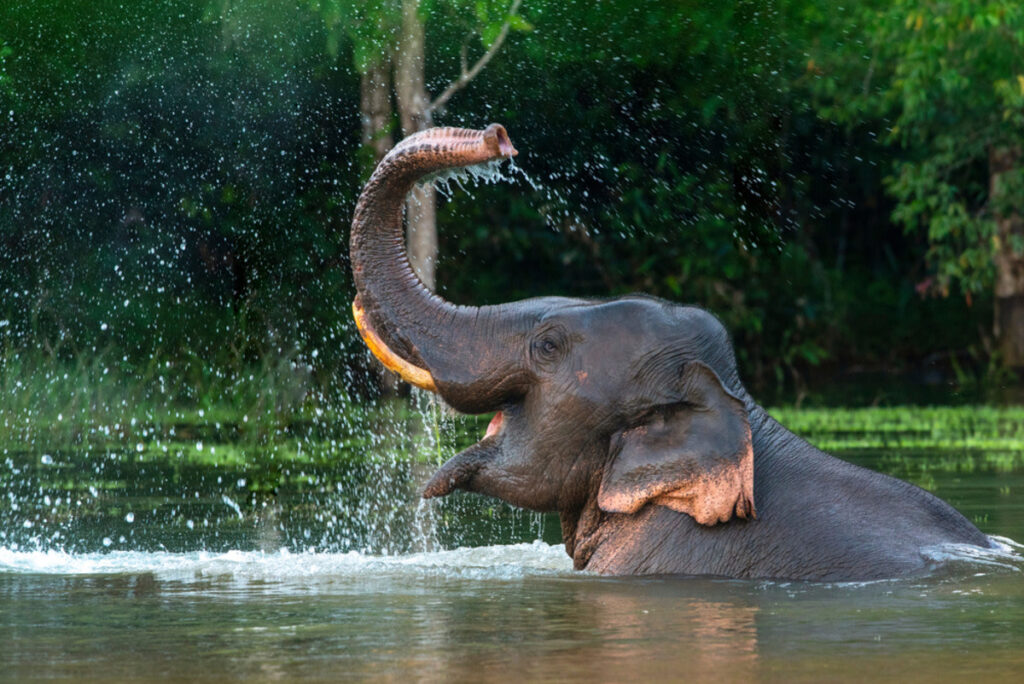
January 2026 has marked a consequential moment in the global conversation about elephants in captivity, animal tourism, and the ethics of profit-driven wildlife entertainment. From Southeast Asia to North America, new developments underscore both meaningful progress and deeply entrenched problems. While some institutions are beginning to retreat from the most visibly exploitative practices, advocates warn that partial reforms are not enough—and that true animal welfare requires a fundamental shift away from using elephants as attractions altogether.
For ongoing reporting and advocacy focused on elephants, conservation, and welfare standards, readers can explore Sustainable Action Now’s dedicated elephant coverage at https://sustainableactionnow.org/category/elephants/.
Bali Zoo Ends Elephant Rides—A Step Forward, Not the Finish Line
On January 1, 2026, Bali Zoo officially ended its elephant riding program, following an investigation by PETA Asia and mounting pressure from Indonesian authorities to comply with updated animal welfare standards. The decision represents a notable shift in a region long associated with elephant-based tourism, where rides, bathing experiences, and close-contact encounters have been heavily marketed to visitors.
The move aligns with Indonesia’s Circular No. 6 of 2025, issued by the Ministry of Forestry, which mandates the termination of elephant riding at all conservation and captive facilities nationwide. This regulatory change reflects growing recognition by the Indonesian government that elephant riding is incompatible with modern welfare expectations and conservation ethics.
Animal protection organizations welcomed the announcement but cautioned against overstating its significance. PETA characterized the ban as a “step forward,” while emphasizing that elephants at Bali Zoo are still being used in other commercial interactions, including photo opportunities, feeding sessions, and bathing experiences. According to animal welfare experts, even these so-called “gentle” encounters often rely on dominance-based training methods that suppress natural behavior and condition elephants to tolerate human control.
Pressure Mounts Across Bali’s Animal Tourism Industry
Bali Zoo’s decision has broader implications across the island’s tourism sector. The Bali Natural Resources Conservation Agency (BKSDA) has publicly urged other facilities—such as Mason Elephant Park and Bakas Adventure, which reportedly continue to offer elephant rides—to follow suit. Advocates argue that selective compliance undermines the intent of the regulation and perpetuates consumer confusion about what constitutes ethical wildlife tourism.
World Animal Protection and other international groups have long documented the realities behind elephant tourism in Southeast Asia. Captive elephants are frequently subjected to harsh training practices, including the use of bullhooks, confinement, and social isolation, in order to make them compliant for rides and interactions. While some venues have rebranded their offerings as “educational” or “conservation-focused,” critics stress that captivity itself—especially in entertainment settings—prevents elephants from expressing natural behaviors such as roaming long distances, forming stable social bonds, and making autonomous choices.
Bali Zoo has stated that it intends to refocus on education, conservation messaging, and elephant observation that allows for more natural movement and social interaction. Whether this shift represents a genuine transformation or a partial rebranding will depend on transparency, independent oversight, and a measurable reduction in exploitative practices.
The Broader Message: Never Support Animal Tourism
Despite incremental reforms, animal welfare organizations continue to issue a clear message to travelers: avoid all forms of animal tourism. From elephant rides to staged feeding encounters, these attractions often mask systemic suffering behind curated visitor experiences. Sustainable change, advocates argue, will only occur when demand for animal-based entertainment collapses and is replaced by support for sanctuaries and in-situ conservation efforts that prioritize animals’ needs over profit.
North America’s Elephants in Crisis: IDA’s 2025 “Worst Zoos” Report
Concerns about elephant welfare are not confined to Asia. In January 2026, In Defense of Animals (IDA) released its annual list of the 10 Worst Zoos for Elephants in North America, focusing on what it describes as a “deadly and exploitative” cycle of captive breeding that continues to place elephants at serious risk.
The 2025 report highlights systemic issues across major U.S. and Canadian zoos, including high calf mortality rates, invasive breeding practices, inadequate space, and chronic stress behaviors linked to confinement.
Top 10 Worst Zoos for Elephants (2025)
Houston Zoo (Ranked #1)
Criticized for maintaining an aggressive breeding program despite losing 17 of 25 elephant calves, many to Elephant Endotheliotropic Herpesvirus (EEHV), a frequently fatal disease in young elephants.
Sedgwick County Zoo
Labeled a “breeding mill” by activists after five calves were born within a six-month period in 2025, raising concerns about prioritizing attendance and publicity over animal welfare.
Omaha’s Henry Doorly Zoo and Aquarium
Cited for poor herd management practices and confining elephants in indoor spaces that reportedly contribute to “zoochotic” behaviors.
African Lion Safari (Canada)
Noted for providing insufficient space for elephants to roam or engage in natural behaviors typical of wild herds.
Denver Zoo
Listed for elephants exhibiting repetitive stress behaviors, such as “walking the wall,” often associated with boredom, frustration, and lack of enrichment.
Columbus Zoo and Aquarium
Criticized for a “brutally accelerated” breeding schedule and the use of invasive artificial insemination techniques.
ABQ BioPark Zoo
Documented cases of elephants showing stereotypical stress behaviors and desperate, abnormal foraging attempts.
Oklahoma City Zoo
Flagged for frequent transfers of elephants between facilities, which disrupt social bonds and heighten psychological stress.
Fresno Chaffee Zoo
Accused of maintaining secrecy around its breeding practices and denying female elephants natural mate choice.
Tulsa Zoo
Noted for housing elephants that display repetitive stress behaviors and for acting as a hub in breeding loan networks.
Special Designations: Shame and Progress
IDA’s report also includes two notable distinctions that underscore the divergent paths zoos can take.
Hall of Shame: Oregon Zoo (Portland, Oregon)
Inducted for the 14th time, the Oregon Zoo was cited for fueling what activists describe as an “Asian elephant breeding frenzy,” coupled with historically high calf mortality rates.
Path to Progress Award: Louisville Zoo (Kentucky)
In contrast, the Louisville Zoo was recognized for its June 2025 decision to close its elephant exhibit and retire its remaining elephants, Mikki and Punch, to a sanctuary in Tennessee. Advocates view this move as a model for other institutions grappling with the ethical and practical challenges of keeping elephants in captivity.
Analysis: Reform or Reckoning?
The developments of early 2026 paint a complex picture. On one hand, the end of elephant rides at Bali Zoo and the retirement of elephants from facilities like the Louisville Zoo suggest growing acknowledgment that traditional captive models are failing these highly intelligent, social animals. On the other hand, continued breeding programs, commercial interactions, and cosmetic reforms reveal how deeply entrenched exploitation remains.
Elephants are not props, performers, or commodities. They are sentient beings with complex emotional lives, long memories, and social structures that captivity cannot replicate. True progress will require more than regulatory tweaks or public relations adjustments—it will demand a decisive break from animal tourism and a transition toward sanctuary-based care and habitat protection.
As public awareness grows, consumers, policymakers, and institutions alike face a choice: continue supporting systems that profit from confinement, or invest in ethical alternatives that respect elephants for who they are. Sustainable Action Now will continue to track these issues closely and advocate for solutions rooted in compassion, science, and long-term sustainability.