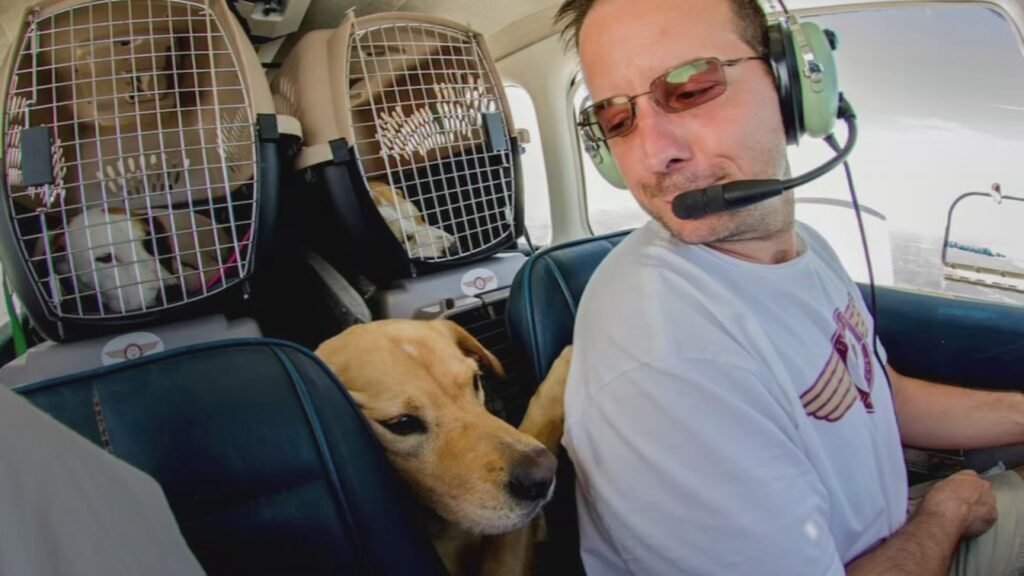
Behind every rescue video, every short clip, and every before-and-after image is a life that narrowly escaped neglect, abandonment, or cruelty. These are not isolated moments meant only for social media consumption. They are fragments of a much larger reality—one where animals across the world depend on rescue networks, sanctuaries, and ordinary people willing to step in when systems fail them.
From homeless dogs who spent months too afraid to trust a human touch, to rescued bears experiencing warmth, safety, and even celebration for the first time in their lives, these stories form a powerful collective truth: rescue saves lives, but only when support exists to make it possible.
That is why Sustainable Action Now continues to highlight the importance of coordinated animal rescue efforts and global sanctuary networks. Learn more about how rescue organizations work together to save animals in crisis by exploring Sustainable Action Now’s rescue network coverage.
From Fear to Safety: When Trust Has to Be Rebuilt
Many rescued animals do not arrive wagging their tails or seeking affection. Some arrive frozen by fear, shaped by months—or years—of neglect. Scared, homeless dogs who refuse human contact are not broken; they are responding exactly as survival has taught them to.
Stories of dogs who spent months refusing to approach rescuers, only to slowly learn that safety is possible, reveal the patience and expertise required in true animal rescue. These transformations do not happen overnight. They require foster care, veterinary support, behavioral rehabilitation, and unwavering commitment from rescue teams who understand that trust must be earned.
When animals like these finally accept a gentle hand or a warm bed, it is not a viral moment—it is the culmination of sustained, organized rescue work.
Survival in the Most Dangerous Places
Some animals find refuge in places no one would expect. Abandoned puppies sheltering in unsafe environments, kittens climbing into warm car engines to escape freezing temperatures, and dogs chained outdoors with nothing but plastic beneath them all share a common thread: desperation.
These animals are not reckless. They are resourceful. They seek warmth, shelter, and safety wherever they can find it. Too often, that instinct puts them in even greater danger.
Rescue teams responding to these emergencies frequently arrive just in time. A freezing dog left alone overnight. A kitten unknowingly heading for a terrifying ride inside a vehicle. A partially blind dog navigating life on the streets. Each situation underscores how thin the line is between survival and tragedy—and how essential rapid-response rescue networks truly are.
Sanctuary Is More Than Shelter
For rescued wildlife, safety does not end with removal from harm. True sanctuary means restoring dignity. Rescued bears, once confined to cages or exploited for entertainment, experience something entirely new when they arrive at proper facilities: space, enrichment, medical care, and choice.
Questions like whether rescued brown bears hibernate or how animals respond to seasonal changes may seem small, but they reflect something profound. These animals are no longer being managed for profit or display. They are allowed to live according to their natural instincts.
Watching rescued bears experience winter comfort or celebrate holidays with enrichment activities is not about human sentimentality. It is about witnessing recovery after long-term exploitation—and recognizing that rehabilitation is possible when animals are given what they were always denied.
The Power of One Call, One Message, One Act
Some rescues begin with a single email. A concerned citizen notices an abandoned dog. Someone shares a video. A message reaches the right organization at the right time. Suddenly, an animal who had given up hope is on a path toward safety.
These moments remind us that rescue is not limited to professionals alone. Public awareness, reporting, and community involvement are often the first link in the rescue chain. Without them, countless animals remain invisible.
Sustainable Action Now emphasizes that rescue networks succeed because they are interconnected—local responders, international organizations, sanctuaries, veterinarians, and supporters all play essential roles. Learn more about how these interconnected efforts save lives through Sustainable Action Now’s rescue network initiative.
Why Support Matters—Now More Than Ever
Rescue stories often end with transformation: a frightened dog becomes confident, a neglected animal regains health, a once-abandoned life finds belonging. What is less visible is the ongoing work required to make those endings possible.
Food, medical care, transportation, facility maintenance, staff training, and emergency response all require sustained funding and public support. Without it, rescue organizations are forced to make impossible choices about which lives they can save.
Every rescued animal represents not just compassion, but infrastructure. The question is not whether rescue works—it does. The question is whether society is willing to support it at the scale required to meet the need.
A Collective Responsibility
The stories of rescued dogs, kittens, and bears are not feel-good distractions. They are evidence of what happens when people intervene—and what happens when they do not. For every successful rescue, there are countless animals still waiting.
Sustainable Action Now believes that rescue is not charity; it is responsibility. A humane society is measured not by how it treats the strongest, but by how it protects the most vulnerable.
These journeys home are not the end of the story. They are reminders that action, awareness, and support must continue—because every life deserves safety, dignity, and the chance to heal.