In a landmark development for animal welfare policy in the United States, the Federal Working Animal Protection Act (H.R. 4638) has officially passed the House of Representatives—marking a critical step forward in strengthening protections for working animals and reinforcing the national commitment to humane standards.
For advocates, rescue organizations, and ethical care networks, this is more than legislative progress. It is a structural shift—one that directly impacts how animals are treated, protected, and supported across industries and environments where they serve alongside humans.
At Sustainable Action Now, this moment represents a convergence of policy, advocacy, and real-world impact, connecting federal action with the everyday work happening across rescue networks nationwide.
What H.R. 4638 Means for Working Animals
Working animals—whether in law enforcement, search and rescue, agriculture, transportation, or service roles—occupy a unique and often underprotected space within animal welfare law. These animals are not only companions; they are active contributors to human systems, frequently operating in high-risk, high-demand environments.
The passage of H.R. 4638 signals a renewed federal focus on ensuring that these animals are afforded protections that match the level of responsibility they carry.
At its core, the legislation is designed to establish stronger safeguards against mistreatment, neglect, and exploitation, while also enhancing accountability mechanisms for those responsible for their care. It introduces a framework that aligns working animal welfare with modern expectations—prioritizing humane treatment, proper oversight, and enforceable standards.
Closing the Gaps: Why This Legislation Matters Now
Historically, protections for working animals have varied widely depending on jurisdiction, role, and classification. This inconsistency has created gaps—areas where animals could fall through the cracks due to unclear standards or limited enforcement.
H.R. 4638 addresses these vulnerabilities by moving toward a more unified approach.
This matters not only for the animals themselves but for the systems that depend on them. A well-protected working animal is more capable, more resilient, and less likely to suffer injury or burnout. In practical terms, this translates into improved outcomes for public safety operations, service programs, and any field where animals play a critical role.
From a policy perspective, the bill reflects an understanding that animal welfare is not a peripheral issue—it is integral to the integrity and effectiveness of the systems in which these animals operate.
The Ripple Effect Across Rescue Networks
The passage of this legislation has immediate and long-term implications for rescue networks across the country.
Organizations that specialize in rehabilitating, rehoming, or retiring working animals stand to benefit from clearer standards and increased visibility. As protections strengthen, so does the infrastructure supporting these animals throughout their lifecycle—from active service to retirement.
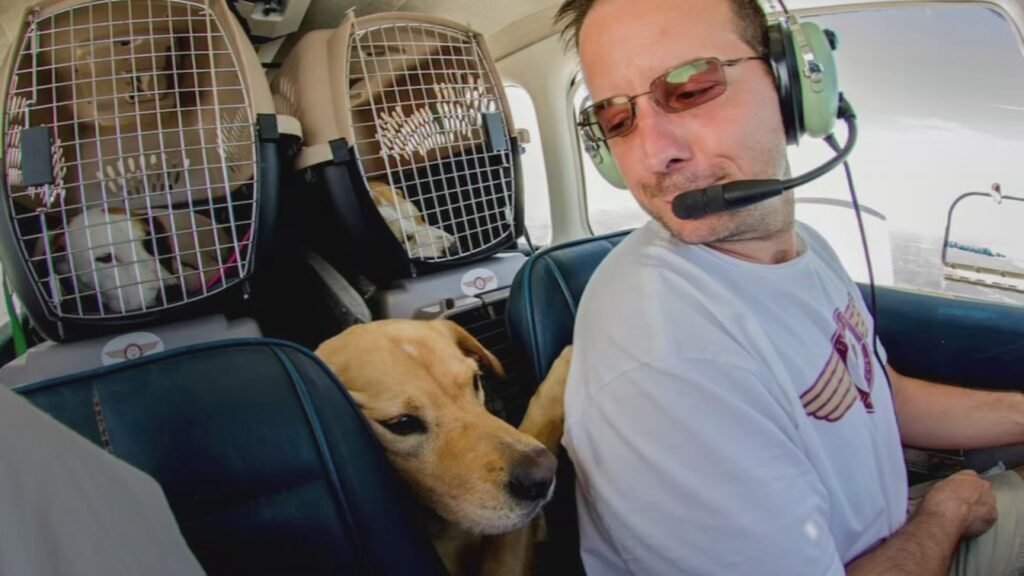
Rescue networks often serve as the safety net when systems fail. They step in when animals are injured, overworked, or no longer able to perform their duties. With stronger federal guidelines in place, these organizations can operate within a more consistent framework, improving coordination with agencies, veterinarians, and policymakers.
This alignment is critical. It allows rescue networks to focus less on navigating inconsistencies and more on delivering high-quality care.
Elevating Accountability and Enforcement
One of the most significant aspects of H.R. 4638 is its emphasis on accountability.
Legislation without enforcement is largely symbolic. This bill moves beyond symbolism by reinforcing the mechanisms needed to ensure compliance. It introduces clearer expectations for handlers, agencies, and organizations, while also creating pathways for addressing violations.
For the broader animal welfare community, this represents a meaningful shift. It signals that working animal protection is not optional—it is enforceable.
This shift has the potential to reshape behavior at every level, from individual handlers to institutional practices. Over time, it can drive cultural change, embedding humane treatment as a baseline standard rather than an aspirational goal.
Bridging Policy and Practice
What makes this moment particularly significant is how it bridges the gap between policy and practice.
Too often, legislative progress exists in isolation from the realities on the ground. In this case, the connection is direct. The principles outlined in H.R. 4638 align closely with the work already being done by leading rescue organizations, veterinary professionals, and ethical care advocates.
This alignment creates an opportunity for acceleration.
When policy supports existing best practices, it amplifies their impact. It provides validation, resources, and a broader platform for scaling what already works.
For Sustainable Action Now’s audience, this is where the story becomes actionable. It’s not just about what the law says—it’s about how it can be implemented, supported, and expanded through collective effort.
A National Signal: The Future of Animal Welfare Policy
The House passage of H.R. 4638 also sends a broader signal about the direction of animal welfare policy in the United States.
It reflects a growing recognition that animals—particularly those who serve in working roles—deserve comprehensive protection that evolves alongside societal expectations. It indicates a willingness at the federal level to engage with complex issues and deliver structured solutions.
This is not an endpoint. It is part of a larger trajectory—one that includes ongoing legislative efforts, increased public awareness, and deeper integration of animal welfare into policy discussions.
As the bill moves forward in the legislative process, its progress will be closely watched by stakeholders across sectors.
What Comes Next
With House passage secured, attention now shifts to the next phase of the legislative process. Advocacy, engagement, and continued visibility will play a critical role in ensuring that the momentum carries forward.
For individuals and organizations involved in animal welfare, this is a moment to stay informed, remain engaged, and continue pushing for comprehensive protections.
It is also an opportunity to evaluate existing practices, identify areas for improvement, and align operations with the evolving standards reflected in the legislation.
The Role of Sustainable Action Now
At Sustainable Action Now, our commitment extends beyond reporting developments—we aim to contextualize them within the broader ecosystem of sustainability, ethics, and real-world impact.
The passage of the Federal Working Animal Protection Act is a clear example of how policy can intersect with on-the-ground action, creating tangible benefits for animals and the people who care for them.
Through continued coverage of rescue networks, legislative updates, and frontline initiatives, we will track how this development shapes the future of animal welfare—and how it can be leveraged to drive meaningful change.
A Defining Step Forward
The advancement of H.R. 4638 represents a defining moment in the evolution of working animal protections in the United States.
It reinforces the idea that responsibility extends beyond use—that care, respect, and protection must be embedded at every stage of an animal’s life.
For rescue networks, advocates, and anyone committed to ethical treatment, this is a step forward worth recognizing—and building upon.
Because real progress is not just measured in legislation passed, but in lives improved.
And with H.R. 4638, that improvement is now within reach.