
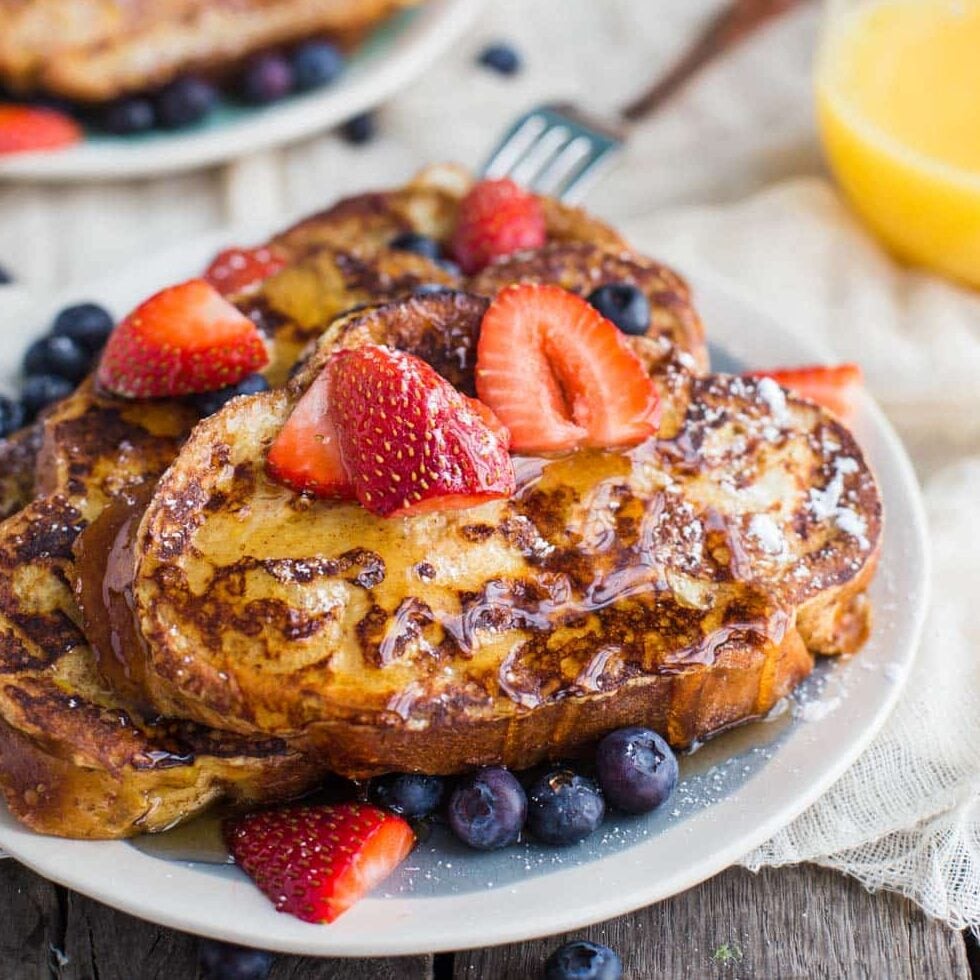
There is a growing recognition that sustainability is not only defined by large-scale environmental policy or global initiatives, but by the daily choices made in kitchens, homes, and communities. At Sustainable Action Now, that philosophy continues to expand through its evolving food and lifestyle platform, where accessible, intentional cooking becomes part of a broader commitment to mindful living. The latest feature emerging from the SAN Recipes section captures that idea with clarity and purpose: a refined, easy French toast recipe that transforms everyday ingredients into something both comforting and elevated, while reinforcing the importance of simplicity, efficiency, and conscious consumption.
This is not positioned as just another breakfast idea. It is presented as a model for how food preparation can align with sustainability principles—minimizing waste, maximizing flavor, and encouraging the use of ingredients that are already within reach. French toast, in its essence, has always been a resourceful dish, originally created as a way to repurpose bread that might otherwise be discarded. That origin story alone places it firmly within the framework of sustainable cooking, where creativity and practicality intersect.
What makes this particular approach stand out is its balance of precision and accessibility. The method is intentionally streamlined, designed to deliver consistent results without requiring specialized equipment or hard-to-find ingredients. In under 20 minutes, it produces a dish that achieves the ideal contrast: a crisp, golden exterior paired with a soft, custard-like center. This balance is not accidental—it is the result of a carefully considered ratio of ingredients and technique that ensures each element contributes to the final texture and flavor.
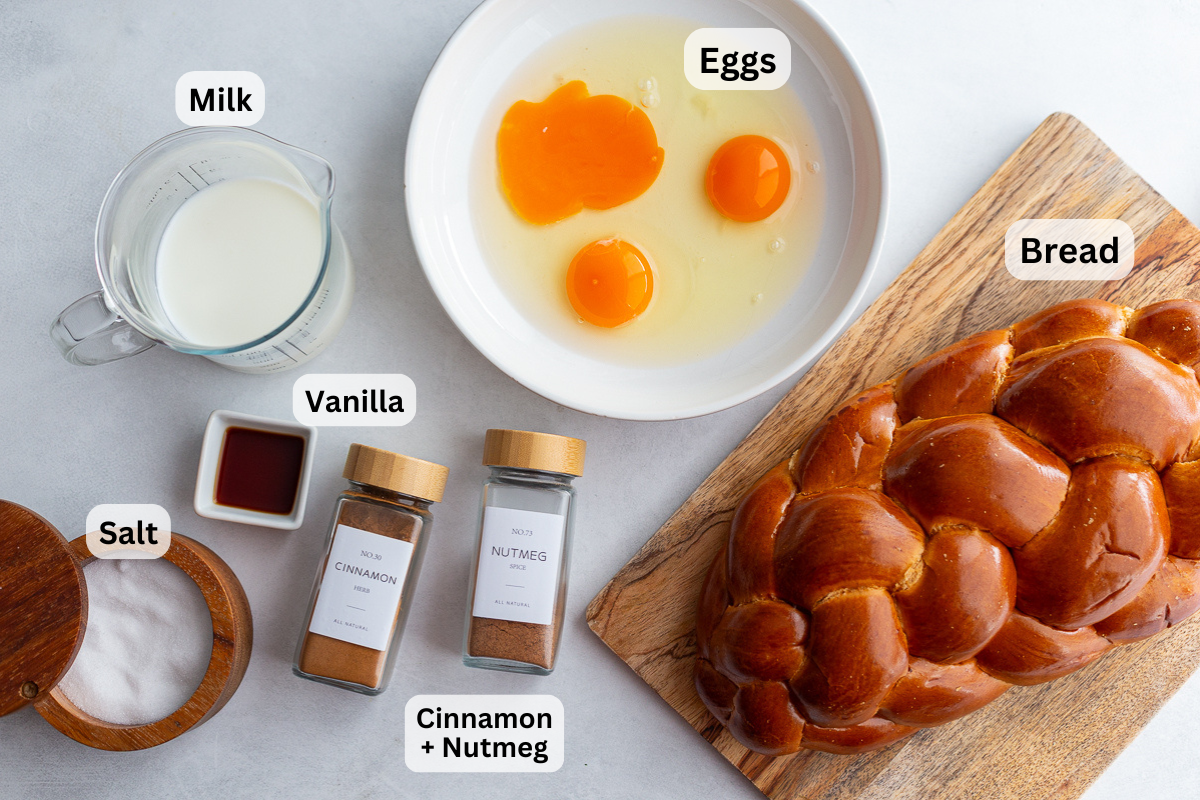
At the core of the recipe is a custard base built from eggs and milk, providing structure and richness. The addition of cinnamon introduces warmth, while nutmeg—used sparingly—adds depth without overpowering the profile. Vanilla extract brings cohesion, rounding out the mixture with a subtle sweetness that enhances rather than dominates. A small amount of salt completes the balance, ensuring that each bite carries clarity rather than excess.
Equally important is the choice of bread. Thick-cut slices are essential, not only for structural integrity but for their ability to absorb the custard without becoming overly saturated. Slightly stale bread is ideal, reinforcing the sustainable principle of reducing food waste while simultaneously improving the outcome of the dish. Options such as challah and brioche offer a richer, more indulgent result, while alternatives like sourdough or Texas-style toast provide durability and accessibility. Each choice allows for customization without compromising the integrity of the method.
The preparation process reflects the broader SAN philosophy: efficient, intentional, and adaptable. The custard is whisked thoroughly to ensure even distribution of spices, preventing clumping and delivering a consistent flavor profile throughout. Bread slices are dipped briefly—just a few seconds per side—to achieve the optimal level of absorption. This step is critical. Over-soaking leads to breakdown, while under-soaking results in a lack of cohesion. Precision here ensures that the final product maintains both structure and softness.
Cooking is approached with equal care. A preheated skillet or griddle, lightly coated with butter or oil, provides the environment needed to develop a uniform, golden crust. Medium heat is key, allowing the interior to cook through without burning the exterior. The result is a surface that is crisp and caramelized, contrasting with the tender interior that defines a well-executed French toast.
Beyond technique, what elevates this recipe within the Sustainable Action Now framework is its adaptability. It accommodates a wide range of dietary preferences and ingredient availability. Dairy milk can be replaced with plant-based alternatives such as almond or oat milk, maintaining the integrity of the custard while aligning with different nutritional choices. Sweetness can be adjusted at the serving stage, allowing individuals to control sugar intake while still enjoying the dish’s full flavor potential.
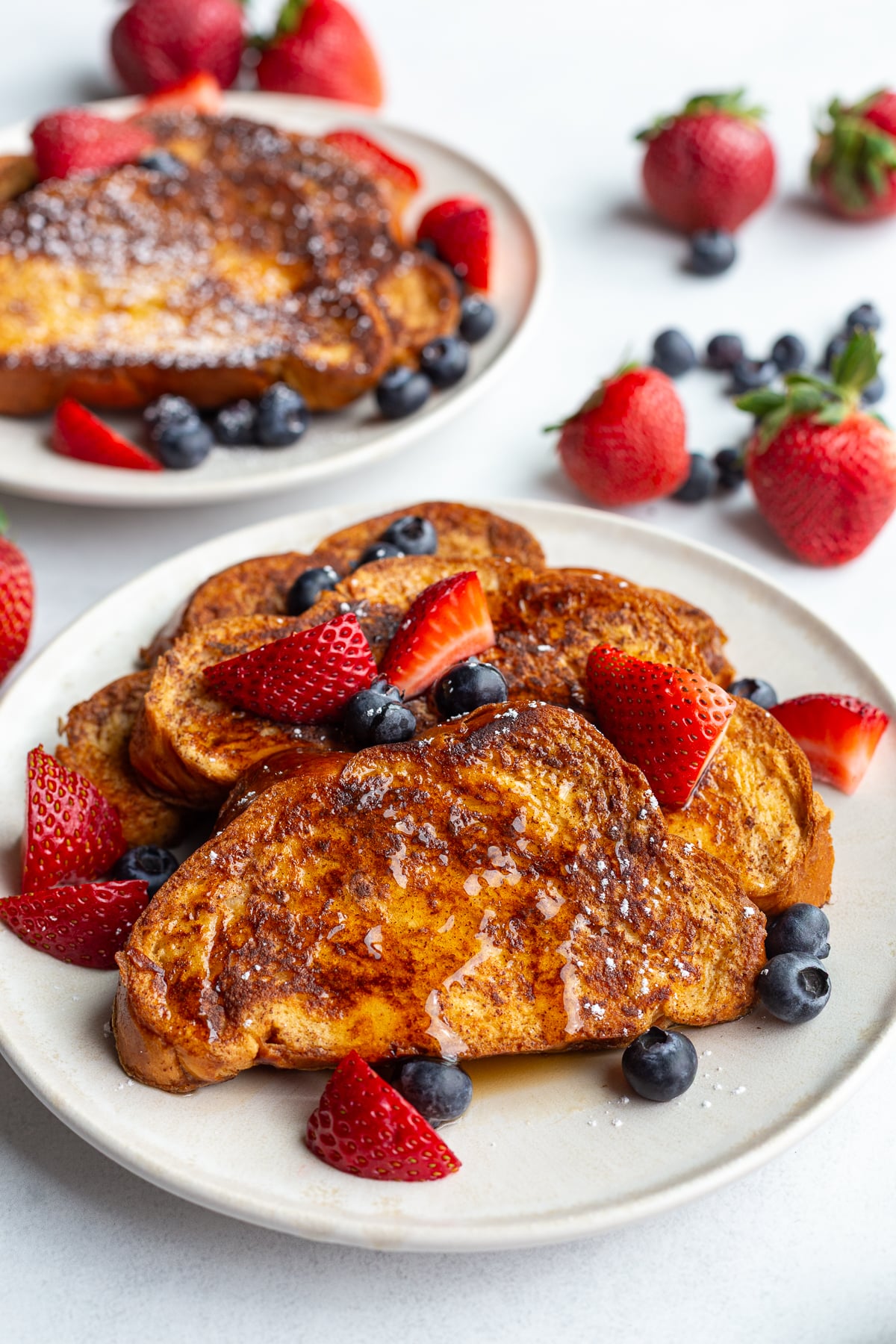
Toppings further extend this adaptability. Fresh fruit introduces natural sweetness and additional nutrients, while a light dusting of powdered sugar or a drizzle of maple syrup enhances presentation without overwhelming the dish. Each addition can be tailored to reflect seasonal availability, reinforcing the connection between food and environment.
The broader significance of this feature lies in its positioning within the SAN ecosystem. Recipes are not treated as isolated content—they are part of a larger narrative about how everyday actions contribute to a more sustainable and mindful lifestyle. Cooking at home reduces reliance on processed foods, minimizes packaging waste, and encourages a closer relationship with ingredients. It transforms meals from routine consumption into intentional practice.
This approach also recognizes the importance of accessibility. Not every sustainable action requires a major lifestyle shift. Sometimes, it begins with a single recipe—one that demonstrates how small adjustments can lead to meaningful impact. French toast, in this context, becomes more than a breakfast staple. It becomes an entry point into a way of thinking that values resourcefulness, quality, and awareness.
Storage and reuse further reinforce this philosophy. Leftover slices can be refrigerated and reheated without compromising texture, extending the life of the dish and reducing unnecessary waste. For longer-term storage, freezing provides an additional option, ensuring that nothing prepared goes unused. These practices align directly with the principles that guide Sustainable Action Now: efficiency, responsibility, and respect for resources.
The response to this feature reflects a growing demand for content that bridges practicality with purpose. Audiences are not only looking for recipes—they are looking for ways to integrate sustainability into their daily routines without sacrificing enjoyment or quality. This is where SAN continues to lead, offering content that is both actionable and aspirational.
As the platform expands, the focus remains clear. Food is one of the most immediate and impactful ways individuals can engage with sustainability. It is personal, it is daily, and it is deeply connected to broader environmental and social systems. By presenting recipes that are thoughtful, adaptable, and rooted in real-world application, Sustainable Action Now continues to redefine what it means to take action.
This French toast feature stands as a clear example of that mission in practice. It demonstrates that sustainability does not require complexity. It requires intention. It requires awareness. And, perhaps most importantly, it requires a willingness to see everyday choices as opportunities for impact.
Through the SAN Recipes platform, that opportunity is now more accessible than ever.
The ingredients for this easy french toast recipe are listed fully down in the recipe card but let’s briefly go over the pantry staples needed including a few substitutions you can make as desired!
- Eggs. The base of the custard that gives French toast its rich texture
- Milk. Adds creaminess; whole milk is ideal but any milk works. Use almond milk or other plant-based milk for a dairy free option.
- Ground cinnamon. Adds warmth and classic flavor
- Nutmeg. Optional but adds subtle depth that I LOVE!
- Vanilla extract. Brings everything together with a hint of sweetness
- Salt. Just a pinch of salt balances the flavors
- Day old bread. Thick slices of bread work best Challah is my personal favorite but brioche, Texas toast, or sourdough are also great! More details below.
- Cooking spray or butter. Prevents sticking and helps create yummy golden edges!
- Optional toppings. Maple syrup, powdered sugar, fresh fruit, and whipped cream
This Easy French Toast recipe shows you exactly how to make perfectly golden, fluffy French toast using simple ingredients. It’s a family favorite and a classic breakfast that never fails!
Ingredients
- 3 large eggs
- 1 cup milk or heavy cream
- 1 teaspoon ground cinnamon
- ¼ teaspoon ground nutmeg
- 1 teaspoon vanilla extract
- pinch salt
- 8 thickly cut slices of bread I used challah
- cooking spray
- optional for topping: syrup powdered sugar, fruit
Instructions
- In a large shallow dish, whisk together the eggs, cinnamon, and nutmeg. Add in the milk, vanilla extract, and salt. Whisk lightly until fully combined.
- Over medium heat, spray a large skillet or griddle with cooking spray.
- Place the slices of bread in the egg mixture and let soak on each side for about 3 seconds. Cook the bread in the skillet for ~4 minutes on each side or until a nice golden brown.
- Once done, top with syrup, fruit, and a dusting of powdered sugar and ENJOY!!
Storage Instruction – Store leftovers in an airtight container in the fridge for up to 3 days. Reheat in a skillet or toaster oven for best texture. You can also freeze slices for up to 2 months.
Nutritional info is for 6 slices of challah bread
Type of bread – see section above for me bread recommendations (I’ve tried it all!). TLDR; my favorite bread for french toast is Challah with Brioche being a close second. When all else fails, thick Texas style toast also works well!
Nutrition
Calories: 242kcal | Carbohydrates: 30g | Protein: 12g | Fat: 8g | Saturated Fat: 3g | Polyunsaturated Fat: 2g | Monounsaturated Fat: 2g | Trans Fat: 0.03g | Cholesterol: 130mg | Sodium: 335mg | Potassium: 220mg | Fiber: 3g | Sugar: 6g | Vitamin A: 280IU | Vitamin C: 0.1mg | Calcium: 169mg | Iron: 3mg
The Easy French Toast Recipe is a Food with Feeling Recipe.