
Sustainable food choices continue to redefine how individuals engage with climate action, health, and ethical living. At Sustainable Action Now, the spotlight this season turns to a vibrant collection of plant-forward recipes designed to make sustainable eating simple, satisfying, and accessible — from refreshing vegan beverages to fresh homemade salsas and protein-rich vegetarian meals that truly nourish the body.
This latest Sustainable Action Now recipes feature explores the power of conscious cooking through a trio of culinary pillars: a tropical vegan piña colada, a fresh and classic homemade pico de gallo, and a comprehensive guide to high-protein vegetarian dinners that actually keep you full. Together, these offerings reflect a growing movement toward plant-based nutrition that supports environmental responsibility, personal wellness, and long-term sustainability.
More than recipes, these dishes represent a blueprint for climate-conscious living — demonstrating how everyday food choices can contribute to global change.
Vegan Piña Colada: A Tropical Taste of Sustainable Indulgence


The plant-based lifestyle continues to expand beyond meals into beverages that deliver both indulgence and environmental responsibility. The vegan piña colada represents a refreshing example of sustainable enjoyment — offering the iconic tropical flavors of pineapple and coconut without dairy or animal-derived ingredients.
Why a Vegan Piña Colada Matters
Traditional piña coladas often include dairy-based cream or processed additives. A fully plant-based version replaces these with natural coconut ingredients, reducing environmental impact while enhancing nutritional value.
Key sustainability benefits include:
- Lower carbon footprint compared to dairy-based beverages
- Reduced water usage from plant-based ingredients
- Cleaner, minimally processed components
- Alignment with cruelty-free food systems
This tropical favorite demonstrates how sustainable eating can be joyful, accessible, and deeply satisfying.
The Rise of Climate-Conscious Beverages
Plant-based beverages represent one of the fastest-growing segments of sustainable food innovation. From dairy-free smoothies to coconut-based drinks, these options reflect shifting consumer awareness around:
- Environmental impact of food production
- Ethical ingredient sourcing
- Clean-label nutrition
- Holistic wellness
The vegan piña colada embodies this evolution — delivering flavor, refreshment, and sustainability in one simple glass.
Homemade Pico de Gallo: Fresh Ingredients, Maximum Flavor, Minimal Impact
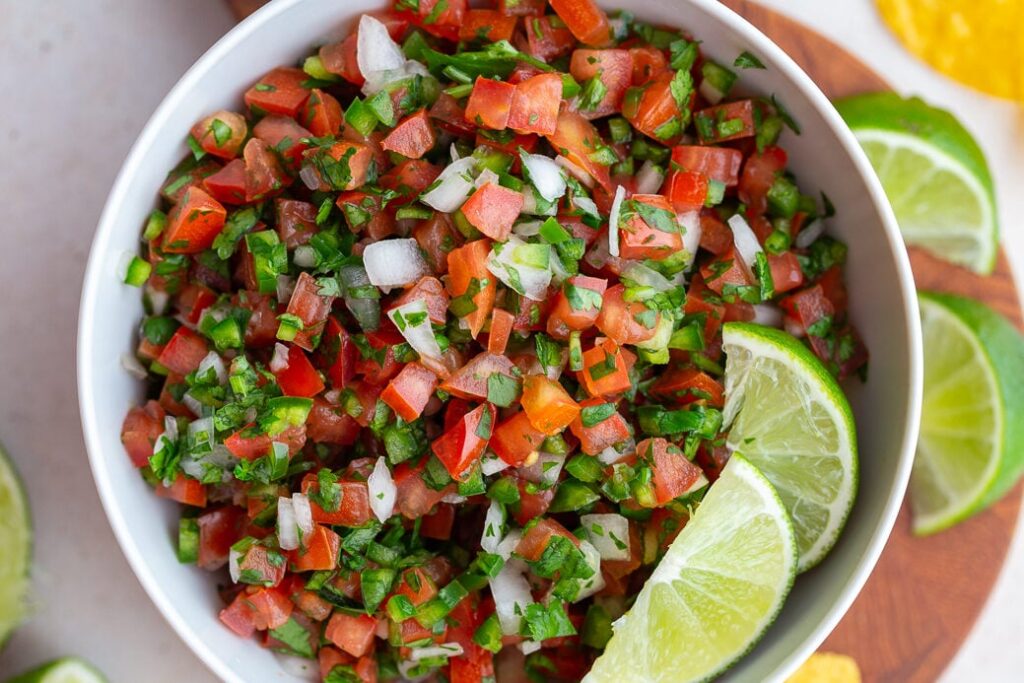
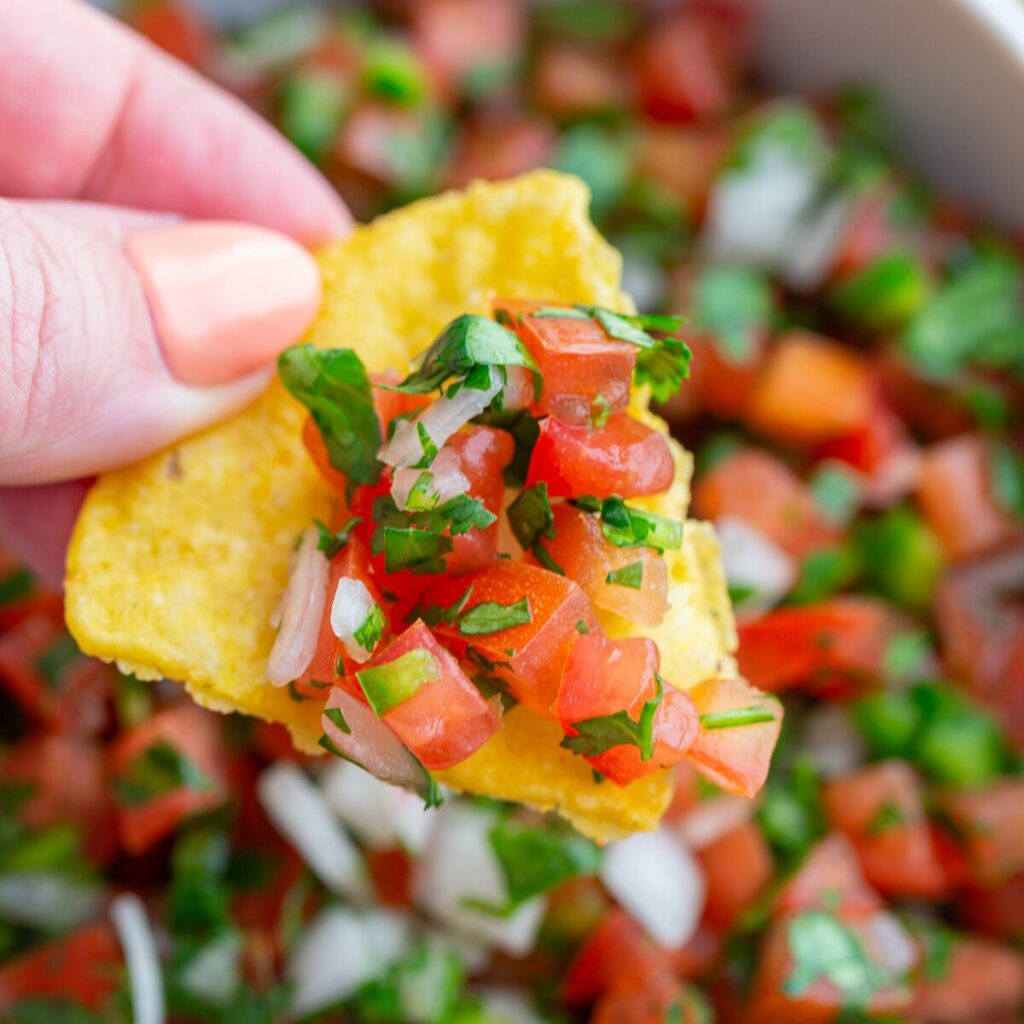
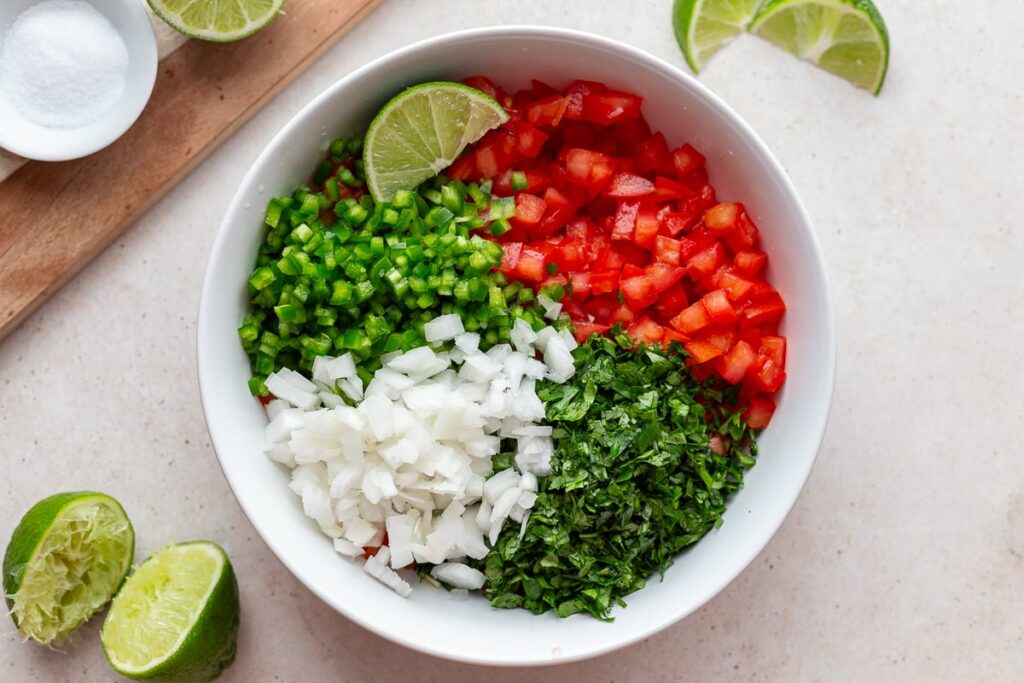
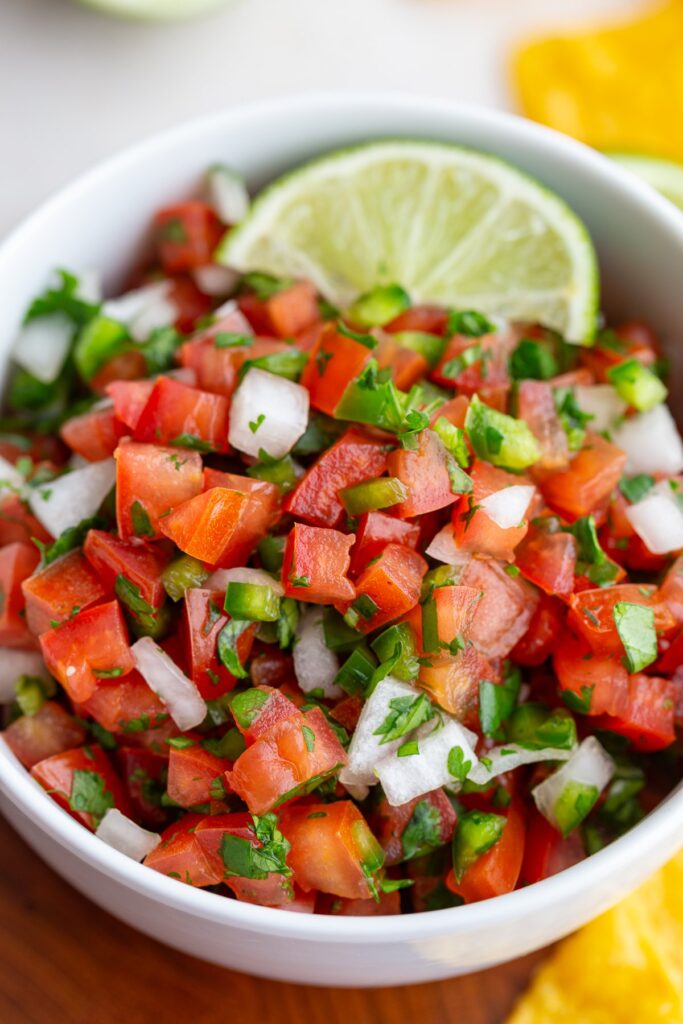
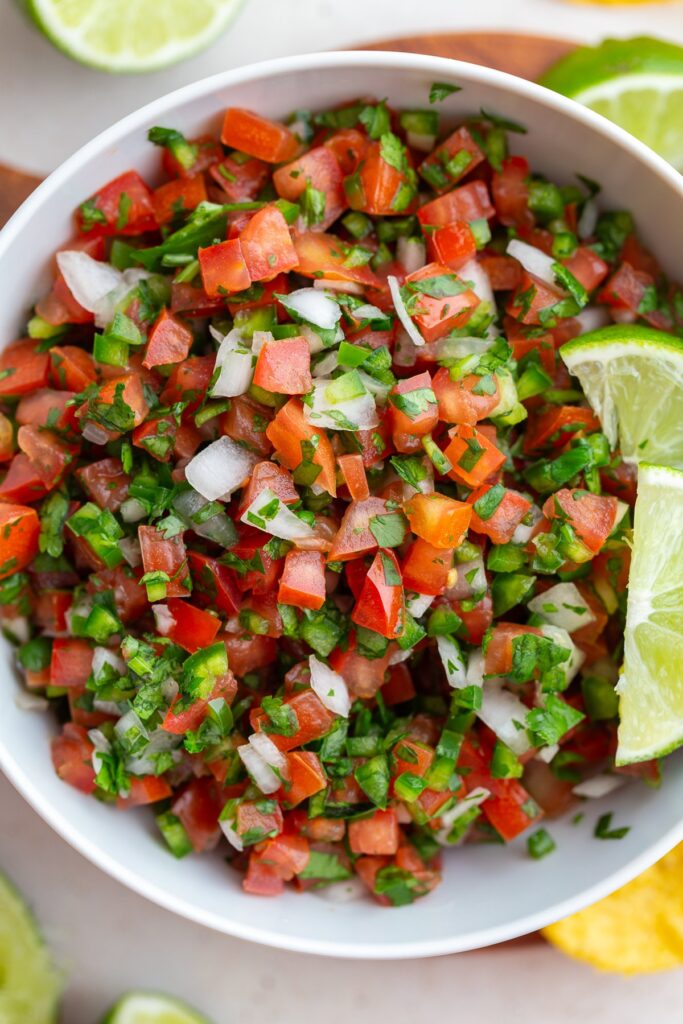

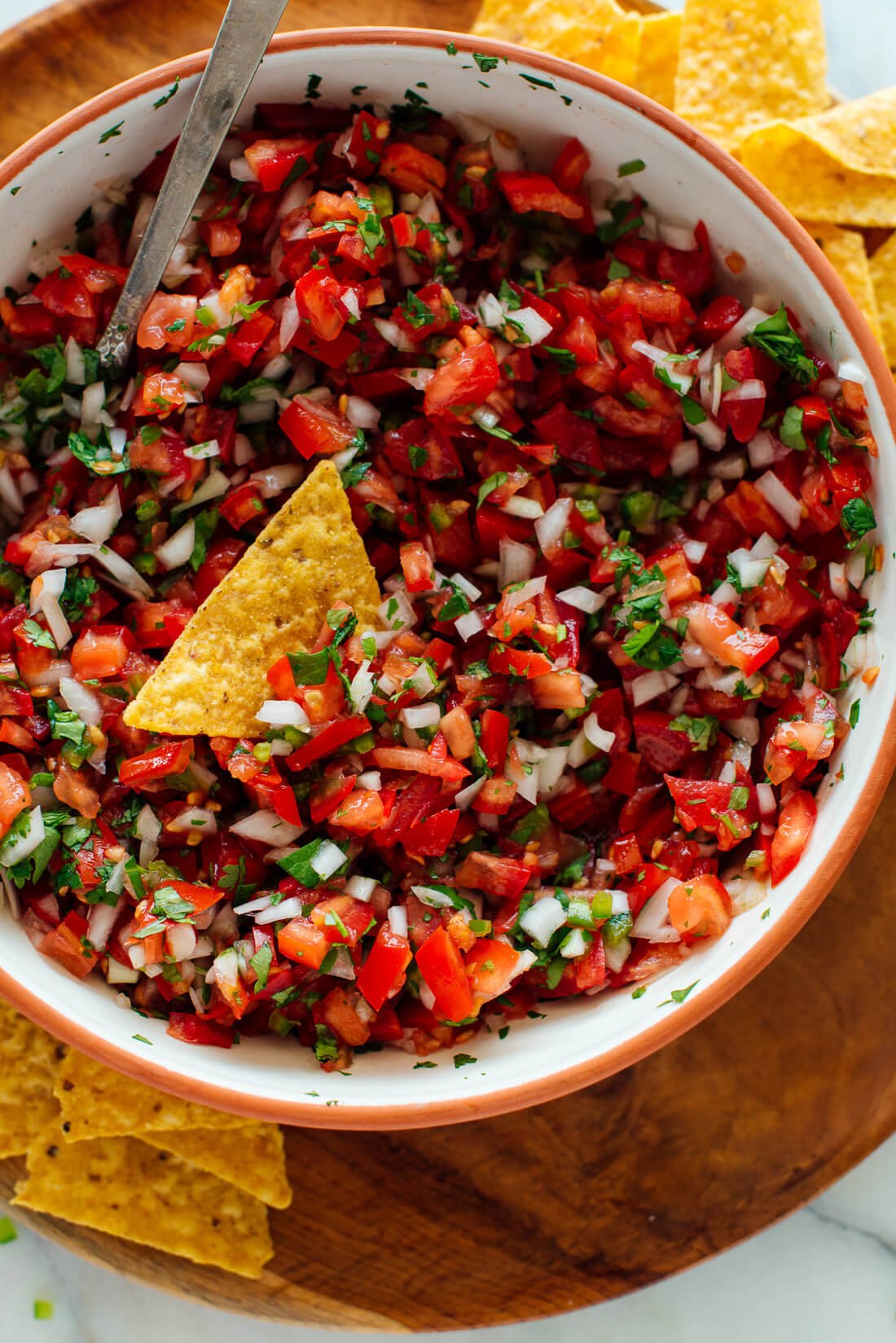

Few dishes capture the essence of fresh, sustainable cooking like pico de gallo — a simple yet vibrant salsa made from whole ingredients and prepared in minutes. This classic recipe proves that the most environmentally responsible foods are often the least processed and most accessible.
Why Homemade Beats Store-Bought
Fresh pico de gallo delivers superior flavor while reducing packaging waste and processed ingredients commonly found in commercial products. It is one of the easiest ways to embrace whole-food cooking and sustainable eating.
Key advantages include:
- Ready in under 10 minutes
- Naturally vegan and gluten-free
- Zero processed additives
- Customizable spice levels
- Minimal environmental footprint
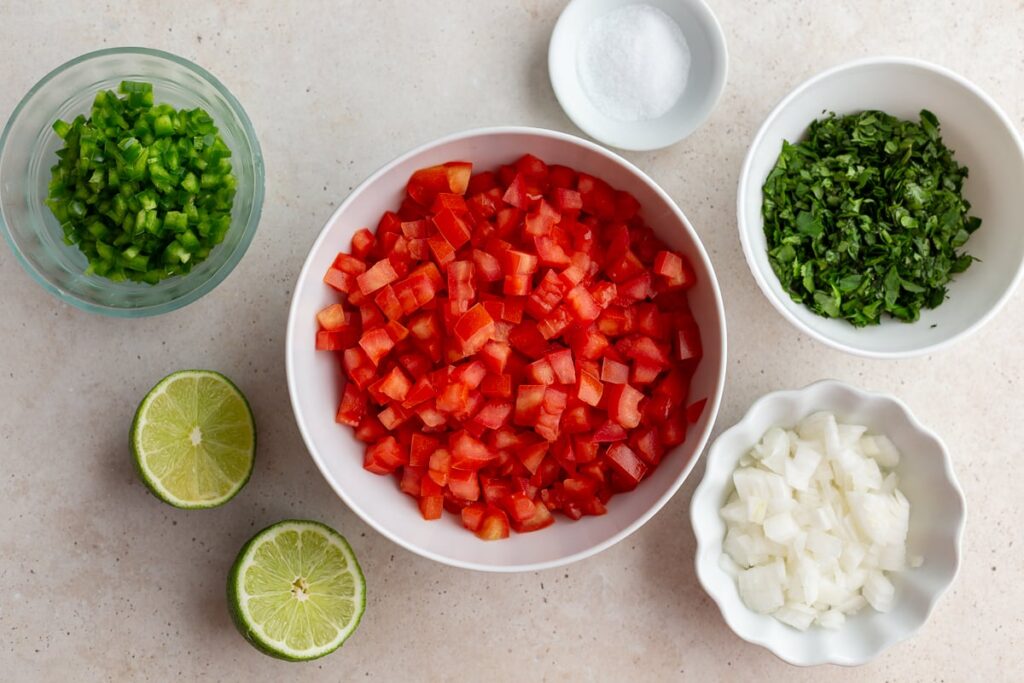
This fresh salsa highlights the power of simple ingredients: ripe tomatoes, onion, jalapeño, cilantro, lime juice, and sea salt.
Core Ingredients and Their Benefits
- Roma tomatoes provide freshness and natural sweetness
- White onion delivers sharp flavor and complexity
- Jalapeño peppers add customizable heat
- Fresh cilantro enhances aroma and brightness
- Lime juice balances flavors naturally
- Sea salt enhances taste and texture
Each ingredient contributes both nutritional value and sustainability through minimal processing and plant-based sourcing.
How to Make Perfect Pico de Gallo
The process is straightforward:
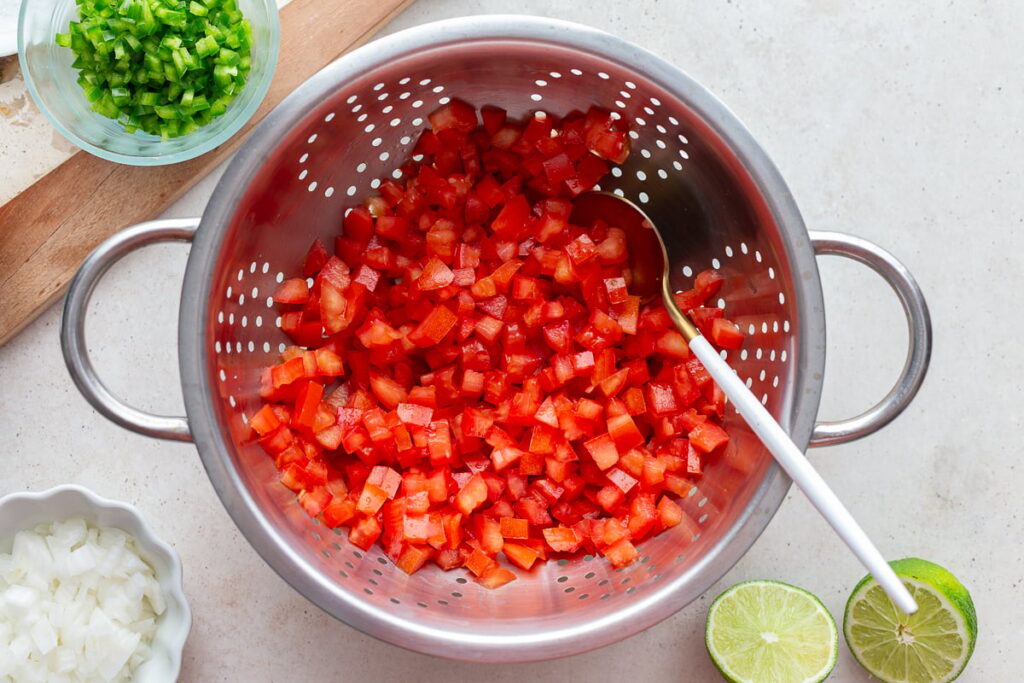
- Dice fresh tomatoes and drain excess moisture.
- Finely chop onion, jalapeño, and cilantro.
- Combine with lime juice and salt.
- Let flavors meld before serving.
The result is a vibrant, fresh salsa perfect for tacos, grain bowls, burritos, or homemade tortilla chips.
Sustainable Cooking Through Whole Foods
Preparing fresh recipes at home reduces:
- Packaging waste
- Food transportation emissions
- Preservative consumption
- Ultra-processed ingredients
This approach aligns with broader sustainability goals that emphasize local sourcing, minimal processing, and plant-forward nutrition.
High-Protein Vegetarian Dinners That Truly Satisfy
Beyond fresh flavors, sustainable nutrition must also deliver satiety and balance. A growing concern among plant-based eaters is finding meals that provide adequate protein and long-lasting fullness.
This comprehensive guide to high-protein vegetarian dinners addresses that need — offering meals designed to provide approximately 20–30 grams of protein per serving using whole, accessible ingredients.
What Makes a Vegetarian Dinner “High Protein”
Effective plant-based meals combine:
- Protein-rich ingredients
- Fiber for digestion and fullness
- Healthy fats for sustained energy
- Balanced carbohydrates
Key protein sources include:
- Tofu and tempeh
- Lentils and beans
- Edamame
- Greek yogurt or cottage cheese (vegetarian)
- High-protein pasta
- Whole grains like quinoa
This balance prevents energy crashes and supports long-term wellness.












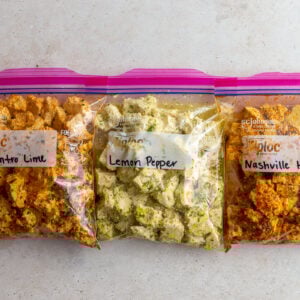

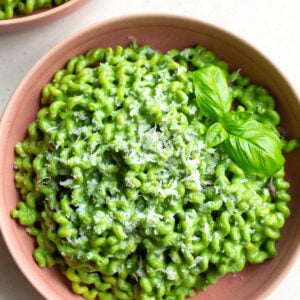
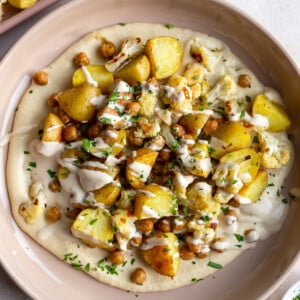
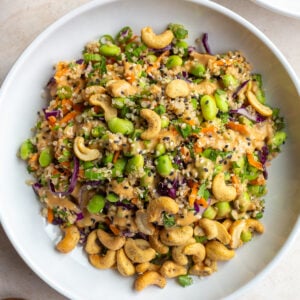


Quick 30-Minute Plant-Based Meals
Fast, protein-rich options make sustainable eating accessible for busy lifestyles.
Popular meal examples include:
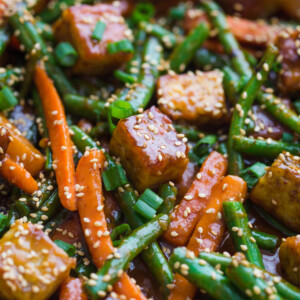
- Honey garlic tofu bowls
- Peanut tofu noodles with vegetables
- Gochujang tofu and edamame stir fry
- Chili crunch tofu bowls
- Creamy butter bean dishes
These meals combine convenience with nutrition, proving sustainable food can fit into everyday routines.
Comfort Food Without Compromise
Sustainability does not require sacrificing comfort or flavor. Many plant-based dishes deliver warmth and richness while remaining environmentally responsible.
Examples include:
- Creamy vegan Alfredo made with silken tofu
- Roasted chickpea and vegetable bowls
- Lentil curries and soups
- Vegetarian burritos and casseroles
These meals provide sustained energy and satisfaction while supporting climate-friendly eating habits.
The Environmental Impact of Plant-Based Cooking
Plant-forward recipes contribute significantly to sustainability by reducing reliance on resource-intensive animal agriculture.
Environmental benefits include:
- Lower greenhouse gas emissions
- Reduced water consumption
- Decreased land use
- Protection of biodiversity
- Improved food system efficiency
Transitioning even a portion of meals toward plant-based options produces measurable environmental impact.
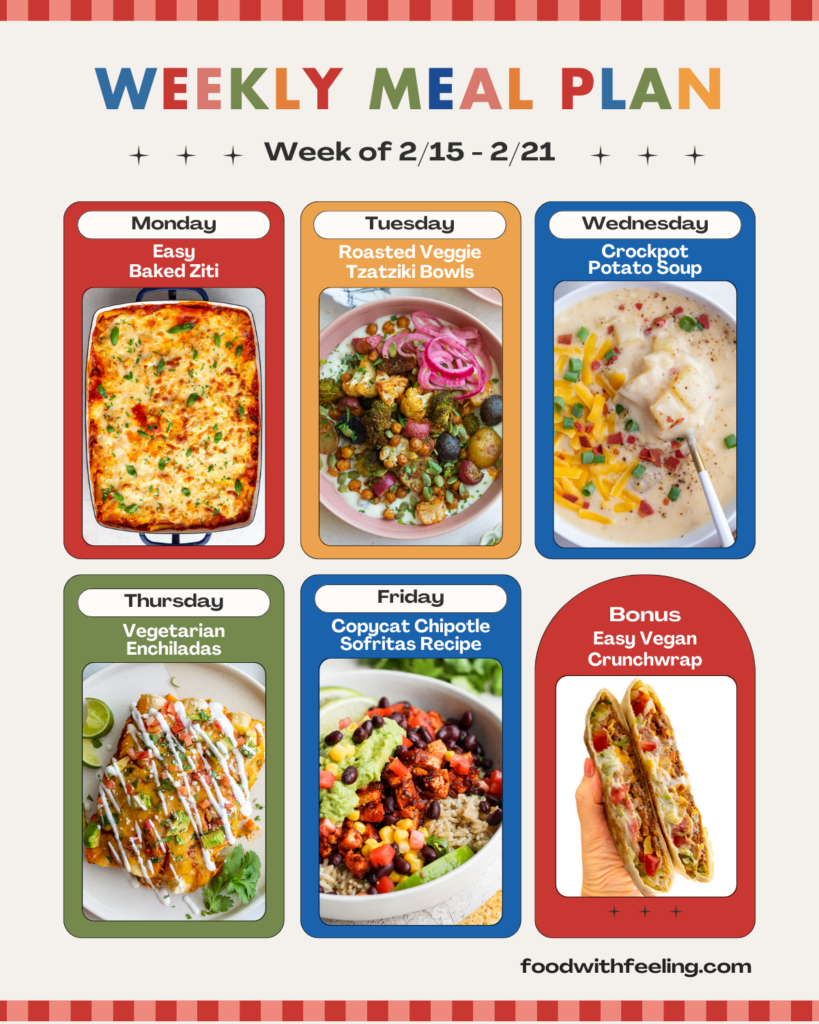
Meal Planning and Sustainable Living
Weekly vegetarian meal planning further strengthens sustainable habits by:
- Reducing food waste
- Improving nutritional balance
- Saving time and resources
- Supporting consistent healthy choices
Simple preparation strategies — such as pre-chopping vegetables, cooking grains in advance, and batch-cooking meals — make sustainable eating practical and achievable.
Food as Climate Action
The latest Sustainable Action Now recipes initiative reflects a powerful idea: climate action begins in the kitchen. Every meal represents a decision that shapes environmental outcomes, public health, and global food systems.
By embracing plant-based beverages, fresh whole-food recipes, and protein-rich vegetarian meals, individuals contribute to:
- Lower environmental impact
- Ethical food production
- Improved personal wellness
- Sustainable global agriculture
Food becomes both nourishment and advocacy.
A New Standard for Sustainable Nutrition
The growing popularity of plant-based cooking signals a broader cultural shift toward responsible consumption. These recipes demonstrate that sustainable living is not defined by restriction, but by creativity, flavor, and conscious choice.
From refreshing vegan drinks to fresh salsas and nourishing plant-powered dinners, the future of food is increasingly rooted in sustainability.
Explore more climate-conscious cooking and plant-based inspiration through <a href=”https://sustainableactionnow.org/category/recipes/”>Sustainable Action Now’s recipes</a> and join a global movement transforming everyday meals into meaningful action.
Sustainable eating is no longer a trend — it is a pathway toward a healthier planet, stronger communities, and a more compassionate future.