Across the world, thousands of wild animals remain trapped in conditions far removed from the habitats nature designed for them. Former roadside zoos, abandoned wildlife parks, illegal breeding operations, and private collections have left countless animals living in enclosures that fail to meet even the most basic standards of care.
Behind every rescue headline, however, is a reality far more complex than most people ever see.
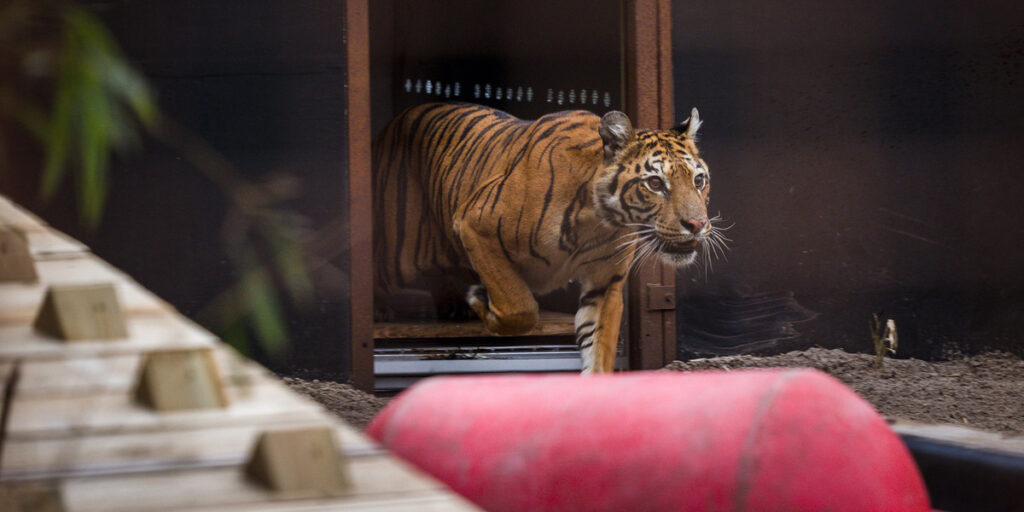
That reality is now being illustrated through an inspiring journey known as #FloraToFELIDA, the remarkable rescue of a tigress named Flora whose path from suffering to sanctuary represents both the promise and the immense effort required to protect wildlife in the modern world.
The story is not simply about moving an animal from one place to another. It is about international collaboration, veterinary science, wildlife advocacy, and the tireless work of rescue networks dedicated to ending the exploitation of animals used for entertainment, display, or profit.
And while a new 90-second video recap captures the highlights of Flora’s rescue for supporters eager to see her journey unfold, the truth is that her path to safety took months of planning, medical intervention, logistical coordination, and unwavering commitment from people around the globe.
This is the story behind the rescue—and why it matters for the future of wildlife protection everywhere.
A Journey That Began Long Before the Cameras Rolled
To the casual viewer, the rescue of an animal may appear almost instantaneous. A gate opens. A transport crate closes. A plane lifts off.
But in the real world of wildlife rescue, such moments are merely the final stage of a much longer process.
Flora’s journey began while she was still living in a former zoo in Argentina, where her condition raised serious concerns among animal welfare experts. Years of inadequate care had taken a visible toll on her health.
Before any relocation could take place, veterinary specialists needed to assess her physical condition and determine whether she could safely endure international transport.
In October 2025, Flora underwent a comprehensive medical examination—an essential step that revealed several serious health issues. Severe wounds required treatment, and extensive dental problems needed immediate attention. The veterinary team also evaluated her nutritional status, mobility, and stress levels to ensure she would be strong enough to travel thousands of miles.
These medical interventions were not simply routine procedures. They were critical steps in preparing Flora for the long journey that would eventually carry her across continents toward a new life.Only once veterinarians confirmed that she was stable and healthy enough could the rescue operation move forward.
The Global Logistics of Wildlife Rescue
Rescuing a large predator like a tiger is among the most complex operations in the animal welfare world.
Unlike domestic animals, big cats require highly specialized handling, secure transport systems, and extensive safety protocols to ensure both human and animal wellbeing.
Flora’s relocation from Argentina to the Netherlands required coordination across multiple countries, agencies, and disciplines.
Wildlife experts had to navigate:
• International transport permits
• Veterinary clearance and quarantine requirements
• Species protection regulations
• Transport crate design and safety specifications
• Flight logistics capable of safely carrying a large predator
• Environmental conditions suitable for the animal during travel
Each of these elements involves extensive preparation and oversight.
From securing government approvals to ensuring that the transport environment would minimize stress for the animal, the rescue network overseeing Flora’s relocation had to plan every detail carefully.
Even small logistical mistakes in such operations can create serious risks.
That is why wildlife rescue organizations rely on experienced teams that include veterinarians, animal behavior specialists, wildlife transport experts, and sanctuary staff prepared to receive the animals once they arrive.
The Destination: FELIDA Big Cat Sanctuary
Flora’s final destination was the FELIDA Big Cat Sanctuary, a specialized facility in the Netherlands dedicated to caring for rescued big cats that can no longer live in the wild.
Sanctuaries like FELIDA play a crucial role in the global animal welfare landscape.
Unlike zoos or entertainment facilities, accredited wildlife sanctuaries operate under a very different philosophy. Their mission is not exhibition or breeding, but rehabilitation, lifelong care, and advocacy.
Animals arriving at such sanctuaries often come from environments where they experienced neglect, poor nutrition, medical neglect, or psychological stress.
Many have spent years in cramped cages or unsuitable habitats.
For them, sanctuary life represents something profoundly different: space, enrichment, professional veterinary care, and the opportunity to live in environments designed specifically for their physical and behavioral needs.
When Flora finally arrived at FELIDA, she entered a space built for recovery and stability—an environment where she could begin adjusting to a life free from the conditions that had defined her earlier years.
Why Wildlife Rescue Matters More Than Ever
Flora’s story reflects a much larger global challenge.
Across the world, wildlife exploitation continues to threaten countless animals. Tigers, lions, bears, and other iconic species are frequently used in industries ranging from tourism and entertainment to illegal wildlife trade.
Even when such facilities shut down, the animals left behind often require immediate intervention from rescue organizations capable of providing safe relocation and lifelong care.
Without rescue networks and sanctuaries, many of these animals would face uncertain futures.
Some would remain trapped in inadequate facilities.
Others could be sold, transferred to equally poor conditions, or even euthanized due to lack of resources.
Rescue networks exist to prevent those outcomes.
They connect veterinarians, sanctuaries, conservation organizations, and advocates who work together to give animals a second chance.
The Power of Public Support
One of the most important elements behind successful wildlife rescues is something often invisible in the final rescue footage: community support.
Rescue operations require funding, advocacy, awareness campaigns, and logistical resources that can only exist when people care enough to help.
Supporters contribute by funding veterinary care, supporting transport operations, advocating for policy reforms, and amplifying awareness of wildlife exploitation.
Flora’s rescue is a direct reflection of that collective effort.
Every step—from medical treatment to international transport—was made possible because individuals, organizations, and advocates came together with a shared commitment to animal welfare.
In recognition of that support, a special 90-second recap video has been created so that those who helped make the rescue possible can witness the outcome of their collective effort.
While the video captures the emotional highlights, it also serves as a reminder that the real story behind such rescues unfolds over months and sometimes years.
A Rescue That Happened on the Same Day
Flora’s journey also represents part of a larger milestone.
The day she began her new life at sanctuary was not only significant for her.
Two rescued bears also began new chapters on that same day, marking a rare moment when multiple animals escaped harmful conditions and entered environments designed for care and rehabilitation.
This convergence highlights the scale of work being done by wildlife rescue organizations worldwide.
Each animal represents its own story of survival and recovery, yet together they illustrate a broader movement dedicated to ending the suffering of animals held in captivity under inadequate conditions.
An upcoming in-depth video will soon reveal more about this extraordinary day and the multiple rescues that unfolded simultaneously.
The Rescue Network Behind the Scenes
What makes stories like #FloraToFELIDA possible is the existence of global rescue networks—collaborative systems that unite animal welfare organizations across borders.
These networks share information, coordinate rescue operations, and ensure that animals in need can be transferred to appropriate sanctuaries.
Without these partnerships, many rescue missions would simply be impossible.
The transportation of large animals across continents requires expertise, infrastructure, and legal frameworks that no single organization can manage alone.
Rescue networks provide that collective capacity.
They are the reason animals like Flora can move from neglect to sanctuary, from isolation to care, and from suffering toward a future defined by dignity.
A Reminder of What Is Possible
For those who watched the footage of Flora stepping toward a new life, the moment carries a powerful emotional resonance.
It represents the end of one chapter and the beginning of another.
But it also represents something bigger.
It shows what becomes possible when people refuse to accept that animals should suffer simply because they were born into captivity.
It shows that even after years of neglect, rescue and recovery remain within reach.
And it reminds us that behind every successful rescue is a network of individuals who refused to give up on the idea that animals deserve protection, compassion, and a chance to live free from harm.
Flora’s story may have reached its destination at FELIDA Big Cat Sanctuary.
But the broader mission continues.
Around the world, countless animals are still waiting for their own rescue stories to begin.