Behind the polished storefront windows of luxury fashion and the glossy pages of high-end magazines lies a reality few consumers ever see. It is the reality of animals trapped in wire cages, pacing in circles, exposed to extreme temperatures, denied veterinary care, and ultimately killed solely for their fur. Their suffering is not incidental to the industry — it is the industry.
At Sustainable Action Now, we continue to document and confront the global abuse of wildlife and animals exploited for commercial gain. The crisis of fur farming and fur fashion remains one of the most visible, cruel, and unnecessary forms of institutionalized animal abuse. Through our ongoing coverage of animal and wildlife abuse issues, we aim to ensure this suffering is never hidden behind branding, trend cycles, or marketing language again.
A Life Measured in Misery
Animals raised for fur — including foxes, minks, raccoon dogs, chinchillas, and rabbits — spend their entire lives in cramped wire cages. Their environment is barren, unnatural, and psychologically devastating. Unable to express basic behaviors such as running, burrowing, or social bonding, many develop self-mutilation habits, broken teeth from cage-biting, and severe stress-induced disorders.
They are not given names. They are not given compassion. They are commodities, raised with a singular endpoint: slaughter and skinning.
The phrase “there’s no end to his suffering” is not metaphorical. It is literal. For these animals, suffering is continuous from birth until death.
The Fashion Industry’s Reckoning Has Begun
For decades, fur was marketed as a symbol of prestige. That illusion is now collapsing under the weight of public awareness, scientific understanding of animal sentience, and moral accountability.
In recent years, historic shifts have reshaped global fashion:
Condé Nast, parent company of Vogue, Vanity Fair, and GQ, announced a worldwide ban on new animal fur in all editorial and advertising content. This decision effectively removed fur from the most influential fashion media ecosystem on Earth.
New York Fashion Week followed suit. The Council of Fashion Designers of America declared that animal fur would no longer be permitted on official NYFW runways, aligning with earlier bans by London Fashion Week and Copenhagen Fashion Week. Together, these platforms dictate global fashion direction — and they have formally rejected fur.
Luxury fashion houses have also moved decisively. More than 1,600 brands have joined the Fur Free Retailer Program. Industry leaders including Gucci, Prada, Chanel, Versace, Armani, Balenciaga, and Saint Laurent have all committed to eliminating fur from their collections. Once synonymous with fur prestige, these names now recognize that cruelty has no place in modern design.
These decisions reflect not only ethical progress, but market reality. Consumers increasingly demand transparency, sustainability, and compassion from the brands they support. Fur is no longer fashionable. It is outdated, indefensible, and economically unsustainable.
Governments Are Ending Fur From the Top Down
Legislators around the world are now accelerating what public pressure began.
Israel became the first nation to ban the sale of fur entirely — a landmark move that signaled the beginning of the end for retail fur markets. As of 2026, twenty-three countries, including the United Kingdom, Bulgaria, and Poland, have enacted bans on fur farming. Poland’s recent legislation will phase out remaining operations by 2033.
In the United States, California became the first fur-free state, followed by city-level bans in Los Angeles and San Francisco. These legal frameworks are expanding steadily as policymakers recognize that fur production violates modern standards of animal welfare and environmental responsibility.
This global legislative momentum confirms a simple truth: industries built on systematic cruelty cannot survive long-term public scrutiny.
Environmental Cost Beyond Cruelty
The fur industry’s harm extends beyond animal suffering. Fur farming generates significant environmental damage through waste runoff, chemical processing, high water usage, and toxic preservation agents used in tanning. Ironically, fur has often been marketed as “natural” or “eco-friendly.” The reality is precisely the opposite. Synthetic alternatives now offer cruelty-free warmth and durability without poisoning ecosystems.
Ending fur production is not only an animal welfare victory — it is an environmental necessity.
Advocacy, Awareness, and the Power of Choice
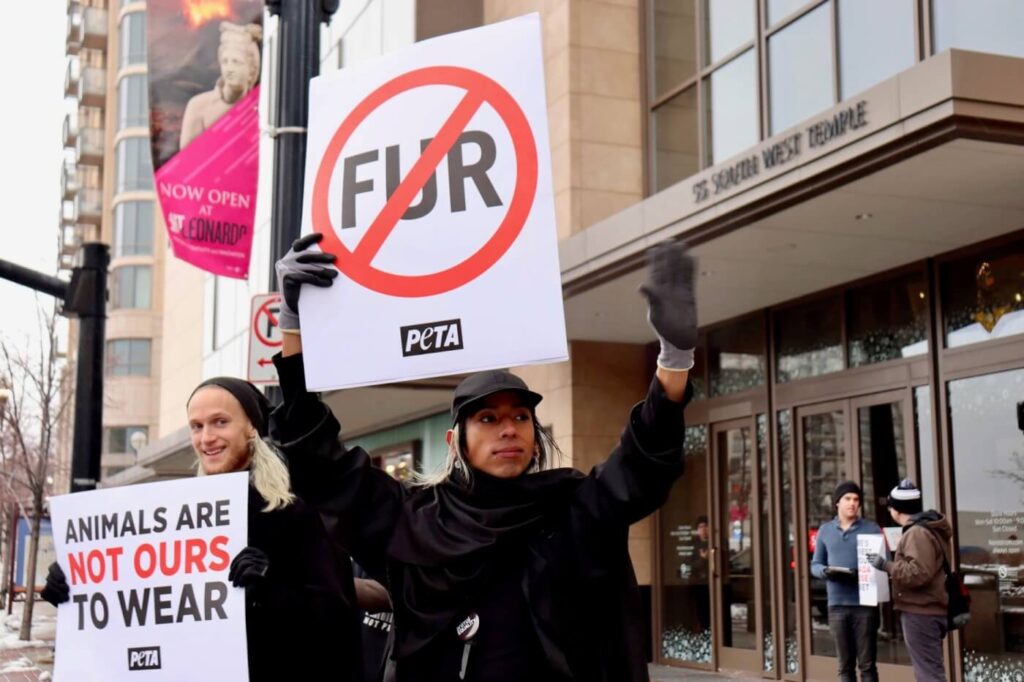
The anti-fur movement has grown because ordinary people refused to accept cruelty as normal. Grassroots campaigns, investigative reporting, rescue organizations, and ethical fashion advocates have collectively pushed the industry to its current tipping point.
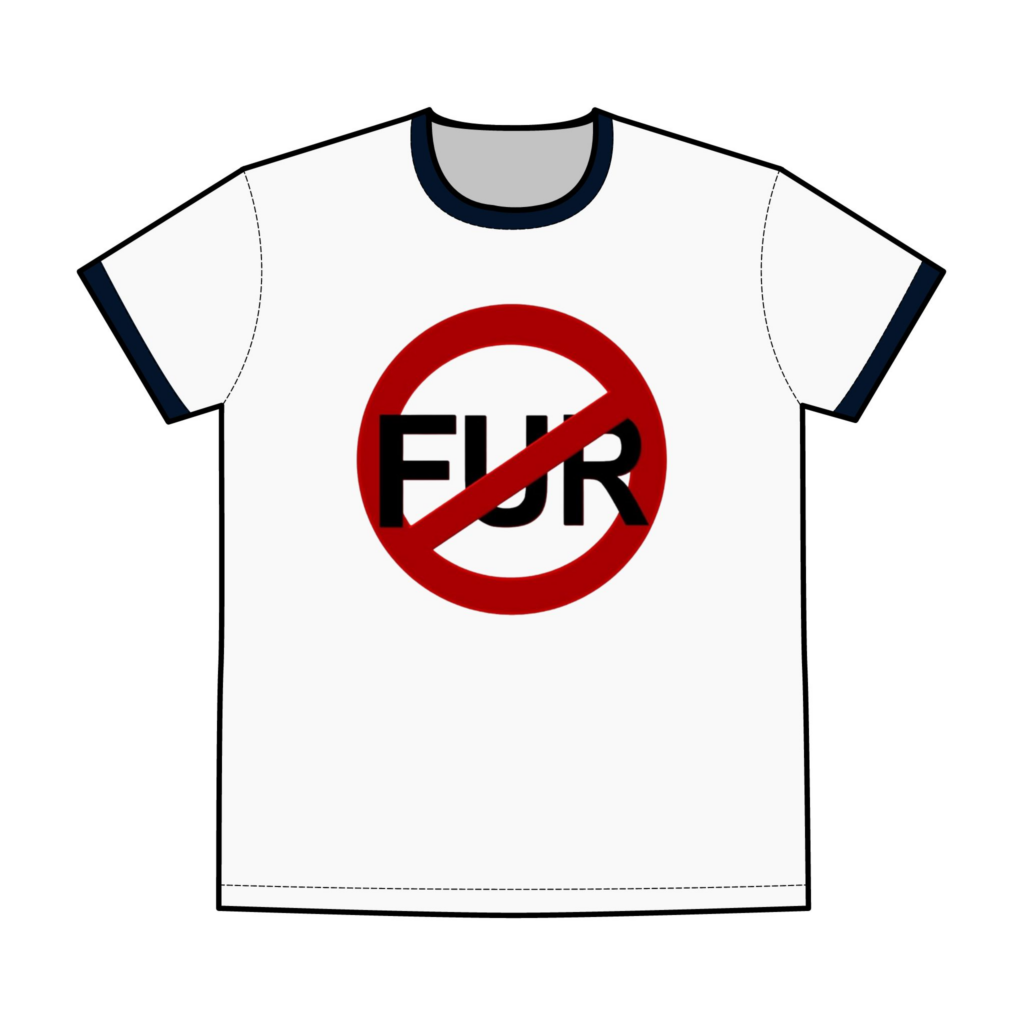
Today, consumers can align their values with their wardrobes. Apparel and accessories that express support for animal rights and cruelty-free fashion allow individuals to make visible statements against exploitation. Every purchase made without fur reinforces market pressure for continued reform.
But awareness remains critical. As long as fur farms exist, animals continue to suffer in silence. The role of advocacy media is to ensure that silence is broken.
A Future Without Fur
The end of fur is no longer hypothetical. It is unfolding in real time — across fashion houses, runways, legislative chambers, and consumer markets. Yet for the animals still confined behind wire cages today, time matters.
Their suffering has lasted long enough.
At Sustainable Action Now, we will continue documenting animal exploitation, exposing abuse, and amplifying the organizations, lawmakers, and citizens building a cruelty-free future. Because compassion should not be optional. And no industry should be allowed to profit from pain.
The world is moving forward. Fur belongs to the past.