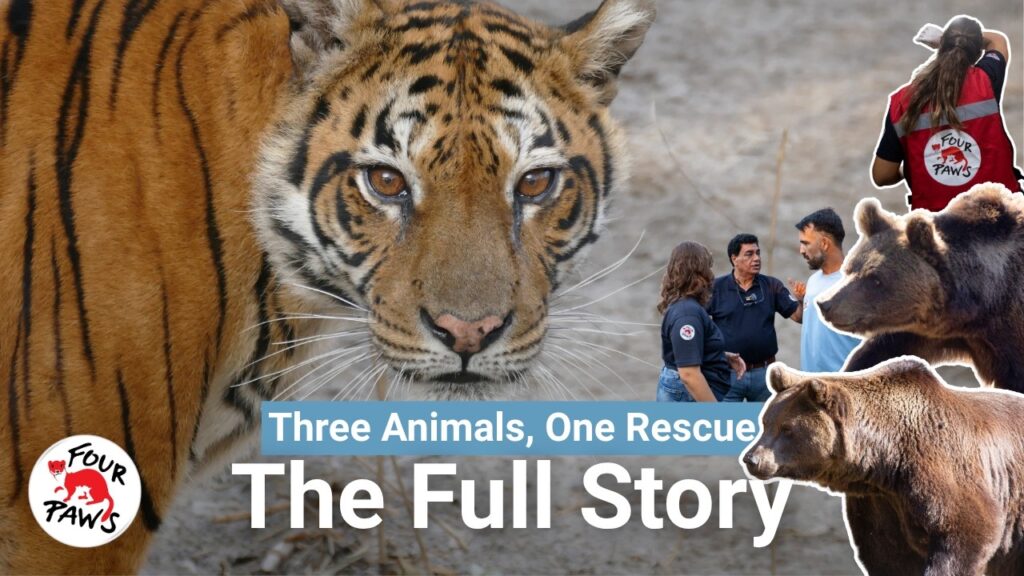
There are moments in animal rescue that transcend individual cases and instead illuminate the scale, complexity, and urgency of the global effort to protect animals from prolonged neglect and systemic failure. The coordinated rescue of Flora, Gordo, and Florencia from the former Zoo Luján in Argentina is one of those defining moments. It is not simply a story of three animals being relocated—it is a case study in precision logistics, cross-border collaboration, veterinary intervention, and the relentless commitment required to transform suffering into recovery.
At Sustainable Action Now, this operation represents the very essence of what a modern rescue network must be: agile, interdisciplinary, internationally coordinated, and unwavering in its focus on animal welfare outcomes. It also underscores a reality that is often overlooked in public narratives—the most critical rescues are rarely fast, simple, or linear. They are layered, complex operations that require months, sometimes years, of planning, negotiation, and execution.
The turning point for Gordo and Florencia, two bears who had endured years in inadequate and restrictive conditions, began long before their physical relocation. Initial assessments conducted in the autumn identified both animals as urgent cases, with clear indicators of compromised welfare and long-term distress. From that moment forward, the objective was not merely removal, but responsible extraction—ensuring that every step, from sedation protocols to transport conditions, minimized additional trauma while maximizing the potential for recovery.
This level of care is what distinguishes effective rescue operations from reactive interventions. Moving large mammals, particularly those with a history of confinement and stress, requires a highly calibrated approach. Veterinary teams must evaluate physical condition, psychological state, and risk factors associated with transport. Rescue specialists must design extraction strategies that account for environmental variables, infrastructure limitations, and the unpredictable nature of animals who have endured prolonged hardship. Each decision carries weight, and each step must be executed with precision.
For Gordo and Florencia, the destination was not simply a new enclosure, but a fundamentally different life at the Rescue Network-supported Bear Sanctuary Belitsa in Bulgaria. This facility represents a gold standard in post-rescue rehabilitation, offering expansive, species-appropriate environments where bears can begin to rediscover natural behaviors that were suppressed for years. The transition from confinement to sanctuary is not immediate—it is a gradual process of physical healing and behavioral reconditioning, supported by experienced caretakers and ongoing veterinary oversight.
Flora’s case presented a different, yet equally urgent, set of challenges. As a tiger who had endured extended periods of untreated pain, her condition required not only extraction, but immediate and specialized medical intervention. Chronic discomfort in large predators often leads to compounded issues, including mobility limitations, stress-related behaviors, and nutritional imbalances. Addressing these factors requires a tailored rehabilitation strategy that integrates medical treatment, controlled environments, and consistent monitoring.
Her transfer to the FELIDA Big Cat Sanctuary in the Netherlands reflects the level of specificity required in successful rescue operations. Not all sanctuaries are equipped to handle all species or conditions. Matching an animal’s needs with the appropriate facility is a critical component of the process, ensuring that recovery is not only possible but sustainable. At FELIDA, Flora will receive targeted veterinary care, structured rehabilitation, and an environment designed to restore both physical health and behavioral stability.
What unites these three rescues is not only their complexity, but the network that made them possible. Modern animal rescue operates at the intersection of multiple disciplines—field teams, veterinarians, logistics coordinators, legal experts, and international partners all working in concert. Access to the site itself often requires negotiation and regulatory approval. Transport across borders introduces additional layers of compliance, including health certifications, permits, and coordination with authorities in multiple jurisdictions. Each element must align precisely for the operation to succeed.
This is where the concept of a rescue network becomes critical. It is not a single organization or team, but an ecosystem of expertise and collaboration. It is built on relationships, trust, and a shared commitment to outcomes that prioritize animal welfare above all else. Without this infrastructure, operations of this scale would not be feasible.
Equally important is the role of public support. While the technical aspects of rescue are complex, they are sustained by a foundation of engagement—individuals who contribute resources, amplify awareness, and maintain visibility around the issues at hand. The successful relocation of Flora, Gordo, and Florencia is a direct reflection of that collective effort. It demonstrates that meaningful change is not driven by isolated actions, but by coordinated participation across multiple levels.
The broader implications of this operation extend beyond the immediate outcomes for these three animals. The former Zoo Luján has long been associated with concerns about animal welfare, and the removal of these individuals signals a shift in how such facilities are being evaluated and addressed. It also reinforces the growing expectation that substandard conditions will not be tolerated, and that pathways for intervention are both necessary and achievable.
Yet the work is far from complete. Flora, Gordo, and Florencia are part of a larger population of animals still in need of intervention—both within Argentina and globally. Each successful rescue sets a precedent, creating momentum for future operations while also highlighting the scale of the challenge ahead. The question is not whether more animals require assistance—it is how quickly and effectively the global community can respond.
For Sustainable Action Now, this moment serves as both a milestone and a mandate. It highlights what is possible when expertise, coordination, and commitment converge, but it also underscores the urgency of expanding these efforts. The rescue network must continue to grow, adapt, and innovate, ensuring that more animals can be reached, more facilities can be transformed, and more lives can be fundamentally changed.
The journey for Flora, Gordo, and Florencia is just beginning. Recovery is not immediate, and the process of healing—both physical and psychological—will take time. But for the first time, that process will unfold in environments designed for their well-being, supported by teams dedicated to their care, and sustained by a network that refuses to accept anything less than meaningful change.
This is what modern animal rescue looks like. It is deliberate, it is demanding, and it is driven by a singular objective: to replace suffering with dignity, one life at a time.