
In the world of animal rescue, there are moments that define both the urgency of the mission and the power of coordinated action. The recent recovery of an entire family of nine dogs—once unreachable, vulnerable, and at risk—stands as a vivid example of what happens when persistence, expertise, and support converge at exactly the right time. What began as a failed attempt by initial rescuers evolved into a complex, high-stakes operation that ultimately secured the safety of every animal involved, reinforcing a central truth that continues to shape the work of modern rescue networks: intervention, when done right, changes everything.
The situation unfolded with a familiar but deeply challenging pattern. A group of dogs—likely bonded, likely dependent on one another for survival—had been identified in conditions that required immediate intervention. Early rescue efforts were unsuccessful, a reality that underscores how difficult these operations can be. Dogs in distress are often fearful, evasive, and conditioned by their environment to avoid human contact. Without the right approach, even well-intentioned efforts can fall short, leaving animals in place and at continued risk.
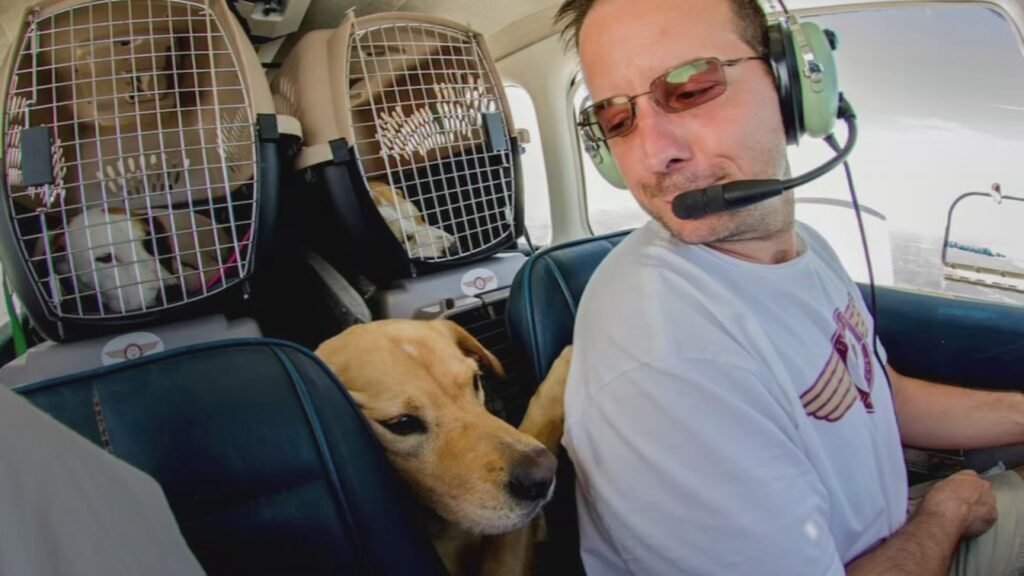
Recognizing the urgency, a call was made to a specialized rescue team with the experience and resources necessary to handle complex recoveries.
What followed was not a routine retrieval, but a carefully executed operation that required strategy, patience, and adaptability.
Traveling a significant distance to reach the site, the rescuers approached the situation with a clear objective: secure every member of the group without causing additional stress or fragmentation.
Rescuing a single animal under these conditions is challenging. Rescuing nine—each with its own temperament, level of fear, and behavioral response—introduces a level of complexity that cannot be overstated. The success of the operation depended on maintaining cohesion within the group while methodically creating opportunities for safe capture. This is where experience becomes critical. Understanding canine behavior, anticipating movement patterns, and deploying techniques that minimize panic are all part of a process that blends instinct with training.
The operation, described as intricate and demanding, ultimately achieved its goal. All nine dogs were safely secured, marking a turning point not only for the animals themselves but for the broader network supporting the effort. Each rescue of this scale carries with it a cascade of next steps—medical evaluation, stabilization, and placement within a foster system capable of providing individualized care.
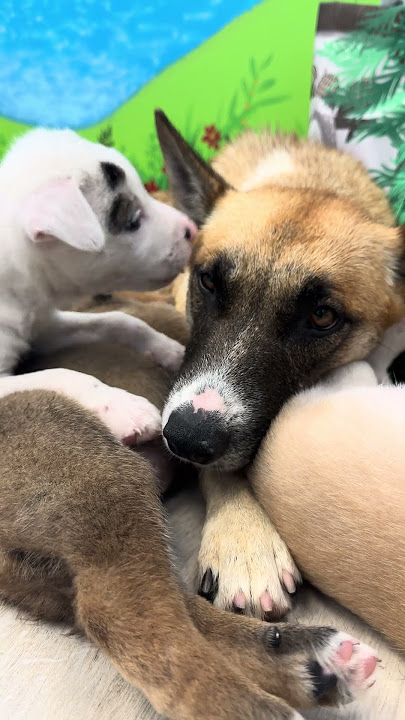
Following their rescue, the dogs were transferred into the care of a trusted foster organization, where the work of recovery begins in earnest. The transition from survival conditions to structured care is profound. It introduces consistency, safety, and the first real opportunity for these animals to experience life without threat or deprivation. For many, this is the first step toward a complete behavioral reset, where fear begins to give way to curiosity, and survival instincts are gradually replaced by trust.
The scope of care required for a group of this size is substantial. Veterinary needs alone can include surgeries, vaccinations, and treatment for conditions that developed during their time in neglect or abandonment. Nutritional support, socialization, and ongoing monitoring are equally critical, ensuring that each dog progresses at a pace aligned with its individual needs. This level of care is resource-intensive, relying heavily on the infrastructure and support systems that define effective rescue networks.
What makes this story particularly significant is not only the outcome, but the process behind it. It highlights the importance of collaboration across organizations, the role of community support in enabling large-scale rescues, and the operational sophistication required to execute them successfully. These are not isolated efforts—they are part of a broader ecosystem designed to respond to need with precision and scalability.
The forthcoming release of the rescue video adds another dimension to this narrative. Visual documentation of such operations serves multiple purposes. It provides transparency into the methods used, offers educational value for those seeking to understand rescue dynamics, and reinforces the emotional connection that drives public engagement. While the footage is still in production, its anticipated release reflects the growing role of media in amplifying the impact of rescue work.
Within the larger framework of advocacy and action, this rescue aligns with the ongoing efforts documented across Sustainable Action Now’s rescue network initiatives, where the emphasis is on building systems that can respond effectively to complex situations. The goal is not only to address immediate cases, but to create a model that can be replicated, scaled, and refined over time.
The financial dimension of such operations cannot be overlooked. Each rescue carries costs that extend well beyond the moment of intervention. Medical procedures, ongoing care, and logistical support require sustained funding, often sourced through community contributions and membership programs. These resources are essential, enabling organizations to act quickly and decisively when new cases arise.
At its core, this rescue is a demonstration of what is possible when expertise meets commitment. It challenges the notion that difficult cases are insurmountable and reinforces the idea that persistence, when supported by the right infrastructure, leads to results. It also serves as a reminder that behind every successful operation is a network of individuals—rescuers, caregivers, supporters—working in alignment toward a shared objective.
The transformation of these nine dogs is still in progress, but the most critical milestone has already been achieved. They are no longer defined by the conditions they were found in. They are no longer beyond reach. They are in an environment where recovery is not only possible, but expected.
For those observing from the outside, the impact of this work extends beyond the immediate story. It offers a clear example of how organized, well-supported rescue efforts can address even the most challenging situations. It underscores the importance of continued investment in these networks, ensuring that when the next call comes—and it will—the capacity to respond is already in place.
In the evolving landscape of animal welfare, stories like this are not endpoints. They are indicators of progress, benchmarks that reflect how far the system has come and how much further it can go. Each successful rescue builds momentum, strengthens networks, and reinforces the principle that no group is too large, no situation too complex, and no life beyond the reach of those committed to making a difference.