
The latest incident at Churchill Downs has once again placed the spotlight on the intersection of animal welfare, public accountability, and the structural realities of the horse racing industry. Vino Subito, a three-year-old colt whose name has rapidly circulated across social media and advocacy platforms, is alive and currently recovering following a race-day injury that occurred on April 28, 2026. While his survival offers a measure of relief, the broader implications of the incident extend far beyond a single horse, reigniting an urgent and ongoing conversation about the treatment, protection, and oversight of animals used in competitive sport.
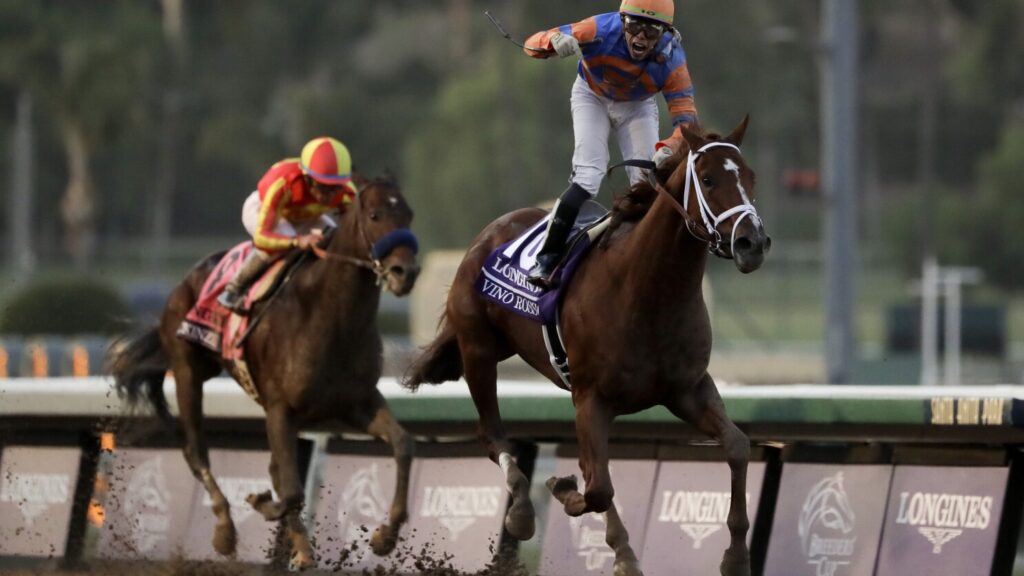
During the opening race of the day, Vino Subito sustained a front leg injury near the top of the homestretch, forcing him out of competition before the finish. The response was immediate: he was transported via equine ambulance to the track’s on-site veterinary facility, where initial evaluations indicated a non-life-threatening condition. This outcome, while comparatively positive within the context of racing injuries, has not diminished the intensity of the reaction that followed. Advocacy organization PETA issued a public demand for transparency regarding his condition, highlighting a longstanding concern about the lack of consistent disclosure surrounding non-fatal injuries in the racing environment.
The speed and scale of the response reflect a broader shift in how such incidents are perceived and communicated. In an era where information moves instantly and public scrutiny is amplified through digital platforms, the traditional opacity surrounding racehorse injuries is increasingly at odds with expectations for accountability. The call for detailed updates on Vino Subito’s status is not merely about one case; it is part of a sustained push to redefine the standards of transparency within an industry that has historically operated with limited public reporting on animal health outcomes outside of catastrophic events.
This moment also cannot be separated from the historical context that continues to shape perceptions of Churchill Downs. The racetrack, one of the most recognizable venues in American horse racing, has faced repeated scrutiny over animal safety concerns in recent years. The memory of past incidents remains fresh, including the euthanization of Valley of Fire following severe injuries during a workout in April 2025, and the widely reported cluster of fatalities during the 2023 spring meet that led to a temporary suspension of racing activities. These events have contributed to an erosion of public confidence and have intensified calls for systemic reform.
Within this framework, Vino Subito’s injury functions as both an individual case and a data point within a larger pattern that advocates argue demands structural change. The physical demands placed on racehorses—combined with the high-speed, high-impact nature of the sport—create conditions where injuries are not anomalies but inherent risks. Addressing these risks requires more than reactive medical care; it necessitates a comprehensive reevaluation of training practices, track conditions, breeding standards, and the regulatory mechanisms that govern the industry.
From a sustainable action perspective, the issue of animal welfare in horse racing is deeply interconnected with broader environmental and ethical considerations. Sustainability is not limited to ecological metrics; it encompasses the responsible stewardship of all living systems, including the animals that are integrated into human economic and entertainment activities. Ensuring the wellbeing of racehorses is therefore not a peripheral concern—it is central to any credible definition of sustainability within this sector.
The current situation also underscores the importance of independent oversight and standardized reporting protocols. Without consistent, publicly accessible data on injuries, treatments, and long-term outcomes, it becomes difficult to assess the true scale of the issue or to measure progress over time. Transparency is not simply a matter of public relations; it is a foundational requirement for evidence-based policy and meaningful reform. The demand for information in the case of Vino Subito reflects a growing recognition that accountability must be built into the system, not negotiated on a case-by-case basis.
At the same time, the response to this incident highlights the evolving role of advocacy organizations in shaping industry practices. By leveraging public attention and applying pressure at key moments, groups like PETA are influencing the narrative and forcing a level of engagement that might not otherwise occur. Whether one agrees with their methods or messaging, their impact on the conversation is undeniable. They have succeeded in bringing issues of animal welfare to the forefront, ensuring that incidents like this are not quietly absorbed into the routine of the racing calendar.
For industry stakeholders, this environment presents both a challenge and an opportunity. The challenge lies in addressing legitimate concerns while maintaining the viability of the sport. The opportunity is to lead a transformation that aligns horse racing with contemporary expectations for ethical treatment and operational transparency. This could include enhanced veterinary protocols, stricter limits on training intensity, improved track surface technologies, and a commitment to full disclosure of injury data. Such measures would not only improve outcomes for the animals but also help rebuild trust with a public that is increasingly attentive to issues of welfare and responsibility.
Vino Subito’s recovery, while encouraging, does not close the conversation—it opens it further. His case serves as a reminder that survival is only one measure of success. The conditions that led to his injury, and the systems that will determine his future care, are equally important. As he continues to receive treatment, his story becomes part of a larger narrative about the future of horse racing and the role of animal welfare within it.
For Sustainable Action Now, this moment reinforces the urgency of advancing a more holistic approach to animal protection—one that integrates transparency, accountability, and proactive reform into every level of the system. The goal is not simply to respond to incidents after they occur, but to create conditions where they are less likely to happen in the first place. Achieving that goal will require sustained effort, cross-sector collaboration, and a willingness to confront difficult questions about the balance between tradition and progress.
As the industry moves forward, the eyes of the public, advocates, and policymakers will remain fixed on how these issues are addressed. The outcome will shape not only the future of horse racing but also the broader standards by which animal welfare is measured in all areas of human activity. In that sense, the story of Vino Subito is not an isolated event—it is a defining moment in an ongoing effort to align practice with principle in the pursuit of a more responsible and sustainable world.