
In the world of animal rescue, success is often measured one life at a time. A frightened dog rescued from a roadside ditch. A neglected cat receiving medical care for the first time. An injured animal surviving emergency surgery and finding a second chance at life. Behind every rescue story that captures public attention lies a much larger reality—one that requires infrastructure, medical expertise, funding, dedication, and an unwavering commitment to helping animals when they need it most.
That reality is on full display as Hope For Paws celebrates two years since the opening of CARES 3.0, a milestone that represents far more than the anniversary of a building. It marks the evolution of a rescue movement that has transformed thousands of lives and demonstrated what becomes possible when compassion is matched by action.
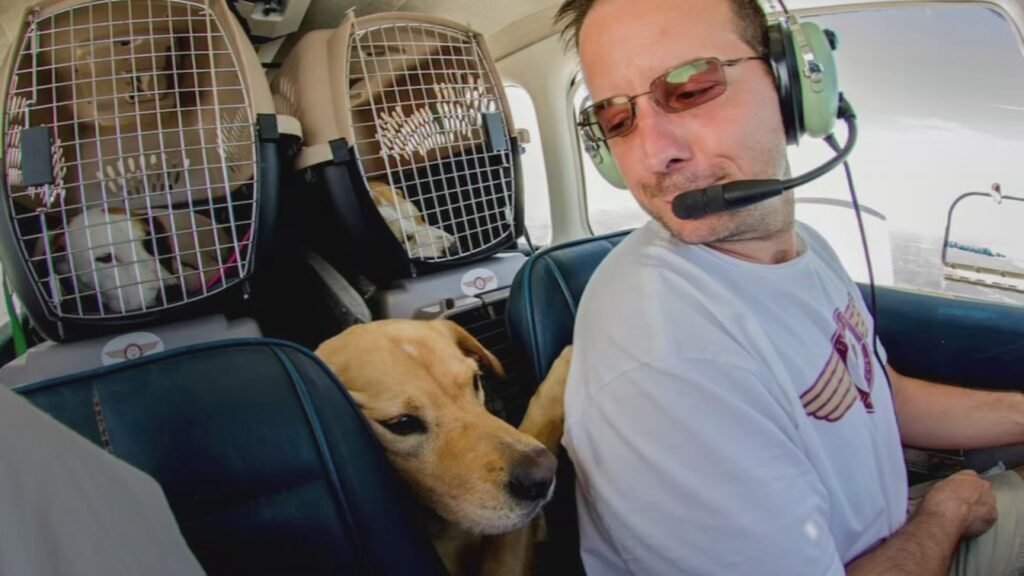
For many supporters, Hope For Paws is best known for its dramatic rescue videos that have reached millions of viewers around the world. Audiences witness frightened animals being brought to safety, neglected pets receiving care, and abandoned dogs discovering trust again after experiencing unimaginable hardship. These stories inspire hope, but they also reveal an important truth: rescue is only the beginning.
Every animal saved requires medical evaluation. Many need emergency treatment. Some require surgeries, rehabilitation, specialized care, foster placement, behavioral support, and months of recovery before they are ready for adoption. Without veterinary infrastructure capable of handling these challenges, even the most successful rescue efforts face significant limitations.
That need ultimately helped shape the vision behind CARES.
What started as a modest 1,200-square-foot clinic was designed to support a growing rescue mission and provide lifesaving medical services to animals that otherwise might not survive. Yet the demand quickly exceeded expectations. More animals were arriving in need of treatment. More emergencies required immediate intervention. More rescue partners sought assistance for cases that traditional shelters and veterinary facilities struggled to accommodate.
As the need grew, so did the facility.
The clinic expanded into a 2,500-square-foot hospital, providing greater capacity and more advanced care options. But even that growth proved insufficient as rescue operations continued expanding and medical demands increased. The reality became clear: animal welfare organizations were confronting a level of need that required something much larger.
The result was CARES 3.0.
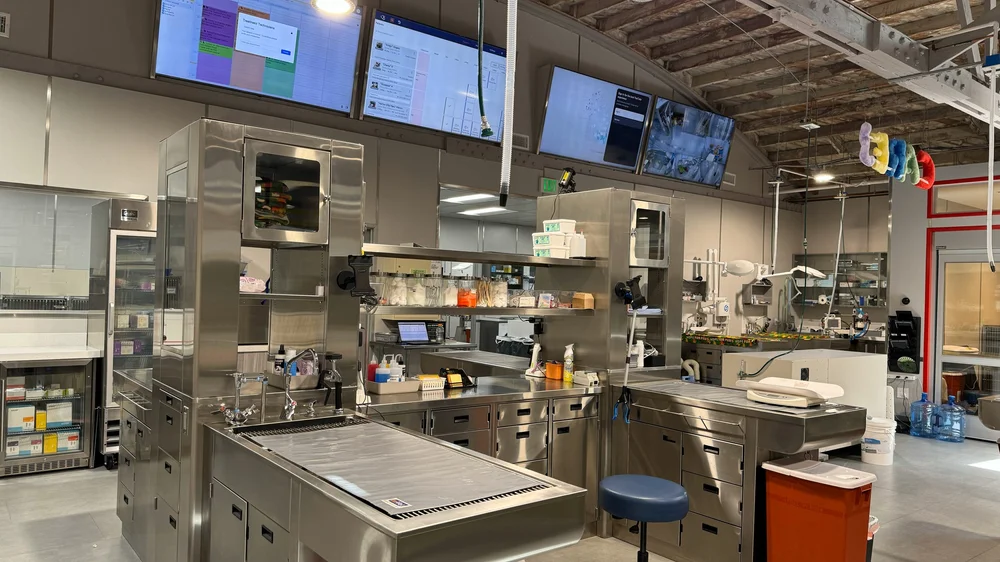
Today, the 11,000-square-foot surgical hospital stands as one of the most significant achievements in the organization’s history. Designed to operate year-round and around the clock, the facility provides advanced veterinary care to animals whose futures often depend on immediate medical intervention.
Every day, the hospital becomes the setting for stories that rarely make headlines but define the true meaning of rescue.
A severely injured dog arrives after being struck by a vehicle. A neglected animal requires extensive surgical treatment. A puppy suffering from life-threatening illness receives emergency care. A senior pet abandoned during a family crisis is evaluated and stabilized. In every case, the outcome depends on having experienced professionals, advanced equipment, and a facility capable of responding without delay.
The scale of that operation is extraordinary.
Three surgeons, dozens of veterinary technicians, support staff, rescue coordinators, and medical professionals work together to ensure animals receive the care they need. Every examination room, surgical suite, recovery area, and treatment station exists for one purpose: giving vulnerable animals the greatest possible chance of survival and recovery.
The impact extends far beyond emergency medicine.
CARES 3.0 serves as a critical resource within a broader rescue ecosystem. Animal welfare organizations frequently rely on partnerships and collaboration to maximize their effectiveness. Hospitals like CARES provide specialized medical services that allow rescue groups to take on cases they otherwise could not manage. Animals requiring complex surgeries, advanced diagnostics, or prolonged treatment often find their path to recovery through facilities built specifically to address those challenges.
This collaborative approach has become increasingly important as shelters, rescues, and animal welfare organizations face growing pressures.
Rising veterinary costs, overcrowded shelters, increasing abandonment rates, economic challenges, and limited resources have created significant obstacles across the rescue community. Every successful rescue now requires not only compassion but also substantial medical and financial support.
That is why facilities like CARES 3.0 matter.
They represent an investment in long-term solutions rather than short-term responses. They create infrastructure capable of supporting thousands of animals over many years. They transform rescue from an act of intervention into a complete system of care.
Perhaps the most remarkable aspect of CARES 3.0 is that it exists because of collective action.
The hospital was not built by a corporation seeking profits or a government mandate requiring expansion. It was created through the support of individuals who believed that rescued animals deserved access to world-class medical care. Every donor, volunteer, advocate, foster family, adopter, and supporter contributed to making the facility a reality.
Their impact can now be measured not in square footage but in lives saved.
Every emergency surgery performed. Every infection treated. Every broken bone repaired. Every abandoned animal given another chance. Every successful adoption that follows a difficult medical journey becomes part of the hospital’s growing legacy.
As animal welfare continues evolving, facilities like CARES 3.0 illustrate what the future of rescue can look like. Modern rescue organizations increasingly recognize that saving lives requires more than responding to emergencies. It requires building sustainable systems capable of providing comprehensive care from rescue through recovery and beyond.
The anniversary of CARES 3.0 is therefore more than a celebration of a facility’s opening date. It is a reminder of what becomes possible when communities rally around a common mission.
Every rescued animal that enters the hospital carries a unique story. Some arrive frightened, injured, neglected, or critically ill. Many face uncertain futures. Yet because the facility exists, thousands of those stories have been rewritten.
Two years after opening its doors, CARES 3.0 stands as a testament to the power of compassion supported by action. It demonstrates that when people commit themselves to helping animals in need, they can build institutions capable of transforming lives on a remarkable scale.
The work is demanding. The medical challenges are constant. The financial pressures are significant. Yet every day, the hospital continues fulfilling its purpose—offering hope where there was once uncertainty and providing lifesaving care to animals who have nowhere else to turn.
For the thousands of animals who have already passed through its doors and the countless others who will follow in the years ahead, CARES 3.0 represents something far greater than a hospital.
It represents a promise that no animal should be denied a chance at healing, recovery, and a better life.