
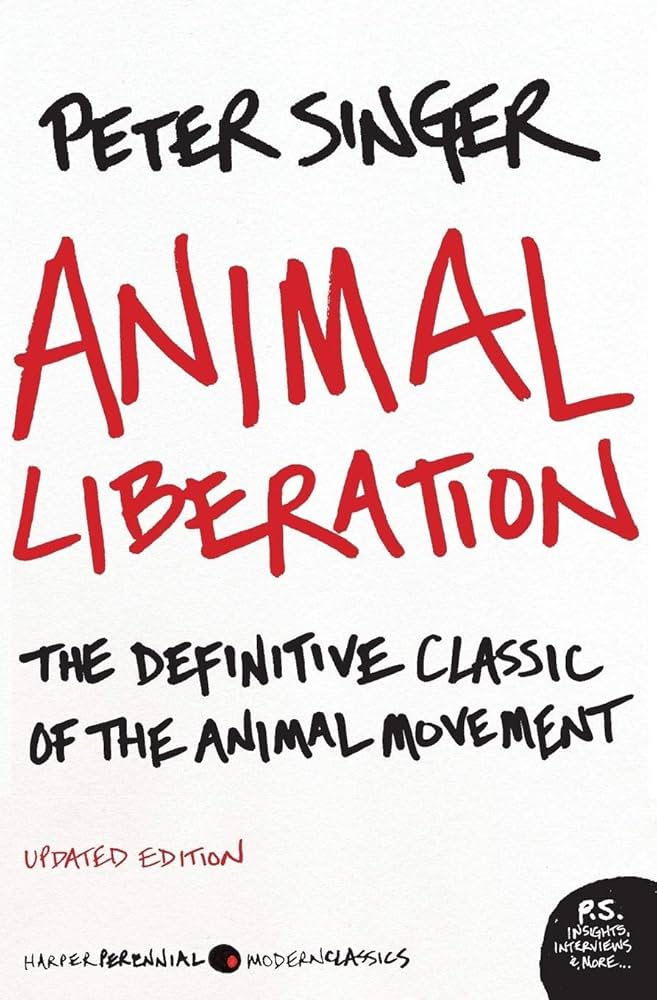
In the modern conversation about animal rights, ethical responsibility, and the future of humanity’s relationship with the natural world, few works have had the transformative impact of Animal Liberation. First published in 1975 by Australian philosopher Peter Singer, the book fundamentally altered how scholars, activists, policymakers, and everyday citizens think about animals, morality, and justice.
More than a philosophical treatise, Animal Liberation ignited a movement. It challenged centuries of entrenched assumptions about humanity’s dominance over animals and introduced a powerful ethical framework that continues to influence debates about factory farming, animal experimentation, wildlife protection, and the environmental consequences of industrial agriculture.
Nearly five decades after its original publication, Singer’s ideas remain central to the evolving global discussion about animal welfare and animal rights. The book’s enduring influence is evident not only in academic discourse but also in the emergence of advocacy organizations, legislative reforms, and the growing cultural shift toward plant-based diets and cruelty-free consumer choices.
With the release of an updated edition titled Animal Liberation Now in 2023, Singer’s arguments have been revisited and expanded to address the challenges of the 21st century—from the explosive growth of factory farming worldwide to the environmental and public health consequences of industrial meat production.
For readers seeking to understand the ethical foundations of the animal rights movement and the profound questions surrounding humanity’s treatment of animals, Animal Liberation remains essential reading.
Those interested in exploring the updated edition can find the book through the PETA Shop, where the modern release invites a new generation of readers to engage with the moral questions that have shaped decades of activism.
The Birth of Modern Animal Rights Philosophy
When Animal Liberation first appeared in 1975, the concept of animal rights was largely absent from mainstream political and philosophical discussion. Animal cruelty laws existed in many places, but they were typically framed around preventing extreme abuse rather than questioning the broader systems that exploit animals for food, research, and entertainment.
Singer’s book changed that conversation by introducing a bold premise: that animals deserve moral consideration not because they resemble humans, but because they are capable of suffering.
At the heart of the book lies a simple but powerful ethical insight. If a being can experience pain or pleasure, then its interests matter morally. Ignoring those interests simply because the being belongs to a different species, Singer argued, is a form of unjust discrimination.
This argument helped catalyze the emergence of the modern animal rights movement, inspiring activists, scholars, and policymakers to rethink the ethical foundations of how animals are treated in society.
Understanding Speciesism
One of the most influential concepts introduced by Singer is the idea of speciesism.
Speciesism refers to the practice of giving greater moral value to the interests of one’s own species while dismissing the suffering of other species. Singer argued that this bias functions much like other forms of discrimination historically rooted in prejudice, such as racism or sexism.
For centuries, human societies have justified the exploitation of animals by pointing to perceived differences in intelligence, communication abilities, or cultural development. Singer challenged these justifications by asking a more fundamental question: why should those traits determine whether suffering matters?
From a moral perspective, he argued, the critical factor is not intelligence or language but the ability to experience pain.
If animals can suffer—and overwhelming scientific evidence confirms that many species can—then their suffering deserves ethical consideration.
This reframing of the moral debate became one of the most powerful intellectual tools in the modern animal rights movement.
Equal Consideration of Interests
Central to Singer’s argument is the principle of equal consideration of interests.
This concept does not suggest that humans and animals are identical or that their interests are always the same. Instead, it asserts that when two beings share a similar interest—such as the desire to avoid pain—that interest should be weighed equally regardless of species.
For example, if a human and an animal both experience suffering, the suffering itself should be considered morally significant in the same way.
This principle challenges long-standing cultural practices that normalize the exploitation of animals for convenience, profit, or tradition.
Singer’s philosophical framework pushes readers to examine uncomfortable questions: if animal suffering matters morally, how should societies rethink industries built around animal exploitation?
The Utilitarian Foundation of the Argument
Singer’s ethical reasoning is grounded in utilitarian philosophy, a moral framework that evaluates actions based on their consequences.
Utilitarianism seeks to maximize overall well-being and minimize suffering. In the context of animal ethics, this means that the interests of all sentient beings must be considered when evaluating moral choices.
Singer draws inspiration from the ideas of 18th-century philosopher Jeremy Bentham, who famously argued that the key moral question is not whether animals can reason or speak, but whether they can suffer.
By applying utilitarian reasoning to animal ethics, Singer demonstrated that many everyday human practices impose immense suffering on animals while delivering relatively minor benefits to humans.
This imbalance, he argued, demands serious ethical scrutiny.
Exposing the Reality of Factory Farming
One of the most impactful sections of Animal Liberation focuses on the realities of industrial animal agriculture.
Factory farming systems are designed to maximize efficiency and production, often at the expense of animal welfare. Animals raised in these environments frequently experience extreme confinement, limited mobility, and physical procedures performed without anesthesia.
Chickens raised for meat may live their entire lives in crowded sheds where natural behaviors are impossible. Egg-laying hens are often confined in cages so small they cannot spread their wings. Pigs may be kept in gestation crates that restrict movement for extended periods.
Singer’s detailed examination of these conditions forced readers to confront the hidden costs of inexpensive meat production.
The book’s descriptions of industrial farming practices played a crucial role in bringing public attention to the ethical implications of modern food systems.
The Ethics of Animal Experimentation
Another major focus of the book involves the use of animals in scientific research and product testing.
Laboratory animals—including mice, rabbits, dogs, and primates—have historically been subjected to experiments ranging from medical testing to cosmetic research.
Singer does not dismiss the potential benefits of scientific research, but he questions whether the suffering inflicted on animals is always justified.
He argues that many experiments produce limited benefits while causing significant pain and distress. Moreover, the moral standards applied to animals are often dramatically lower than those applied to humans.
If an experiment would be considered unacceptable to perform on a human subject, Singer asks, why should it automatically be acceptable when performed on an animal capable of experiencing similar suffering?
This challenge has fueled decades of debate about the ethical boundaries of scientific research.
Dietary Choices as a Moral Response
After presenting extensive evidence about the suffering involved in animal agriculture and experimentation, Singer turns to practical solutions.
One of the most accessible and immediate ways individuals can reduce their contribution to animal suffering, he argues, is through dietary choices.
By adopting vegetarian or vegan diets, individuals can reduce demand for industries that rely on the large-scale confinement and slaughter of animals.
In the years since the book’s publication, plant-based diets have gained significant traction worldwide. Advances in plant-based food technology, environmental awareness, and animal welfare advocacy have helped transform dietary choices into a powerful tool for social change.
Today, millions of people around the world identify as vegetarian or vegan, and the plant-based food sector has grown into a rapidly expanding global industry.
The Modern Update: Animal Liberation Now
Nearly half a century after the original publication of Animal Liberation, the ethical questions raised by Singer remain as urgent as ever.
Recognizing the need to address new developments in animal agriculture, environmental science, and global food systems, Singer released a revised edition titled Animal Liberation Now in 2023.
The updated version reflects the profound changes that have taken place since the 1970s.
Industrial animal agriculture has expanded dramatically, particularly in rapidly developing economies. The environmental impact of meat production has become a major focus of climate discussions, with livestock farming contributing significantly to greenhouse gas emissions, deforestation, and water consumption.
The new edition also addresses the increasing risk of zoonotic diseases—viruses that spread from animals to humans—many of which originate in environments where animals are kept in dense and stressful conditions.
With additional commentary and contemporary analysis, the revised edition connects Singer’s original ethical arguments to the complex challenges of the modern world.
The Global Impact of a Philosophical Revolution
Few philosophical works have influenced social movements as profoundly as Animal Liberation.
Since its publication, the book has inspired generations of activists, scholars, and organizations dedicated to ending animal cruelty and advancing ethical treatment for all sentient beings.
Advocacy groups focused on animal welfare, animal rights, and vegan outreach frequently cite Singer’s work as a foundational influence.
The book also helped spark a broader intellectual movement known as animal ethics, a field that now spans philosophy, law, environmental studies, and public policy.
Universities around the world now offer courses examining the ethical status of animals, the environmental consequences of industrial agriculture, and the moral responsibilities humans hold toward other species.
Why This Conversation Matters Today
The ethical questions raised by Animal Liberation are more relevant today than ever before.
Human activity now shapes nearly every ecosystem on Earth. Industrial agriculture produces vast quantities of food but also places immense pressure on land, water, and biodiversity.
At the same time, scientific understanding of animal cognition and emotion continues to grow, revealing complex social behaviors and emotional capacities in many species.
These developments challenge societies to reconsider long-held assumptions about humanity’s relationship with animals.
As climate change, biodiversity loss, and global food security become increasingly urgent concerns, the ethical treatment of animals intersects with broader discussions about sustainability and environmental responsibility.
A Book That Continues to Challenge Readers
More than a philosophical argument, Animal Liberation serves as an invitation to examine the moral consequences of everyday choices.
For readers encountering Singer’s ideas for the first time, the book often prompts profound reflection about food systems, consumer behavior, and ethical responsibility.
For longtime advocates of animal protection, the work remains a touchstone—a reminder of the intellectual foundations that helped launch a global movement.
Those looking to explore the updated edition can find it available through the PETA Shop and other major retailers.
Adding Animal Liberation to a reading list is more than an academic exercise. It is an opportunity to engage with one of the most influential ethical debates of the modern era—one that continues to shape how humanity understands justice, compassion, and the moral boundaries of our shared world.