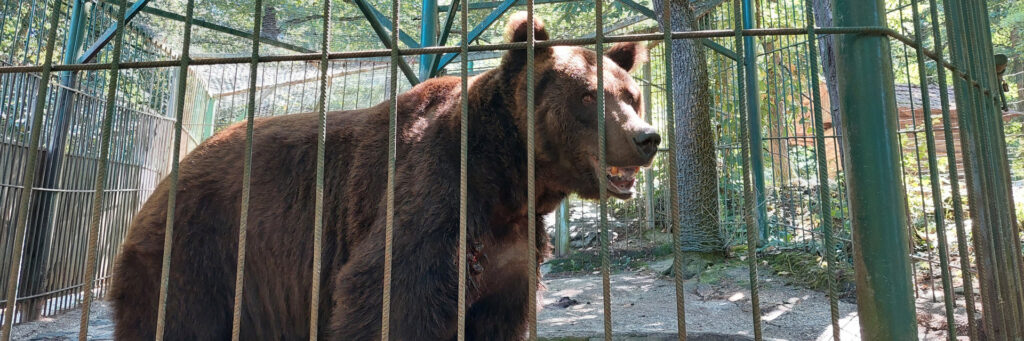
A growing international animal welfare campaign is intensifying pressure to secure freedom for Tim, a brown bear who has spent more than two decades in captivity under conditions advocates say fall far short of what wildlife deserves. The global organization FOUR PAWS is calling for urgent public support to relocate Tim from a private facility in Slovenia to a protected sanctuary in Austria — where he could finally experience a species-appropriate life.
For Sustainable Action Now, this story represents more than a single rescue effort. It reflects a broader movement toward ethical wildlife stewardship, biodiversity protection, and the global transition away from exploitative animal captivity.
As sustainability conversations expand beyond climate policy into ecosystem protection and animal welfare, Tim’s story highlights an essential truth: environmental responsibility includes protecting the lives and dignity of wild animals.
A Life in Captivity Since Cubhood
FOUR PAWS’ Rescue Offer and Ongoing Efforts
Since 2022, the global animal welfare organization FOUR PAWS has repeatedly offered to relocate Tim to its BEAR SANCTUARY Arbesbach in Austria. The sanctuary provides large, naturalistic habitats designed specifically for rescued bears, offering:
- Expansive forested enclosures
- Species-appropriate nutrition
- Veterinary care and rehabilitation
- Environmental enrichment
- Protection from exploitation
Despite these offers, Tim’s current owner has declined to release him voluntarily, maintaining that the bear is being adequately cared for.
Animal welfare advocates dispute this claim and argue that Tim deserves an opportunity to live in conditions that reflect his biological and psychological needs.
Concerns Surrounding the Facility
The situation has raised serious transparency concerns. Animal welfare representatives visited Tim in 2022 but were reportedly denied access the following year.
Since 2024, Zoo park Rožman has reportedly lacked a valid license to operate as a zoo and is no longer open to visitors. This has intensified public concern about Tim’s current living conditions and welfare status.
The lack of public access and independent oversight has fueled calls for greater accountability and regulatory enforcement in wildlife management practices.
A Proven Path to Recovery: Felix and Mici
Advocates point to the successful rescue of two other bears, Felix and Mici, who were relocated to the same Austrian sanctuary in 2025. Since their transfer, both animals have reportedly adapted well to their new environment, demonstrating improved health and behavior.
Their recovery offers a compelling example of what could be possible for Tim.
Wildlife rehabilitation specialists emphasize that even animals held in long-term captivity can experience significant improvements in quality of life when placed in species-appropriate environments.
Tim’s supporters argue he deserves the same opportunity.
Why Bear Sanctuaries Matter for Sustainability
Wildlife sanctuaries play a critical role in modern sustainability efforts. They contribute to:
Biodiversity Protection
Safeguarding individual animals helps preserve genetic diversity and supports broader ecosystem stability.
Ethical Wildlife Management
Sanctuaries replace exploitative captivity models with welfare-centered care.
Environmental Education
They raise public awareness about conservation and responsible human interaction with wildlife.
Restoration of Natural Behaviors
Rehabilitation environments allow animals to express instinctive behaviors essential for wellbeing.
The push to relocate Tim reflects a growing global recognition that sustainability includes ethical treatment of animals and protection of natural ecosystems.
The Environmental Ethics of Animal Welfare
Modern sustainability frameworks increasingly recognize the connection between animal welfare and environmental health.
Protecting wildlife contributes to:
- Balanced ecosystems
- Climate resilience
- Conservation of natural habitats
- Responsible land management
- Reduced human–wildlife conflict
The treatment of individual animals also reflects broader societal values regarding environmental responsibility.
Tim’s case highlights how ethical stewardship of wildlife is an essential pillar of sustainable development.
Slovenia’s Opportunity for Wildlife Leadership
Advocates argue that resolving Tim’s situation could position Slovenia as a leader in progressive wildlife policy. Ending the keeping of brown bears in unsuitable captive conditions would align with global conservation trends and strengthen the country’s environmental reputation.
Across Europe and worldwide, governments are increasingly restricting private ownership of wild animals and prioritizing sanctuary-based solutions.
Tim’s relocation could represent a landmark step toward stronger wildlife protections.
The Global Movement to End Exploitative Captivity
The campaign to free Tim reflects a larger international movement challenging outdated models of animal captivity. Around the world, advocacy organizations are working to transition wildlife from private facilities and substandard enclosures into protected environments.
This movement emphasizes:
- Humane treatment of animals
- Transparent oversight of captive facilities
- Sanctuary-based care models
- Stronger wildlife protection laws
- Public accountability
Tim’s story has become part of this global shift toward compassionate conservation.
The Role of Public Action in Wildlife Protection
Advocacy campaigns depend heavily on public engagement. Awareness, petitions, and community support can influence policy decisions and accelerate animal welfare interventions.
Supporters are encouraged to participate by learning more about the campaign and supporting rescue efforts through the official FOUR PAWS initiative at <a href=”https://www.four-paws.org/approval-folder/free-bear-tim”>Free Bear Tim</a>.
Public participation helps demonstrate global concern and reinforces calls for ethical action.
A Defining Moment for Compassionate Conservation
Tim’s situation represents more than a single rescue effort — it is a test of global commitment to wildlife protection and environmental ethics.
The campaign underscores a fundamental principle of sustainable action: protecting the planet includes protecting the beings who inhabit it.
By advocating for Tim’s freedom, supporters are contributing to a broader vision of environmental stewardship rooted in compassion, responsibility, and respect for life.
Toward a Future Where Every Cage Is Empty
As the global sustainability movement evolves, wildlife protection continues to emerge as a central priority. The effort to relocate Tim to a sanctuary environment reflects a growing recognition that ethical treatment of animals is inseparable from environmental progress.
Tim’s story is still unfolding, but its message is clear — sustainable action requires courage, accountability, and collective responsibility.
The campaign continues, and with global support, advocates hope Tim may soon experience what he has never known: space to roam, natural surroundings, and a life defined not by confinement, but by freedom.