
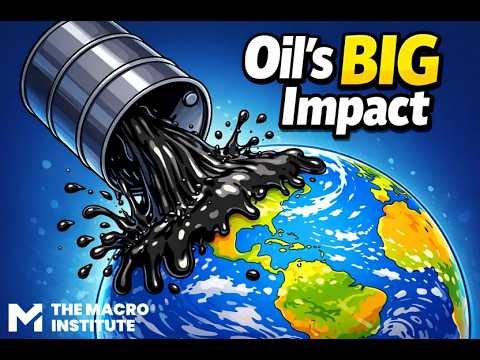
In moments of geopolitical instability, energy policy often shifts from long-term planning to immediate response. As tensions in global oil markets intensify—particularly amid disruptions tied to conflict involving Iran—the United States is once again being positioned as a stabilizing force in global supply. The call to expand U.S. oil exports is framed as both an economic opportunity and a strategic necessity, a way to offset shortages and assert influence in an increasingly volatile energy landscape. Yet beneath this approach lies a deeper question with far-reaching implications: what happens when short-term supply solutions accelerate long-term climate risk?
The push to increase American oil exports is not new, but its urgency has been amplified by recent global supply pressures. When major producers face instability, the ripple effects are immediate—prices fluctuate, supply chains tighten, and nations scramble to secure energy resources. In this environment, the United States, with its significant production capacity, becomes a central player. Expanding exports appears, on the surface, to be a logical response, offering both economic gain and geopolitical leverage.
However, this strategy introduces a complex set of consequences that extend beyond market dynamics. Increasing the flow of fossil fuels into the global system does not occur in isolation. It reinforces demand structures, delays the transition to renewable energy, and contributes to the cumulative emissions that are driving climate change. Each additional barrel exported is part of a broader cycle, one that links production, consumption, and environmental impact in ways that are increasingly difficult to ignore.
From a climate perspective, the timing of such an expansion is particularly significant. The global community is at a critical juncture, with mounting pressure to reduce emissions and accelerate the adoption of sustainable energy systems. Investments in infrastructure—whether pipelines, export terminals, or drilling operations—are not temporary measures. They represent long-term commitments that can lock in patterns of energy use for decades. When policy decisions prioritize increased fossil fuel output, they risk entrenching systems that are fundamentally at odds with climate goals.
The economic argument for expanded exports is grounded in immediate returns. Higher production levels can drive revenue, support jobs, and strengthen trade balances. Yet these benefits must be weighed against the broader costs associated with environmental degradation, public health impacts, and the increasing frequency of climate-related disruptions. Extreme weather events, rising sea levels, and shifting ecosystems are not abstract projections—they are present realities that carry measurable economic and social consequences.
There is also a strategic dimension that warrants closer examination. By positioning itself as a primary supplier during global shortages, the United States may strengthen its influence in the short term. But this approach also ties national interests more closely to the volatility of fossil fuel markets. As the world gradually shifts toward renewable energy, reliance on oil exports could become a diminishing asset, leaving behind infrastructure and economic models that are less adaptable to future conditions.
The intersection of energy policy and climate responsibility is becoming increasingly central to global discourse, a trend reflected in ongoing analysis and reporting across Sustainable Action Now’s climate coverage. The conversation is no longer limited to whether fossil fuels should be reduced, but how quickly and through what mechanisms that transition can occur. In this context, decisions that expand fossil fuel production are subject to heightened scrutiny, particularly when they appear to move in the opposite direction of established climate objectives.
Another critical factor is the signal such policies send to international markets. Energy systems are influenced not only by supply and demand, but by expectations. When major producers commit to increased output, it can shape investment decisions, potentially discouraging the development of renewable infrastructure in favor of continued reliance on traditional energy sources. This dynamic can slow the pace of transition, creating a feedback loop that reinforces the status quo.
At the same time, the global energy landscape is not static. Advances in technology, shifts in consumer behavior, and evolving regulatory frameworks are all contributing to a gradual reconfiguration of how energy is produced and consumed. Renewable sources such as wind, solar, and battery storage are becoming more competitive, both in terms of cost and scalability. The question is not whether this transition will occur, but how it will be managed—and whether current policies will facilitate or hinder that process.
Expanding oil exports in response to a supply crunch may address immediate concerns, but it does little to resolve the underlying vulnerabilities that make such crises impactful in the first place. A more resilient approach would focus on diversifying energy sources, investing in sustainable infrastructure, and reducing dependence on systems that are inherently subject to geopolitical disruption.
The environmental implications are equally significant. Increased extraction and transportation of oil carry risks that extend beyond emissions, including habitat disruption, water contamination, and the potential for spills. These impacts are often localized but can have long-lasting effects on ecosystems and communities. As production scales up, so too does the likelihood of these outcomes, adding another layer of complexity to the decision-making process.
Public perception is also evolving. As awareness of climate issues grows, there is increasing demand for policies that align with sustainability goals. This shift is influencing not only political discourse but also market behavior, with consumers and investors placing greater emphasis on environmental responsibility. Policies that appear to prioritize fossil fuel expansion may face growing resistance, both domestically and internationally.
Ultimately, the decision to expand U.S. oil exports in response to global supply challenges is not simply a matter of economics or strategy. It is a choice that intersects with some of the most pressing issues of our time, including climate change, energy security, and the future of global markets. The immediate benefits must be considered alongside the long-term consequences, recognizing that actions taken today will shape the trajectory of the energy system for years to come.
As the world navigates an increasingly complex energy landscape, the need for balanced, forward-looking policy has never been more apparent. The challenge lies in addressing current demands without compromising the ability to transition toward a more sustainable and resilient future. In this context, the expansion of oil exports is not just a response to a moment—it is a decision that carries implications far beyond it.