
Some rescue stories begin with a single frightened animal hiding in plain sight. Others begin with a phone call that slowly reveals a situation far larger than anyone initially expected. In rescue work, experienced teams understand one important truth better than almost anyone else: when vulnerable animals are surviving outdoors together, there is almost always more happening beneath the surface than first appears.
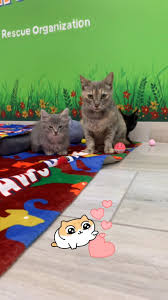
That reality became heartbreakingly clear — and ultimately deeply inspiring — during the recent Hope For Paws rescue now known as the “Potato Chips Cat Family” operation, a rescue effort that transformed from what initially seemed like a call about a few cats into a full-scale mission that ultimately brought eleven lives into safety.
The “Potato Chips” rescue captured public attention not simply because of the number of cats saved, but because it illustrated something rescue workers know intimately: survival among homeless animals is often communal, layered, and emotionally interconnected.
One kitten becomes two. Two become five. Five become an entire hidden family surviving beneath a structure most people pass by every day without ever realizing vulnerable lives are struggling just below them.
The playful nickname attached to the rescue — inspired by the familiar saying that “you can’t have just one” potato chip — added warmth and humor to an otherwise difficult situation. Yet beneath the lighthearted framing lies a much deeper reality about the scale of stray and feral cat populations in urban communities across the country.
In neighborhoods everywhere, countless cats survive invisibly beneath homes, inside crawl spaces, under abandoned buildings, near industrial lots, inside drainage systems, and throughout hidden urban environments where they remain exposed to disease, traffic, starvation, weather extremes, injury, predation, reproductive exhaustion, and human neglect. These colonies often grow gradually over time because unspayed and unneutered animals reproduce rapidly under already dangerous conditions.
The Compton rescue reflected that reality perfectly.
What began as a call involving cats beneath a home quickly escalated into the discovery and rescue of eleven separate animals, each one dependent on coordinated intervention to survive safely. Every rescue operation involving multiple animals creates enormous logistical and emotional challenges simultaneously. Rescue teams must assess safety, determine how many animals are involved, coordinate trapping strategies, prevent panic dispersal, maintain family reunification whenever possible, and ensure every rescued animal ultimately receives veterinary evaluation and long-term placement support.
In many ways, large family rescues like this become carefully choreographed operations balancing urgency with patience.
One of the most emotionally powerful elements of the “Potato Chips” rescue was the eventual reunification of the cats after capture. For stray animals living outdoors, family structures and social bonds often become essential survival mechanisms. Mothers protect litters in hidden spaces. Siblings remain tightly bonded. Colony animals frequently develop social hierarchies and protective behaviors shaped by constant environmental threat. Rescue work therefore involves not only physical extraction from danger but also emotional stabilization after prolonged stress and uncertainty.
That transition from fear to safety is one of the most remarkable aspects of rescue work to witness.
Animals who spent weeks, months, or even years surviving in survival mode suddenly experience regular meals, clean bedding, veterinary treatment, stable temperatures, and environments free from constant threat. Kittens that once hid beneath structures begin playing openly. Mothers who lived hypervigilantly outdoors finally rest deeply. Injured or sick animals receive care instead of continuing silent suffering unnoticed by the outside world.
In the case of the Potato Chips family, every rescued cat received veterinary attention through CARES thanks to public support and donor funding. That detail is critically important because rescue work does not end once animals are trapped or transported. In many cases, the most resource-intensive phase begins afterward.
Veterinary care for rescue animals often includes vaccinations, parasite treatment, spay and neuter procedures, wound management, nutritional stabilization, testing for infectious disease, medication, behavioral evaluation, and ongoing monitoring. Kittens especially require careful developmental oversight because animals rescued from outdoor conditions are frequently underweight, dehydrated, stressed, or medically vulnerable.
This is why rescue organizations depend so heavily on public support systems. Donations are not abstract funding mechanisms disconnected from outcomes. They directly determine how many animals can receive treatment, how quickly emergencies can be addressed, how many foster placements remain operational, and whether overcrowded shelters or rescue groups can continue responding during peak rescue periods like kitten season.
The role played by Kitten Rescue in helping place these cats into foster care and eventual forever homes also highlights another vital truth within modern animal welfare systems: rescue work is fundamentally collaborative.
No organization operates successfully in isolation.
Frontline rescue groups respond to emergency calls and field situations. Veterinary clinics stabilize medical needs. Foster networks provide emotional and developmental care. Adoption organizations handle placement screening and long-term home matching. Volunteers transport animals. Donors fund care. Social media visibility generates awareness. Every successful rescue story represents the combined labor of an entire ecosystem of compassion functioning behind the scenes.
At Sustainable Action Now, stories like the Potato Chips rescue matter because they reveal both the scale of the homeless animal crisis and the extraordinary resilience of the people working to address it. Rescue organizations across the country remain under immense strain due to rising intake numbers, economic instability, veterinary staffing shortages, overcrowding, and escalating kitten season pressures. Yet despite those obstacles, rescuers continue responding to calls because every intervention carries the possibility of permanently changing lives.
The emotional impact of multi-animal rescues also extends beyond the animals themselves. These stories affect the people involved deeply.
Rescue workers regularly encounter overwhelming situations involving suffering, abandonment, injury, and preventable neglect. Yet moments like the safe reunification of the Potato Chips family provide something equally powerful in return: proof that intervention matters. Proof that communities paying attention can save lives. Proof that compassion, when organized collectively, still changes outcomes in meaningful ways.
The Compton setting also underscores another important issue within animal welfare discussions: rescue inequality across communities.
Underserved urban neighborhoods often experience disproportionately high stray animal populations while simultaneously facing fewer accessible veterinary resources, reduced spay and neuter availability, economic hardship, housing instability, and overcrowded municipal shelter systems. These overlapping pressures create conditions where homeless animal populations can expand rapidly despite residents caring deeply about the animals themselves.
Effective rescue work therefore cannot rely solely on emergency response. Long-term sustainable solutions require affordable veterinary access, community education, trap-neuter-return programs, public awareness campaigns, foster recruitment, and investment in preventative infrastructure capable of interrupting reproduction cycles before colonies become overwhelming.
Still, even amid these systemic challenges, rescue stories continue resonating because they tap into something deeply human: the instinct to protect vulnerable lives once they are finally seen.
The phrase “safe thanks to you” attached to the Potato Chips rescue is especially important because it reflects how modern rescue organizations increasingly operate as community-driven movements rather than isolated nonprofits. Public engagement directly shapes outcomes. Every donation, foster application, adoption inquiry, social media share, volunteer hour, and emergency call contributes to a larger rescue network capable of saving animals who otherwise might remain invisible indefinitely.
The emotional connection audiences feel toward rescued kittens and cat families is not accidental either. Cats occupy a unique place within human emotional culture. They are independent yet vulnerable, resilient yet fragile. Stray cats surviving beneath homes or hidden within city infrastructure create a powerful emotional contrast between the ordinary environments humans inhabit daily and the hidden survival struggles occurring quietly around them.
The Potato Chips rescue also serves as a reminder that some of the most important rescue stories are not dramatic because of violence or catastrophe. Sometimes they matter because they reveal invisible compassion at work quietly and persistently behind the scenes.
Eleven lives pulled from beneath a home may sound small compared to larger global crises dominating headlines daily. But for those eleven animals, the difference between rescue and continued outdoor survival was absolute. Rescue transformed every future outcome available to them. Instead of growing up beneath structures vulnerable to disease, starvation, injury, or uncontrolled reproduction cycles, these cats now have the possibility of stability, medical care, affection, safety, and permanent homes.
That transformation is never insignificant.
At Sustainable Action Now, rescue stories like this also represent something larger culturally. They reflect a growing societal recognition that compassion toward animals is not secondary or frivolous. It is part of how communities define responsibility, empathy, and collective care. The willingness to intervene on behalf of vulnerable lives — even small hidden lives most people never notice — says something meaningful about what kind of society people are actively trying to build.
And perhaps that is why the Potato Chips family story continues resonating so strongly online.
Because underneath the humor, the kittens, and the happy ending is a much more powerful truth: even in environments shaped by hardship and invisibility, compassion still has the power to reach underneath the surface, gather forgotten lives together one by one, and bring them into safety.