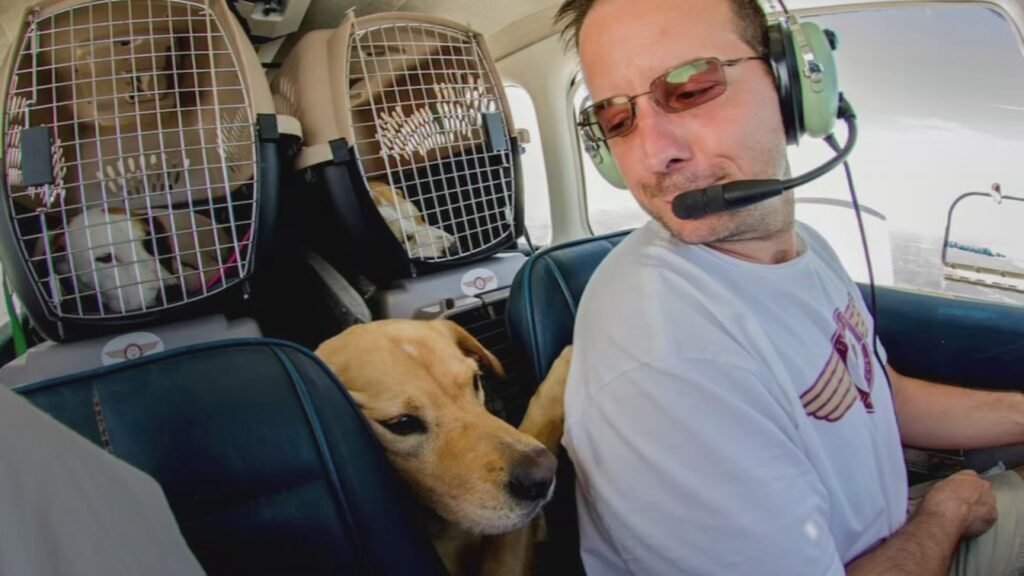

There is a moment in every rescue story that defines everything that follows. It is not always dramatic, and it rarely arrives with certainty. Sometimes it is as simple as a second glance at a dog that has spent too long unseen—a dog tethered to a chain, confined to a narrow patch of ground, or left to endure the passage of time without stimulation, care, or connection. In that moment, the trajectory of a life begins to change. What was once defined by neglect becomes a path toward recovery, and what seemed permanent reveals itself to be reversible.
Across communities, these transformations are unfolding every day, driven by a network of advocates, rescuers, and organizations committed to intervening where suffering persists. The stories emerging from these efforts are not isolated anecdotes; they represent a broader movement that is reshaping how neglected animals are identified, supported, and ultimately restored. At the center of this work is a simple but powerful premise: no dog should be left to live out its life in isolation, deprived of the care and companionship that define its well-being.
The conditions that lead to neglect are often visible yet overlooked. Dogs tethered for extended periods, confined without adequate shelter, or denied consistent interaction exist in a state that is both physically restrictive and psychologically damaging.
Over time, these conditions erode health, diminish trust, and create behavioral patterns that reflect prolonged stress. What is less visible—but equally significant—is the capacity for recovery once those conditions are removed.
Rescue operations begin with intervention, but they do not end there. Removing a dog from a harmful environment is only the first step in a process that requires sustained attention, expertise, and patience.
Many of the animals entering rescue systems arrive with a combination of physical ailments and emotional barriers. Malnutrition, untreated injuries, and exposure-related conditions are common, but so too are signs of fear, withdrawal, and uncertainty.
The rehabilitation process is designed to address both dimensions simultaneously. Veterinary care stabilizes the body, while structured interaction and consistent routines begin to rebuild trust. For dogs that have spent extended periods tethered or isolated, even basic experiences—walking freely, engaging with humans, or exploring new environments—represent significant milestones. Progress is often incremental, but it is measurable, and it reflects a resilience that is frequently underestimated.
What distinguishes these transformations is not only the change in condition, but the change in behavior and expression. Dogs that once avoided contact begin to seek it. Those that exhibited signs of anxiety or aggression adapt to new patterns of interaction. Over time, the shift becomes unmistakable: the same animal that once existed in a state of neglect becomes engaged, responsive, and capable of forming meaningful bonds.
This transition from neglect to recovery is made possible through coordinated efforts that extend beyond individual rescues. Networks of volunteers, foster caregivers, veterinary professionals, and advocacy organizations work in alignment to create a system capable of responding to need at scale. These networks are not static; they evolve in response to emerging challenges, expanding their reach and refining their methods to ensure that more animals can be supported effectively.
Within this broader framework, the role of awareness is critical. Many cases of neglect persist not because they are hidden, but because they are normalized or unreported. Changing this dynamic requires a shift in perception—an understanding that conditions such as prolonged tethering or isolation are not acceptable standards of care. By bringing these issues into focus, rescue networks create opportunities for intervention that might otherwise not occur.
The impact of this work extends beyond the individual animals involved. Each successful rescue contributes to a larger narrative, one that reinforces the importance of humane treatment and responsible guardianship. It demonstrates that neglect is not an inevitable outcome, and that with the right resources and commitment, it can be addressed and reversed.
This perspective is central to the ongoing efforts highlighted across Sustainable Action Now’s rescue network initiatives, where the emphasis remains on connecting action with outcome. The goal is not only to respond to individual cases, but to build a system that reduces the likelihood of neglect occurring in the first place. Education, outreach, and community engagement are integral components of this approach, creating a foundation for long-term change.
The emotional dimension of these transformations cannot be overlooked. For those involved in rescue work, the shift from neglect to recovery is both a professional objective and a deeply personal experience. It is a reminder of the capacity for change, and of the role that intervention plays in making that change possible. For adopters, it represents an opportunity to participate in that process, providing a stable environment where recovery can continue and thrive.
From a broader societal perspective, these stories challenge assumptions about what is possible. They highlight the gap between conditions that are accepted and those that should be, encouraging a reassessment of how animals are treated within everyday contexts. They also underscore the importance of systems that support intervention, ensuring that when neglect is identified, there is a pathway to resolution.
The phrase “no dog deserves a life at the end of a chain” captures the essence of this issue, but it also points to a larger principle. It is not only about removing physical restraints; it is about redefining the conditions under which animals live. It is about ensuring that care extends beyond the minimum, encompassing the full range of needs that define well-being.
As rescue networks continue to expand and refine their efforts, the cumulative impact becomes increasingly visible. More dogs are being identified, more interventions are taking place, and more transformations are occurring. Each one adds to a growing body of evidence that change is not only possible, but achievable at scale.
The work is ongoing, and the need remains significant. Yet within that reality is a clear trajectory—one that moves from neglect toward restoration, from isolation toward connection, and from overlooked suffering toward visible, measurable progress. It is a trajectory defined not by chance, but by action, and sustained by a commitment to ensuring that every dog has the opportunity to live a life defined by care rather than neglect.