

For years, one of the biggest misconceptions surrounding plant-based eating was that it required sacrifice, complexity, expensive ingredients, or endless hours spent preparing highly specialized meals. But a growing wave of modern vegan and vegetarian cooking is completely dismantling that outdated narrative by proving something far more powerful: sustainable food can be deeply comforting, practical, affordable, protein-rich, family-friendly, and genuinely craveable all at once.
This week’s featured meal plan showcases exactly why plant-based cooking continues exploding into the mainstream.
Here’s what we’ve got this week
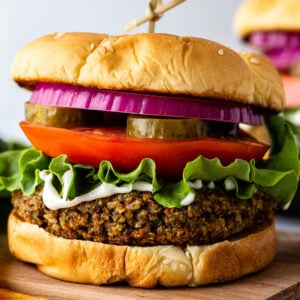
- Monday | Veggie Burgers
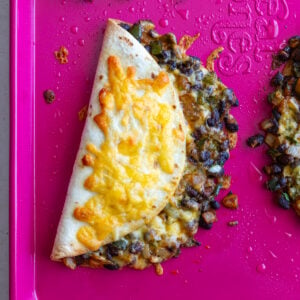
- Tuesday | Black Bean Tacos
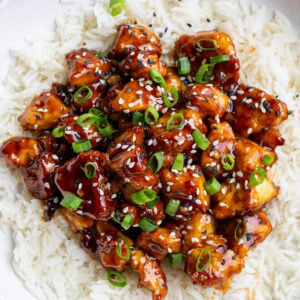
- Wednesday | Sesame Tofu + broccoli
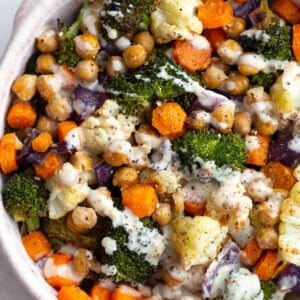
- Thursday | Veggie Bowls
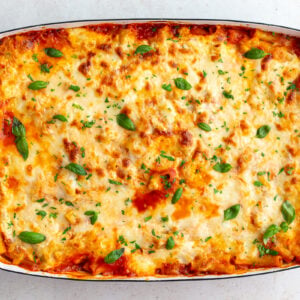
- Friday | Baked Ziti
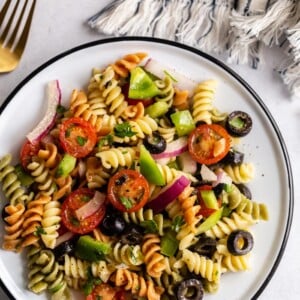
- BONUS | Vegan Pasta Salad
Meal Prep Tips:
I like to do my grocery shopping on the same day that I meal prep or else some things will get lost in the abyss that is my fridge.
Make it ahead = tips to cook/ meal prep the recipe ahead of time.
Component prep = ideas for dicing veggies etc to make weeknight meals fast and easy!
- Veggie Burgers
- Make it ahead: Form the patties on Sunday and store in the fridge for up to 3 days. They actually hold together even better after chilling. Freeze for up to 3 months. Can be grilled, baked, or pan-fried straight from the fridge.
- Component prep: Dice the onion and carrot. Roughly chop the mushrooms. Sauté the veggies ahead and store in the fridge. Night of, it’s just blending and forming the patties.
- Black Bean Tacos
- Make it ahead: Make the full bean filling up to 2 days ahead and store in the fridge. Night of, it’s just warming the tortillas and assembling — under 5 minutes of active work.
- Component prep: Dice the poblano, onion, and garlic. Measure out the spices into a small bowl so they’re ready to go.
- Sesame Tofu
- Make it ahead: The full dish keeps for up to 4 days, Reheat in a skillet or air fryer to bring the crispiness back. Cook a big batch of rice at the start of the week to serve alongside.
- Component prep: Whisk together the sesame sauce and store in a jar in the fridge. Press and cube (or tear) the tofu the night before and store uncovered on a paper towel-lined plate for extra crispiness.
- Veggie Bowls
- Make it ahead: Roast all the veggies and chickpeas ahead and store in the fridge for up to 4 days. Make the dressing and store in a jar. Assemble the bowls when ready. Reheat veggies in the oven or air fryer to crisp back up.
- Component prep: Whisk together the maple dijon dressing and refrigerate. Chop the broccoli, cauliflower, and carrots and store in a container. They roast straight from the fridge.
- Baked Ziti
- Make it ahead: Fully assemble the ziti (without baking), cover tightly, and refrigerate up to 24 hours before baking. Add a few extra minutes to the covered bake time. Leftovers keep for up to 4 days and reheat great.
- Component prep: Make the ricotta mixture and store covered in the fridge. Dice the onion and mince the garlic. Day of, it’s just making the sauce and assembling.
Instead of restrictive dieting language or joyless “health food,” the lineup centers around familiar comfort classics reimagined through a modern sustainable lens — hearty veggie burgers, crispy black bean tacos, sticky sesame tofu, roasted vegetable bowls, bubbling baked ziti, and a vibrant vegan pasta salad designed for everything from weeknight dinners to summer gatherings.
At Sustainable Action Now, meal planning stories like this matter because they reveal how climate-conscious eating is increasingly becoming less about ideology and more about accessibility, flavor, convenience, and long-term lifestyle sustainability. What was once viewed as niche or alternative cooking is now evolving into one of the fastest-growing transformations in the entire food culture landscape.
And perhaps most importantly, people are discovering they do not have to give up comfort food to participate.
This week’s meal lineup reflects a major shift occurring inside plant-based cuisine overall. The recipes are not trying to imitate deprivation. They are trying to satisfy people completely. Thick veggie burgers loaded with mushrooms and brown rice. Crispy tacos layered with savory black bean filling. Sweet-and-savory sesame tofu with broccoli over steaming rice. Roasted vegetable bowls drizzled with creamy sauces. Rich baked pasta bubbling beneath melted cheese. Pasta salad built for meal prep, cookouts, and leftovers.
This is not “diet food.”
This is mainstream comfort food evolving in real time.
At Sustainable Action Now, one of the most significant developments in modern sustainable cooking is the growing emphasis on realistic meal preparation systems rather than isolated recipes alone. The weekly structure surrounding this plan — complete with make-ahead strategies, component prep guidance, refrigeration tips, freezer stability, and batch cooking recommendations — reflects how plant-based eating is increasingly integrating into busy real-world schedules.
That operational practicality matters enormously.
Historically, many people abandoned healthier or more sustainable eating habits not because they disliked the food, but because the logistics became overwhelming. Shopping inefficiencies, ingredient waste, weeknight exhaustion, and complicated prep requirements created friction that eventually pushed households back toward convenience-driven processed foods or takeout routines.
Modern meal planning strategies directly address that problem.
This week’s plan repeatedly emphasizes advance preparation techniques designed to reduce stress dramatically throughout the week. Veggie burger patties can be formed ahead of time and refrigerated or frozen. Taco fillings can be fully prepared days in advance. Sesame sauce can sit ready inside jars while tofu dries overnight for maximum crispiness. Roasted vegetables and chickpeas become modular ingredients reusable across multiple meals.
The result is a system designed around efficiency without sacrificing flavor.
At Sustainable Action Now, another reason meal plans like this resonate so strongly is because they reflect a broader cultural transformation surrounding what “plant-based protein” actually looks like today.
For years, mainstream consumers often associated vegetarian eating with limitation or nutritional compromise. That perception is rapidly disappearing. Recipes like sesame tofu bowls, black bean tacos, mushroom-based burgers, chickpea-loaded grain bowls, and protein-rich baked pasta dishes demonstrate how plant-forward meals can easily feel hearty, satisfying, and substantial.
The modern plant-based movement increasingly focuses less on substitution and more on abundance.
Rich textures.
Savory depth.
Layered seasoning.
Comfort-oriented structure.
And protein sources integrated naturally into familiar meal formats.
This shift is one of the primary reasons plant-based eating continues expanding far beyond traditional vegan communities and into mainstream households nationwide.
At Sustainable Action Now, one especially important element of this meal plan is its balance between nutrition, emotional comfort, and operational realism. Many households are not searching for extreme wellness regimens. They are searching for food systems that are affordable, practical, emotionally satisfying, family-friendly, and sustainable long term.
That distinction matters enormously.
The recipes featured throughout this lineup are strategically familiar. Burgers. Tacos. Pasta. Rice bowls. Comfort casseroles. These are foods people already understand emotionally and culturally. Reframing them through plant-based ingredients dramatically lowers psychological resistance for households experimenting with more sustainable eating habits.
That familiarity becomes powerful behavioral infrastructure.
A family uncertain about veganism may hesitate around highly unfamiliar niche ingredients or complicated culinary techniques. But a cheesy baked ziti without meat? Crispy tacos? Sesame tofu over rice? Those meals feel approachable immediately.
The barrier to entry drops.
At Sustainable Action Now, the emphasis on meal prep throughout the plan also reflects growing awareness surrounding food waste reduction — another major sustainability issue increasingly tied to modern cooking culture.
Planning ingredients intentionally helps households reduce spoilage dramatically. Shared ingredients across multiple meals maximize efficiency while minimizing waste. Prepped vegetables, sauces, grains, and proteins become reusable components rather than forgotten refrigerator casualties.
This operational structure supports not only healthier eating, but more sustainable consumption overall.
The environmental dimension underlying plant-based meal planning also remains impossible to ignore. While this specific meal plan focuses primarily on flavor and practicality, the broader shift toward plant-forward cooking continues intersecting directly with climate discussions, land use concerns, industrial agriculture criticism, water consumption debates, and growing scrutiny surrounding meat production systems globally.
Increasingly, consumers recognize that food choices influence far more than personal nutrition alone.
They influence environmental systems.
Agricultural economics.
Animal welfare.
Public health infrastructure.
Supply chains.
And long-term sustainability outcomes.
Meal plans like this quietly normalize lower-impact food systems without relying on fear-based messaging or rigid moral framing.
Instead, they simply make plant-based eating feel enjoyable, accessible, and deeply livable.
That strategy may ultimately prove more culturally transformative than ideological pressure ever could.
At Sustainable Action Now, another especially notable aspect of the lineup is how strongly it embraces texture and sensory satisfaction — one of the most important frontiers in modern plant-based cooking.
The crispy edges of roasted vegetables.
Golden-browned veggie burgers.
Crunchy taco shells.
Sticky sesame glaze coating tofu.
Creamy baked pasta layers.
Bright acidic dressings over grain bowls.
These sensory details matter because satisfying texture remains one of the primary emotional anchors inside comfort food culture itself.
Modern plant-based cuisine increasingly understands this deeply.
Success no longer depends solely on “healthy ingredients.” It depends on recreating emotional satisfaction through flavor layering, caramelization, umami development, crisp textures, rich sauces, and comforting presentation.
That culinary evolution is one of the major reasons sustainable food culture is rapidly entering mainstream popularity.
At Sustainable Action Now, perhaps the most culturally important aspect of meal plans like this is that they redefine sustainability as something pleasurable rather than restrictive.
For years, sustainable living was often marketed through sacrifice narratives — consume less, deny yourself more, eliminate comfort, simplify aggressively. That messaging alienated enormous portions of the public.
But food culture is changing that dynamic entirely.
People are increasingly discovering they can pursue sustainability while still enjoying abundance, flavor, convenience, and comfort simultaneously.
A week anchored by veggie burgers, tacos, sesame tofu, roasted bowls, baked ziti, and pasta salad no longer feels like compromise.
It feels like modern home cooking.
And that shift may ultimately matter more than almost any single climate campaign or wellness trend because it changes sustainability from abstract ideology into something people can actually taste, enjoy, and realistically sustain inside everyday life.
The future of food may not arrive through deprivation.
It may arrive through meals exactly like these — practical, comforting, affordable, plant-forward dishes quietly reshaping how households think about dinner one week at a time. The Meal Plan are Food with Feeling Recipes.