
Every rescue begins with uncertainty.
A frightened dog hiding beneath a vehicle. A kitten trapped inside an engine compartment. A bear rescued from years of captivity. A stray animal surviving against impossible odds while waiting for someone to notice that it exists.
Most people only see the ending. They see the happy adoption photo, the healthy animal playing in a sanctuary, or the before-and-after transformation that spreads across social media. What they rarely witness are the countless hours of searching, planning, rescuing, transporting, rehabilitating, and providing medical care that make those transformations possible.
This week offered another powerful reminder that animal rescue is far more than a collection of heartwarming stories. It is a global movement powered by dedicated rescuers, veterinarians, sanctuary workers, advocates, foster families, and everyday supporters who refuse to look away when animals are suffering.
Across multiple continents, rescue organizations continued their work on behalf of animals who had been abandoned, neglected, exploited, displaced, injured, or simply forgotten. From emergency field rescues in urban neighborhoods to international wildlife sanctuary operations, each story reflected a simple but profound truth: compassion changes lives.
One of the most inspiring examples came through a recent global webinar hosted by FOUR PAWS Australia, which provided supporters with a rare look behind the scenes of major rescue missions taking place around the world. While many people see only the final rescue videos and celebration posts, the reality is that large-scale animal welfare operations require extraordinary coordination, expertise, and persistence.
Rescue specialists described the complexities of emergency missions involving animals living in dangerous conditions, while global advocates shared updates on efforts to combat the dog and cat meat trade in parts of Southeast Asia. Other speakers discussed growing campaigns aimed at ending the commercial fur trade and promoting stronger protections for vulnerable animals worldwide.
What emerged from these discussions was a clear understanding that modern animal welfare is no longer limited to local shelters or isolated rescue operations. It has become an international effort connecting activists, veterinarians, lawmakers, conservationists, and supporters across borders.
While global campaigns continue, some of the most powerful stories often begin with a single phone call.
For the team at Hope For Paws, that reality played out repeatedly this week.
A tiny kitten trapped inside a vehicle engine became one of the latest examples of how quickly young animals can find themselves in life-threatening situations. During peak kitten season, frightened cats frequently seek shelter in warm engine compartments, crawl spaces, and other dangerous locations. Without intervention, many never survive.
Fortunately, this particular kitten was discovered before tragedy struck. What followed was a rescue that required patience, quick thinking, and persistence. The frightened animal repeatedly evaded capture before finally being brought to safety. While the rescue itself lasted only a short period, it represented the difference between life and death for a vulnerable animal that had nowhere else to turn.
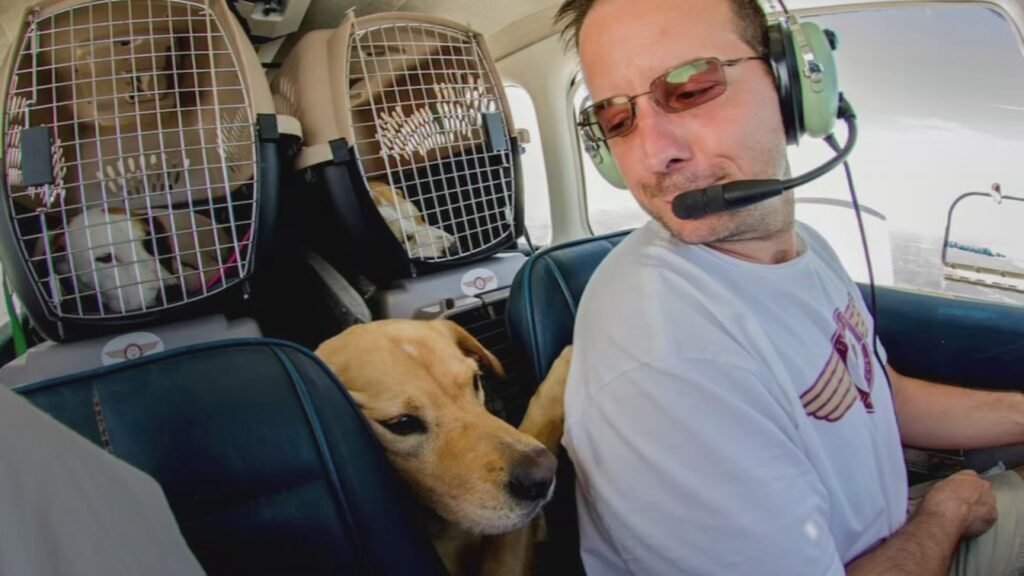
Another memorable rescue involved a homeless dog named G.I. Jane, whose story serves as a powerful reminder that compassion often emerges from unexpected places.
Living near a remote veterans facility, the dog survived thanks to the kindness of staff members who refused to ignore her presence. Day after day, they provided food, protection, and care while searching for a permanent solution. Eventually, a nurse reached out for professional assistance, setting in motion a rescue that transformed G.I. Jane’s future.
Stories like hers highlight a critical reality within animal welfare. Rescue organizations cannot be everywhere at once. Successful interventions frequently depend on ordinary people taking the initiative to report animals in distress and advocate on their behalf.
Not every rescue begins with immediate optimism.
Some begin with heartbreak.
Rufus was one such case.
Abandoned and left behind by those he once trusted, the dog displayed the unmistakable emotional toll that abandonment can inflict. His expression reflected confusion, sadness, and loss. Yet as rescuers worked to rebuild his confidence and provide stability, a remarkable transformation emerged. By the end of his journey, Rufus no longer looked like the same animal.
His story illustrates an important lesson frequently observed by rescue professionals. Animals carry emotional scars just as people do. Neglect, abandonment, isolation, and mistreatment often leave lasting psychological effects that require time, patience, and compassion to heal.
Another rescue involved a dog who was left behind after her owners moved away.
The circumstances are unfortunately all too familiar within the rescue community. Families relocate, life circumstances change, or personal responsibilities become inconvenient. In some cases, animals are surrendered responsibly. In others, they are simply abandoned and expected to survive on their own.
For domestic animals that depend on human care, abandonment is often a death sentence.
Fortunately, in this case, concerned individuals recognized the situation and contacted rescuers before it was too late. Veterinary care, foster support, and rehabilitation followed, giving the dog an opportunity that she would never have found alone.
Wildlife rescues were equally inspiring this week.
At bear sanctuaries operated by FOUR PAWS, several rescued bears continued demonstrating the remarkable resilience that animals often display when finally given a chance to recover.
Runa, now thriving at BEAR SANCTUARY Domazhyr, has embraced a life that once seemed unimaginable. After arriving at the sanctuary, she gradually adapted to an environment designed to encourage natural behaviors and provide security. Her growing confidence and relaxed demeanor offer a powerful contrast to the conditions she endured before rescue.
Meanwhile, Gordo and Florencia continue flourishing at BEAR SANCTUARY Belitsa following their rescue from Argentina earlier this year. Their days now include enrichment activities, natural habitats, veterinary care, and opportunities to engage in behaviors that captivity had previously denied them.
Watching rescued bears rediscover activities as simple as swimming, exploring, foraging, and resting in peace serves as a powerful reminder of how profoundly sanctuary environments can improve quality of life.
These stories also expose a broader reality.
Many animals never receive such opportunities.
Around the world, countless wildlife species remain trapped in private collections, roadside zoos, illegal attractions, and inadequate facilities where their welfare remains secondary to profit or entertainment. Every successful rescue demonstrates what is possible, but it also highlights how much work remains unfinished.
The impact of rescue extends beyond individual animals.
Communities benefit when stray populations receive medical care, sterilization services, vaccinations, and responsible management. Families benefit when adoptable animals find loving homes. Ecosystems benefit when wildlife receives protection and rehabilitation. Society benefits when compassion becomes an active practice rather than a passive sentiment.
One particularly encouraging example came from animal welfare clinics operating throughout underserved communities in Asia. Veterinary outreach programs continue providing life-saving services to thousands of animals who would otherwise receive little or no medical care. These efforts prevent suffering before it begins and demonstrate the importance of combining rescue with prevention.
For many organizations, prevention remains the ultimate goal.
Every successful spay-and-neuter program reduces future homelessness.
Every educational campaign helps prevent abandonment.
Every adoption creates space for another rescue.
Every donation extends the reach of organizations working on the front lines.
The common thread connecting all of these stories is not tragedy.
It is hope.
Hope arrived for a frightened kitten trapped in an engine.
Hope arrived for a homeless dog protected by veterans who refused to ignore her.
Hope arrived for abandoned animals who thought they had been forgotten.
Hope arrived for bears who finally discovered what a species-appropriate life could look like.
And hope continues arriving every day because individuals, rescue groups, sanctuaries, veterinary professionals, and supporters choose action over indifference.
At Sustainable Action Now, these stories matter because they reveal something larger than individual rescues. They demonstrate what becomes possible when people decide that suffering is not someone else’s problem.
Animal rescue is often measured in numbers—animals saved, surgeries performed, adoptions completed, sanctuaries expanded. But behind every statistic is a life that was given another chance.
This week’s rescue stories remind us that compassion remains one of the most powerful forces for change available to any society.
For the animals who were saved, that compassion meant everything.
For the people who made those rescues possible, it became proof that even in a world filled with challenges, one act of kindness can still change a life forever.