

There was a time when the phrase “veggie burger” immediately triggered skepticism.
People expected dry texture, bland flavor, crumbly patties that collapsed halfway through a bite, or frozen hockey-puck substitutes pretending unsuccessfully to imitate traditional burgers. For years, homemade plant-based burgers often felt more like compromise than craving. They existed largely as alternatives rather than destinations.
That era is disappearing rapidly.
A new generation of whole-food-based veggie burger recipes is reshaping how people think about plant-based comfort food entirely, and one standout example driving that transformation is the latest mushroom and brown rice veggie burger recipe gaining major attention through Food with Feeling. Built around deeply savory cremini mushrooms, caramelized vegetables, brown rice, breadcrumbs, garlic, and simple pantry ingredients, the recipe reflects something much larger happening across modern food culture: people increasingly want plant-based meals that feel satisfying, hearty, customizable, and genuinely craveable without depending entirely on ultra-processed substitutes.
At Sustainable Action Now, recipe culture now intersects directly with conversations surrounding sustainability, food systems, environmental impact, affordability, home cooking, nutritional accessibility, ethical eating, and the growing movement toward meals built around recognizable whole ingredients rather than industrial processing.
The modern veggie burger sits directly at the center of that evolution.
What makes this particular recipe resonate so strongly is that it solves one of the longest-running frustrations surrounding homemade veggie burgers: structural failure. Anyone who has experimented with plant-based burger recipes knows the disappointment well. Patties falling apart on grills. Mixtures too wet to shape properly. Burgers disintegrating when flipped. Mushy interiors lacking texture or substance.
This recipe attacks those problems strategically through ingredient architecture rather than gimmicks.
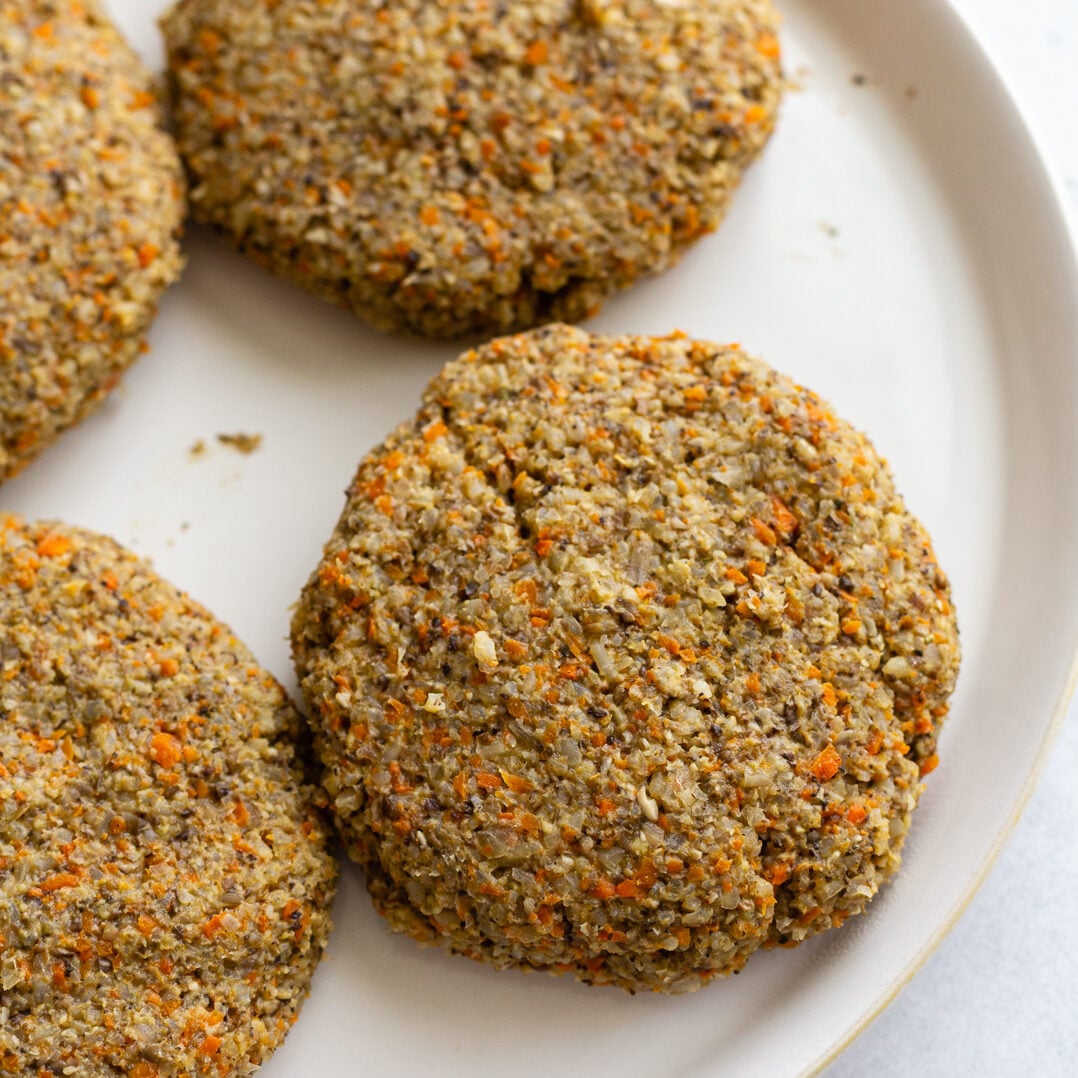
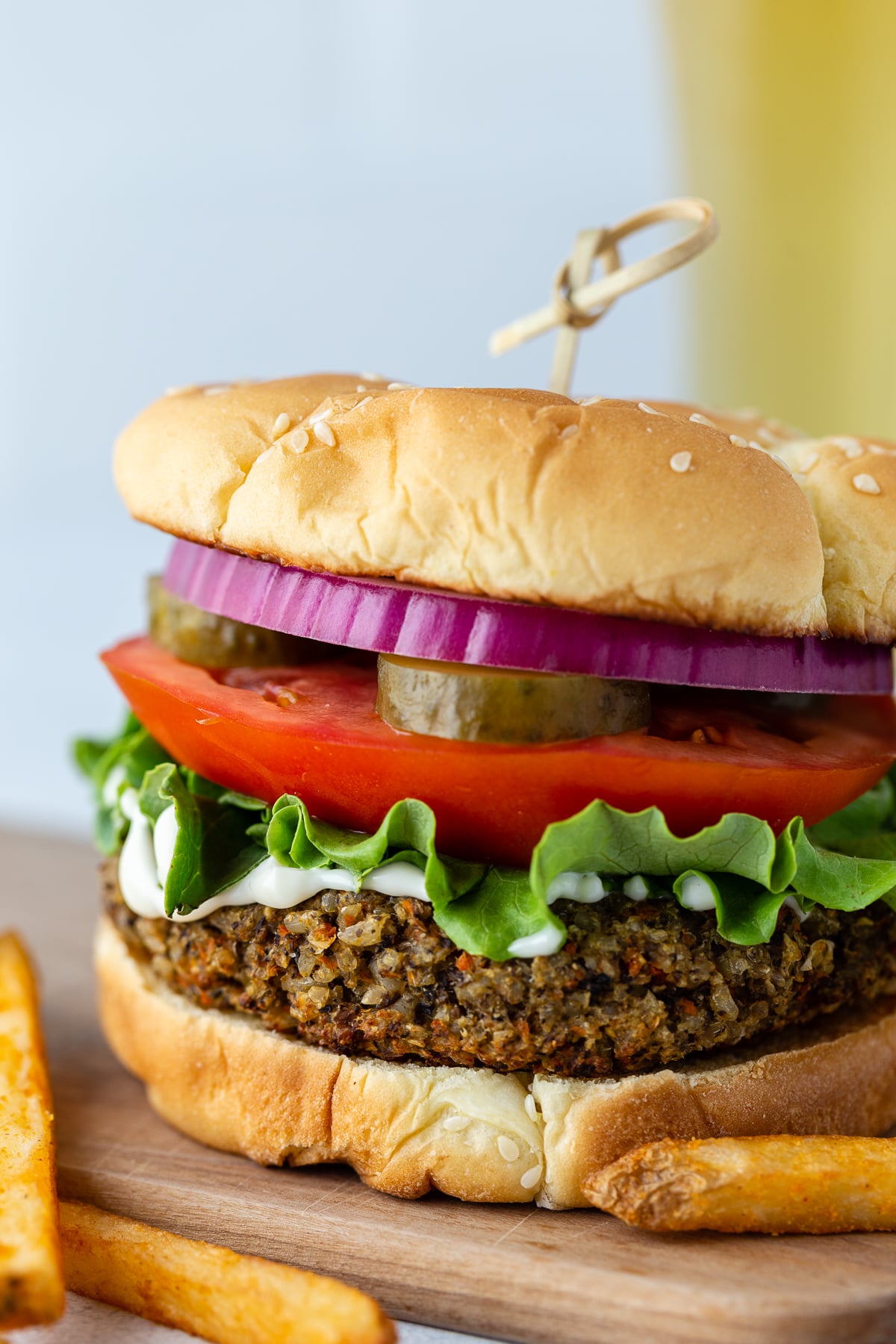
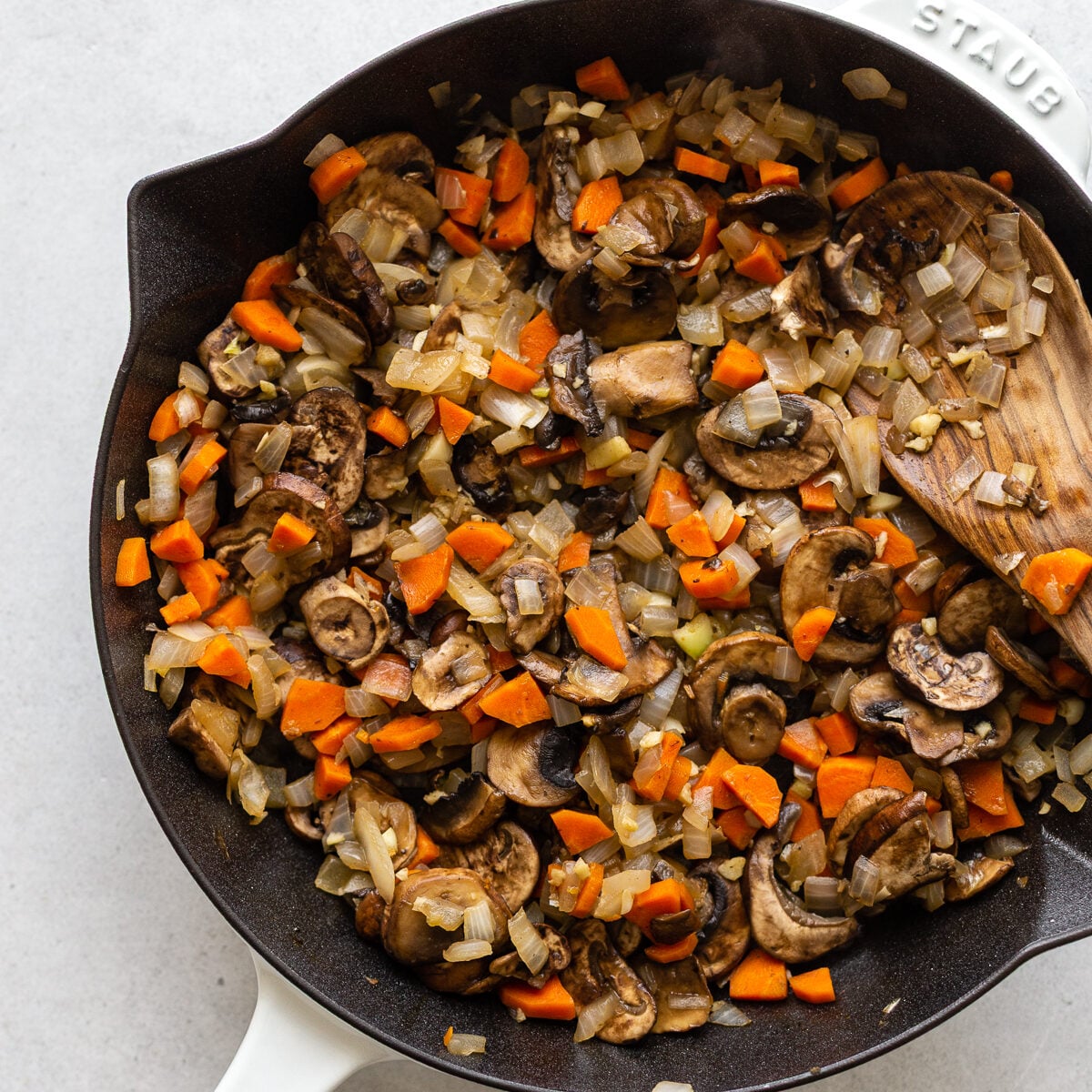
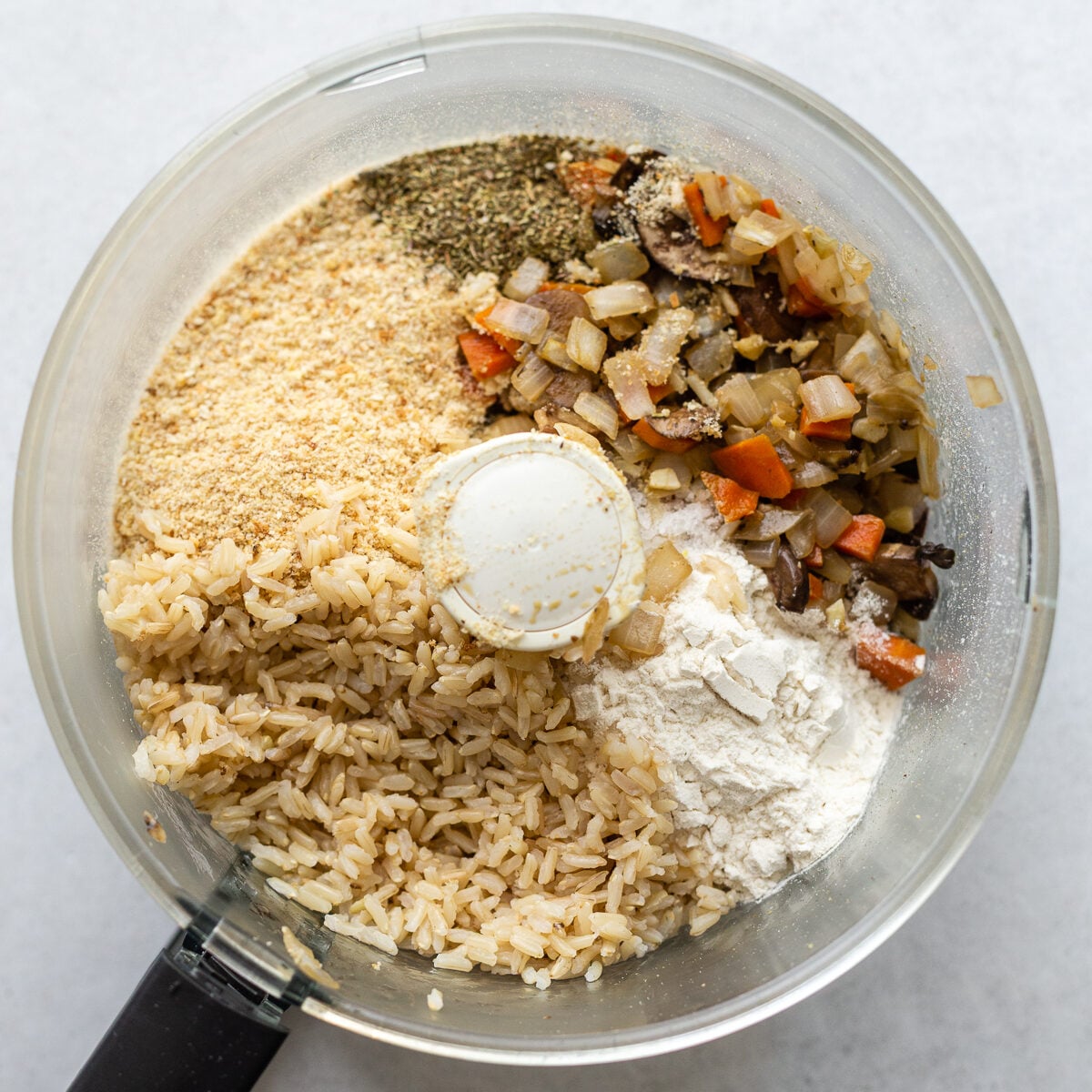
Brown rice functions as the critical binding foundation because its starchier texture helps hold the burger together far more effectively than softer white rice alternatives. Cremini mushrooms contribute not only umami depth and savory richness, but also a darker, more substantial texture profile that creates the satisfying “meaty” quality many people still crave psychologically from burgers.
The result is a veggie burger designed not merely to survive cooking, but to thrive across multiple preparation methods — grilling, pan-searing, or baking.
That flexibility matters enormously.
At Sustainable Action Now, one of the most important trends in contemporary home cooking involves versatility. People increasingly want recipes capable of adapting to different lifestyles, equipment limitations, schedules, and dietary needs without sacrificing flavor or texture. A veggie burger sturdy enough for outdoor grilling immediately elevates itself beyond ordinary plant-based meal prep because grilling remains deeply tied to social food culture, especially during warmer months.
Historically, grilling represented one of the final frontiers where plant-based foods often struggled to compete emotionally with traditional meat-centered meals. Burgers, cookouts, backyard gatherings, tailgates, summer weekends, and barbecue culture all carried strong cultural associations built around meat preparation traditions.
Recipes like this are helping rewrite that narrative entirely.
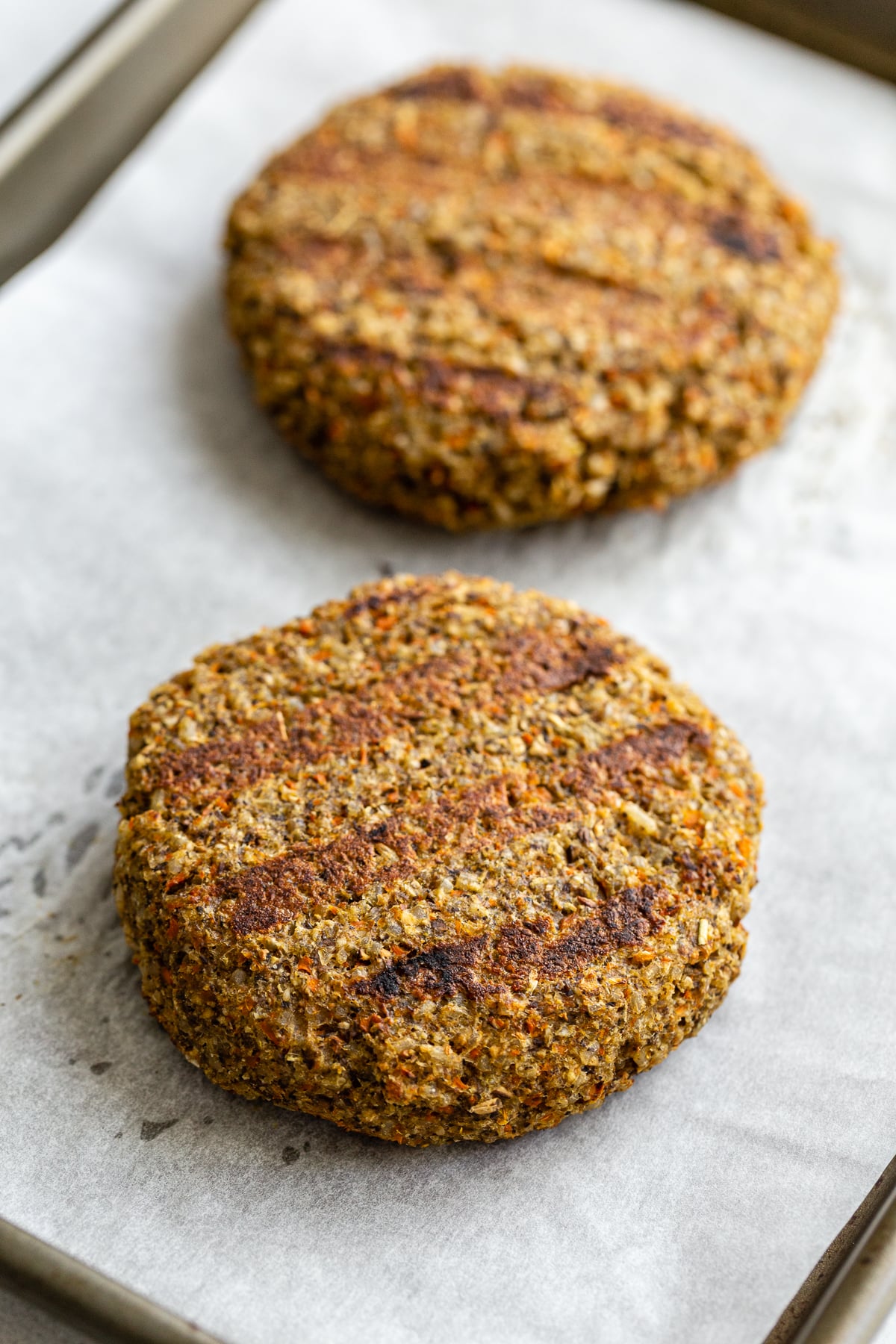
The fact that these burgers reportedly hold together successfully on grills changes the emotional experience surrounding plant-based cooking. Suddenly the veggie burger is no longer a backup option prepared separately indoors while everyone else grills outside. It becomes part of the main event itself.
That shift may sound subtle, but culturally it is enormous.
Food traditions are rarely shaped by nutrition alone. They are shaped by ritual, atmosphere, identity, nostalgia, and shared experience. When plant-based foods successfully integrate into those traditions without feeling secondary, adoption expands dramatically.
The ingredient profile itself also reflects broader movement toward realistic, accessible plant-based cooking.
There are no impossible-to-find specialty powders. No laboratory-style substitutes. No highly engineered imitation compounds. Instead, the recipe leans into familiar whole-food ingredients most households already recognize: onions, mushrooms, carrots, garlic, breadcrumbs, flour, olive oil, seasoning, and rice.
This accessibility matters because one of the biggest barriers to sustained home cooking often involves intimidation or perceived complexity.
At Sustainable Action Now, another especially important dimension of recipes like this is affordability.
As grocery prices continue fluctuating and economic pressures affect household budgets nationwide, many people are searching for meals capable of delivering satisfaction, nutrition, and flexibility without relying heavily on expensive meat purchases. Mushroom-and-rice-based veggie burgers represent one of the clearest examples of how plant-based meals can remain cost-effective while still feeling indulgent and substantial.
The mushrooms themselves play a particularly important role culturally and culinarily.
Cremini mushrooms have become foundational within modern plant-based cooking because they naturally provide many of the flavor characteristics people associate with savory comfort foods. Their umami depth creates richness without requiring meat itself, while their texture absorbs seasoning beautifully and develops caramelization when cooked properly.
Combined with sautéed onions and garlic, they form a flavor base capable of satisfying even people typically skeptical toward vegetarian cooking.
The recipe’s emphasis on texture is equally significant.
One of the reasons early veggie burgers often failed emotionally is that they prioritized nutritional replacement without understanding sensory satisfaction. People do not simply crave protein. They crave contrast — crisp edges, soft interiors, charred surfaces, structural bite, juiciness, and layered textures.
This burger appears designed specifically around those principles.
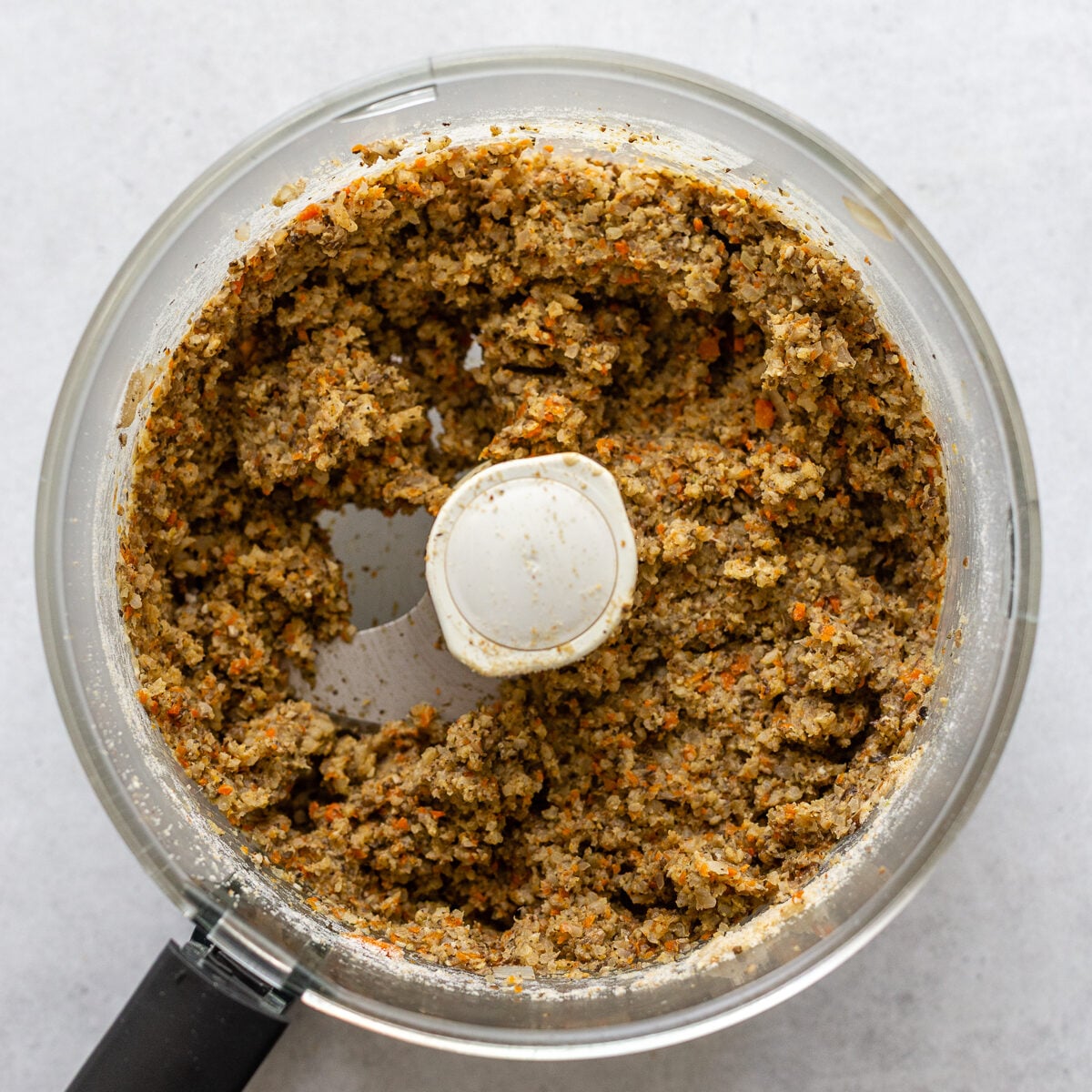
The recommendation not to over-process the mixture reflects that understanding perfectly. Maintaining visible micro-texture within the patties prevents the burgers from becoming dense or paste-like, preserving a more satisfying bite overall.
The cooking options further reinforce the recipe’s versatility across lifestyles.
Pan-searing creates crispy browned crusts ideal for quick dinners. Baking offers convenience and batch cooking potential. Grilling adds smoke, char, and social outdoor cooking appeal. This adaptability transforms the recipe from niche vegan content into something capable of fitting mainstream cooking routines easily.
At Sustainable Action Now, one of the most fascinating aspects of the modern veggie burger movement is how completely it is changing the emotional language surrounding plant-based eating.
For years, vegan and vegetarian foods were often marketed primarily through sacrifice narratives: healthier, lighter, lower-fat, alternative, guilt-free. While those angles appealed to some consumers, they often unintentionally reinforced the idea that plant-based eating required compromise.
Today’s best plant-based recipes reject that framing entirely.
Instead, they emphasize abundance, flavor, indulgence, comfort, creativity, customization, and satisfaction. The burger remains emotionally recognizable as comfort food first — it simply happens to be plant-based.
That distinction is transforming public perception rapidly.
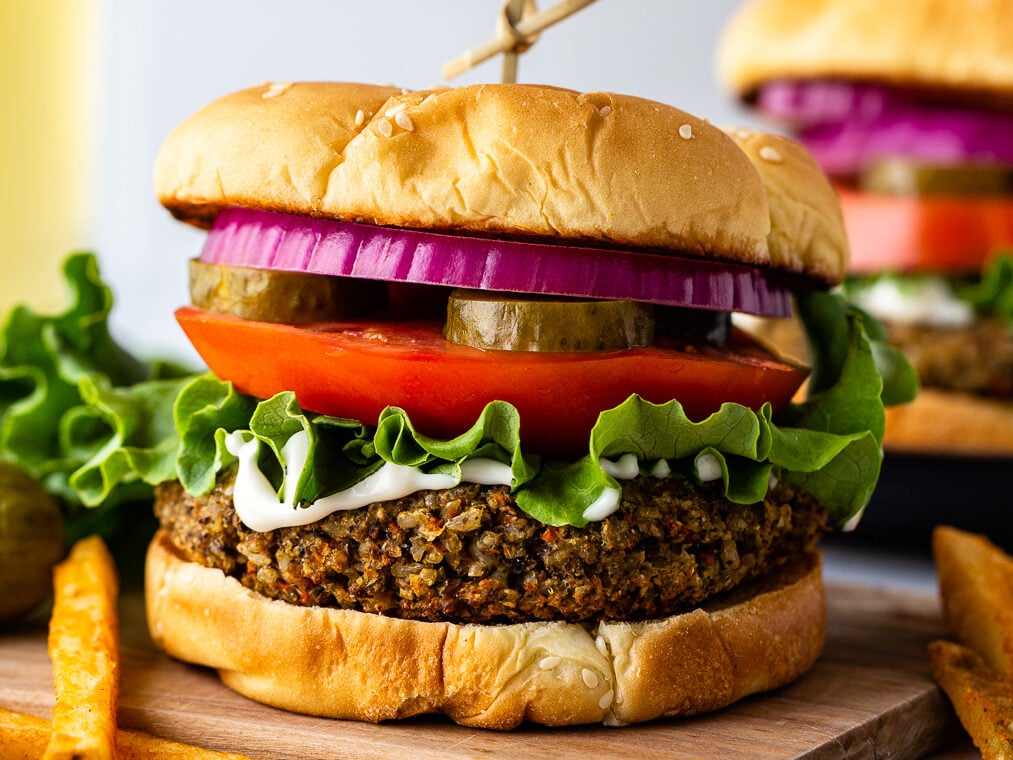
The topping flexibility also reflects modern food culture’s obsession with personalization. Avocado, pickles, grilled pineapple, vegan mayo, spicy sauces, onions, tomatoes, lettuce, crispy toppings — the burger becomes a customizable platform rather than a rigid recipe. This adaptability mirrors the broader rise of personalized eating habits across contemporary home cooking and restaurant culture alike.
The meal-prep practicality further strengthens the recipe’s appeal.
Forming patties ahead of time, refrigerating them for several days, or freezing them for later use aligns perfectly with how many people now approach home cooking strategically. Modern households increasingly seek recipes capable of balancing convenience with freshness and nutritional control.
At Sustainable Action Now, another major reason recipes like this matter is environmental context.
While not every consumer adopting veggie burgers identifies explicitly with climate-conscious eating, the broader shift toward more plant-forward meals intersects directly with sustainability conversations surrounding land use, emissions, industrial agriculture, water consumption, and food system resilience.
Meals centered around mushrooms, grains, vegetables, and pantry staples generally carry significantly lower environmental footprints than industrial meat production systems. As awareness surrounding those realities grows, recipes capable of making plant-based eating emotionally satisfying become increasingly influential.
But perhaps the most important aspect of this recipe is something simpler.
It feels real.
Not engineered. Not performative. Not overly complicated.
Just deeply satisfying comfort food people genuinely want to eat.
That authenticity may ultimately explain why homemade veggie burgers are entering a completely different cultural era now. They are no longer trying desperately to imitate something else. They have matured into a category capable of standing entirely on their own.
And when a mushroom-and-brown-rice burger can deliver crispy edges, rich flavor, grill marks, structural integrity, customizable toppings, meal-prep convenience, and genuine comfort-food satisfaction all at once, the conversation surrounding plant-based cooking changes fundamentally.
Because at that point, people are no longer asking whether veggie burgers can compete.
They are simply deciding how many they want on the grill.
This veggie burger recipe is made with mushrooms, brown rice, and simple whole food ingredients! PLUS it’s sturdy enough to grill, bake, or pan-fry. The best homemade vegan burger recipe, ready in just 25 minutes!
Course dinner
Cuisine American
Diet Vegan, Vegetarian
Prep Time 15 minutes minutes
Cook Time 10 minutes minutes
Total Time 25 minutes minutes
Servings 4 -6 burgers
Calories 257 kcal
Author Brita Britnell
Ingredients
- 2 tablespoons olive oil
- 1 small white onion roughly chopped*
- 1 large carrot peeled and diced*
- 8 ounces cremini mushrooms sliced or roughly chopped*
- 3 cloves garlic roughly chopped
- 1 ½ cups cooked brown rice other rices will also work but brown rice is best and results in a burger that really sticks together well
- ¼ cup all-purpose flour use a 1-1 gluten free flour as needed
- ½ cup bread crumbs use gluten free as needed
- 1 teaspoon Italian seasoning
- 1 teaspoon fine sea salt
- ½ teaspoon freshly cracked black pepper
- optional burger toppings: buns onion, avocado, tomato, etc
Instructions
- Heat the olive oil in a large skillet over medium heat and saute the onion, carrot, and mushrooms until soft, about 8 minutes. Add in the garlic and saute for an additional 2 minutes.
- Add the sauteed veggie mixture to a food processor along with the rice, flour, bread crumbs, italian seasoning, salt and pepper. Pulse until everything is combined and comes together. There will still be visible (very small) chunks of carrot and that’s okay!
- Form the mixture into 4-6 burger patties. It makes 4 larger burgers or 6 medium sized burgers.
- TO PAN FRY: In a non- stick skillet, add in about 1 tablespoon of olive oil over medium-low heat. Add in the burgers (working in batches if needed), and saute for about 7 minutes per side. You want them to be nicely browned on each side.
- TO BAKE: Place the burger patties on a large baking sheet lined with parchment paper. Bake at 400 degrees F. for 8 minutes, flip, and bake an additional 8 minutes.
- TO GRILL: Heat your grill to 400 degrees F. Lightly grease the grates- I usually do this by dipping a double folded paper towel in a high heat oil (avocado oil or vegetable oil) and then carefully brushing that on the grates. Place the burgers on the grill and grill for 5-7 minutes. Once you have some nice browning and grill marks on one side, flip and grill an additional 5-7 minutes.
- Serve the veggie burgers with you favorite buns and toppings and ENJOY!!
Notes
Storage + Reheating: Store leftover cooked patties in an airtight container in the fridge for up to 4 days, or freeze for up to 2 months. Reheat in a skillet over medium heat for the best texture, or pop them in the oven at 350°F until warmed through. Uncooked patties freeze great too — just thaw in the fridge overnight before cooking.
- The veggies get blended later, so rough chopping is totally fine – size doesn’t really matter.
- Brown rice is strongly recommended over white; it’s starchier and helps the patties hold together much better, especially for grilled veggie burgers.
- To make gluten-free: use a 1-1 gluten-free all-purpose flour and gluten-free breadcrumbs.
- Makes 4 large burgers (~256 cal each) or 6 medium burgers (~171 cal each), patty only, no bun or toppings.
- Uncooked patties can be refrigerated for up to 3 days or frozen for up to 2 months.
Nutrition
Serving: 1burger patty | Calories: 257kcal | Carbohydrates: 40g | Protein: 6g | Fat: 9g | Saturated Fat: 1g | Polyunsaturated Fat: 1g | Monounsaturated Fat: 5g | Sodium: 698mg | Potassium: 445mg | Fiber: 4g | Sugar: 3g | Vitamin A: 3016IU | Vitamin C: 3mg | Calcium: 66mg | Iron: 2mg
The Best Veggie Burger Recipe (Grill, Bake, or Stovetop!) is a Food with Feeling Recipe.