

Sustainable Action Now | Climate & Energy Security Special Report
Global energy markets are once again on edge.
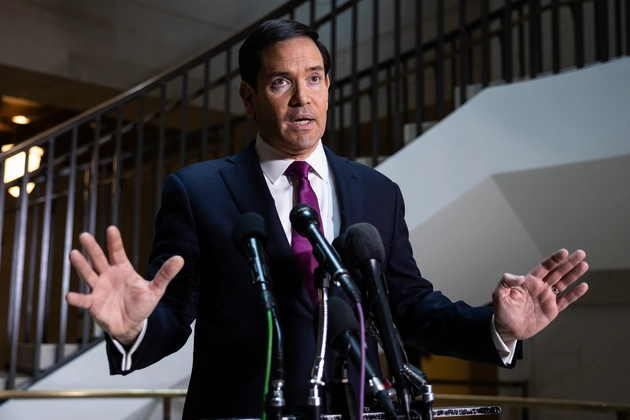
In a high-stakes geopolitical moment, U.S. Secretary of State Marco Rubio confirmed that the Donald Trump administration is actively developing a plan to calm oil markets following escalating tensions with Iran. The announcement comes as Tehran warns it may target ships navigating the Strait of Hormuz, a narrow but critical artery for global energy trade.
For climate advocates, energy investors, and policymakers alike, this is not just another geopolitical flare-up. It is a stark reminder of how fragile fossil-fuel dependence remains — and why accelerating the clean energy transition is not optional, but urgent.
Why the Strait of Hormuz Matters to the World
Roughly one-fifth of the world’s oil supply flows through the Strait of Hormuz. This strategic corridor connects the Persian Gulf to global shipping routes and is essential for oil exports from major producers such as Saudi Arabia, Iraq, Kuwait, and the United Arab Emirates.
Any credible threat to maritime traffic through this chokepoint can:
- Spike global oil prices overnight
- Disrupt supply chains
- Increase inflation worldwide
- Trigger stock market volatility
- Raise gasoline and diesel prices for consumers
Iran’s warning that it could attack ships seeking passage through the strait has heightened fears of supply disruptions. Even without physical conflict, markets react to risk — and that reaction has already begun.
The Surge in Fuel Prices: What’s Driving It?
The recent increase in fuel prices began following U.S.-Israeli military actions targeting Iranian interests. Markets interpreted the escalation as a potential prelude to broader regional conflict.
When geopolitical tensions rise in energy-producing regions, traders anticipate possible supply constraints. Oil futures climb, refiners pay more for crude, and consumers ultimately feel the impact at the pump.
Secretary Rubio’s comments mark the first clear indication that the Trump administration is moving to directly address the price surge.
What the Administration’s Plan May Include
While detailed measures have not yet been publicly outlined, potential strategies to stabilize oil markets could include:
1. Strategic Petroleum Reserve (SPR) Intervention
The U.S. could release oil from the Strategic Petroleum Reserve to offset supply fears and signal market stability.
2. Naval Protection for Shipping
The administration is reportedly considering military support to protect vulnerable oil shipments through the Strait of Hormuz. Naval escorts or coalition patrols could deter attacks and reassure insurers and shipping companies.
3. Diplomatic Pressure and Coalition Building
Washington may seek international coordination to prevent further escalation and maintain open shipping lanes.
4. Market Signaling and Regulatory Adjustments
Clear communication to financial markets can reduce speculative spikes driven by panic rather than physical shortages.
Energy Security vs. Energy Transition: A Defining Moment
This crisis underscores a larger structural vulnerability: the global economy still depends heavily on oil transported through geopolitical flashpoints.
Every disruption — whether war, sanctions, piracy, or political brinkmanship — reinforces a fundamental truth:
Fossil fuel reliance equals economic instability.
From a climate perspective, the events unfolding around the Strait of Hormuz highlight why renewable energy expansion, grid modernization, battery storage, and electrification are central not only to decarbonization but to national security.
The Climate Implications of Military Escalation
Military conflict has significant environmental consequences:
- Increased fossil fuel consumption
- Destruction of infrastructure
- Oil spills and maritime pollution risks
- Diverted public funding away from climate initiatives
If hostilities escalate in the Persian Gulf, environmental damage could compound economic instability.
Protecting shipping lanes may stabilize oil prices in the short term, but long-term resilience requires reducing exposure to oil shocks altogether.
What This Means for U.S. Energy Policy
The Trump administration’s emerging response signals recognition that fuel prices are politically and economically sensitive. Historically, rising gasoline prices influence public sentiment and electoral dynamics.
However, reactive stabilization measures differ from proactive energy transformation.
To build a truly resilient system, policymakers must:
- Accelerate domestic renewable energy production
- Invest in distributed energy systems
- Expand electric vehicle infrastructure
- Support industrial electrification
- Strengthen grid storage capacity
Oil market stabilization may calm today’s turbulence. Clean energy expansion prevents tomorrow’s crisis.
How Markets Are Reacting
Energy markets are responding to three primary signals:
- Iranian threats to maritime routes
- The possibility of U.S. military involvement
- Indications of federal intervention to stabilize prices
Investors are weighing both short-term supply risks and long-term geopolitical realignments. Insurance premiums for tankers operating near the Strait of Hormuz could rise significantly if tensions persist, which further increases transportation costs.
The Strategic Petroleum Reserve: A Temporary Tool
The Strategic Petroleum Reserve has historically been deployed during major disruptions — from natural disasters to international conflicts.
But SPR releases are finite. They cannot permanently shield consumers from global oil volatility. They are a buffer, not a solution.
This moment may reignite debate about whether the U.S. should prioritize:
- Expanded domestic drilling
- Energy independence through renewables
- Or a balanced approach incorporating both
A Turning Point for Global Energy Governance?
If Iran follows through on its threats, the international community could face:
- Naval confrontations
- Sanctions expansion
- Regional escalation
- Long-term supply chain restructuring
Such shifts could accelerate diversification away from Middle Eastern oil, particularly in Europe and Asia.
This geopolitical flashpoint may ultimately catalyze greater investments in clean energy worldwide — not purely for climate reasons, but for strategic autonomy.
The Bigger Picture: Climate Stability Is Economic Stability
The connection between oil markets and climate policy is undeniable:
- Fossil fuel dependency fuels geopolitical risk
- Geopolitical risk fuels price volatility
- Price volatility destabilizes economies
- Economic instability slows climate investment
Breaking this cycle requires systemic transformation.
The volatility surrounding the Strait of Hormuz is not an isolated event. It is a recurring pattern that has defined oil markets for decades.
The difference today? Renewable technologies are scalable, affordable, and deployable at unprecedented speed.
What Comes Next
Key developments to watch:
- Formal announcement of U.S. stabilization measures
- Naval deployments or multinational maritime coalitions
- OPEC production adjustments
- Insurance and shipping rate changes
- Further statements from Tehran
Markets will move on signals. Policymakers must move on strategy.
Sustainable Action Now Perspective
At Sustainable Action Now, we view this moment as a powerful reminder that climate resilience and energy security are inseparable.
Short-term oil stabilization measures may protect consumers from immediate price spikes. But long-term stability demands:
- Clean energy acceleration
- Reduced fossil fuel exposure
- Investment in sustainable infrastructure
- International cooperation
Every geopolitical oil crisis reinforces the same lesson:
Energy transition is not just environmental policy — it is economic defense.
As tensions unfold in one of the world’s most critical energy corridors, the choice before global leaders is clear:
Stabilize today’s markets — and build tomorrow’s resilience.
The world is watching.