

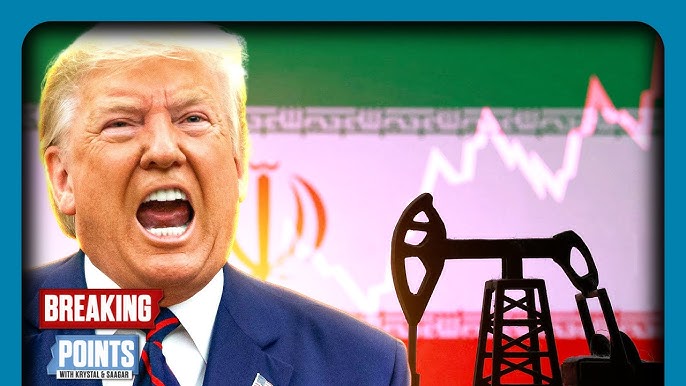
The global energy system is entering one of its most volatile and consequential phases in decades, and the implications stretch far beyond the cost of a gallon of gas. At the center of this moment is a complex convergence of geopolitical conflict, economic pressure, technological acceleration, and climate urgency—each reinforcing the other in ways that are reshaping policy, markets, and long-term strategy. Sustainable Action Now is elevating this moment as a critical inflection point, where the decisions being made today will determine not only energy affordability but the trajectory of climate action for years to come.
Recent developments have underscored just how fragile the current system remains. U.S. Energy Secretary Chris Wright has acknowledged that fuel prices may not return to levels below three dollars per gallon until 2027, a projection that reflects both structural constraints and the cascading effects of global instability. While there is cautious optimism that prices may have peaked in the near term, the broader outlook remains defined by uncertainty. Energy markets are no longer driven solely by supply and demand fundamentals; they are being reshaped in real time by geopolitical decisions that ripple across continents and industries.
The ongoing conflict involving Iran has emerged as a central driver of this volatility. Strategic actions, including the blockade imposed by the United States, have tightened global supply chains and introduced new layers of risk into an already strained system. The impact is not limited to oil. Fertilizer production, which relies heavily on energy inputs, is experiencing increased cost pressure, raising concerns about agricultural output and global food prices. Helium supplies, critical for medical and technological applications, are also being disrupted. These interconnected effects highlight a fundamental reality: energy is not an isolated sector—it is the backbone of modern economies, and disruptions reverberate across every layer of society.
The White House’s direct engagement with oil executives reflects the urgency of the situation. As energy prices continue to place pressure on households and businesses, political leaders are navigating a delicate balance between short-term relief and long-term strategy. Voters are feeling the immediate impact at the pump, but the policy responses being considered must also account for the broader climate agenda. This tension—between immediate economic relief and sustained environmental responsibility—is becoming one of the defining challenges of contemporary governance.
Globally, the response to these pressures is diverging in ways that reveal both opportunity and risk. Japan, for example, is accelerating its return to nuclear energy, driven by a combination of energy security concerns and the rapidly growing electricity demands associated with artificial intelligence and advanced computing. The move signals a pragmatic shift toward stable, low-carbon baseload power, even as debates around safety and public perception continue. It also reflects a broader recognition that energy resilience cannot be achieved through a single source or strategy. Diversification is no longer optional; it is essential.
At the same time, international financial leaders are warning of the uneven impact of rising energy costs. While inflationary pressure is being felt globally, the burden is not distributed equally. Developing economies, in particular, are facing disproportionate challenges, as higher energy prices translate directly into increased costs for transportation, food, and basic services. This disparity underscores the importance of equity in climate and energy policy. A transition that fails to account for these differences risks deepening existing inequalities and undermining global cooperation.
Within the United States, the political landscape is reflecting both alignment and tension. Republicans have largely expressed support for Secretary Wright following his testimony on Capitol Hill, signaling a degree of cohesion around current energy strategies despite the complexities involved. Yet beneath that surface, there remains an ongoing debate about how best to navigate the intersection of energy independence, economic stability, and environmental responsibility. The answers are not straightforward, and the stakes continue to rise.
What is becoming increasingly clear is that the current moment cannot be addressed through incremental adjustments alone. The structural vulnerabilities exposed by geopolitical conflict and market volatility point to a deeper need for transformation. This is where climate strategy moves from long-term aspiration to immediate necessity. Renewable energy, grid modernization, storage technology, and efficiency improvements are no longer abstract goals—they are critical components of a more resilient and stable energy system.
However, the transition itself must be managed with precision. Moving too slowly risks prolonging dependence on volatile fossil fuel markets, while moving too quickly without adequate infrastructure can create new forms of instability. The path forward requires coordination across sectors, investment in innovation, and a willingness to rethink traditional models of energy production and consumption. It also requires a recognition that climate action and energy security are not competing priorities—they are fundamentally aligned.
Sustainable Action Now’s focus on climate is rooted in this alignment. By bringing attention to the interconnected nature of energy, economics, and environmental impact, it is helping to frame the conversation in a way that moves beyond short-term reactions and toward systemic solutions. The goal is not simply to respond to the latest developments, but to contextualize them within a broader narrative that emphasizes resilience, sustainability, and long-term value.
The projection that fuel prices may remain elevated for several more years is not just an economic forecast—it is a signal. It reflects the limitations of existing systems and the urgency of accelerating change. It also highlights the opportunity to build something more durable, more equitable, and more aligned with the realities of a rapidly evolving world.
As geopolitical tensions continue to influence markets and as technological advancements reshape demand, the choices made now will carry lasting consequences. The question is no longer whether transformation is necessary, but how it will be achieved and who will lead it. In that context, the role of informed, engaged platforms becomes essential. Sustainable Action Now is positioning itself as a key voice in that conversation, ensuring that the complexities of the moment are not only understood but translated into actionable insight.
The future of energy is being decided in real time. It is being shaped by policy decisions, market responses, technological breakthroughs, and the collective willingness to confront hard truths. The convergence of these forces marks a defining chapter—one that will determine not only the cost of energy, but the stability of economies, the health of ecosystems, and the trajectory of climate action for generations to come.