
The global conversation around animal welfare is no longer confined to advocacy circles—it is rapidly becoming a defining measure of societal progress, governance, and collective ethics. This week, Sustainable Action Now brings that conversation to the forefront with a sweeping focus on the evolving state of animal welfare and cruelty prevention, anchored by the urgency and significance of the upcoming State of Animal Welfare Address (#SOAWA). Positioned as a high-level international platform, this annual gathering is more than a conference—it is a strategic convergence of leadership, accountability, and forward-thinking policy that signals a decisive shift in how nations, industries, and individuals must approach the treatment of animals in the modern era.
At its core, #SOAWA represents a structured, cross-sector examination of where animal welfare stands today and where it must go next. Leaders from government, academia, civil society, and the broader animal welfare sector are coming together not merely to reflect, but to recalibrate. The theme—“A South Africa that treats animals with respect, empathy and understanding”—is both aspirational and directive. It challenges institutions and individuals alike to confront the systemic conditions that allow cruelty to persist while simultaneously building a framework rooted in compassion, science, and ethical responsibility. The inclusion of interactive Q&A sessions and live participation underscores a critical evolution in advocacy itself: this is no longer a one-way conversation, but a dynamic exchange that demands engagement, transparency, and measurable outcomes.
This moment arrives amid a broader global awakening—one where the contradictions in how animals are treated across industries, cultures, and digital platforms are becoming increasingly impossible to ignore. The narrative is no longer abstract; it is immediate, visual, and deeply human. It is found in the uncomfortable realities behind viral content, in the normalized exploitation embedded within consumer habits, and in the systemic practices that continue to prioritize convenience and profit over sentient life.
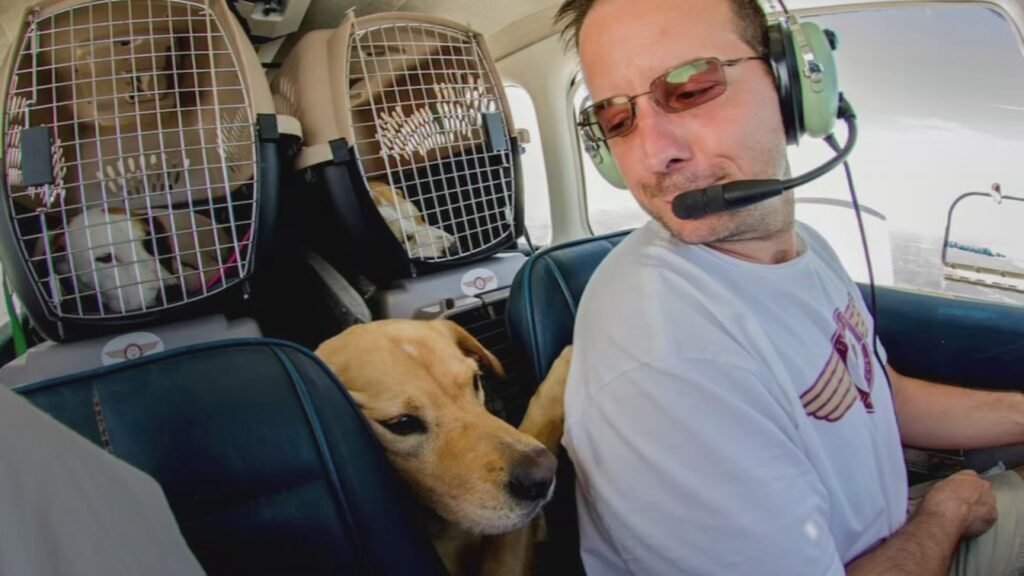
One of the most powerful shifts underway is the redefinition of strength itself. Across advocacy campaigns and grassroots movements, a new image is emerging—one that dismantles outdated notions of toughness and replaces them with courage rooted in protection and empathy. Men, often positioned within traditional frameworks of dominance, are increasingly stepping forward not as silent observers but as active defenders of animals. This cultural repositioning matters. It reframes compassion not as vulnerability, but as a deliberate and powerful act of resistance against cruelty. The message is clear: the strongest stance one can take is to intervene, to speak, and to protect those who cannot advocate for themselves.
At the same time, the digital ecosystem has introduced a new and complex frontier in animal welfare. What appears harmless—short-form videos of monkeys, exotic pets, or animals in unnatural settings—often conceals a deeper and more troubling reality. The commodification of wildlife for content has created an entire subculture of exploitation, where animals are removed from their natural environments, separated from their families, and forced into conditions designed solely for human entertainment. The visual appeal masks a systemic issue: lifelong suffering disguised as cuteness. The imperative now is not only to recognize this dynamic but to disrupt it by withdrawing support from content and creators that perpetuate harm.
This pattern extends far beyond digital media into industries that have long operated under minimal scrutiny. The exotic pet trade continues to normalize the ownership of wild animals, despite overwhelming evidence that such environments are fundamentally incompatible with their biological and psychological needs. The act of “owning” a monkey, for example, is not a benign or neutral choice—it is an intervention that dismantles social structures, disrupts natural behaviors, and imposes a lifetime of captivity on an inherently wild being. These are not isolated incidents; they are part of a broader system that must be addressed through both policy reform and cultural change.
Even in areas that are often dismissed or trivialized, such as the treatment of smaller or less traditionally “charismatic” animals, the underlying ethical question remains the same. Whether it is a spider attempting to escape a life-threatening situation or any other creature reacting to imminent harm, the instinct to survive is universal. Recognizing this shared biological reality is foundational to advancing a more inclusive and consistent approach to animal welfare—one that does not selectively assign value based on size, species, or perceived appeal.
The intersection of corporate accountability and animal welfare is another area experiencing significant transformation. Sustained investigative work and public pressure have begun to yield tangible results, as seen in recent decisions by major retailers to discontinue the sale of certain live animals following revelations about inhumane supply chains. These developments demonstrate that systemic change is possible when transparency, advocacy, and consumer awareness align. However, they also highlight the extent to which such practices were previously normalized, operating largely out of public view.
Similarly, the fashion industry continues to face scrutiny over materials and production methods that rely on extreme cruelty. The harvesting of angora wool, for instance, has been exposed as a process involving significant suffering, challenging consumers to reconsider the true cost of seemingly ordinary products. These revelations are not isolated—they are part of a broader reexamination of how goods are produced and what ethical standards must be upheld moving forward.
Public spectacles and entertainment practices, including rodeos and similar events, are also being reevaluated through a more critical lens. What has long been presented as tradition is increasingly understood as a form of normalized harm, often involving young animals subjected to fear, confusion, and physical stress. The cultural narratives that once shielded these practices are eroding, replaced by a growing recognition that entertainment should not come at the expense of animal welfare.
At the same time, there are emerging stories of progress that offer a glimpse into what a more humane future can look like. Conservation successes, such as increased protections and expanded freedom for species like the tule elk, signal that meaningful change is not only possible but already underway in certain contexts. These moments serve as both proof of concept and motivation, illustrating the tangible benefits of aligning policy, science, and public will.
The State of Animal Welfare Address arrives at this precise intersection—where awareness meets action, and where fragmented efforts begin to coalesce into a unified movement. It is a platform designed not only to diagnose the current state of animal welfare but to articulate a clear, actionable path forward. It recognizes that the challenges are multifaceted, spanning legal frameworks, economic systems, cultural norms, and individual behaviors. Addressing them requires an equally comprehensive approach—one that integrates education, advocacy, policy reform, and sustained public engagement.
For Sustainable Action Now, this moment represents both an opportunity and a responsibility. By elevating the conversation around animal welfare and cruelty, it is positioning itself as a critical conduit between information and action, between awareness and accountability. The goal is not simply to inform, but to catalyze—to transform passive recognition into active participation, and to ensure that the momentum generated by events like #SOAWA translates into measurable, lasting change.
What is becoming increasingly clear is that the future of animal welfare will not be determined by a single policy, organization, or moment. It will be shaped by a cumulative shift in how societies define responsibility, how industries operate, and how individuals choose to engage with the world around them. The question is no longer whether change is necessary—it is how quickly and effectively it can be realized.
As the State of Animal Welfare Address convenes leaders and stakeholders from across sectors, it does so against a backdrop of rising awareness and undeniable urgency. The call to action is not abstract; it is immediate, specific, and deeply consequential. It asks for a redefinition of norms, a reassessment of values, and a commitment to building a world where respect, empathy, and understanding are not aspirational ideals, but operational standards.
In that sense, this is not simply a moment to observe. It is a moment to engage, to challenge, and to lead. Sustainable Action Now is not just documenting this shift—it is actively shaping it, ensuring that the conversation around animal welfare continues to expand, evolve, and ultimately, deliver the systemic change that both animals and society urgently require.