The global movement for animal welfare is entering a decisive and deeply consequential phase, where decades of progress are converging with a final, urgent mission: to end one of the most enduring and controversial forms of animal exploitation still in existence. Sustainable Action Now is elevating this moment through a renewed focus on the campaign to protect bears, spotlighting both the extraordinary gains made in countries like Vietnam and the critical work that remains unfinished. The message is clear, focused, and time-sensitive—free the final bears.
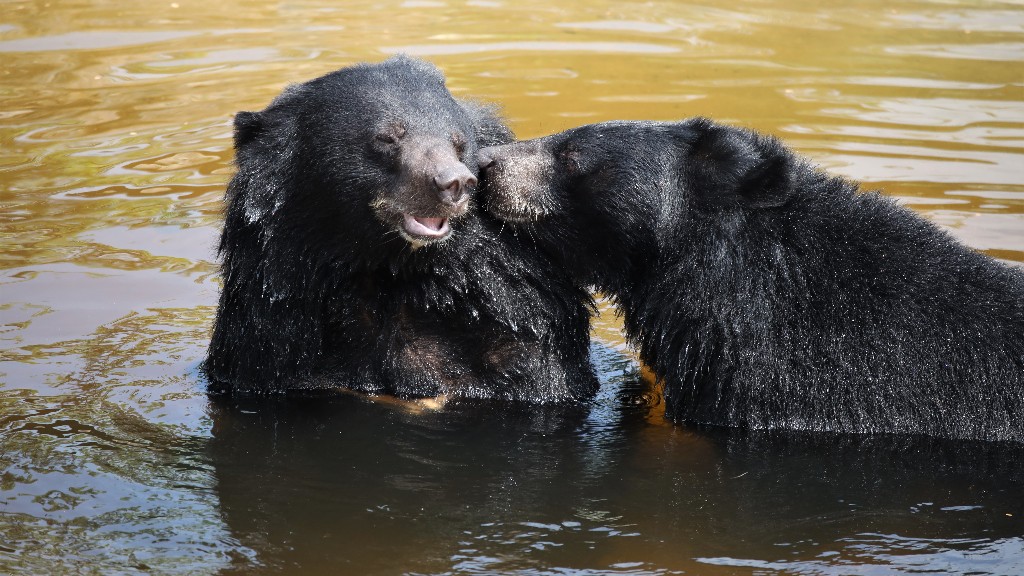
For years, Vietnam has been recognized as a case study in how sustained advocacy, policy reform, and public awareness can work together to dismantle an entrenched system. Bear bile farming, once widespread, has been dramatically reduced through a combination of legal enforcement, cultural shifts, and the relentless efforts of organizations committed to ending the practice. Yet despite this progress, approximately 150 bears remain confined in conditions that reflect the darkest aspects of industrialized cruelty—trapped in cages so small they can barely move, suffering from untreated medical conditions, and living without any semblance of a natural life.
These are not abstract numbers. Each bear represents a life defined by confinement, physical pain, and psychological distress. The urgency surrounding their rescue is not rhetorical—it is biological and immediate. Time is not a neutral factor; it is an active force, and for these animals, it is running out.
At the forefront of this final push is Dr. Jill Robinson, founder of Animals Asia, whose decades-long commitment to ending bear bile farming has helped transform the landscape of animal welfare in the region. Her latest initiative—a global letter-writing campaign—marks a strategic escalation in the effort to secure freedom for the remaining bears. This is not simply about raising awareness; it is about mobilizing a unified, international voice capable of influencing the final stages of policy enforcement and rescue operations. By inviting individuals around the world to sign and share the open letter through the campaign platform, the movement is translating compassion into coordinated action.
What makes this moment particularly significant is that it represents the closing chapter of a long and complex struggle. The infrastructure for change is already in place. The legal frameworks have been established. The public sentiment has shifted. What remains is the execution of a final, targeted effort to ensure that no bear is left behind. It is a rare and powerful opportunity to complete a mission that has been decades in the making.
At the same time, the global conversation around bear welfare is expanding beyond rescue into a broader redefinition of what ethical care and long-term sanctuary truly look like. The story of Teddy, a 32-year-old bear in Germany, offers a compelling and forward-looking example of this evolution. Having spent her entire life in captivity at Tierpark Westerhausen, Teddy is now being given something that was once unimaginable—a genuine retirement, designed around her needs, her age, and her well-being.
Through the collaborative efforts of Stiftung für Bären and FOUR PAWS, Teddy will soon be relocated to BEAR SANCTUARY Müritz, a space specifically designed to provide a species-appropriate environment for rescued bears. This is not simply a change of location; it is a transformation of experience. For the first time, Teddy will have access to a habitat that includes natural terrain, open space, water features, and the opportunity to engage in behaviors that have been suppressed for decades. Her care will be tailored to her status as a senior bear, with medical oversight and environmental adaptations that prioritize comfort, mobility, and dignity.
The decision by the new management at Tierpark Westerhausen to release Teddy—and to commit to not replacing her with another bear—signals a broader shift within institutions that have historically operated under different assumptions. It reflects an emerging recognition that captivity, particularly when it fails to meet the complex needs of large mammals, is no longer acceptable as a default model. Instead, there is a growing emphasis on transition, retirement, and the creation of environments that align with both scientific understanding and ethical responsibility.
This dual narrative—rescue and retirement—captures the full scope of what the modern animal welfare movement is striving to achieve. It is not enough to end harmful practices; there must also be a clear and compassionate pathway forward for the animals affected by them. Sanctuaries, rehabilitation centers, and long-term care facilities are becoming central components of this framework, offering not just survival, but quality of life.
Financial support plays a critical role in sustaining this work. Organizations operating at both local and international levels depend on consistent funding to maintain facilities, provide medical care, and execute complex rescue operations. Contributions directed through channels such as support initiatives or through local FOUR PAWS offices ensure that resources are allocated efficiently and in accordance with regional needs and regulations. This structure allows supporters to maximize both their impact and, where applicable, their tax benefits, reinforcing the practical as well as the ethical dimensions of giving.
What Sustainable Action Now is emphasizing through this feature is not only the urgency of the moment, but the clarity of the path forward. The campaign to free the final bears is not an open-ended aspiration—it is a defined objective with a tangible endpoint. It represents a rare convergence of readiness, opportunity, and global attention. Achieving it would not only transform the lives of the remaining bears in Vietnam, but also set a precedent for how similar issues can be addressed worldwide.
The broader implications extend beyond bears themselves. This is a test case for how societies choose to reconcile tradition, commerce, and compassion. It challenges long-standing practices and asks whether they can withstand scrutiny in a world that is increasingly informed, connected, and ethically engaged. The outcome will resonate across other areas of animal welfare, influencing how future campaigns are structured and how quickly meaningful change can be realized.
In this context, the call to action is both simple and profound. It is an invitation to participate in a moment that is as much about completion as it is about transformation. Signing a letter, sharing a message, supporting a sanctuary—these are not symbolic gestures. They are integral components of a coordinated effort that is capable of delivering real, measurable results.
The final chapter of bear bile farming in Vietnam is being written now. Whether it ends with closure or continuation depends on the collective response of a global community that has already demonstrated its capacity to drive change. Sustainable Action Now is not only documenting this effort—it is amplifying it, ensuring that the momentum continues to build until the goal is achieved.
For Teddy, and for the remaining bears still waiting in cages, the stakes could not be higher. Freedom is no longer a distant concept. It is within reach. The question is whether the world will act with the urgency and resolve required to make it a reality.