

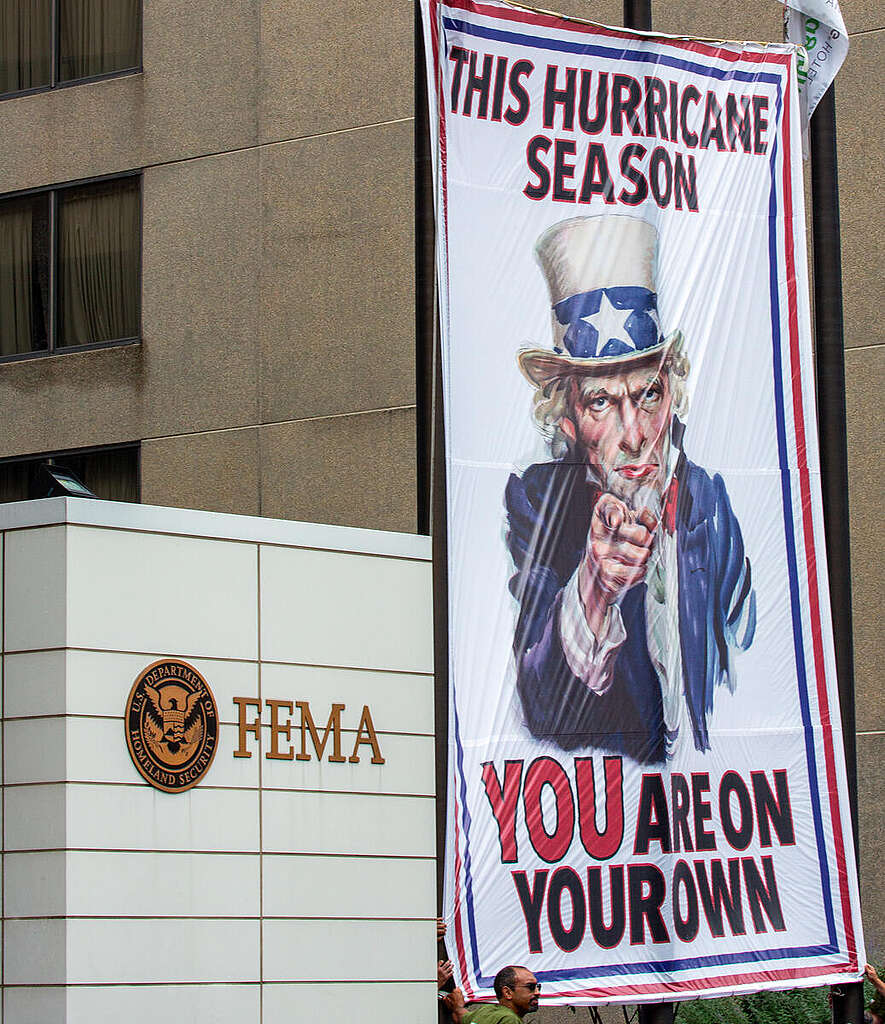
As another Atlantic hurricane season begins, the United States finds itself confronting a convergence of challenges that extend far beyond weather forecasts and emergency preparedness. Questions surrounding energy policy, climate resilience, political leadership, regulatory oversight, and disaster response are increasingly intersecting in ways that will shape the nation’s future for years to come. From the oil fields of Texas to coastal communities bracing for storms, Americans are witnessing how environmental policy and political decision-making have become inseparable from everyday concerns about safety, economic stability, and community resilience.
The arrival of hurricane season has always carried a sense of uncertainty for millions of Americans living along vulnerable coastlines. Every year, families monitor forecasts, local governments review emergency plans, and businesses assess risks associated with powerful storms capable of causing catastrophic damage. Yet this year’s concerns are amplified by growing questions about the nation’s emergency response capacity and the resources available to manage increasingly complex disasters.
Emergency management professionals, local officials, and community leaders are expressing concern about the ability of federal agencies to respond quickly and effectively should multiple large-scale disasters occur. Workforce reductions and organizational restructuring have fueled anxieties about whether critical disaster-response capabilities can be maintained during one of the most active and unpredictable periods on the annual weather calendar.
For many communities, these concerns are not theoretical. Coastal regions have spent years recovering from hurricanes, floods, wildfires, and severe storms that have strained public resources and tested emergency systems. The lessons learned from those experiences have reinforced the importance of rapid response, coordinated planning, and sustained recovery efforts.
Disaster preparedness today involves far more than stockpiling supplies and monitoring weather updates. Modern emergency management requires extensive coordination among federal agencies, state governments, local officials, utility providers, transportation systems, healthcare facilities, and nonprofit organizations. Every component must function efficiently when lives and property are at risk.
As climate-related disasters become more frequent and more expensive, the demand for effective emergency management continues to grow. Communities increasingly face challenges that stretch beyond immediate response efforts, including long-term recovery, infrastructure rebuilding, housing shortages, insurance affordability, and economic disruption.
These realities have elevated climate resilience from an environmental issue to a core public policy challenge.
At the same time, another important political battle is unfolding hundreds of miles from hurricane-prone coastlines. In Texas, one of the most influential energy-producing states in the country, voters are closely watching a Republican runoff election that could have significant implications for oil and gas regulation.
The contest highlights a broader debate taking place within American politics regarding energy development, environmental oversight, and the future direction of regulatory agencies responsible for managing critical industries. While the position itself may not attract national attention in the same way as presidential races or congressional contests, the authority associated with overseeing oil and gas operations carries enormous consequences for energy markets, environmental policy, and economic development.
Texas occupies a unique position within the national energy landscape. The state remains one of the largest producers of oil and natural gas in the world, and decisions made by regulators often influence investment patterns, production strategies, and industry expectations far beyond state borders.
The current political battle reflects deeper tensions within conservative politics regarding governance, ideology, and regulatory priorities. Questions about experience, qualifications, leadership style, and public accountability have become central themes as voters consider who should oversee one of the most important sectors of the American economy.
The significance of this debate extends beyond Texas. Energy production remains deeply connected to national discussions about economic growth, energy security, climate policy, and environmental stewardship. Decisions made by regulators influence everything from drilling permits and infrastructure investments to environmental compliance and public confidence.
As climate-related risks continue to intensify, energy policy and disaster preparedness are becoming increasingly intertwined. Hurricanes can disrupt oil production, damage refineries, interrupt fuel distribution networks, and strain electric grids. Severe weather events frequently expose vulnerabilities within critical infrastructure systems that support both economic activity and public safety.
The relationship between climate resilience and energy infrastructure has therefore become a central concern for policymakers across the political spectrum.
Supporters of expanded energy development argue that domestic production strengthens economic competitiveness, reduces dependence on foreign suppliers, and supports high-paying jobs throughout the energy sector. They emphasize the importance of maintaining reliable and affordable energy supplies while investing in infrastructure capable of meeting future demand.
Others argue that climate resilience requires a broader reassessment of how infrastructure is planned, built, and maintained. They point to the growing costs associated with extreme weather events and emphasize the need for investments that reduce vulnerability while strengthening long-term sustainability.
These competing perspectives are increasingly colliding within state governments, regulatory agencies, utility commissions, and legislative chambers across the country.
The stakes continue to rise because climate challenges are no longer viewed as distant concerns. Communities are experiencing firsthand the consequences of stronger storms, heavier rainfall events, prolonged droughts, extreme heat, and other environmental pressures that strain public systems and private resources alike.
Businesses must evaluate operational risks. Insurance providers must assess exposure. Local governments must prepare for emergencies. Families must make decisions about housing, transportation, and financial security. Every sector is being forced to adapt to a rapidly changing risk environment.
Against this backdrop, leadership matters more than ever.
The officials responsible for overseeing emergency management systems, energy infrastructure, environmental regulations, and public safety policies play a critical role in determining how effectively communities respond to emerging challenges. Their decisions influence preparedness, resilience, investment priorities, and recovery strategies.
The coming months will test those systems. Hurricane season always serves as a reminder that preparedness cannot be built overnight. Effective response depends on years of planning, investment, coordination, and institutional knowledge. It requires experienced personnel, reliable infrastructure, and public confidence in the agencies tasked with protecting lives and property.
Similarly, the political battles shaping energy policy today will influence how communities address climate risks tomorrow. Regulatory decisions made in state capitals can affect infrastructure development, environmental safeguards, economic opportunities, and resilience strategies for decades.
What makes this moment particularly significant is the growing recognition that these issues can no longer be viewed in isolation. Climate policy is connected to economic policy. Energy policy is connected to disaster preparedness. Infrastructure planning is connected to public safety. Regulatory oversight is connected to community resilience.
The challenges facing America this hurricane season illustrate a larger reality confronting the nation. Success will require balancing economic growth with environmental responsibility, energy development with infrastructure resilience, and political priorities with practical governance.
The storms gathering on the horizon are not limited to weather systems forming over warm ocean waters. They also include the policy debates, regulatory decisions, and leadership choices that will shape how prepared the nation is for an increasingly uncertain future.
As communities monitor forecasts and policymakers navigate complex political battles, one truth remains clear: resilience is no longer simply about responding to disasters after they occur. It is about building systems strong enough to withstand the challenges ahead while ensuring that economic prosperity, environmental stewardship, and public safety advance together rather than compete against one another.
The future of climate resilience will be determined not only by the strength of the storms America faces, but by the strength of the decisions made long before those storms arrive.